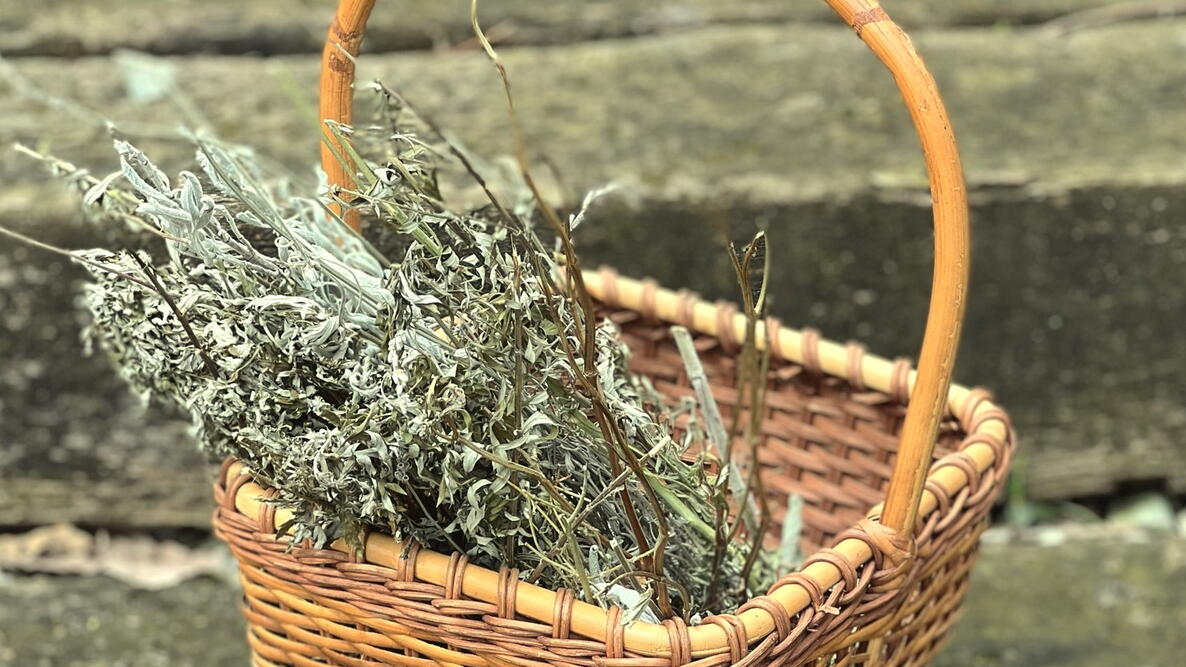

Don’t let fresh herbs go to waste! Whether you have a bumper crop from the garden or simply bought more than you can use, there are easy ways to preserve fresh herbs for months to come. The two best methods are drying and freezing herbs.
Some herbs hold their flavor best when dried, while others are better suited to the freezer. Here’s how to preserve your favorite herbs so you can enjoy that garden-fresh flavor all year long.
What Is an Herb?
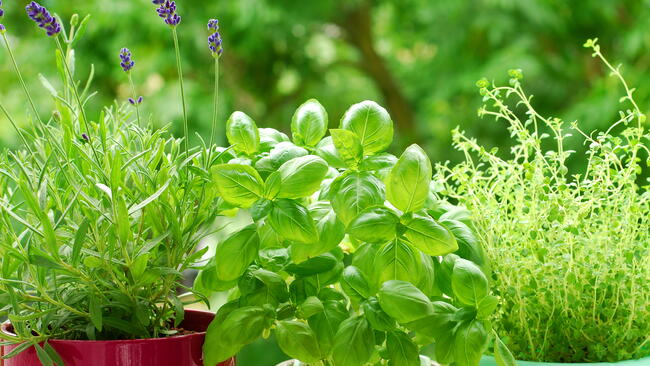
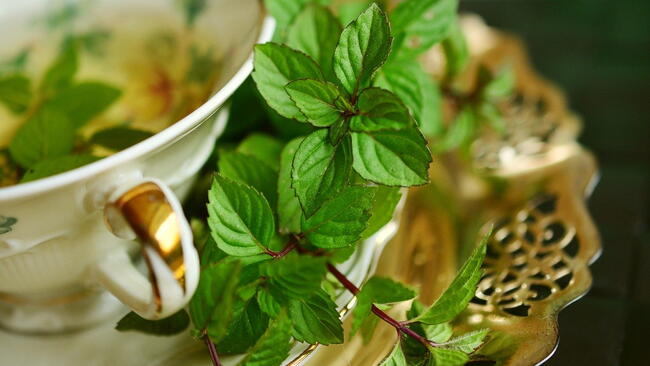
Herbs have been both our medicine and our food for millennia. Think of an “herb” as any aromatic plant used for food, seasoning, or medical treatment. Favorite herbs include basil, dill, Greek oregano, parsley, rosemary, thyme, and the various mints, as well as the medicinals: comfrey, elderberry flower, heal-all, plantain, yarrow (leaves and flowers), and others.
If you’re harvesting herbs from your garden, timing matters. For the best flavor, harvest on a sunny morning after the dew has dried but before the heat of midday. For many leafy herbs, the ideal time is when flower buds have appeared but haven’t yet opened.
What if you don’t grow your own herbs? Farmers’ markets and specialty food stores are often good places to find fresh herbs in larger quantities—perfect for preserving.
Which Herbs Should You Freeze or Dry?
Not every herb responds the same way to preservation. Some herbs are best frozen, some are best dried, and others work well with either method. Use this chart to choose the best way to preserve your favorite herbs.
| Herb | Best for Freezing? | Best for Drying? |
|---|---|---|
| Basil | Yes | Yes |
| Chives | Yes | No |
| Cilantro | Yes | No |
| Dill | Yes | Yes |
| Fennel | No | Yes |
| Lemon balm | Yes | No |
| Lemon verbena | Yes | No |
| Marjoram | Yes | No |
| Mint | Yes | Yes |
| Oregano | Yes | Yes |
| Parsley | Yes | Yes |
| Rosemary | Yes | Yes |
| Sage | Yes | Yes |
| Savory | Yes | Yes |
| Scented geranium | No | Yes |
| Tarragon | Yes | Yes |
| Thyme | Yes | Yes |
How to Dry Herbs
There are many ways to dry herbs—in a basket, by hanging the herbs, or by using a dehydrator. Indeed, some herbs can be air-dried easily, such as oregano, sage, and thyme. But unless you live in a very arid climate, herbs such as basil and parsley, which have thick, succulent leaves, are better dried in a dehydrator. You may decide how far you want to go with the process. Patty Sanders, a certified herbalist, explains further:
Hanging in Bunches
The old-fashioned method of tying small bunches of herbs with string and hanging them to dry in a dark, well-ventilated place still works well for most leafy herbs and flowers. Rinse the herbs well under cool running water, lay them to wilt and dry in the sun, then tie them up. Remove leaves from their stems and store them in an airtight jar when they are dry.
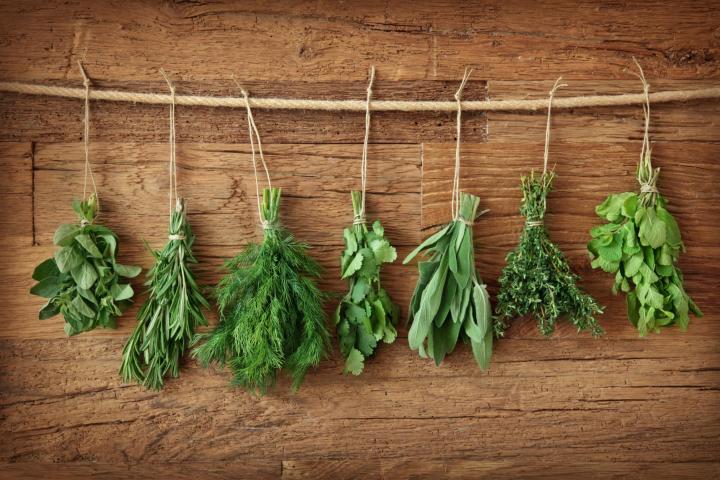
Credit: Elena Schweitzer/Shutterstock.
Strip and Dry in a Hot Place
To dry a large harvest of tea and medicinal herbs, I’ve had success with stripping individual leaves or flower clusters from their stems, spreading them one layer deep on a thin cotton sheet, and tacking the four corners to boards in the steeply pointed ceiling in my attic. It’s hot, dry, and dark up there in summer, and the herbs dry quickly. When they crumble easily, I sweep them into a clean pillow case or heavy paper bag and crush them, then store in glass jars in a dry, dark place.
Dehydrate
A few years ago I bought an eight-tray electric food dehydrator to try drying tomatoes, zucchini, and garden fruit. I’ve found it especially useful for drying aromatic culinary and tea herbs: basil, mint, oregano, and sage. Because dehydrating removes moisture at a relatively low temperature (about 95°F) with continuous airflow across the drying racks, it preserves the rich flavors of these culinary herbs better than oven or air-drying. When the herbs crumble easily, I sweep them into a large paper bag, crumble them with my hands, and funnel them into glass containers. I like small-mouthed mason jars for storage because they accept the lids from grated Parmesan containers that let me shake herbs right from the jar. Make sure you store the herbs in an airtight container.
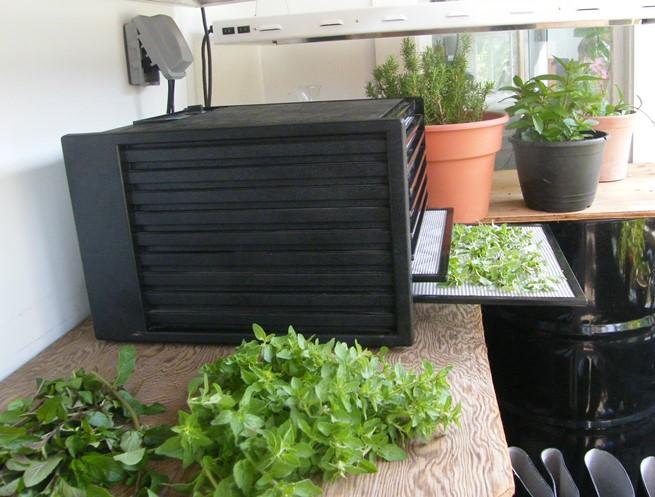
Credit: Peg Boyles.
How to Freeze Herbs
Freezing is the best way to maintain the essential oils and spritely flavors of delicate herbs such as basil, chive, dill, fennel, and thyme (although you can freeze any herb). You have several options for freezing fresh herbs.
There’s no need to blanch herbs for freezing. Just wash all herbs in cool, running water and pat dry before freezing.
Freeze in Layers
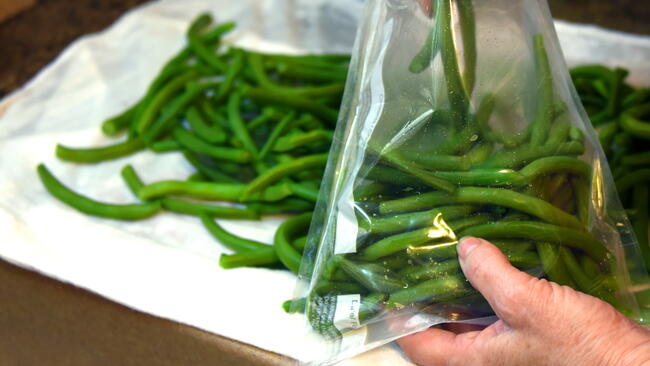
The most common way to freeze herbs is to lay sprigs of rinsed herbs one layer deep in a freezer bag and freeze them flat. This method allows you to reach into a bag, remove the needed amount of herbs, and crumble them quickly into a salad dressing, soup, or other dish.
Pack in Ice Cubes
Chop the well-rinsed herbs (create a mixture if you like), pack them tightly into ice-cube trays, add enough water to cover, and freeze. You can remove the herb cubes from the trays and store them in a freezer bag or rigid container.
Make Herbsicles
Without chopping, pack a handful of fresh leafy herbs in a small plastic snack bag that’s labeled for the herb(s) inside. Roll tightly, seal, then secure with a couple of rubber bands to hold the cylindrical shape. Pack three or four of these frozen logs into a zippered freezer bag. When you want to use one, remove the log from the bag, slice off what you need from one end, and quickly return the log to the freezer.
Freeze in Olive Oil
This method makes a perfect way to prepare herbs and herb mixtures for salad dressings, soups, and other prepared dishes. Just blend the desired herbs with enough oil to make a pourable mixture, pour into ice cube trays and freeze. If you love basil (or any other herb) pesto, puree your big bunches of de-stemmed basil with olive oil and freeze them in ice cube trays. Run the trays under hot water to remove the cubes, pop them into freezer containers or wrap them individually in plastic wrap, and store them in the freezer. Use herb and oil cubes directly from the freezer or thaw in the refrigerator and use immediately.
Food safety note: Keep herb-and-oil mixtures refrigerated or frozen. Do not leave them at room temperature because of the risk of botulism.
Of course, the ice-cube method is a perfect way to preserve your pesto, too. A couple of basil-and-garlic pesto cubes will improve the flavor of nearly any winter soup.
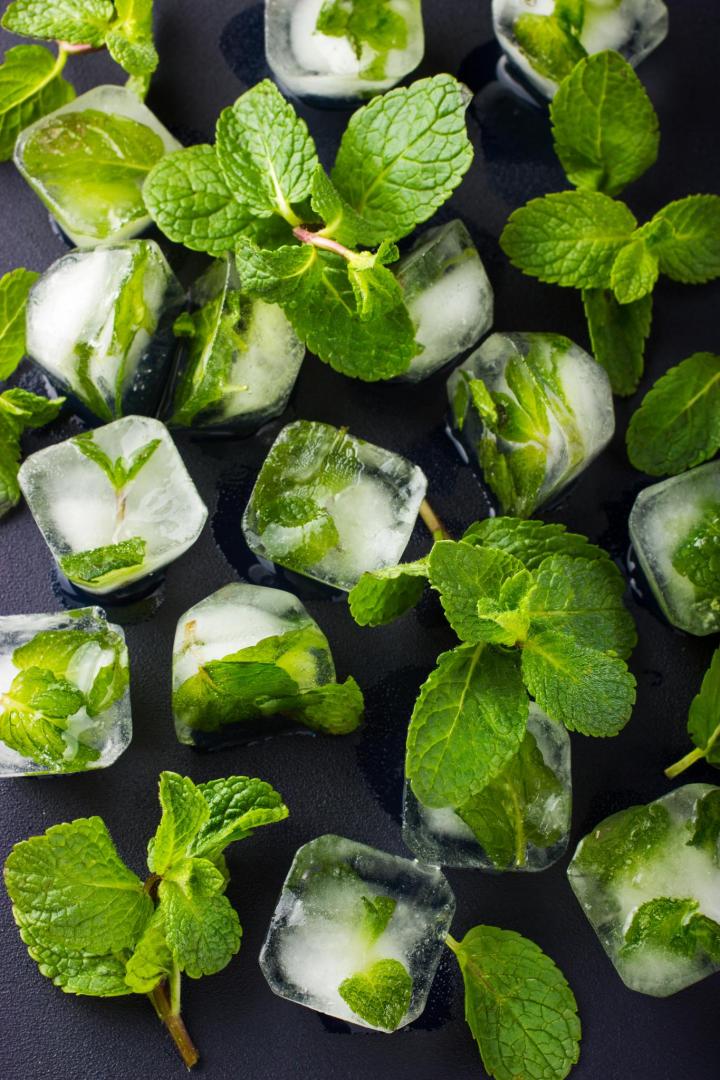
Credit: Anna Shepulova| Shutterstock
Herbal Vinegar
Herbal vinegars are inexpensive and easy to make. And fresh culinary herbs make the best vinegars. My favorite to preserve in vinegar are: basil, dill, garlic, oregano, rosemary, sage, and thyme.
Learn more about how to make herbal vinegars (“pickling”) as well as herbal tinctures and herbal creams/salves*.


Introduction to Preserving
Freezing
Making Quick Pickles
Making Quick Jams: Refrigerator or Freezer Jam
Vinegars
Water-Bath Canning
How to Can Tomatoes
How to Can Pickles
How to Can Jam and Jelly
Drying
Salting and Brining
Fermenting
More Like This

I've always been disappointed by the flavor of dried parsley, Rosemary. I try to keep a pot of it growing inside, but I've also frozen it in small zippered baggies. Frozen herbs retain their colors. They don't take up much room, and you can pull out what you need and zip the bag back up.
But to preserve the color or dried parsley, dry it out of the sun. Use a dehydrator, a brown paper bag (see previous comment), or hang/spread it to dry in a dark, dry place.
What a great idea! Thanks for sharing.
- « Previous
- 1
- 2
- …
- 10
- Next »

Comments