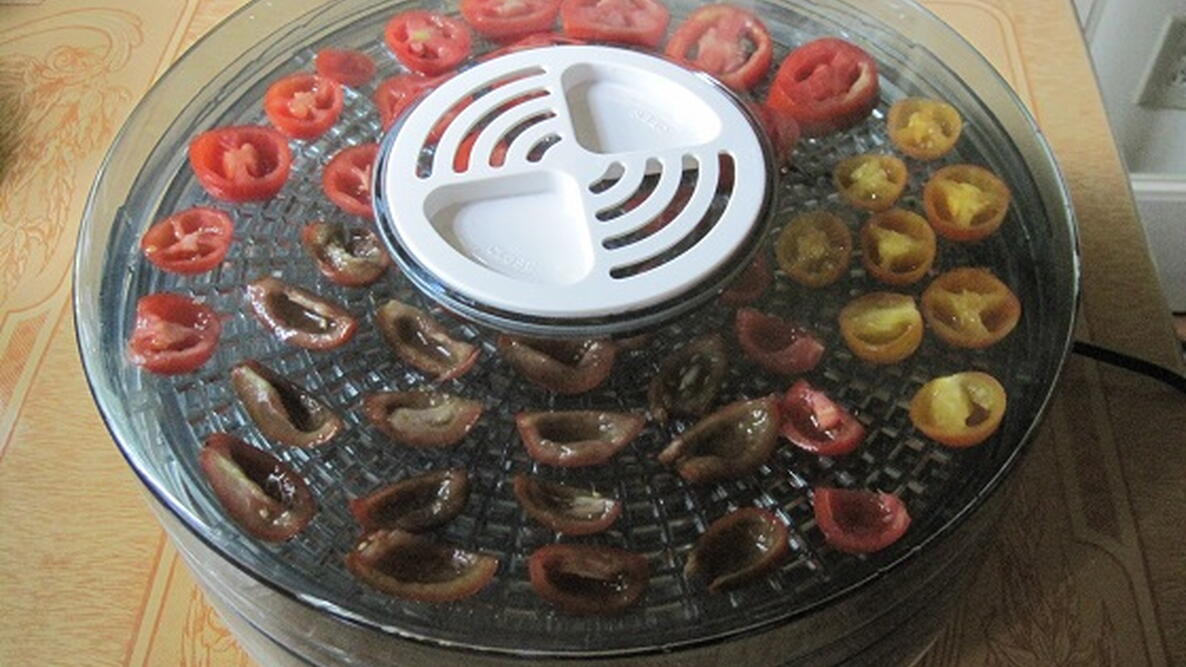

Dry it, you’ll like it! Preserving fruits and veggies by drying them is one of the oldest—and most satisfying—ways to lock in flavor and nutrition. Whether you’re turning ripe tomatoes into sweet sun-dried treats or whipping up homemade banana chips, food dehydration is simple, economical, and fun. With just one tool (a dehydrator—or even your car on a hot day!), you can create delicious snacks that last all year long.
Why Drying Is the Easiest (and Tastiest) Way to Preserve Food
Usually, tomatoes are a big seller for us at the farmers’ markets, but last week we brought home several pints of ‘Chadwick’ and ‘Sungold’ cherries, some tiny black plum tomatoes, and ‘Grandma Mary’ paste tomatoes.
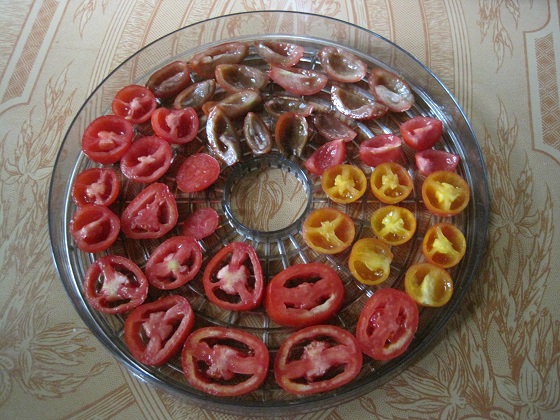
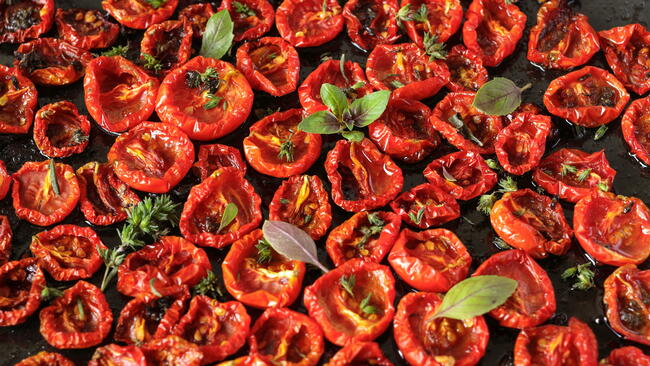
Since sundried tomatoes are a treat for us in the winter, I dragged out the dehydrator to make my own—minus the sun. Washing, wiping, and cutting all those little tomatoes was well worth the effort because they turned into tiny, incredibly sweet little morsels with intense tomato flavor.
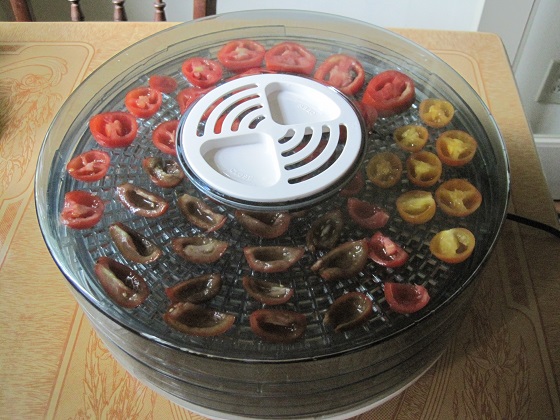
That minor success got me back into drying. Give it a try, and you just might give up the drudgery of canning altogether. Drying is thought to be the oldest method of food preservation.
Sun Drying: The Oldest and Easiest Method
Since the sun’s energy is free, I’m looking for plans to make a solar dehydrator. One clever friend that I know takes advantage of the heat that builds up in her parked car on a sunny day to dry her produce. She just places the racks of sliced food on sheet pans on her dashboard. If it gets hot enough, the veggies dry while she’s at work. If they aren’t totally dry by quitting time, she brings them inside for the night and places them back on the dashboard again the next day.
Using a Food Dehydrator
You can try oven-drying, but I’ve read that it causes changes in the color and flavor of the food, cooking rather than drying it.
Though I’m not a big fan of kitchen appliances that have cords, I now own two electric dehydrators. They were gifts, so I have only the electric bill to think of, but they don’t seem to use much juice. Estimates are that it costs less than a dollar a day to run them when full.
To see if you like the taste of dried foods, borrow a dehydrator from a friend, if you can, and give it a try before you purchase one. Once foods are dry, they don’t require any electricity to maintain them, a big plus if the power goes out. Nothing is more discouraging than losing a freezer full of food during a long power outage.

How to Dry Fruit (Step-by-Step)
Along with tomatoes, we have dried bananas, apples, kiwis, peaches, plums, and strawberries. Fruit is easy to dry since it requires little pre-treatment.
- Just wash, peel (only if the peel isn’t edible), and slice into 1/4” to 1/2” pieces.
- To prevent browning, you can dip the slices in any acidic fruit juice, like orange or cranberry, or diluted lemon juice. The more moisture that is in the fruit, the thinner the slices should be.
- Spread fruit slices in one layer on dehydrator racks. Make sure the fruit pieces don’t overlap. Also, keep different fruits on different trays as dehydration times will be different for each fruit.
- I tend to set my dehydrator at 125°F for an evenly dehydrated end product, but follow the dehydrator manual for instructions.
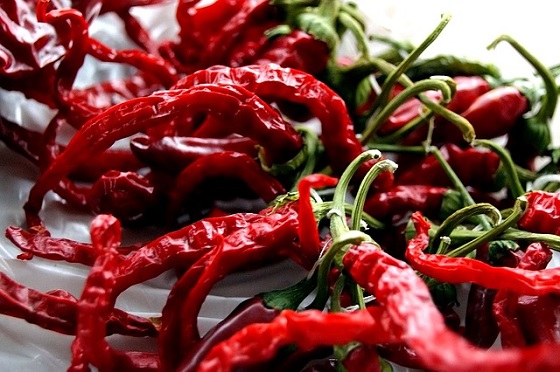
Some things, like thin-walled hot peppers, are easily dried just by hanging them in the kitchen for a week or so. The ristra of peppers is decorative as well as useful.
If you like your food hot and spicy, you’ll have plenty of home-made hot pepper flakes to sprinkle on everything.
How to Dry Vegetables (Step-by-Step)
Most vegetables require a little more preparation. There are a couple of extra steps:
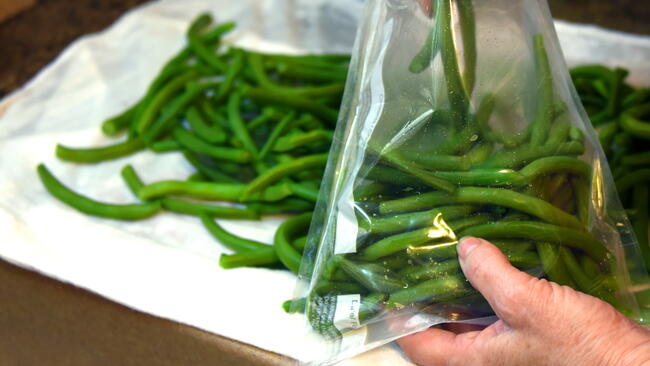
- Fix them as you would for the freezer, including blanching them in boiling water.
- Cool them in ice water, drain, and pat dry with clean towels before placing them in the dehydrator.
Creative Uses for Dried Foods
We have dried zucchini rounds, green pepper strips, green beans, carrot slices, and celery leaves, combining them to make an instant soup mix that is also good with rice or couscous.
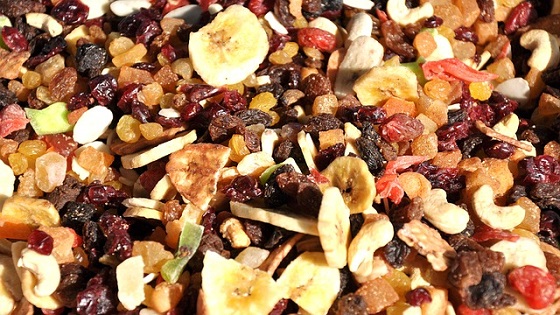
Hikers and campers can create their own inexpensive trail foods. Let your garden be your guide and dry whatever you have in abundance.
How to Store Dried Fruits and Vegetables
After your food is dry and has cooled, it can be stored in plastic bags or airtight jars for up to a year.
Besides being fast and easy to make, dried foods take up little space. Once the moisture is removed, a bushel of fruit will fit in a few zipper-lock bags.
Health Benefits of Dehydrated Foods
Dried foods are good for you, too; a USDA study found that dried foods have higher nutritional value than canned or frozen foods. As long as dehydrated foods are kept dry, there should be no problems. Check them periodically for signs of moisture, condensation, or mold.
If you find you have too much of a good thing this fall, dry it, you’ll like it!
Introduction to Preserving
Freezing
Making Quick Pickles
Making Quick Jams: Refrigerator or Freezer Jam
Vinegars
Water-Bath Canning
How to Can Tomatoes
How to Can Pickles
How to Can Jam and Jelly
Drying
Salting and Brining
Fermenting
More Like This


Comments