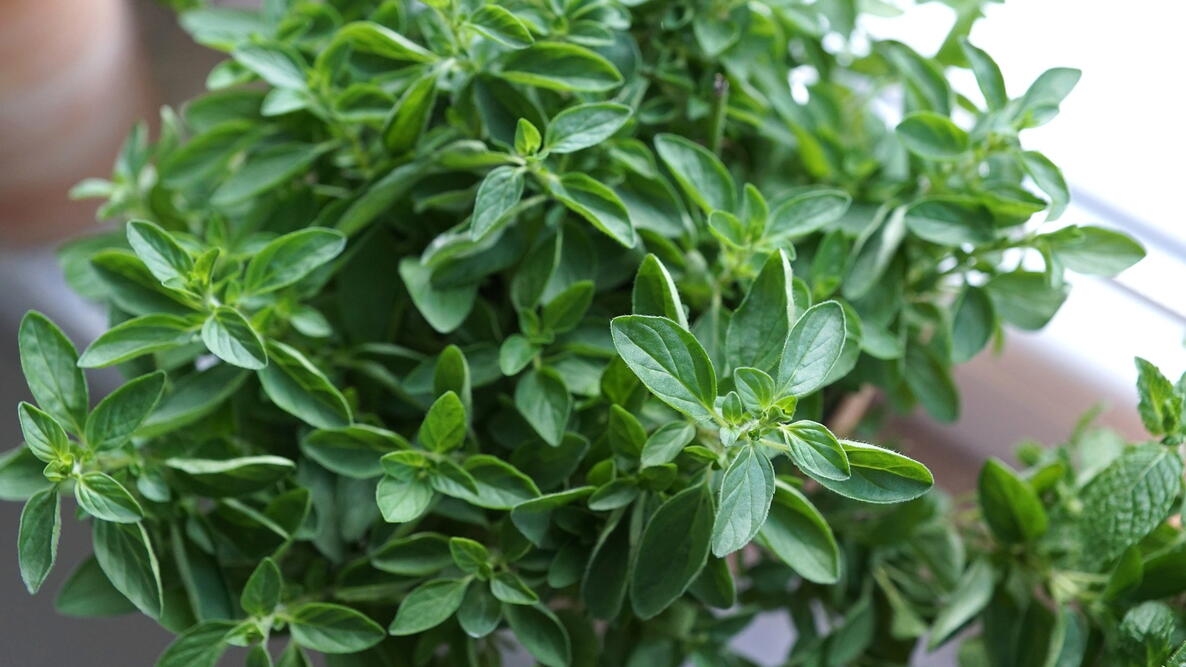
How to Grow Oregano: A Complete Guide to Planting, Care, and Culinary Uses

Photo Credit
Pixabay
Botanical Name
Origanum
Plant Type
Sun Exposure
Bloom Time
Flower Color
Hardiness Zone
Subhead

From pizza topping to pollinator-friendly ground cover, discover everything you need to know about growing and enjoying oregano.

Written By: Catherine Boeckmann Executive Digital Editor and Master Gardener

Oregano is a must-have culinary herb to grow in a garden or container—as well as an attractive ground cover. Discover more about oregano, from growing information to culinary tips.

About Oregano

This growing guide is about true oregano, called Greek oregano (Origanum vulgare subsp. hirtum). It’s a robust and flavorful herb with a peppery bite and a minty aroma. In Greek, the word “oregano” means “joy of the mountain.”

Oregano adds savory flavor to pizza, tomato sauce, and anything tomato, as well as cooked summer vegetables such as zucchini and eggplant, a Greek salad, kabobs, roasted potatoes, white beans, a vinaigrette, and any egg dish. Its aromatic leaves can be used fresh or dried.

It’s a perennial woody herb that grows from 1 to 2 feet tall in an open, loose style that spreads to 18 inches wide (or more). It bears gray-green leaves and pretty white flowers, but, for the best-tasting leaves, do not let the herb flower.

Oregano is a hardy plant to Zone 4, though some gardeners say it’s only hardy to Zone 5. It can grow in the ground or in pots. Indoors, this herb can thrive year-round but will require grow lights for those who cannot provide 5 to 6 hours of bright light from a sunny window.

Oregano also makes a good companion plant in the vegetable garden.

Planting

  • Oregano loves the sun, so ensure that your placement has full sun for strong flavor. Offer partial shade if growing in hot climates.
  • Plant anytime in the spring, once you’re well past the chance of frost. Some folks plant later in the season for assured warm weather. The soil should be around 70ºF.
  • For a head start, plant the seeds/cuttings 6 to 10 weeks before the last spring frost. (See local frost dates.)
  • Oregano can easily be started from seeds, though you can also use cuttings from an established plant.
  • Before planting, mix in several inches of organic matter, such as compost. If you’re growing in containers, use a quality potting mix.
  • Plant 8 to 10 inches apart. The plants will grow 1 to 2 feet tall and spread about 18 inches.

Growing

  • Allow oregano plants to grow to about 4 inches tall and then pinch or trim lightly to encourage a denser and bushier plant. Regular trimming will not only cause the plant to branch again, but also avoid legginess.
  • Oregano doesn’t need quite as much water as most herbs. The amount of watering depends on many variables; just water when the soil feels dry to the touch. Remember that it’s better to water thoroughly and less often.
  • If you have a container, water until the water comes out of the drainage holes in the bottom of the container.
  • At the end of the season, you can move pots indoors for the winter; cut dead stems in the spring before new growth. In warmer climates, protect plants with mulch.
  • To ensure the best-quality plants, thin out plants that are 3 or 4 years old in the early spring. Oregano is self-seeding, so the plants will easily grow back.
  • You can divide the plants in late spring if you want to put one indoors.

Harvesting

  • Harvest the leaves with sharp shears as you need them, once the plant is several inches tall. This will encourage new growth. Just don’t harvest more than one-third of the plant at a time.
  • The most flavor-filled leaves are found in midsummer, right before the flowers bloom.
  • You can freeze the leaves to use during the winter. Oregano leaves store well and are easily dried. Keep them in an airtight container once dried.

Pests/Diseases

FAQ

Does oregano come back every year?

Yes! Oregano is a perennial in USDA Zones 4 to 9. That means it will return each year as long as it’s planted in well-draining soil and survives the winter.

Can oregano be grown indoors?

Absolutely. Oregano grows well indoors in containers, provided it gets at least 5 to 6 hours of sunlight per day or supplemental grow lights.

What is the difference between oregano and marjoram?

Oregano has a stronger, peppery flavor, while marjoram is sweeter and more delicate. Both are related, but oregano is typically hardier and better suited for robust dishes like sauces and roasts.

Oregano vs. Marjoram vs. Italian Oregano
HerbFlavor ProfileGrowth HabitBest Culinary UsesNotes
Greek Oregano (Origanum vulgare subsp. hirtum)Robust, peppery, slightly bitterPerennial, 1–2 ft tall, spreadingPizza, tomato sauce, roasted vegetables, meat dishesKnown as “true oregano,” hardy and strong-flavored
Italian Oregano (hybrid of oregano + marjoram)Balanced, less sharp than Greek oreganoPerennial, compact growthPasta sauces, marinades, saladsPopular in Italian-American cooking
Marjoram (Origanum majorana)Sweet, mild, floralTender perennial, prefers warmer climatesSoups, salad dressings, egg dishesOften confused with oregano but gentler in flavor

How do you harvest oregano for the best flavor?

Harvest oregano leaves just before the plant flowers. Snip stems in the morning after the dew has dried for the most intense flavor.

Can you dry oregano at home?

Yes! Bundle stems together and hang them upside down in a warm, dry place. Once crisp, remove the leaves and store them in an airtight container.

Wit and Wisdom

  • Oregano tea relaxes nerves and settles an upset stomach.
  • Fresh oregano is a great antibacterial agent and loaded with antioxidants as well as an excellent source of fiber, vitamin K, iron, vitamin E, and calcium. It was once used in many old-fashioned herbal remedies.
  • Oregano plants are said to symbolize “substance.” Find out more about plant meanings here.

Cooking Notes

Crush or chop fresh oregano leaves by hand before adding them to a dish to release the flavorful essential oils contained within. Oregano adds savory flavor to pizza, pasta sauce, and Italian soups. But also add oregano to olive oil, vinaigrettes, or marinades for beef, chicken, or lamb. Try it!

For cooked dishes, it’s best to add oregano leaves at the end of the cooking process, or they won’t hold up well. For example, add to the end of cooking hearty vegetables such as eggplant and zucchini. 

About The Author
Catherine Boeckmann

Catherine Boeckmann

Executive Digital Editor and Master Gardener

Catherine Boeckmann is the Executive Digital Editor of Almanac.com, the website companion of The Old Farmer's Almanac. She covers gardening, plants, pest control, soil composition, seasonal and moon c...