
Types
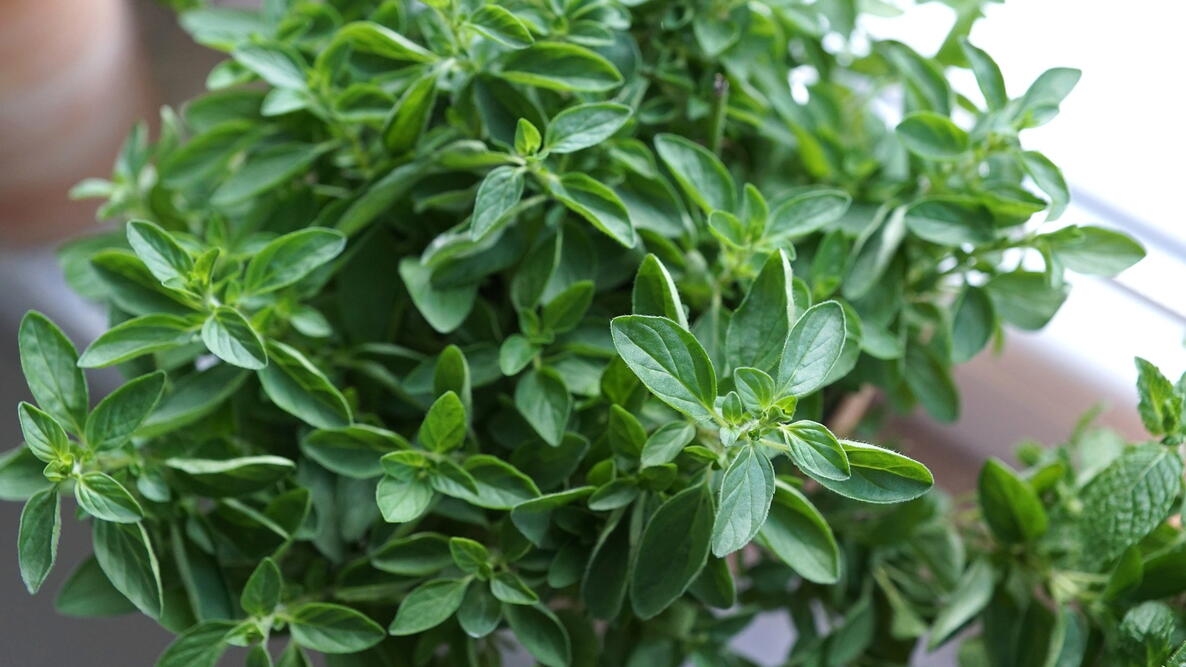
- Greek oregano (Origanum vulgare subsp. hirtum) for cooking
- Common oregano for decoration (its white-lavender flowers look pretty in the garden and are also used in wreaths)

More Like This

Hi, Carmen. You will want to seek out true Greek oregano. It is prized for both medicinal and culinary uses.
Greek oregano is one of the most common types used in cooking. Its botanical name is: Origanum vulgare var. hirtum. There are lots of other oreganos within the same genus Origanum, as well as some that are in different genera and not true oreganos, such as Cuban oregano (Pectranthus amboinicus). Within the Origanum genus, there are several that are used just for ornamental value, and do not have as good or as intense a flavor; most are not used in cooking. For example, Origanum 'Kent Beauty', O. 'Amethyst Falls', O. 'Rosenkuppel', O. vulgare ‘Aureum’, or O. libanoticum. These are valued for their showier flowers/bracts, or colorful or curly leaves. Some types may have pink or purple flowers and purple, yellow, or bluish leaves. Origanum vulgare, the straight species of common oregano (also called wild marjoram), can be invasive and doesn't have as much flavor; its flower is pink or purplish. It has several subspecies/varieties, one of which is Greek oregano. Greek oregano is a bit more compact, has a more intense flavor, and its flower is white; when the leaves are rubbed, they emit a strong scent. Greek oregano is not as attractive ornamentally as some species/varieties grown specifically for that purpose. Some oreganos will look very similar. Although sometimes plants are mislabeled (several types of oregano are sometimes sold as "Greek" oregano), it always helps to look at a label (if provided) to know which specific plant you are likely purchasing--especially check the botanical name, since common names sometimes are used for different plants. Hope this helps!
Oregano blooms in mid- to late summer. Prune them in the spring and they will put out new growth for the summer!
- « Previous
- 1
- 2
- …
- 10
- Next »

Comments