
Caption
Fire cider is a spicy herbal vinegar traditionally made by steeping roots, herbs, and peppers in apple cider vinegar.

Fire cider—it sounds like something a medieval knight might drink before battle, but it’s actually a bold, spicy herbal vinegar that’s been enjoyed for generations. Traditionally prepared during the colder months, this tangy infusion combines apple cider vinegar with pungent roots, herbs, and spices to create a lively, warming tonic.
Part folk tradition and part kitchen staple, fire cider is often made at home by steeping simple ingredients in vinegar for several weeks. Here’s what fire cider is all about—plus how to make your own batch and ways to use it.
What Is Fire Cider?
Fire cider. The very name sounds like something you should try—or run from!
This potent herbal vinegar tonic is a modern version of traditional home remedies that have long been used in kitchens and herbal traditions during cold-weather months. Many folks take a small spoonful daily or mix it into salad dressings or festive drinks.
Herbal vinegars have been prepared for centuries in many cultures. Vinegar itself has been used for thousands of years in food preservation, cooking, and traditional remedies. Wherever apples grow, you’ll often find apple cider vinegar used in home kitchens and folk traditions.
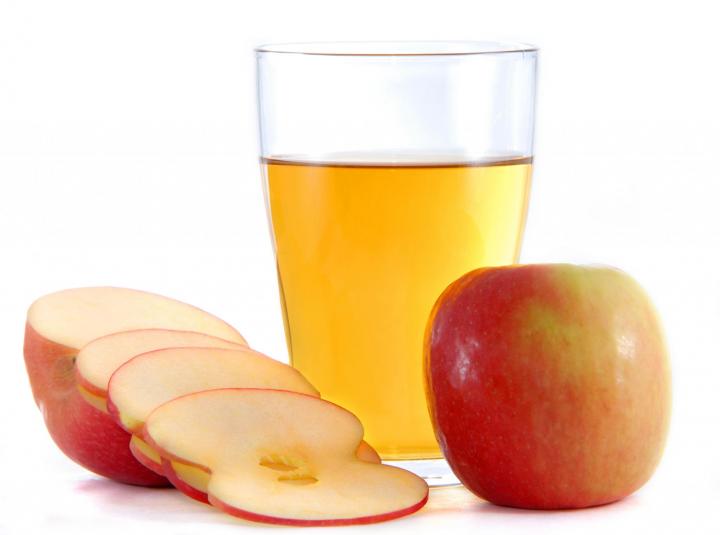
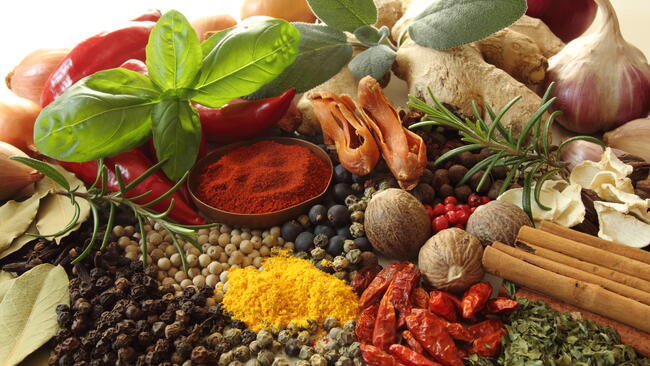
The traditional fire cider recipe calls for some combination of grated fresh horseradish, ginger, garlic, onions, turmeric root, and hot peppers soaking in apple cider vinegar for 3 to 4 weeks, then finished with honey to balance the acidity.
I like to add additional flavor-rich herbs and fruits. Other recipes, including mine, include dried or fresh leafy herbs, a few whole spices, and sliced citrus fruits.
Making homemade fire cider is also a wonderful way to use fresh herbs, roots, and produce from the garden—or from a farmers’ market.
Traditional Uses of Fire Cider
Fire cider is best understood as a traditional herbal tonic rather than a medical treatment. For generations, people have prepared versions of this spicy vinegar infusion during cold-weather months.
Many of the ingredients used in fire cider—garlic, ginger, turmeric, and hot peppers—contain plant compounds that have been widely studied for their antimicrobial and antioxidant properties. In herbal traditions, these warming ingredients are often used in seasonal tonics and digestive bitters.
Some people enjoy taking a small daily spoonful of fire cider during fall and winter, while others simply use it as a flavorful vinegar in the kitchen.
At the very least, fire cider is a bold, aromatic infusion that extracts flavorful compounds from herbs, roots, and spices into vinegar.
Admittedly, a drink made with fresh horseradish, garlic, ginger, and chili pepper sounds a little off-putting. I think it tastes great. Some people enjoy a small daily shot during colder months. If you can’t handle the bite, sweeten it with extra honey.
Either way, it’s a lively blend of spicy, sour, and sweet flavors that many people enjoy as part of their seasonal routine.
Fire Cider Recipe
Ingredients
Start with a quart (4 cups) of raw, unfiltered apple cider vinegar (at least 5% acidity)
- About 1/3 cup grated horseradish
- About 1/3 cup grated ginger roots
- 1/4 cup peeled and diced turmeric (or 2 tablespoons dried, powdered turmeric)
- Half a dozen cloves of minced garlic
- 1/2 cup peeled and diced onion
- 1 or 2 habanero chilis, split in half (or, use cayenne pepper)
- One large lemon, sliced rind and all (optional)
- 2 tablespoons chopped rosemary (or 1 teaspoon dried)
- 2 tablespoons chopped thyme (or 1 teaspoon dried)
- 1/2 cup chopped parsley (optional)
- A cinnamon stick, a few allspice berries, and a few whole cloves (optional)
- 1 teaspoon black peppercorns
- 1/4 cup raw honey, or more to taste
The degree of “fire” in the blend depends on how many hot peppers you add!
As a precaution, I use organically grown roots, herbs, and fruits whenever possible to reduce the chance of agricultural chemicals or waxes migrating into the vinegar.

Instructions
- Place the horseradish, ginger, turmeric, garlic, onion, hot peppers, and any optional ingredients (such as sliced lemon, herbs, or spices) in a clean 1-quart jar. Fill the jar with apple cider vinegar.
- The vinegar should cover the herbs by an inch or two. Seal your cap tightly. If you cap your jar with a lid containing metal parts, screw the lid on over a piece of cooking parchment or a small plastic bag to prevent corrosion.
- Shake well.
- Let the mixture sit for several weeks to steep. Many traditional fire cider recipes recommend about 3 to 4 weeks. Shake daily (or whenever you remember).
- After steeping, strain off the plant materials from the vinegar.
- Sweeten with honey to taste. Honey adds sweetness and blends the flavors in fire cider nicely.
- Refrigerate and use within a year.
Yes, to the uninitiated, the mixture sounds as if the final product will taste awful, but you’ll be surprised at how the ingredients mellow as their flavors blend in the vinegar! Find the right mix of sweet, spicy, and sour for you.
How to Use Fire Cider
Some herbalists suggest taking 1 to 2 tablespoons daily during cold-weather months as a seasonal tonic, swallowing it right off the spoon.
You can also add it to a cup of juice or hot tea, perhaps with a bit of honey. Mixing it with lemonade or orange juice softens the sharp vinegar flavor. Diluting apple cider vinegar is generally recommended, since undiluted vinegar may affect tooth enamel.
Many people also use fire cider in cooking:
- Add it to salad dressings
- Use it in marinades for meat or tofu
- Stir a spoonful into soups or chilis
- Drizzle on steamed vegetables or sautéed greens
- Add a dash to a Bloody Mary or savory cocktail
Because of its bold flavor, a little goes a long way.
How to Use Fire Cider: Quick Reference Guide
| Use | How to Do It | Best Time |
|---|---|---|
| Daily Wellness Shot | Take 1–2 tbsp diluted in water, tea, or juice | Morning or during cold-weather season |
| Cold-Weather Tonic | Sip small amounts during colder months | When feeling run-down |
| Cough Remedy | Combine equal parts fire cider & honey, take by spoon | When throat feels scratchy |
| Salad Dressing | Whisk with olive oil, herbs, and honey | Lunch or dinner |
| Marinade | Combine with oil, garlic, and spices for meat or tofu | Before cooking |
| Soup & Stew Booster | Add 1–2 tbsp to soup or chili before serving | Just before eating |
| Cocktail Kick | Splash into a Bloody Mary or mocktail | Special occasions |
Fire Cider FAQ
What is fire cider good for?
Fire cider is a traditional herbal vinegar tonic made with apple cider vinegar, garlic, ginger, horseradish, and other herbs and spices. Many people enjoy it as a seasonal tonic or use it as a flavorful vinegar in cooking.
Several of its ingredients—such as garlic, ginger, and turmeric—contain plant compounds that researchers have studied for antimicrobial and anti-inflammatory properties.
How often should you drink fire cider?
Many herbalists recommend 1 to 2 tablespoons daily during cold and flu season as a preventative. If you feel a cold coming on, you can take small sips or teaspoonfuls throughout the day. Always dilute with water, juice, or tea to protect tooth enamel.
How long does homemade fire cider last?
Stored in a sealed jar in the refrigerator, fire cider can last up to one year. Its high vinegar content acts as a natural preservative, but for the best flavor and potency, consume within 6 to 12 months.
Can you drink fire cider every day?
Yes, many people take fire cider daily as a wellness tonic. However, it’s best to start with small amounts to see how your body reacts, especially if you have a sensitive stomach. Avoid if you have ulcers, acid reflux, or sensitivity to vinegar.
Does fire cider really work?
While scientific studies on fire cider specifically are limited, several of its ingredients have been studied for antimicrobial and anti-inflammatory properties. At the very least, it’s a nutrient-packed, flavorful herbal vinegar infusion that many people enjoy as part of their seasonal routine.
How do you use fire cider besides drinking it?
You can use fire cider in salad dressings, marinades, soups, stews, and even cocktails. It also makes a tangy addition to sautéed vegetables or roasted meats.
Final note: Vinegar and some herbal ingredients may interact with prescription medications or worsen certain health conditions. Apple cider vinegar is not recommended for people with ulcers or acid reflux.
Give this bold herbal vinegar tonic a try and see how you like the flavor.


Introduction to Preserving
Freezing
Making Quick Pickles
Making Quick Jams: Refrigerator or Freezer Jam
Vinegars
Water-Bath Canning
How to Can Tomatoes
How to Can Pickles
How to Can Jam and Jelly
Drying
Salting and Brining
Fermenting
More Like This


- « Previous
- 1
- 2
- …
- 10
- Next »

Comments