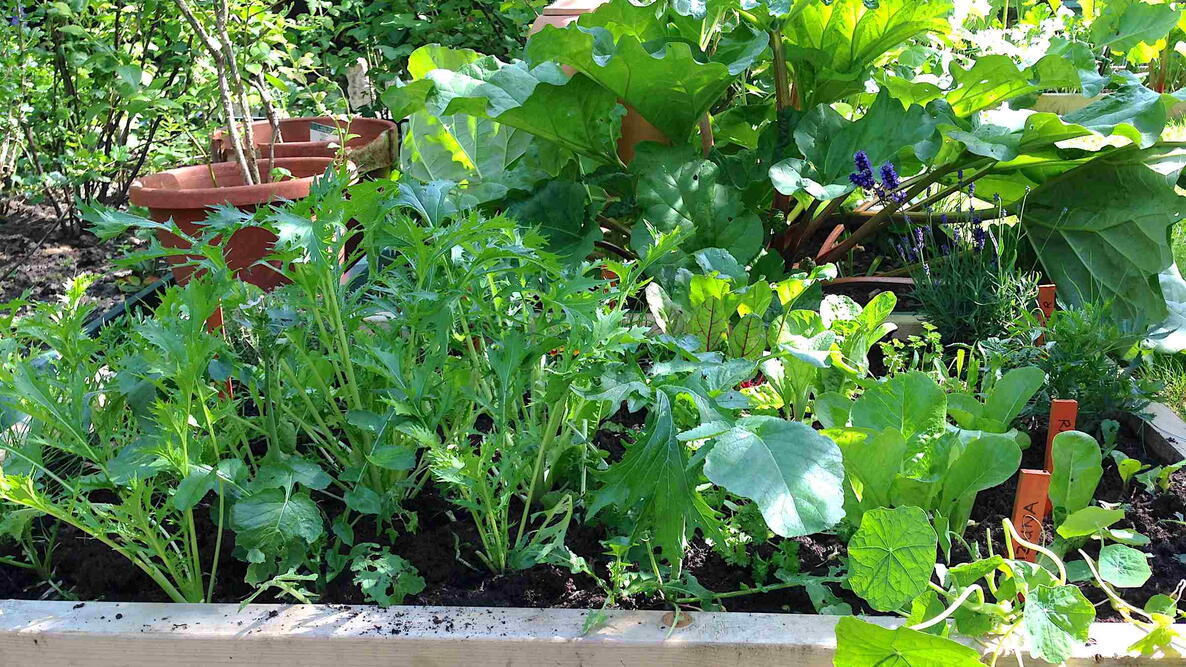

Short on sun? No problem! This Vegetable Shade Garden Plan layout is designed for areas that receive 3 to 6 hours of sunlight per day. By choosing crops that thrive in partial shade, you can grow abundant salad greens, herbs, root vegetables, and even fruit—without competing for the sunniest space in your yard. This plan proves that low-light gardens can still be productive, beautiful, and rewarding.
In This Article
Part of Our Garden Plan Collection
This layout is part of our Garden Plan Collection, a free library of tested garden designs created to help gardeners grow confidently—no matter their space, experience level, or sunlight conditions. Each plan focuses on simplicity, smart plant choices, and realistic success.
What’s Included in the Vegetable Shade Plan
- A partial-shade garden plan (7 x 10) and a list of shade-tolerant vegetables.
- Plant spacing and quantities tailored for steady harvests.
- Tips for using raised beds, containers, or in-ground planting.
- Real gardener experience growing food in shady conditions.
- Optional extras: Small salad garden bed (4 x 7).
| Feature | Details |
|---|---|
| Garden Type: | Partial Shade Vegetable (7 x 10) |
| Difficulty Level | Beginner |
| Hardiness Zones: | 4–8 |
| Sun Exposure: | Partial Shade (3–6 hours/day) |
| Seasonality: | Spring through Fall |
| Soil Type: | Rich, moisture-retentive, well-draining |
| Watering Needs: | Regular, especially for leafy greens |
| Special Features: | Shade-tolerant crops, salad-focused, container-friendly |
| Garden Size: | Approx. 7×10 ft (flexible) |
Vegetable Shade Garden Plan Layout
This garden plan shows how a partially shaded area can be transformed into a productive food garden.

When you consider your garden location, take into account the varying amounts of sunlight different vegetables need to grow well.
- Fruiting crops (tomatoes, peppers, cucumbers) need 6+ hours of sun (full sun)
- Root crops (carrots, beets) need 4–6+ hours (full to partial sun)
- Leafy greens & herbs (lettuce, spinach, kale, parsley, chives) need 3–6 hours (partial shade)
If you’re unsure what will grow, use the “Partial Shade Tolerant” filter in the Almanac Garden Planner to highlight crops that perform well with less sun. You may be surprised by how many options you have.
The Plant List
| Plant Name | Spacings | Quantity | Sow Indoors | Sow/Plant Outdoors |
|---|---|---|---|---|
| Arugula | Single: 6”, In-Row: 4”, 8” row gap | 4 | March → mid April | April → mid October |
| Beet | Single: 6”, In-Row: 4”, 8” row gap | 11 | — | May → mid June |
| Beet (Multi-sown) | Single: 10”, In-Row: 10”, 10” row gap | 3 | — | May → mid June |
| Lavender | Single: 1’ 4”, In-Row: 1’ 2”, 1’ 2” row gap | 1 | Mid March → mid May | May → June |
| Lettuce (Leaf) | Single: 4”, In-Row: 4”, 6” row gap | 12 | March → mid April | April → mid September |
| Mizuna | Single: 10”, In-Row: 8”, 1’ 0” row gap | 8 | — | Mid May → June |
| Nasturtium | Single: 1’ 0”, In-Row: 1’ 0”, 1’ 0” row gap | 1 | Mid April → mid May | Mid May → end of May |
| Parsley | Single: 6”, In-Row: 4”, 10” row gap | 6 | April → mid May | Mid May → end of June |
| Radish | Single: 4”, In-Row: 4”, 8” row gap | 14 | — | Mid April → mid October |
| Rhubarb | Single: 2’ 11”, In-Row: 2’ 11”, 2’ 11” row gap | 3 | — | April → mid May |
| Sorrel | Single: 1’ 0”, In-Row: 1’ 0”, 1’ 0” row gap | 2 | March → mid May | May → end of May |
See growing guides for every plant here: Almanac Vegetable Growing Guides.
Why This Design Works
This design focuses on crops that naturally tolerate lower light levels, especially leafy greens and herbs that benefit from cooler, shaded conditions during summer. Salad crops grown in partial shade often bolt more slowly, producing tender leaves for longer.
Small Salad Garden Bed
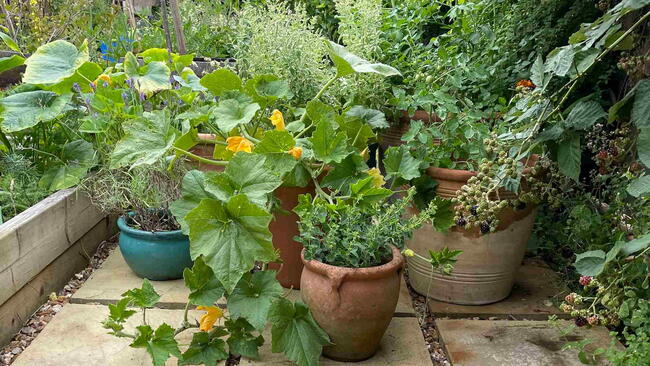
Grow a small bed of spinach and lettuce just outside your back door, where the greens can be harvested frequently as cut-and-come-again crops. Shaded containers also dry out more slowly, making them easier to manage in summer. Having greens growing just outside the back door meant we didn’t buy salad for weeks!


Tips for Growing Vegetables in Shade
- Most fruits and vegetables do need “full sun” (6-8 hours of direct sunlight every day) to grow optimally. So, make sure you’re choosing crops that can handle partial shade. See Partial Shade and Sun Definitions.
- If this is your first shade garden, focus on leafy greens and quickly-cropping crops (such as radishes)
- Some perennial vegetables and fruits will cope with partial shade too; globe artichokes, rhubarb, and perennial onions are all happy in a shady setting.
- Surprisingly, strawberries will grow reasonably well there, too, but may fruit later than usual. If you’d like to try fruit trees, consider currants, which grow well in partial shade.
- You don’t need raised beds to grow food in the shade. Pots and containers work just as well, especially for leafy greens.
Gardener Spotlight: Susie H’s Experience
There are those small areas in each garden or yard that do not receive the daily sunshine needed to grow much in them, or so it appears at first… . But I found that those little spots behind the shed, under the neighbors’ trees, and adjacent to the play equipment can be used, too!
Once I stopped fighting the shade and started planting for it, those awkward spaces turned out to be the most reliable for salad greens—especially in summer. The “Partial Shade Tolerant” choice on the Almanac Garden Planner made me realize that there’s more to grow than I thought!


FAQs for Vegetable Shade Garden Plans
Q: How much sun does a shade vegetable garden need?
A: Most shade-tolerant vegetables grow well with 3 to 6 hours of sunlight per day. Leafy greens and herbs are the most forgiving, while root crops can tolerate partial shade but grow slightly more slowly.
Q: Can I grow vegetables in full shade?
A: Very few vegetables thrive in full shade (less than 3 hours of sun). If an area receives only dappled or reflected light, focus on leafy greens and herbs and expect lighter yields.
Q: What vegetables grow best in partial shade?
A: Leafy greens such as lettuce, spinach, arugula, sorrel, and mizuna perform especially well. Herbs like parsley and chives, along with beets and radishes, are also reliable choices. See our article on the best 12 Shade-Tolerant Vegetables.
Q: Will vegetables grown in shade grow more slowly?
A: Yes—growth is often slower, but that’s not a bad thing. Many greens grown in partial shade are more tender and less likely to bolt during warm weather.
Q: Do I need raised beds for a shade garden?
A: No. Raised beds work well, but in-ground gardens and containers are equally effective for shade-tolerant crops. Pots are especially useful for placing plants where light is best.
Q: Can I grow fruit in partial shade?
A: Yes, some fruits. Currants, rhubarb, and strawberries tolerate partial shade and can still produce harvests, though fruiting may be slightly later or lighter than in full sun.
Q: How should I water a shade garden?
A: Shaded areas stay moist longer, so water consistently but avoid overwatering. Well-draining soil and mulch help maintain even moisture without soggy roots.
Q: Can I adjust the plant list?
A: Absolutely. Use this plan as a starting point and swap in other partial-shade-tolerant crops based on your climate, preferences, and available light.
Wit & Wisdom
“Shade doesn’t mean failure—it just means salad.”
Leafy greens grown in partial shade often stay tender longer and bolt less quickly in summer heat.
More Garden Layouts to Explore
If you’re looking to try a different approach, check out these alternative garden plans:
- Raised Bed Vegetable Plan - for gardeners who want a productive, low-maintenance kitchen-style garden.
- Square-Foot Garden - perfect for beginners who want a productive, compact raised bed garden with minimal fuss.
- Herb Garden - for flavor in the kitchen, fragrance in the home, and healing in daily life.
More References

Vegetable Garden Plans
Flower Garden Plans
More Like This

Comments