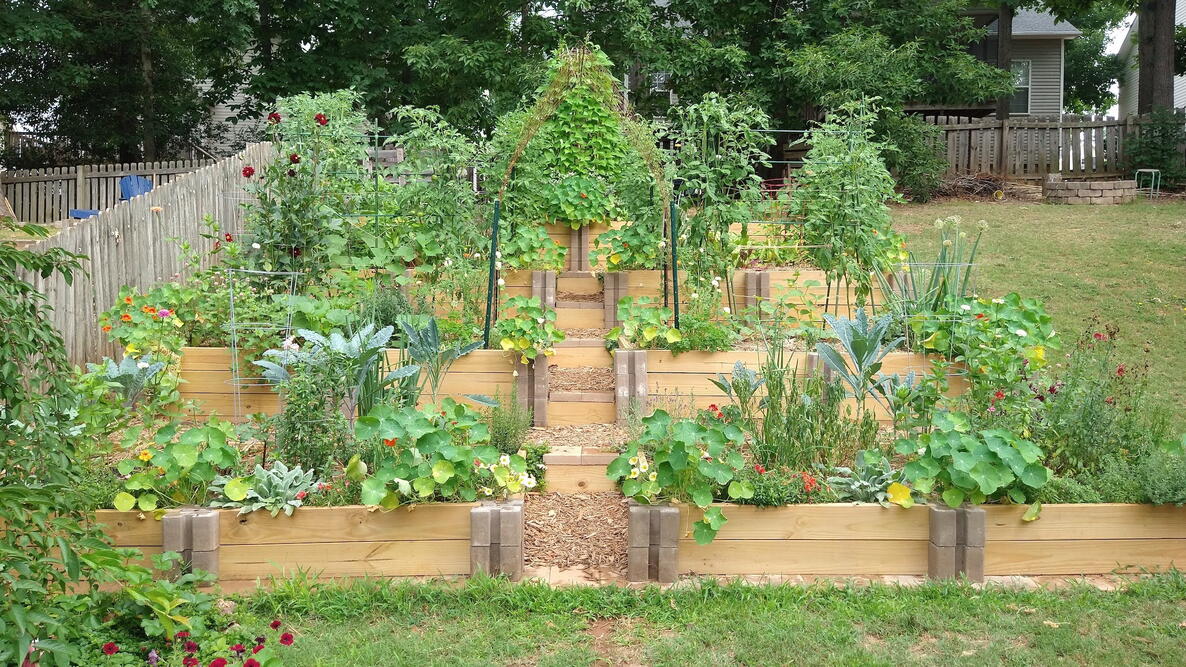

This raised bed vegetable garden layout is ideal for gardeners who want a productive, low-maintenance kitchen-style garden. Our design uses seven 4×8 beds plus two bonus beds in a 24×18-foot layout, making it perfect for first-time gardeners or anyone looking to expand their garden over time. Using no-dig techniques and companion planting, this plan maximizes growth with minimal effort.
In This Article
Part of Our Garden Plan Collection
This plan is part of our Garden Plan Collection, a free library of tested raised bed garden layouts designed to help gardeners grow confidently. Each plan simplifies gardening, minimizes guesswork, and ensures a successful harvest.
What’s Included in This Plan
- Complete layout for seven 4×8 beds plus two bonus beds
- Beginner-friendly plant list with spacing, sowing, and harvest guidance
- Step-by-step setup instructions for no-dig raised beds and soil prep
- Real gardener insights on intensive, mixed planting in clay soil
Quick Facts
| Feature | Details |
|---|---|
| Garden Type: | Kitchen/Vegetable Garden, 6 to 9 Raised Beds |
| Difficulty Level | Beginner to Intermediate |
| Hardiness Zones: | 4 to 9 |
| Sun Exposure: | Full Sun |
| Seasonality: | Spring through Fall |
| Soil Type: | Clay, heavily amended with compost; no-dig method |
| Watering Needs: | Regular, consistent moisture |
| Special Features: | Intensive, mixed planting; succession planting; companion flowers |
| Garden Size: | 9 beds, 24×18 ft total area (but also adaptable) |
| Fun Fact | You can start small with just a few beds and expand over time. |
Kitchen-Style Raised Bed Garden Layout
This kitchen vegetable garden plan is designed for 9 raised beds, but it is certainly adaptable if you wish to start with fewer beds. Each bed is intensively planted to make the most of your space. Using a no-dig method, you simply layer rich compost over your clay soil, avoiding heavy tilling while giving plants nutrient-rich, loose soil to thrive.
Beds are planned for intensive spacing, meaning some crops are closer together than standard recommendations. The plan also supports succession planting, so as soon as one crop is harvested, you can replace it with another to keep your beds productive all season.
This design works on flat or gently sloped yards, making it flexible for most backyard spaces. If you don’t have the full 24×18-foot area, you can expand over time.
Want to dive deeper? The Almanac Garden Planner lets you map out your beds, adjust spacing, and track succession planting with built-in reminders.

The Plant List
This plan includes a mix of vegetables with companion flowers scattered throughout. The spacing and quantity reflect intensive, no-dig planting, but can be adjusted if you are planting fewer beds. See growing guides for every plant here: Almanac Vegetable Growing Guides.
| Plant Name | Spacings | Quantity | Sow Indoors | Sow/Plant Outdoors | Harvest |
|---|---|---|---|---|---|
| Allium (Ornamental) | 1’ spacing | 4 | — | April | June–July |
| Amaranth (Ornamental) | 1’6” spacing | 2 | May | Mid May–Mid June | Mid July–Oct |
| Basil | 8” spacing | 6 | Mid Apr–May | Mid May–June | Mid June–Sept |
| Beans (Bush Snap) | 10” spacing | 14 | May | Mid May–June | July–Oct |
| Beans (Pole) | 10” spacing | 28 | May | Mid May–June | Mid July–Oct |
| Cantaloupe | ~3’ spacing | 1 | May | Mid May–June | Aug–Oct |
| Chili Pepper | ~1’ spacing | 4 | Mid Mar–May | Mid May–June | Mid June–Oct |
| Chives | 8” spacing | 14 | Feb–Apr | Mid Apr–June | May–Oct |
| Cucumber | ~2’ spacing | 4 | May | Mid May–June | Mid July–Oct |
| Dahlia | ~2’ spacing | 6 | — | May | July–Oct |
| Dill | 8” spacing | 2 | May | Mid May–June | Mid June–Oct |
| Edamame | 10” spacing | 22 | — | June | Aug–Oct |
| Eggplant | ~1’4” spacing | 3 | Mar–Apr | Mid May–June | Mid May–Oct |
| Gomphrena | 8” spacing | 7 | Mid Mar–May | Mid May–June | June–Oct |
| Herb (Mixed) | 8” spacing | 2 | Mid Mar–Apr | Mid Apr–June | July–Sept |
| Kale | ~1’4” spacing | 11 | Mid Mar–Apr | Apr–May | Mid June–Mar |
| Lavender | ~1’4” spacing | 1 | Mid Mar–May | May–June | Mid Apr–Oct |
| Leek | 8” spacing | 16 | Feb–Apr | Mid Apr–May | Sept–Mar |
| Lettuce (Leaf) | 4” spacing | 34 | Mar–Apr | Apr–Sept | Mid May–Nov |
| Lovage | ~2’ spacing | 1 | Mar–May | May–June | Mid May–Oct |
| Marigold | 8” spacing | 14 | Mid Mar–May | Mid May–June | July–Oct |
| Monarda | 1’ spacing | 1 | Mar–May | May–June | May–Oct |
| Nasturtium | 1’ spacing | 15 | Mid Apr–May | Mid May | Mid July–Oct |
| Okra | ~1’6” spacing | 15 | Apr–May | Mid May–June | June–Oct |
| Oregano | 8” spacing | 1 | Apr–May | Mid May–June | Mid May–Oct |
| Pepper | ~1’2” spacing | 6 | Mid Mar–May | Mid May–June | June–Oct |
| Petunia | ~1’ spacing | 2 | Mid Mar–May | Mid May–June | June–Oct |
| Raspberry | ~2’ spacing | 2 | — | Apr–May | Mid June–Oct |
| Rosemary | 8” spacing | 1 | — | Mid May–June | July–Feb |
| Sage | 1’ spacing | 4 | Mid Mar–May | Mid May–June | Mid May–Oct |
| Snapdragon | 1’ spacing | 23 | Mar–Apr | Apr–May | June–Sept |
| Sorrel | 1’ spacing | 2 | Mar–May | May | Mid Apr–Oct |
| Squash (Summer) | ~2’ spacing | 3 | May | Mid May–June | July–Oct |
| Squash (Winter) | ~3’ spacing | 2 | May | Mid May–June | Aug–Oct |
| Swiss Chard | ~1’2” spacing | 2 | April | Mid Apr–Aug | Mid June–Feb |
| Tomato (Large) | ~1’8” spacing | 7 | Mid Mar–May | Mid May–June | June–Oct |
| Tomato (Small) | ~1’8” spacing | 5 | Mid Mar–May | Mid May–June | June–Oct |
| Zinnia | 1’ spacing | 16 | Mid Mar–May | Mid May–June | July–Oct |
| Zucchini | ~2’ spacing | 3 | May | Mid May–June | July–Oct |
How to Create Your Garden
Use the Almanac Garden Planner to recreate or customize this design.
- Bed Construction & No-Dig Prep: Build raised beds (any height works, 12–18” is ideal). Spread a thick layer of compost or well-rotted organic matter over your clay soil. No turning or digging is required.
- Intensive Planting & Companion Flowers: In this plan, crops are planted slightly closer together than standard recommendations. Include flowers like marigolds and zinnias to attract pollinators and deter pests.
- Succession Planting: Each bed can have multiple planting cycles. As one crop finishes, refresh the surface with compost and plant the next. Quick growers like lettuce, radishes, and herbs work well between slower crops like tomatoes and squash.
- Watering & Maintenance: Use soaker hoses, drip irrigation, or a watering can. Mulch heavily to conserve moisture, suppress weeds, and maintain soil health.
- Harvesting: Pick crops as they mature. Frequent harvesting encourages further production and keeps beds tidy.
Learn more about raised bed gardening.
Why This Design Works
This raised bed vegetable garden emphasizes healthy soil, companion planting, and smart timing. By following this plan, you can grow a bountiful harvest with minimal stress, enjoy a diverse mix of crops, and gain confidence in your gardening skills.
Gardener Spotlight: Sonya’s Experience
“Oh my goodness, I love the Garden Planner. It has been so useful (and fun!). For it being this garden’s first year, I’ve been delighted with how well it did, and I surely learned a lot, too, when things didn’t work. I planned the garden layout over the winter; then, I would adjust the plan and add notes in the Journal as the season progressed. It works so well, and I’ve recommended it to others. I especially love being able to set the months for succession planting through the seasons and that there are links to plant information and editable notes. I also like being able to label specific varieties.”
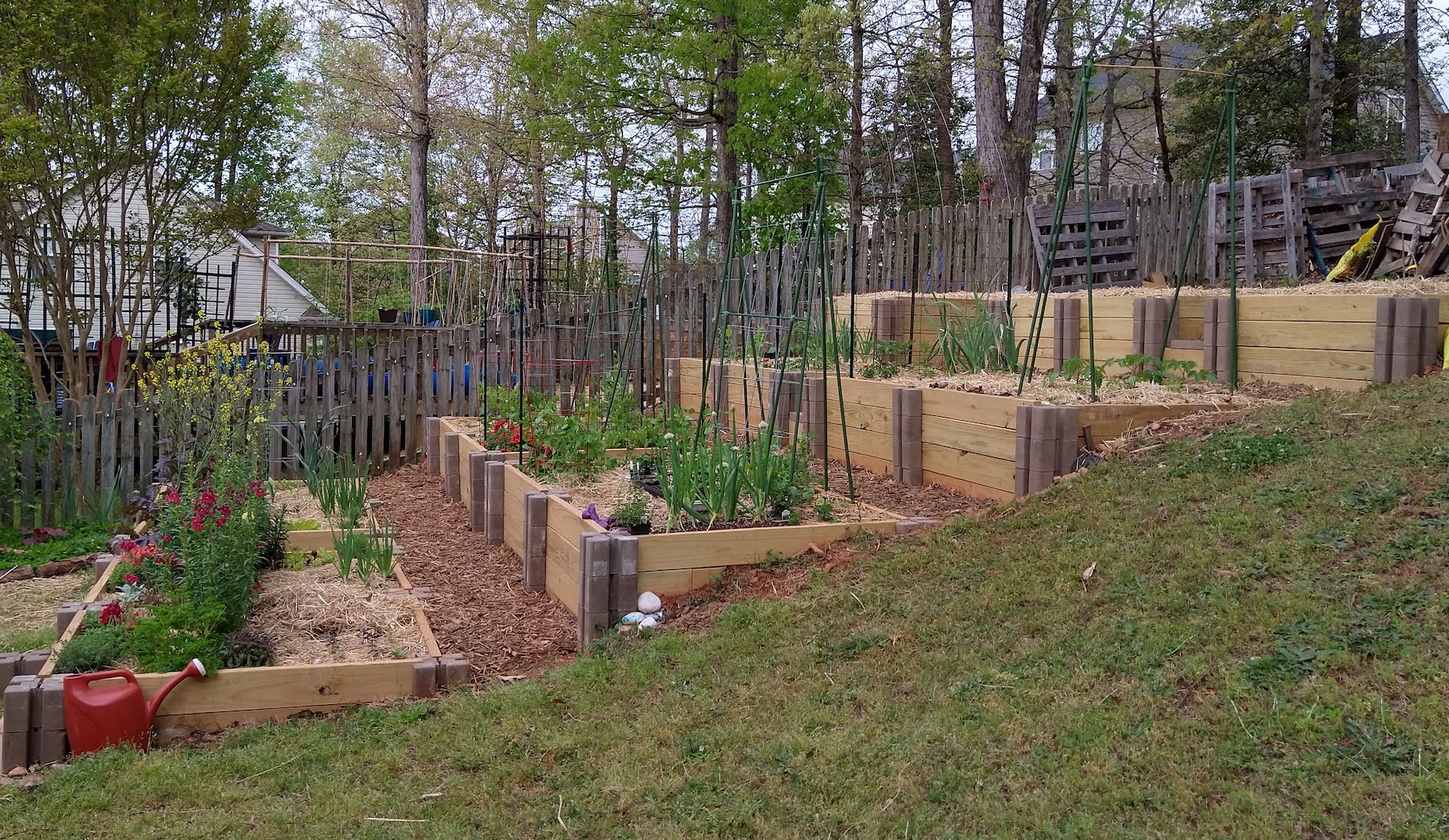
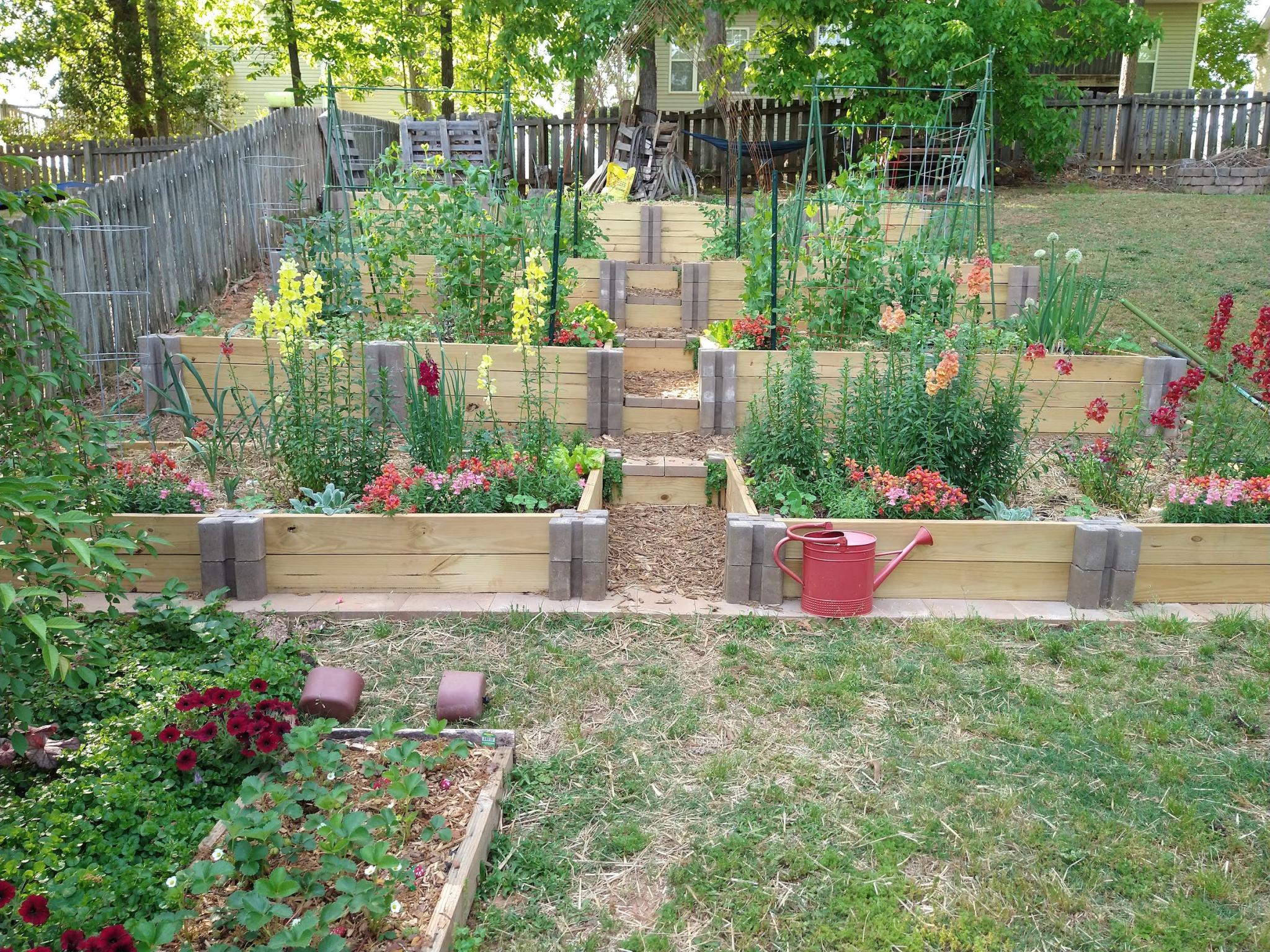
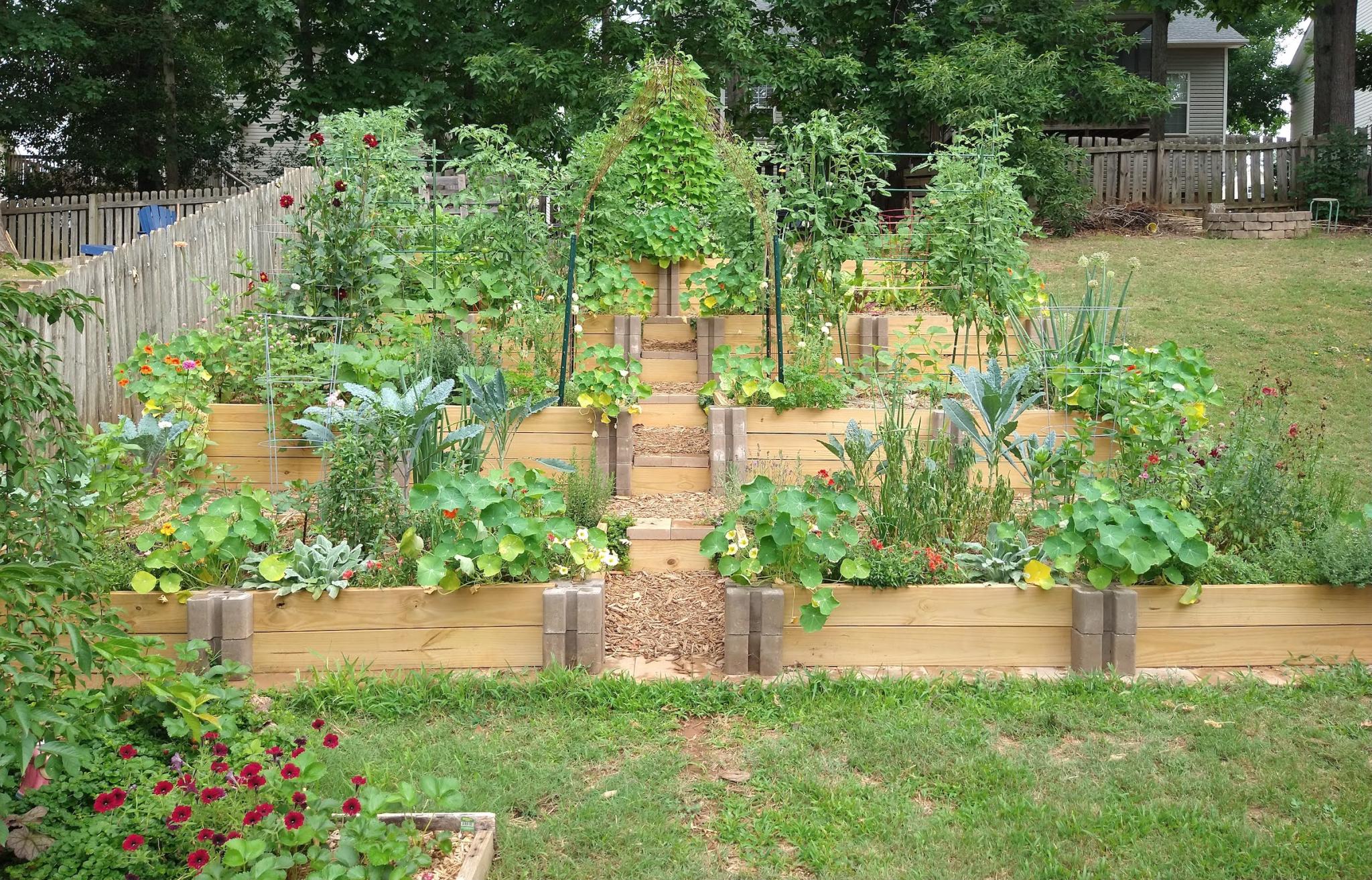
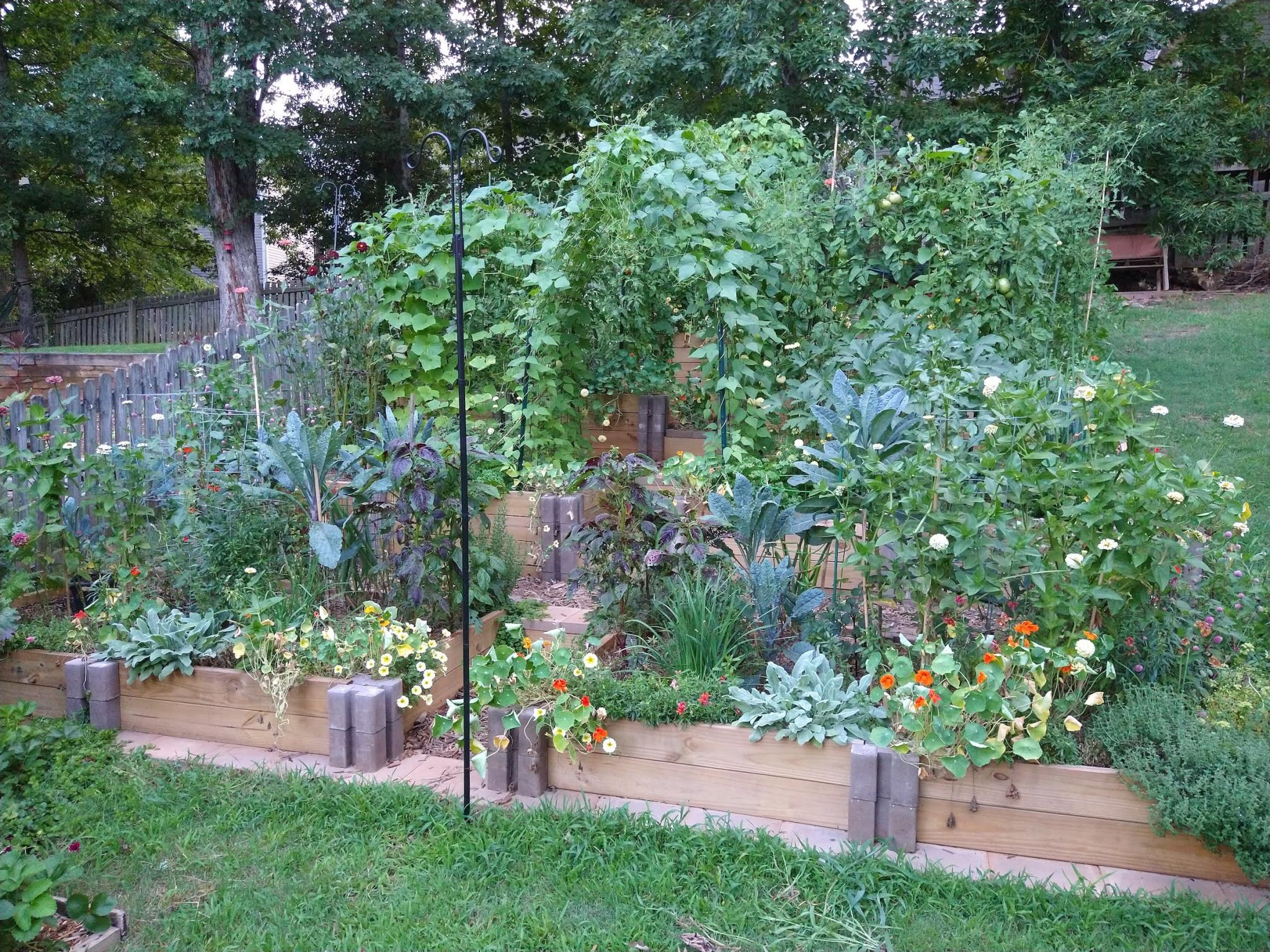
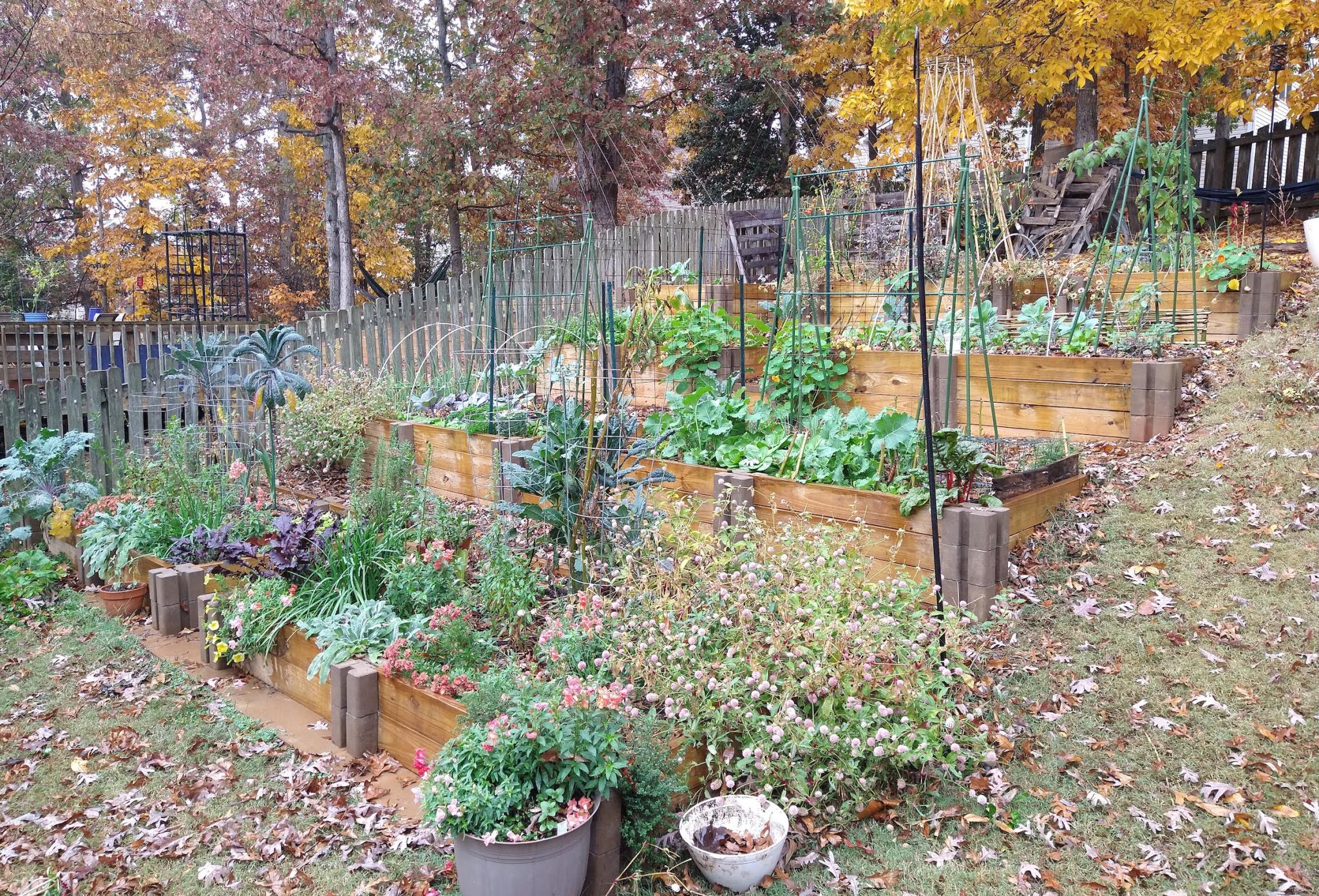
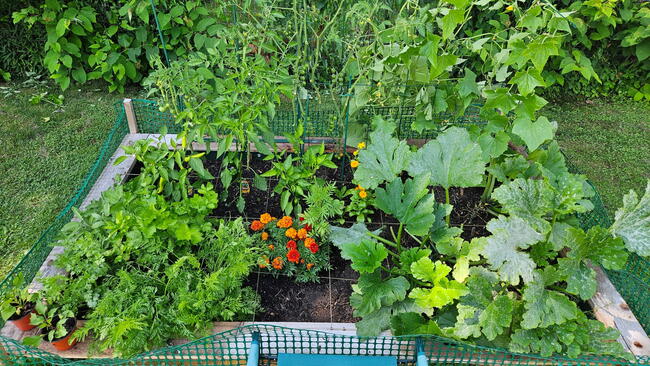
This gardener started on a grassy slope, building temporary hay-bale terraces with heavy compost mulch before creating permanent raised beds. With intensive, no-dig planting, mixed vegetables, and companion flowers, she was able to turn a previously unused lawn into a productive, beautiful kitchen garden.
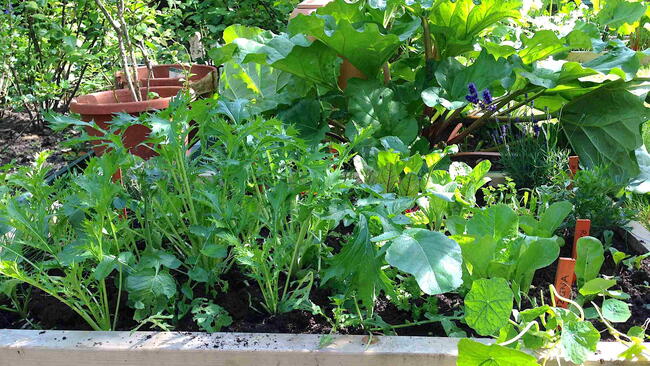
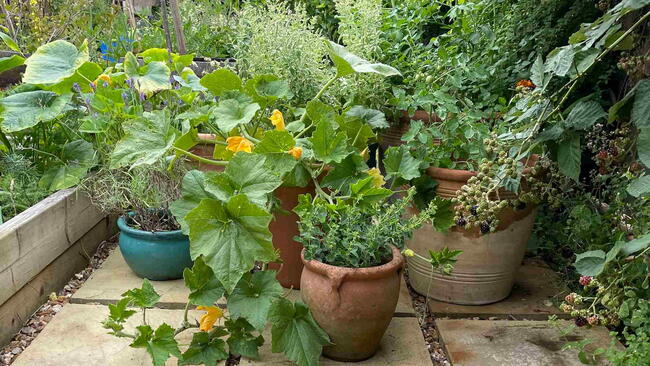
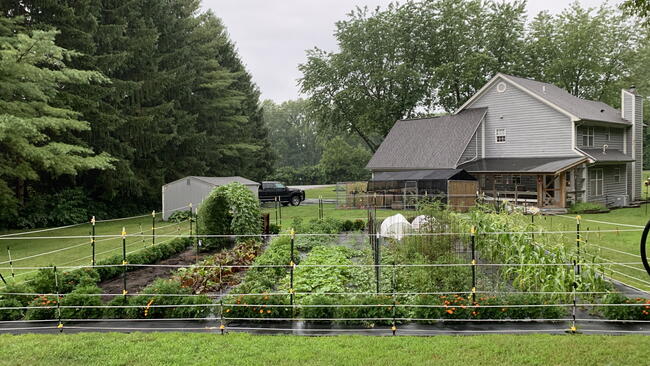
My pictures are from April (when I had just finished building the garden), May, June, July (almost overgrown), and November (kale, asian greens, and cabbage are in!).
FAQs for Raised Bed Plan
Q: Can I use fewer beds than 6–9?
A: Absolutely. The plan is scalable—start small and expand as you gain experience. Just adjust plant quantities accordingly.
Q: Do I need a slope or terraces?
A: No. This plan works on flat or gently sloped yards. Terraces can help with drainage, but they aren’t required. What matters is well-prepared soil, thoughtful planning, and consistent care.
Q: Can I skip the flowers?
A: Yes. However, companion flowers aren’t just pretty—they are tiny ecosystem helpers, bringing pollinators and beneficial insects that protect your vegetables.
Q: How often should I water?
A: Keep soil consistently moist. No-dig beds retain water well, especially when mulched. Drip irrigation or soaker hoses work best.
Q: Do I have to follow exact spacing?
A: Not rigidly. Spacings are designed for intensive planting, but you can adjust based on your space, crop rotation, and succession planting plans.
More References
Wit & Wisdom
A raised bed is just a box of possibilities—plant boldly, nourish deeply, and watch it surprise you!
No-dig doesn’t mean no work—it means smarter work. Layering compost and mulch feeds your soil naturally, keeps weeds down, and lets you focus on planting and harvesting.
Don’t stress about perfection. Kitchen gardens are living experiments—plant, observe, adjust, and enjoy the process. Every harvest is a lesson in success.
“To plant a garden is to believe in tomorrow.” — Audrey Hepburn
More Garden Plans to Explore
Looking for something a little smaller or simpler?
- Vegetable Garden - 4×8 raised bed vegetable garden plan is ideal for beginners.
- Square-Foot Garden - perfect for beginners who want a productive, compact raised bed garden with minimal fuss.
- Vegetable Container Garden - grow a productive, flexible garden almost anywhere using pots and containers.
- Herb Garden Plan - for flavor in the kitchen, fragrance in the home, and healing in daily life.

Vegetable Garden Plans
Flower Garden Plans
More Like This

Comments