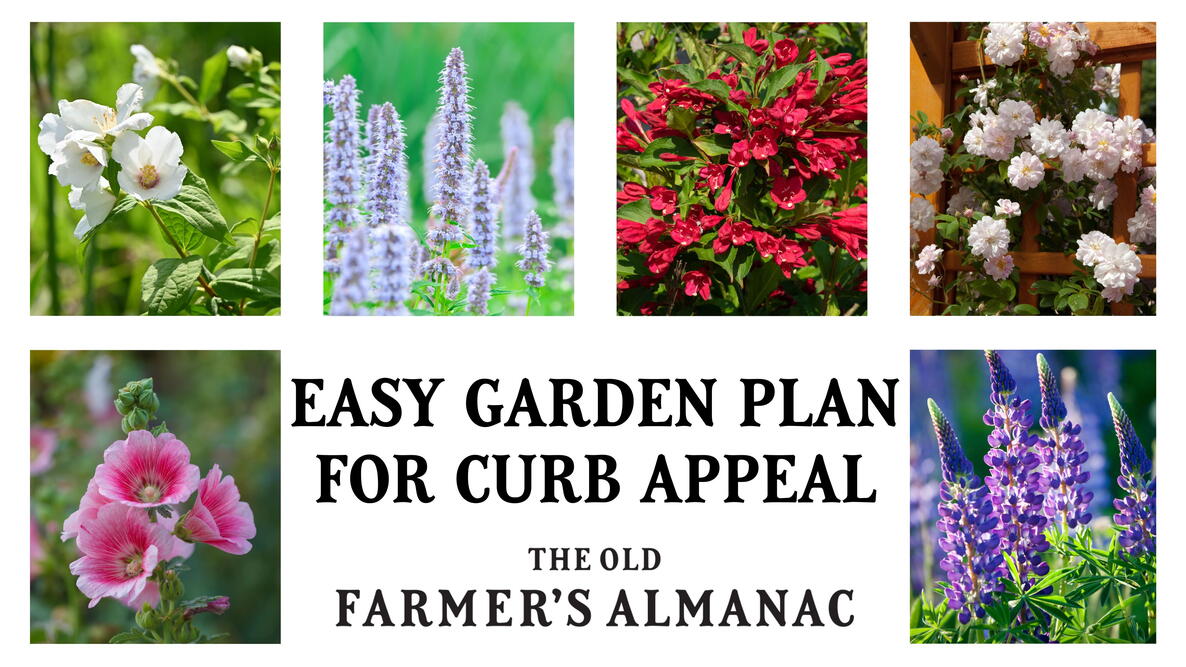

This Front Yard Flower Garden Plan is designed to bring instant charm—and long-term curb appeal—to smaller landscapes. This design features a 3‑foot‑deep border along the house, blending flowering shrubs, hardy, reliable perennials, and cheerful bulbs for season‑long color. With a path leading to your door and shrubs near the curb to frame the view, this design creates a layered look that’s simple to plant, easy to maintain, and guaranteed to boost curb appeal from spring through fall.
Part of Our Garden Plan Collection
This plan is part of our Garden Plan Layout Library, featuring tested layouts for vegetables, flowers, and mixed gardens. Each plan guides you on what to plant, when, and how—so you can grow with confidence and enjoy a steady supply of blooms for cutting or decorative purposes.
What This Plan Delivers
- A professionally designed front yard layout with shrubs and perennials arranged for layered height.
- A plant palette focused on reliability, pollinators, fragrance, and color for all four seasons.
- A complete plant list with suggested alternatives and tips for pruning and seasonal care.
- Step-by-step instructions for creating and maintaining the garden
| Feature | Details |
|---|---|
| Garden Type: | Front Yard Flower Garden |
| Difficulty Level | Beginner |
| Hardiness Zones: | 4–8 |
| Sun Exposure: | Full Sun to Part Sun |
| Seasonality: | Late Winter through Early Fall |
| Soil Type: | Rich, well-draining raised bed mix |
| Maintainance Needs: | Low to moderate (simple pruning + annual compost top-dressing) |
| Special Features: | Best for foundation borders, curb appeal upgrades |
| Garden Size: | ~18’ wide × 12’ deep |
The Front Yard Flower Garden Plan
This plan combines flowering shrubs (your structural anchors) and mid-layer perennials. We recommend adding early bulbs to the front of the bed (e.g., crocus adds late winter color before shrubs leaf out).

The Plant List
| Layer / Type | Plant | # of Plants | Notes |
|---|---|---|---|
| Flowering Shrubs (Backbone Layer) | Hydrangea | 4 | Late-season blooms; panicle types for longest display |
| Mock Orange | 1 | Fragrant white spring flowers | |
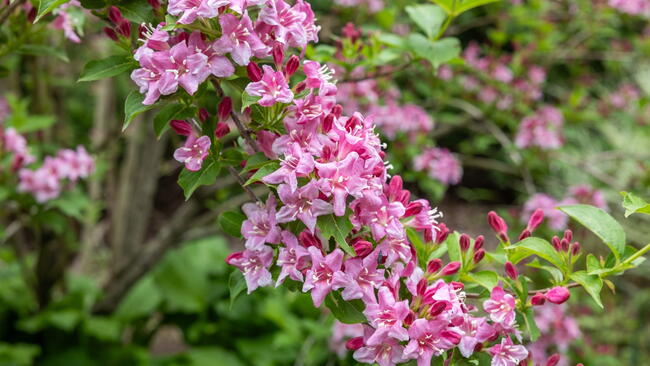
| Weigela | 1 | Long-blooming; great for pollinators | |
| Ceanothus | 1 | Beautiful blue flowers; evergreen structure | |
| Climbing Rose | 1 | Adds height and romance on one corner | |
| Perennials & Pollinator Favorites | Lavender | 6 | Fragrant, long-blooming; softens hard edges |
| Agastache | 3 | Loved by bees; blooms for months | |
| Fuchsia | 1 | Choose fall-blooming varieties for late color | |
| Lupine | 6 | Adds dramatic spires in early summer | |
| Hollyhock | 7 | Cottage-garden height and charm | |
| Delphinium | 5 | Tall spires; stake for best results | |
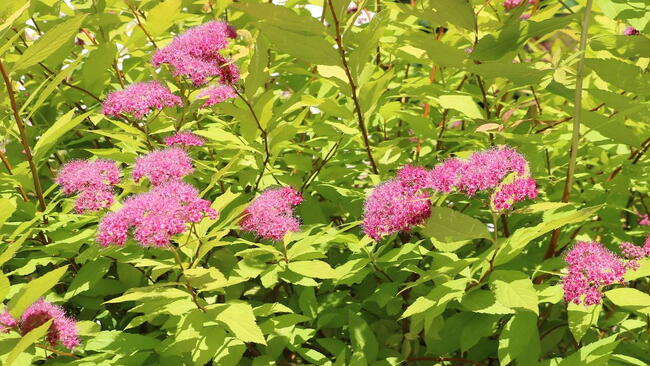
| Deutzia | 1 | Spring-flowering shrub | |
| Camassia | 8 | Bulb; spring blooms, pollinator-friendly |
See guides to all plants listed above here: Almanac Flower Growing Guides.

How to Create Your Front Yard
1. Prepare the Bed
Clear weeds and amend the soil with compost if needed. Because this garden relies on shrubs and perennials, good soil structure will pay off for years.
2. Plant Your Shrubby Backdrop
- Start with the largest plants first: climbing rose, mock orange, ceanothus, weigela, and hydrangeas.
- Space for mature size—avoid crowding.
- Frame corners with the rose and mock orange.
- Place hydrangeas toward the front edge for a welcoming, cottage-style look.
3. Add Mid-Layer Perennials
- Tuck lavender, agastache, lupine, and others among the shrubs to create a flowing, blended border.
- Lavender softens straight lines.
- Agastache attracts bees and adds long-lasting color.
- Hollyhocks or delphiniums create height and movement.
4. Plant Early Bulbs
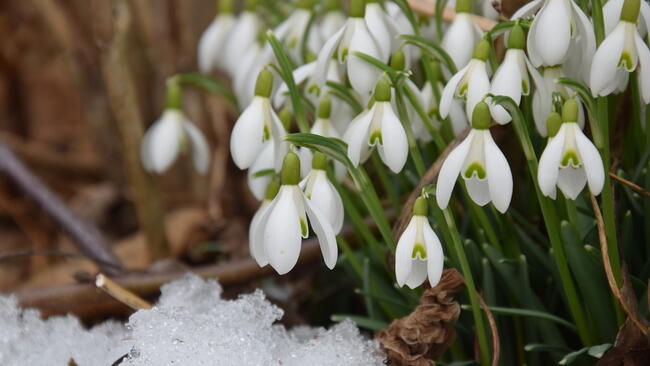
Add crocus at the bed’s front edge for a pop of late-winter brightness before anything else wakes up.
5. Mulch & Water In
Mulch to conserve moisture and suppress weeds. Water new plantings deeply for the first season.
6. Seasonal Care
- Lavender: Trim by one-third in fall (never cut into woody centers). Trim ageing flowers.
- Delphinium/Hollyhock: Stake early and watch for slugs in spring.
- Hydrangea: Do not remove old flower heads until after frost danger passes—they protect new buds.
- Annual Compost: Add 1–2 inches of compost at season’s end to refresh nutrients.
Gardener Spotlight: Susie’s Experience
The backbone of my garden plan is the shrubby backdrop. I wasn’t interested in overpruned and shaped shrubs, but in beautiful flowering perennial plants that would delight the eye. (Most are spring-flowering, but if you choose a fall-flowering Fuchsia, and some of the later-flowering hydrangeas, you should be able to have something pleasant to look at throughout the season.)
They are mixed with low-maintenance perennial flowers, which I chose to add color and also feed the native pollinators through the season. Finally, a few bulbs are planted at the front of the border to soften the look for spring before the leaves have come out!

Frequently Asked Questions
Q. Do I need full sun for this plan?
A. Full sun is ideal, but many of these plants tolerate part sun, especially hydrangeas and mock orange.
Q. Is this garden low-maintenance?
A. Yes. Beyond light pruning and staking tall flowers, care is minimal. Compost in fall and trim lavender yearly.
Q. Can I swap in other plants?
A. Absolutely—substitute in any hardy, flowering shrubs or perennials that match your region’s climate and sun levels.
Q. Will this attract pollinators?
A. Lavender, agastache, lupine, and echinacea are pollinator magnets, so you’ll see bees and butterflies.
More References
Landscape Advice for Beginners
Free Gardening Tools and Calculators
Wit & Wisdom
“Small gardens can make a big difference.” — Doug Tallamy, entomologist, ecologist.
Think in Layers — Height Creates Depth. Low to tall planting adds beauty, structure, and more blooms in less space.
Pick Plants That Bloom in Succession. A steady rhythm of blooms keeps pollinators fed and your front yard colorful from spring through fall.
“The earth laughs in flowers.”
— Ralph Waldo Emerson (1803–1882)
Other Plans to Explore
Looking for more front yard or perennial garden plans? Try these plots:
- Perennial Flower Garden Plan - this garden delivers reliable color, texture, and structure throughout the growing season.
- Foliage Garden Plan - for shady or partly shaded spots where blooms can be unreliable.
- Pollinator Garden Plan - native flowers that are easy for pollinators to access.
- Three-Season Garden Design - dependable plants, rich foliage, and overlapping bloom times.

Vegetable Garden Plans
Flower Garden Plans
More Like This

Comments