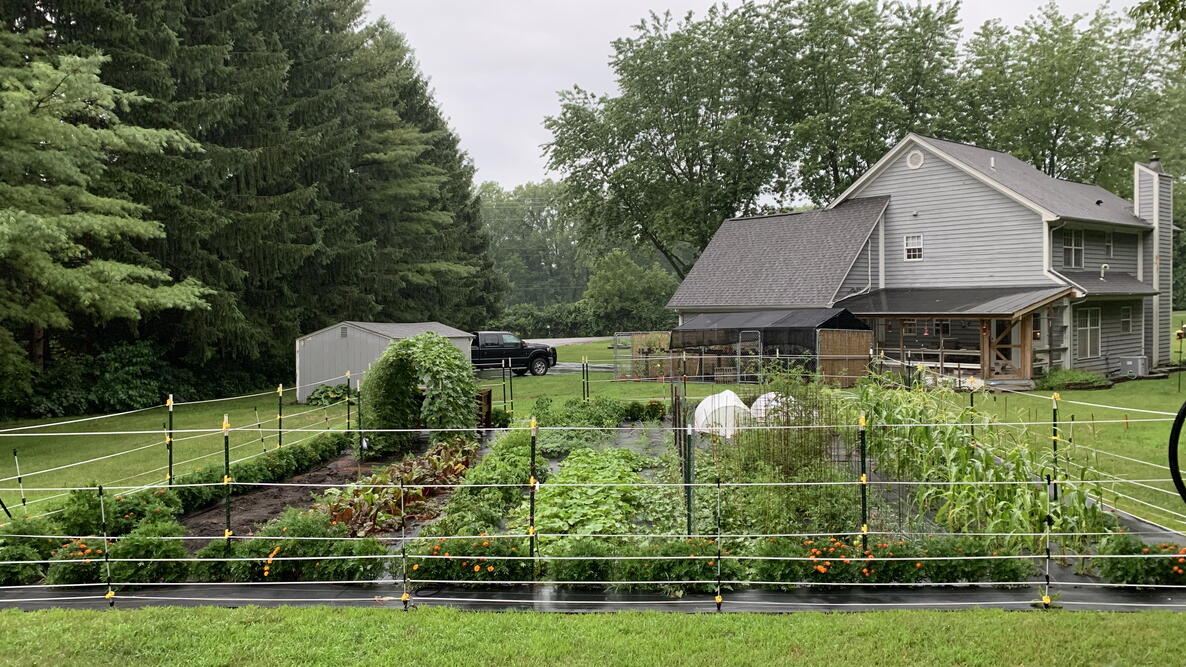
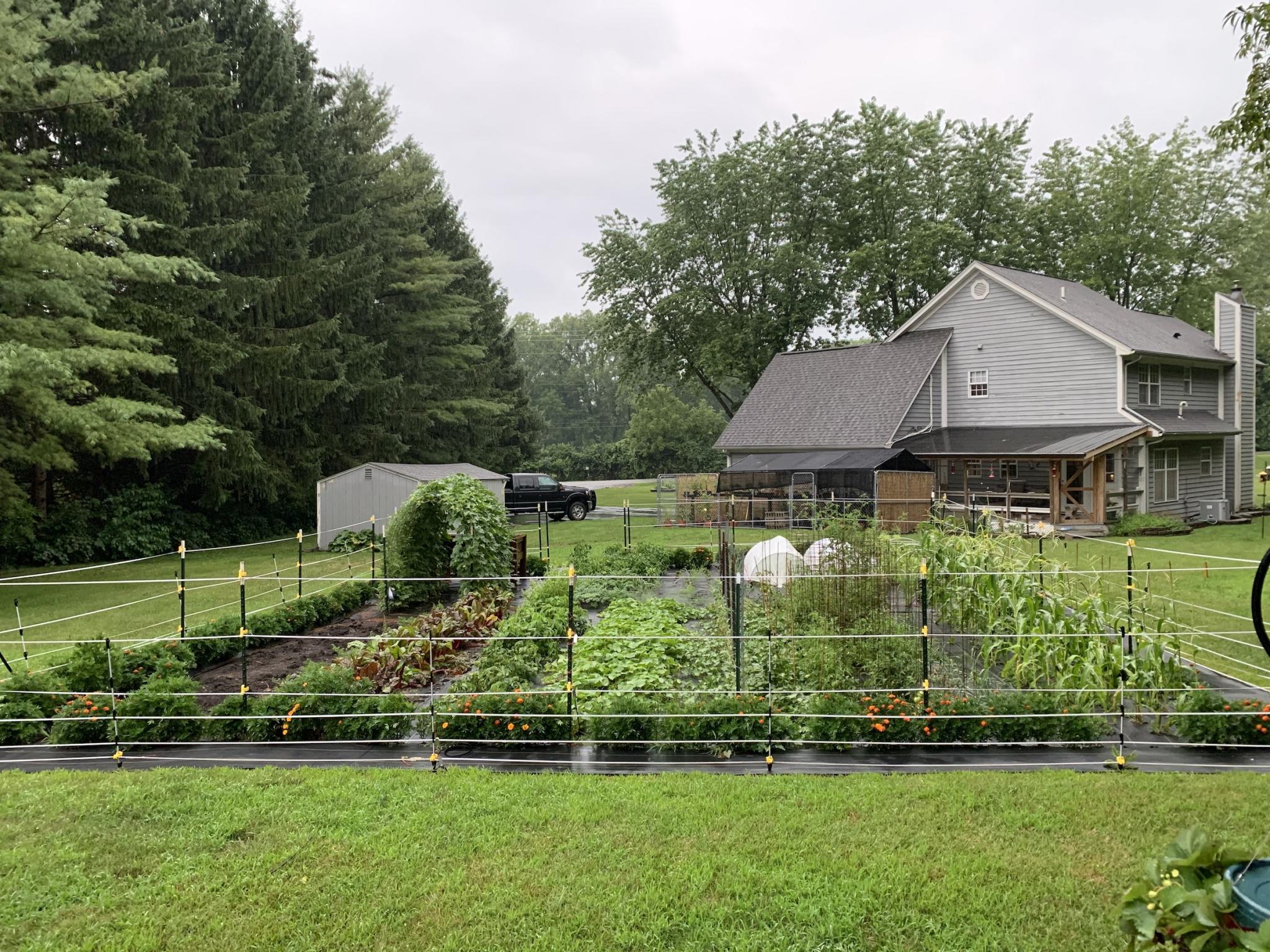
A traditional, productive row vegetable garden with wide walkways and companion planting.

The Row Vegetable Garden Layout Plot (34×40 ft) is perfect for intermediate-level gardeners who want a classic, productive garden. With wide walkways, organized rows, and companion planting, this layout makes planting, watering, and harvesting straightforward. It’s ideal for producing enough vegetables for fresh meals, preserving, cooking, and sharing with friends and family.
In This Article
Part of Our Garden Plan Collection
This plan is part of our Garden Plan Collection, a free library of tested garden layouts designed to help gardeners plan efficiently, reduce guesswork, and achieve a successful harvest.
What’s Included
- Complete 34×40 ft garden layout
- Plant list with spacing, sowing, and harvest guidance
- Step-by-step setup instructions for soil, walkways, and maintenance
- Real gardener insights using this exact method
| Feature | Details |
|---|---|
| Garden Type: | Traditional Row Vegetable Garden |
| Difficulty Level | Intermediate |
| Hardiness Zones: | 4–8 |
| Sun Exposure: | Full Sun |
| Seasonality: | Spring through Fall |
| Soil Type: | Rich, well-draining garden soil |
| Watering Needs: | Regular, consistent moisture |
| Special Features: | Companion planting, walkways, weed barrier |
| Garden Size: | 34×40 feet |
| Fun Fact | This size is ideal for gardeners who enjoy cooking, preserving, or sharing their harvest. |
Row Vegetable Garden Layout (34×40 ft)
This garden plan features long, straight rows with wide walkways. This layout is popular because it’s:
- Easy to plant — rows keep things organized
- Easy to water — drip lines or soaker hoses fit naturally down each row
- Easy to harvest — walkways prevent trampling of soil
- Intermediate level— ideal for large but manageable production
A weed barrier covers the garden to reduce maintenance and weeds. It can be rolled up and stored each fall for reuse.

Using a tool like the Almanac Garden Planner will help with spacing, so crops are not planted too close together—one of the most common gardening challenges.
The Plant List
| Plant Name | Spacings | Quantity | Sow Indoors | Sow/Plant Outdoors | Harvest |
|---|---|---|---|---|---|
| Asparagus (Jersey Knight, Purple Passion) | Single: 1’ 6”, In-Row: 1’ 6”, 1’ 6” row gap | 8 | February → end of March | April → mid May | May → mid August |
| Basil | Single: 8”, In-Row: 6”, 10” row gap | 2 | Mid April → end of May | Mid May → end of June | Mid June → end of September |
| Beans, Bush Snap (Big Kahuna) | Single: 10”, In-Row: 6”, 1’ 2” row gap | 40 | May → mid May | Mid May → mid June | July → mid October |
| Beet | Single: 6”, In-Row: 4”, 8” row gap | 68 | April → end of June | July → end of November | |
| Bok Choy | Single: 8”, In-Row: 8”, 10” row gap | 13 | Mid February → mid March | March → mid August | Mid April → end of December |
| Cabbage, Summer Red (Ruby Perfection) | Single: 1’ 8”, In-Row: 1’ 6”, 1’ 10” row gap | 6 | March → mid April | April → end of May | Mid June → mid October |
| Cantaloupe | Single: 2’ 11”, In-Row: 2’ 11”, 2’ 11” row gap | 8 | May → mid May | Mid May → end of June | August → mid October |
| Carrot | Single: 4”, In-Row: 4”, 6” row gap | 68 | Mid March → end of June | July → mid January | |
| Chili Pepper | Single: 1’ 2”, In-Row: 1’ 0”, 1’ 4” row gap | 25 | Mid March → mid May | Mid May → end of June | Mid June → mid October |
| Cilantro | Single: 8”, In-Row: 6”, 10” row gap | 2 | |||
| Corn | Single: 1’ 2”, In-Row: 1’ 0”, 1’ 6” row gap | 51 | May → mid May | Mid May → mid June | August → mid October |
| Cucumber (Bush Pickle) | Single: 2’ 0”, In-Row: 2’ 0”, 2’ 0” row gap | 24 | May → mid May | Mid May → mid June | Mid July → mid October |
| Dill | Single: 8”, In-Row: 6”, 10” row gap | 1 | May → mid May | Mid May → end of June | Mid June → mid October |
| Garlic | Single: 6”, In-Row: 4”, 10” row gap | 1 | November → mid January | July → mid October | |
| Kale | Single: 1’ 4”, In-Row: 1’ 2”, 1’ 2” row gap | 16 | Mid March → mid April | April → end of May | Mid June → end of March |
| Lemongrass | Single: 2’ 4”, In-Row: 2’ 0”, 2’ 11” row gap | 3 | Mid May → end of June | July → end of October | |
| Lettuce (Crisphead) | Single: 10”, In-Row: 8”, 1’ 0” row gap | 18 | Mid February → mid March | March → mid September | June → mid November |
| Lettuce (Buttercrunch) | Single: 10”, In-Row: 8”, 1’ 0” row gap | 10 | March → mid April | April → end of August | June → mid November |
| Lettuce (Igloo) | Single: 10”, In-Row: 8”, 1’ 0” row gap | 42 | Mid February → mid March | March → mid September | May → end of December |
| Lettuce (Leaf) | Single: 4”, In-Row: 4”, 6” row gap | 80 | Mid February → mid March | March → mid September | Mid April → end of December |
| Marigold | Single: 8”, In-Row: 8”, 8” row gap | 209 | Mid March → mid May | Mid May → end of June | July → mid October |
| Onion | Single: 6”, In-Row: 4”, 8” row gap | 119 | February → mid April | April → mid June | Mid May → mid October |
| Peas | Single: 4”, In-Row: 4”, 8” row gap | 66 | Mid March → mid April | April → end of June | June → mid October |
| Potatoes, Maincrop (Yukon Gold) | Single: 1’ 6”, In-Row: 1’ 2”, 2’ 6” row gap | 30 | Mid April → end of June | August → end of October | |
| Spinach | Single: 8”, In-Row: 6”, 1’ 0” row gap | 28 | March → mid October | May → mid January | |
| Strawberry (Ozark Beauty) | Single: 1’ 8”, In-Row: 1’ 6”, 2’ 0” row gap | 6 | Mid April → mid May | June → mid August | |
| Sweet Potato | Single: 1’ 6”, In-Row: 1’ 6”, 2’ 0” row gap | 7 | June → end of June | Mid September → mid October | |
| Swiss Chard | Single: 1’ 2”, In-Row: 1’ 0”, 1’ 4” row gap | 40 | April → end of April | Mid April → mid August | Mid June → end of February |
| Tomato, Large (Beefsteak, Cherokee Purple, Martian Giant Slicer, Wisconsin 55) | Single: 1’ 8”, In-Row: 1’ 6”, 2’ 0” row gap | 20 | Mid March → mid May | Mid May → end of June | June → mid October |
| Tomato, Small (Cherry Baby) | Single: 1’ 8”, In-Row: 1’ 6”, 2’ 0” row gap | 4 | Mid March → mid May | Mid May → end of June | June → mid October |
| Watermelon (Sugar Baby) | Single: 2’ 11”, In-Row: 2’ 11”, 2’ 11” row gap | 8 | May → mid May | Mid May → end of June | August → mid October |
See our library of growing guides for every plant here: Almanac Vegetable Growing Guides.
How to Create Your Garden
- Prepare the Soil
Add compost or aged manure. Rows should be loose and well-draining to support strong root growth. - Plant with the Seasons
- Cool-season crops (like carrots, beets, and lettuces) go in first.
- Warm-season crops (like tomatoes, cucumbers, peppers) follow after the last frost.
- Use Companion Planting
Pair crops that support each other—marigolds reduce pests, basil attracts pollinators, and beans enrich the soil. - Install a Weed Barrier
Lay the barrier over the garden, cut planting holes, and enjoy a mostly weed-free season. Roll and label sheets in fall for future use. - Water Efficiently
A drip line or soaker hose down each row provides steady moisture without waste. - Harvest as You Go
This layout provides enough produce for fresh eating and preserving—perfect for canning tomatoes, pickling cucumbers, or storing root crops.
Gardener Spotlight: Kenny’s Experience
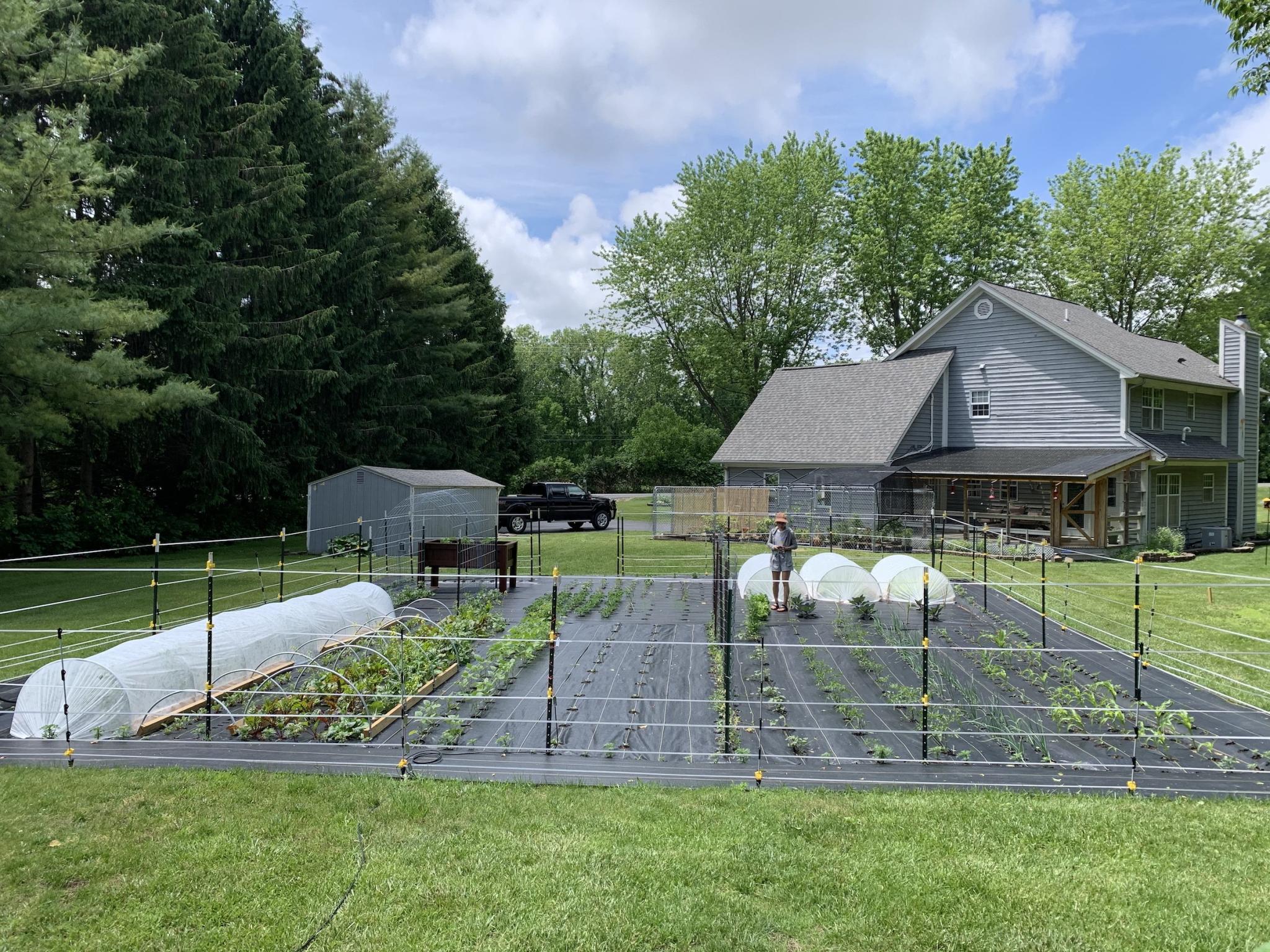
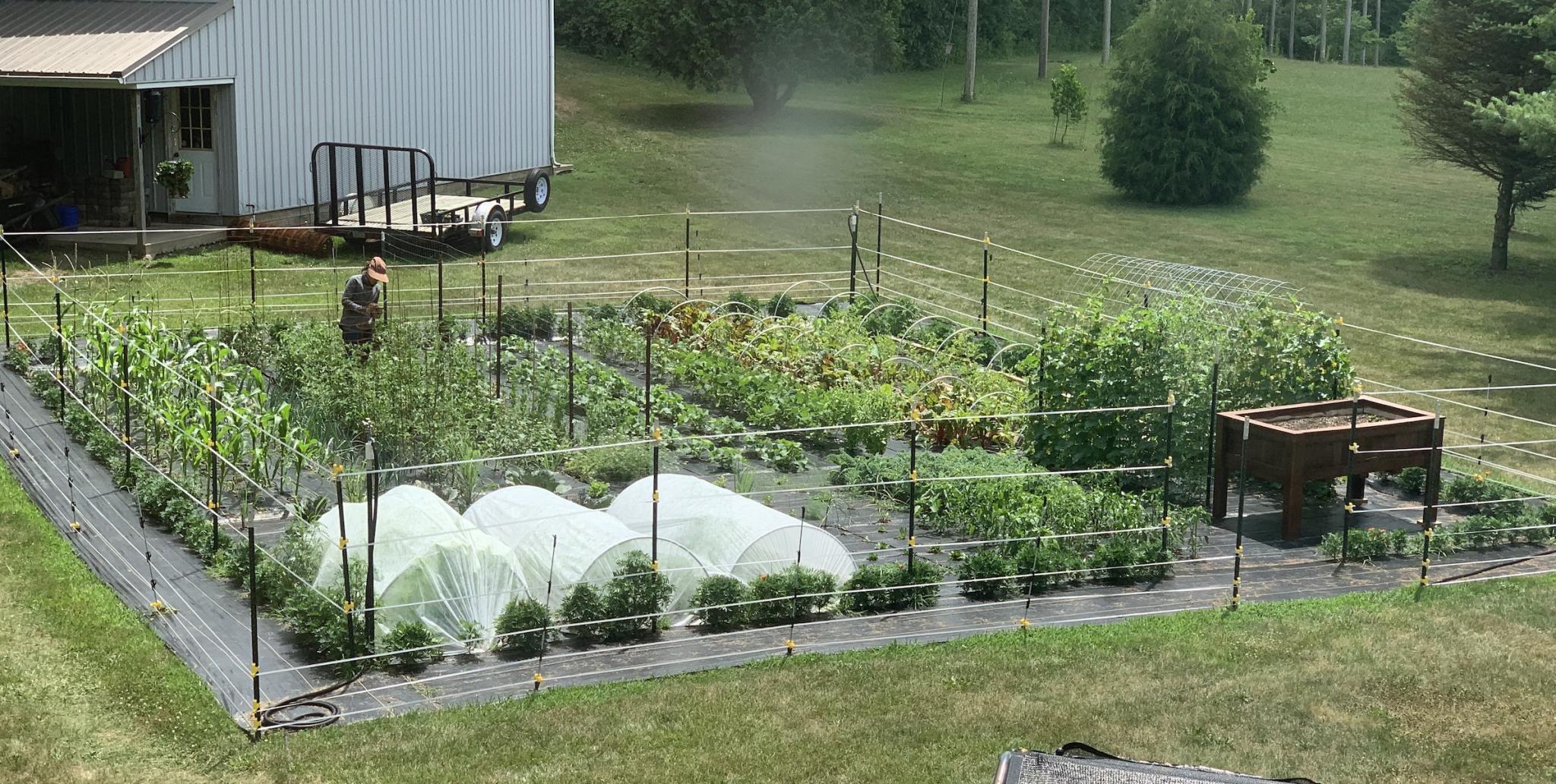
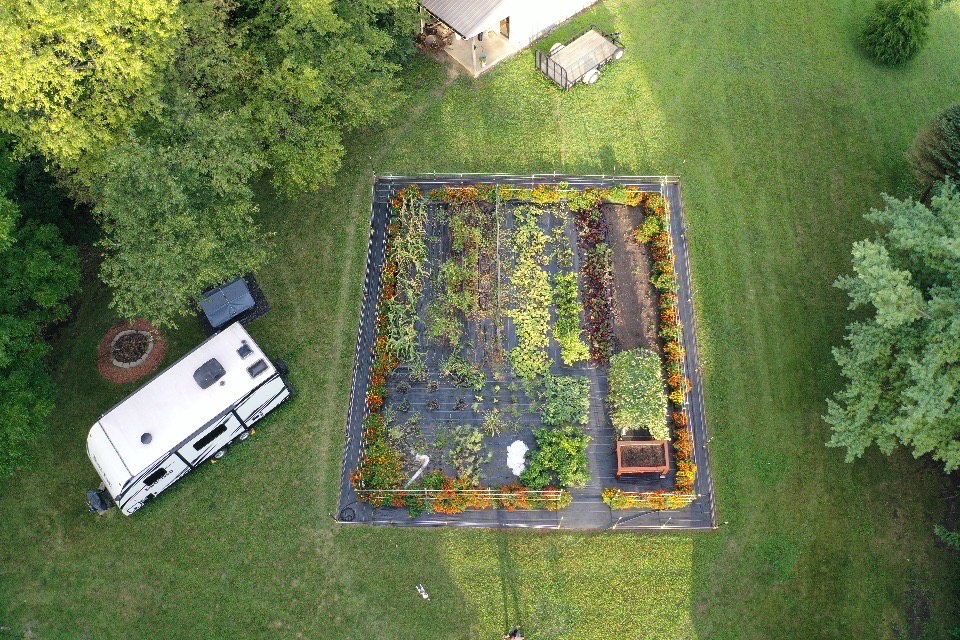
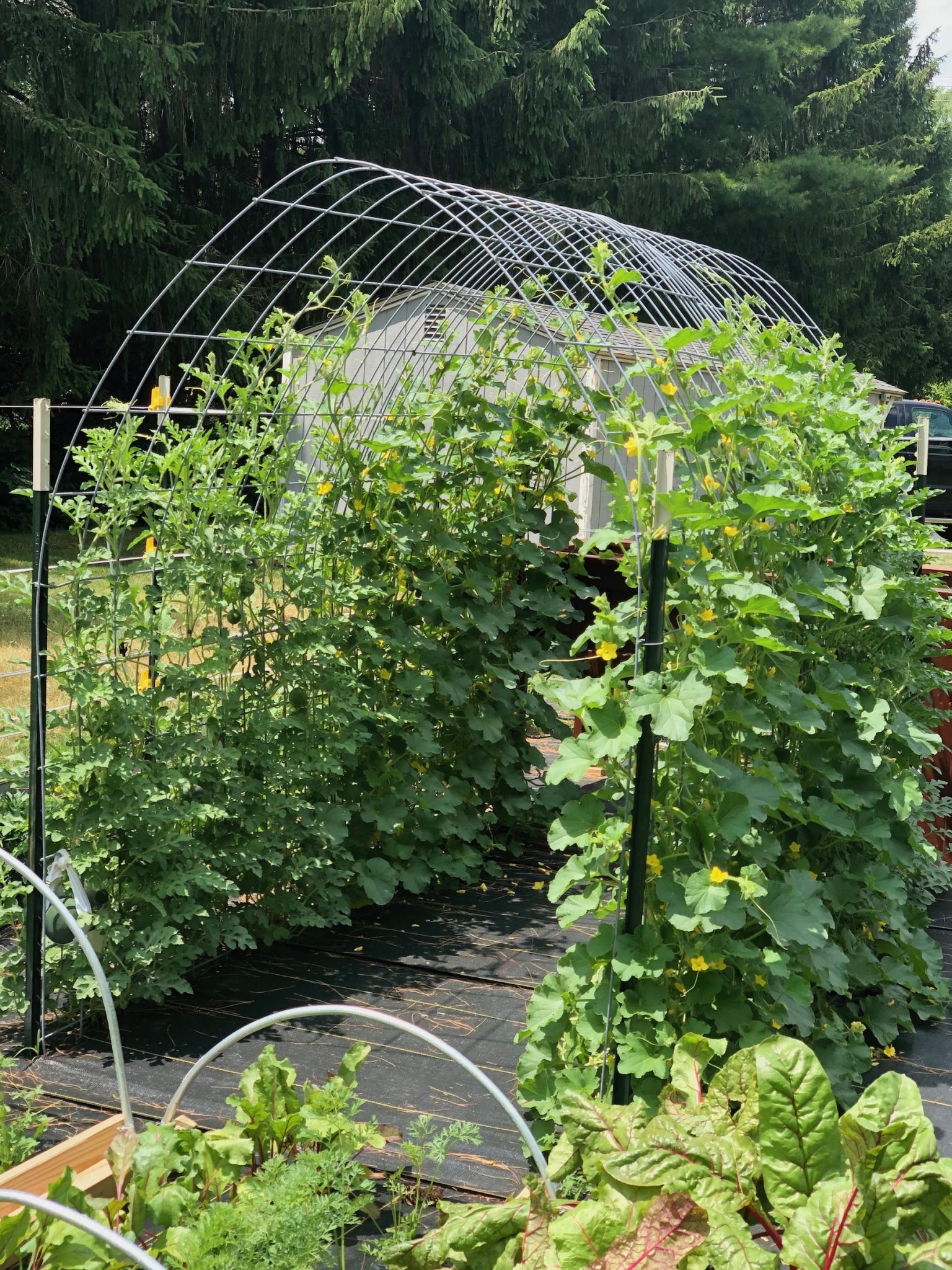
This Traditional Row Vegetable Garden Layout is based on a real garden created by Kenny, a first-time large-scale gardener who used this approach to grow an abundant harvest. While he’s a beginner, it took time to manage a garden of this size, so we would label it an “intermediate” garden for most gardeners.
“This was my first large garden, and I never realized how much space each vegetable needs until I used the Garden Planner. I didn’t start any seeds indoors—I just planted everything outside according to the Planner’s timing guide.”
“I covered the whole garden with a weed barrier. It took some extra work in the spring, but after that, I had almost no weeding all summer—just a few plants that popped through the holes. In the fall, I rolled each sheet up, labeled it, and stored it for next year. Genius!”
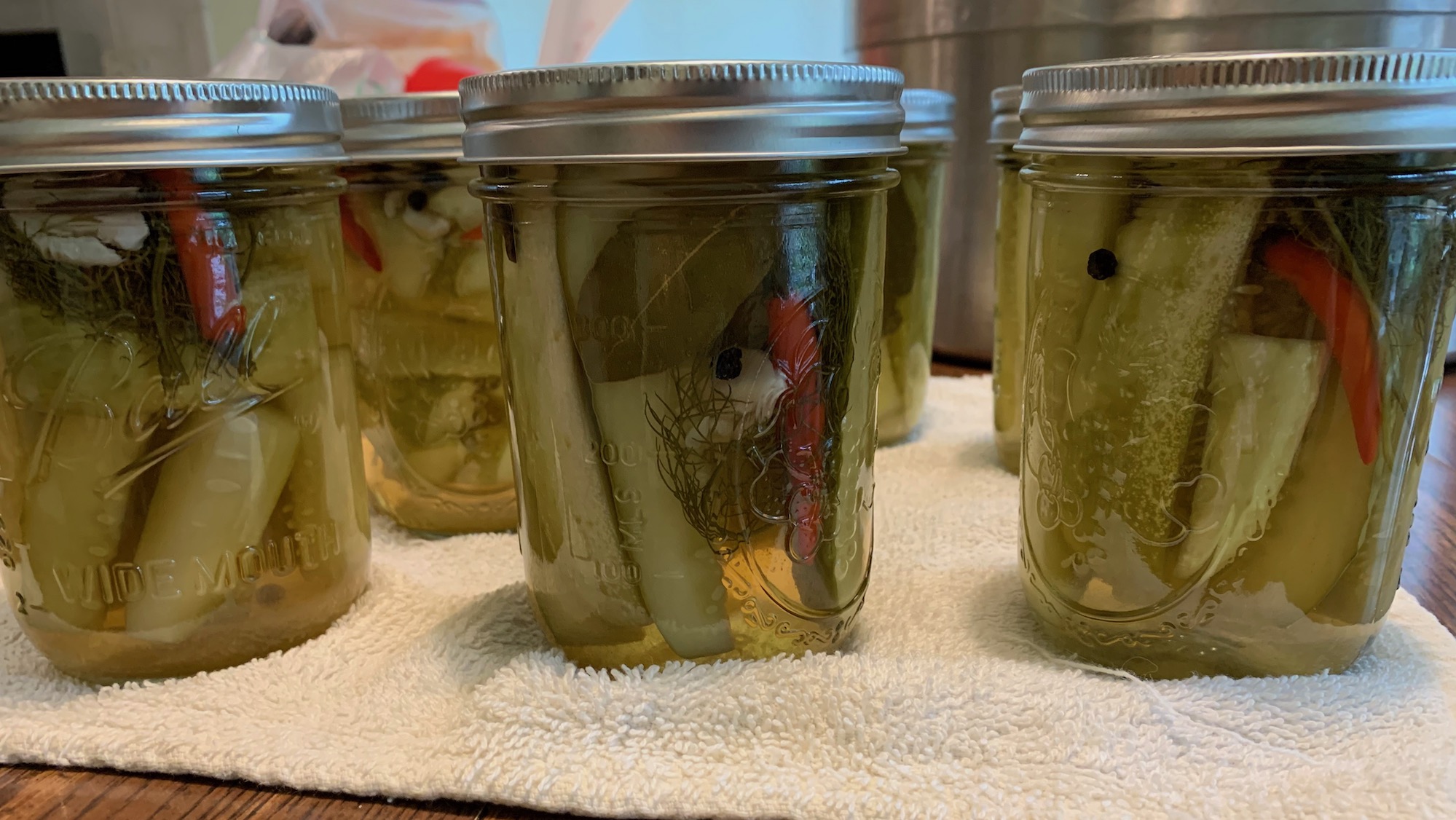
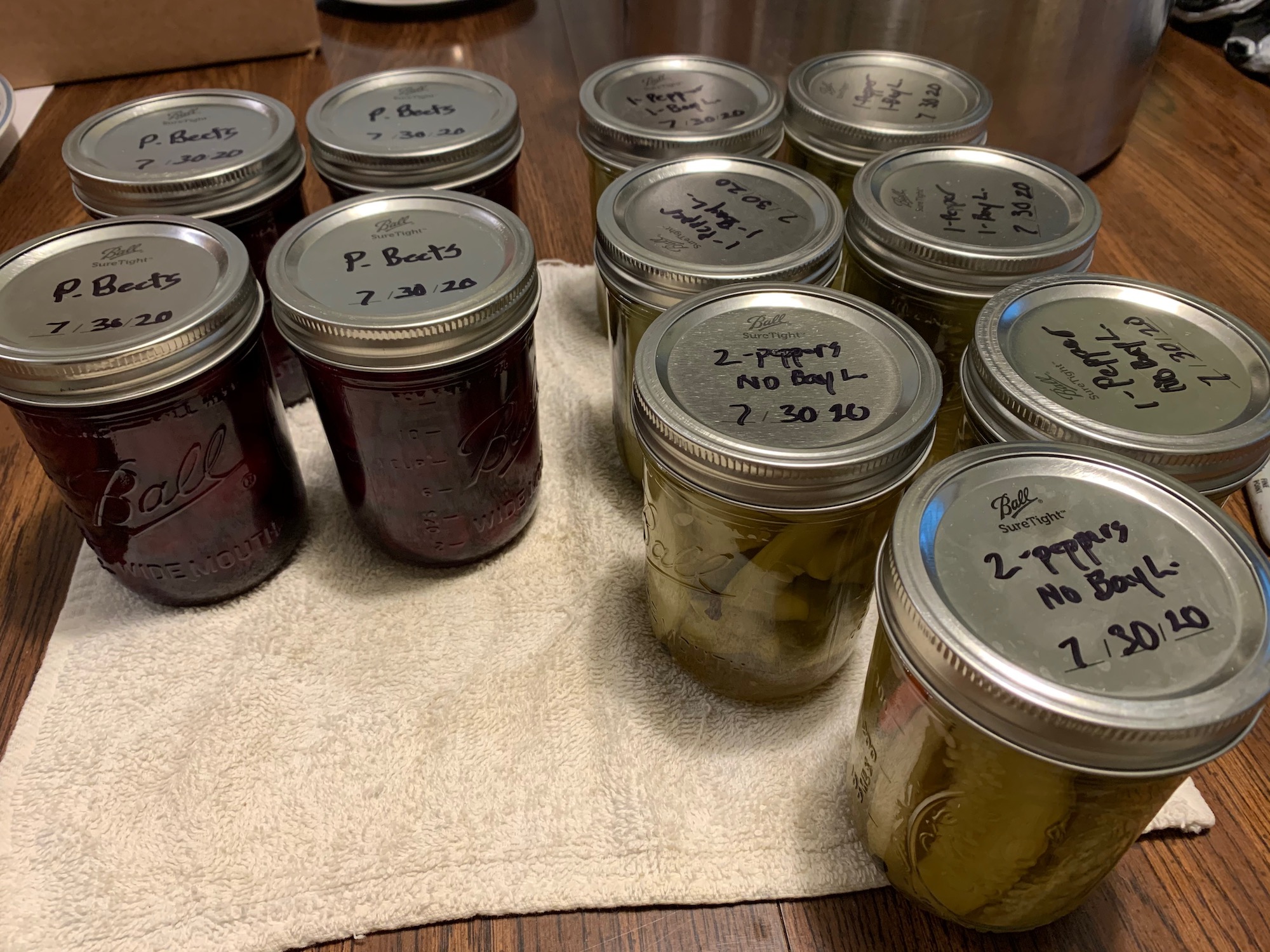
“Our harvest was amazing—we canned spicy dill pickles, pickled beets, and lots of spaghetti sauce from our tomatoes. It was delicious and rewarding. At 55, I realized I have a green thumb! If I can do this, anyone can.”
FAQs for the Row Vegetable Garden Layout
Q: How big should my rows and walkways be?
A: Leave 18 to 24 inches for walkways, big enough for a wheelbarrow. And make sure you never have to reach more than 3 to 4 feet across the garden, so you don’t step into the garden soil.
Q: Do I need to start seeds indoors?
A: Not for this plan. Most crops can be direct-sown outdoors if you follow planting dates.
Q: Is a weed barrier required?
A: Not required, but highly recommended—especially for beginners. It saves hours of weeding.
Q: Can I change the crop placement?
A: Yes! Swap crops based on your preferences or local conditions. Just keep companion planting in mind.
Wit & Wisdom
A garden like this teaches the patience and humility that are required to work with nature. Enjoy the life lessons, the joy, and the sense of accomplishment!
“A garden requires patient labor and attention” –Gertrude Jekyll.
“If you have a garden and a library, you have everything you need.” –Marcus Tullius Cicero.
“If you’ve never experienced the joy of accomplishing more than you can imagine, plant a garden.” –Robert Brault.
More Garden Plans to Explore
Want a beginner plan or a smaller, more compact layout? Check out some more garden plans below:
- Vegetable Garden - a 4×8 raised bed vegetable garden plan is ideal for beginners.
- Raised Bed Vegetable Garden - for gardeners who want a productive, low-maintenance kitchen-style garden.
- Pollinator Garden Plan - an open, native flowers that are easy for pollinators to access.
More References

Vegetable Garden Plans
Flower Garden Plans
More Like This


Comments