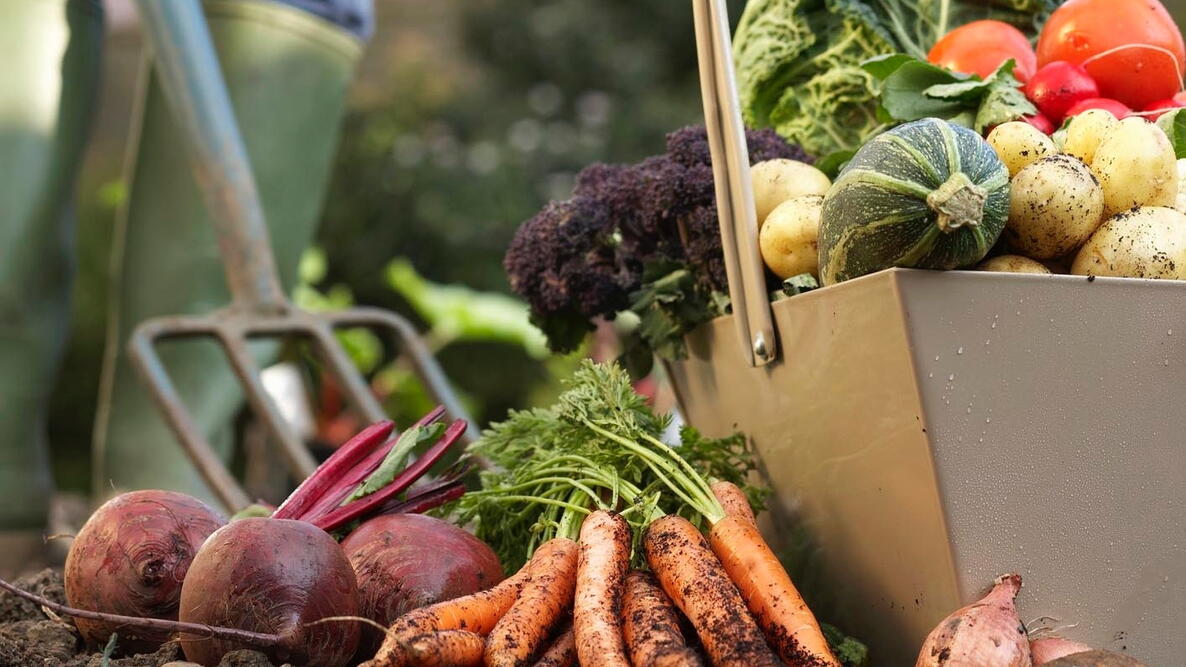

Want to grow the healthiest vegetables and fruits right in your own backyard? Focusing on nutrient-dense crops ensures that your garden is packed with vitamins, antioxidants, and disease-fighting compounds. From dark leafy greens like kale and spinach to colorful tomatoes, carrots, and berries, you can grow fresh produce that maximizes health benefits for you and your family. Learn which vegetables and fruits are nutritional powerhouses, tips for growing them, and even the varieties bred for extra phytonutrients.
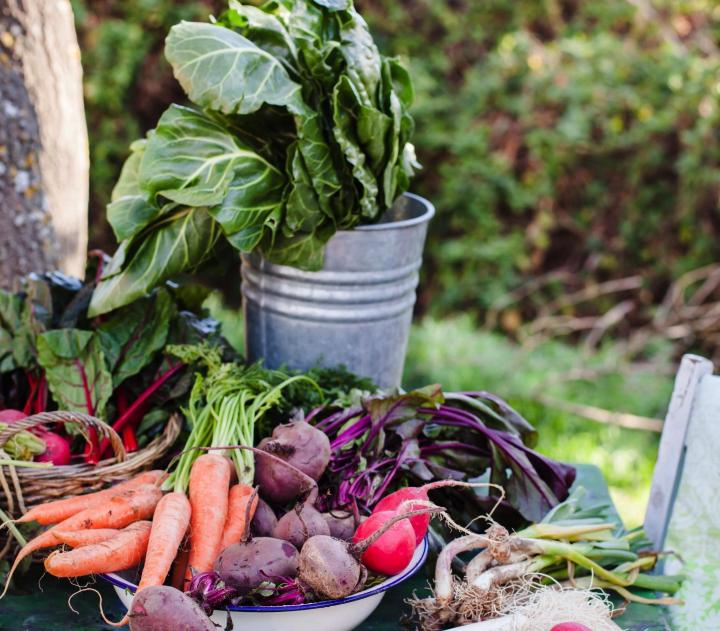
Top 10 Healthiest Vegetables and Fruits
Note: We are listing common vegetables in the home garden across North America, especially those that don’t take up a lot of space. There are many, many other veggies and fruits that are also healthy.
1. Broccoli
This popular dark green vegetable is a nutrition superstar, high in antioxidants that fight cancer.
Beneficial for: Inhibiting cancerous cells. Learn more about broccoli’s health benefits.
Great source of: Folate, fiber, calcium, vitamins A and C.
Growing tips: Broccoli needs fertile soil that’s high in nitrogen. Pick the heads while they are still tight and well-filled.
See our growing guide to broccoli.
2. Kale
Dark, leafy greens like kale are high in calcium and are great for bone health.
Beneficial for: Immune system, anti-inflammatory, bone health, skin and hair health.
Great source of: Fiber, vitamin C, omega-3 and 6 fatty acids, and antioxidants.
Growing tips: Sow in spring, then plant out once the young plants are about 4 inches tall.
See our guide to growing kale.
3. Garlic
Garlic is an age-old remedy known to fight colds, viruses, and other ailments!
Beneficial for: Boosting the immune system and liver health, and can help maintain healthy lungs and stomach. Learn more about garlic’s history of healing.
Great source of: Vitamins, including B1 and B6, manganese, calcium, and tryptophan. Leave chopped or crushed garlic to sit for 20 minutes before eating to enhance the health benefits further.
Growing tips: Plant garlic in the fall for an early summer crop.
See our growing guide to garlic.
4. Spinach
This leafy green is one of the most nutrient-dense vegetables! One cup (only 7 calories) provides 16% of the Daily Value (DV) for vitamin A plus 120% of the DV for vitamin K!
Beneficial for: Immune function, vision, skin and bone health, blood clotting.
Great source of: Vitamin K, vitamin A, folate, and fiber.
Growing tips: Sow in cool weather as soon as the soil is prepared or in late summer for a fall/winter harvest. Cut while young.
See our growing guide to spinach.
5. Bell Peppers
The Vitamin C champs are ripe peppers with 3 times the vitamin C of any citrus. Among these peppers, yellow wax or banana peppers, hot or sweet, have the most vitamin C.
Beneficial for: May help prevent some cancers.
Great source of: Vitamins C and A, antioxidants, and lycopene. Let peppers develop an orange or red color for maximum nutrient density.
Growing tips: Grow undercover in cooler areas. Tie to a stake or cane to prevent top-heavy peppers from toppling over.
See our growing guide to bell peppers.
6. Zucchini and Summer Squash
Beneficial for: Heart health, weight loss, immune system, and healthy eyes, teeth, and bones.
Great source of: Vitamins C and A.
Growing tips: Pick zucchini when about 4 inches long to encourage more fruits to form, or let them grow a little larger for spiralizing as a lower-calorie alternative to pasta.
See how to grow zucchini and squash.
7. Green Beans
Beneficial for: Reducing cholesterol. See more about why green beans are good for you!
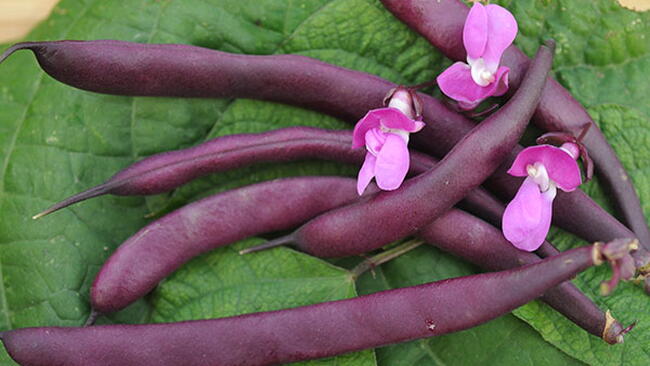
Great source of: Protein, soluble fiber, and flavonoids. Darker beans have high levels of disease-fighting antioxidants.
Growing tips: Sow quick-growing dwarf beans in summer, and they’ll be ready to pick in 6 to 8 weeks.
See our Green Bean Growing Guide.
8. Tomatoes
Tomatoes are also a great source of vitamin A, as well as vitamin C.
Beneficial for: May help prevent some cancers.
Great source of: Vitamins A, C, and E, anti-inflammatory flavonoids, potassium, and lycopene. Small red tomatoes contain the highest concentration of lycopene.
Growing tips: Grow in full sun and feed regularly with an organic liquid tomato fertilizer.
See our growing guide to tomatoes.
9. Blueberries
Beneficial for: Boosting general health and may slow the advancement of Alzheimer’s disease.
Great source of: Zinc, copper, vitamins, iron, and anthocyanin.
Growing tips: Grow blueberries in full sun in acidic soil or in ericaceous potting soil in a container. Choose a range of early-, mid-, and late-season varieties to extend your harvest.
See our Blueberry Plant Page.
Rich red raspberries are a healthy shrub fruit, too!
10. Strawberries
One of the easiest fruits to grow, juicy strawberries are packed with Vitamin C! One serving (half a cup) is half of your daily requirement.
Beneficial for: Boosting immunity and a powerful antioxidant.
Great source of: Vitamin C, B2, B5, B6, K, copper, magnesium, folate, omega fatty acids, essential fiber.
Growing tips: Grow strawberries in the sun and in well-draining soil. This plant is a perennial that you can grow year after year! See our Strawberry Plant Page.
More healthy crops
- Carrots are the champs of carotene, and many Americans rely on carrots for their dietary vitamin A. Don’t worry, you can’t consume too much carotene!
- Winter squash, especially the Cucurbita maxima types (such as the buttercups, some pumpkins, and Hubbards), are also good sources of vitamin A.
- Watermelon is a fantastically healthy fruit; it needs long, warm growing seasons.
- Legumes (peas, soybeans, lentils, white beans, chickpeas, cowpeas), of course, are packed with nutrients. Eating more legumes as part of a healthy diet can help lower blood sugar and blood pressure.
Sample Garden of Nutrient-Rich Vegetables
A sample garden might consist of two parallel raised beds, divided into sections that allow for succession planting from spring to summer.
For example, here are early spring crops that finish up in time for summer crops to follow up.
- Spring peas, followed by tomatoes
- Mustard greens, followed by green (bush) beans
- Early spinach interplanted with/followed by pole beans
- Garlic planted with onions, followed by kale, kohlrabi, and/or collards
- Kale and radish, followed by zucchini
- Beets, followed by tomatoes.
- Broccoli, followed by sweet peppers

Healthy Soil Is a Big Part of Healthy Crops
Healthy soil is essential for the production of wholesome foods. Pay attention to your soil and be sure that you are replacing all important trace minerals. Your crops will deplete the soil over time and need to be fed!
Also, bear in mind that there is variation in the vitamin and mineral content of produce, depending on the conditions under which it has been grown. Nutrients work in concert with soil life; poor soil fertility means less nutritionally valuable crops.
This is why eliminating pesticides and herbicides is important—if the soil contains contaminants, microorganisms, plants, and humans will absorb these toxins. Conversely, mineral-rich soil is full of active microbes that support healthful yields.
Remember, too, that bigger zucchini aren’t better zucchini. Relying too heavily on fertilizers—which can deplete the soil of major elements, trace minerals, and organic matter—can result in produce that is impressive in size but lacking in nutrients.
When planning a nutritionally focused garden, begin by sending a soil sample to your local cooperative extension office. They will determine the type of soil that you have and make recommendations for any amendments that may be needed. Adding compost is a good first step.
Once your garden has been planted, spend time observing it to identify any stressors. Look for things like wilting foliage, diseases such as rust or powdery mildew, insect damage, such as chewed leaves, or signs of visiting critters rooting around your crops. By monitoring your garden daily, you will discover any issues early on, when remedying the problem is usually easier and most effective.
Bottom line: Think about not only the plants that you will harvest but also the nutritional value that they will add to the meals you make.
Vegetable Varieties Bred for More Nutrition
Another way to boost the nutrition in your garden is to choose varieties that have been bred to have higher levels of phytonutrients. These are the plant chemicals that protect the plants from insects, disease, drought, and other forms of adversity. Some of them, like antioxidants, have been found to help humans weather adversity as well by strengthening our immune systems, protecting us from cancer, warding off heart disease, lowering cholesterol, and supporting healthy vision. Several universities around the country have plant breeding programs that are looking at ways to increase the healthy antioxidants in different vegetables.
These vegetable varieties were bred specifically to be more nutritious.
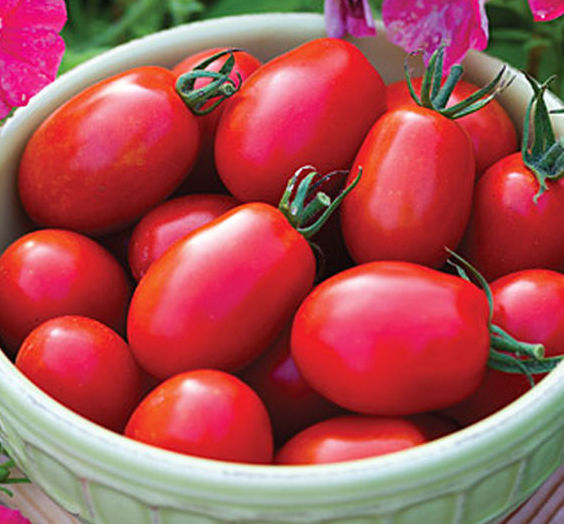
Tomatoes
- ‘Valentine’ grape tomato is the result of a collaboration between Penn State and Johnny’s Selected Seeds. It has high levels of lycopene, an antioxidant that reduces LDL cholesterol and lowers blood pressure.
- ’Health Kick’ is a red plum tomato that has 50% more lycopene than the average tomato.
- ’Tasti Lee’ is a 6- to 9-ounce tomato developed at the University of Florida that has 40% more lycopene and is heat tolerant.
- ’Mighty Sweet’ (below) is a grape tomato with high levels of vitamin C, beta-carotene, and lycopene.
- ’High Carotene’ is a 3-ounce tomato that has 2 to 3 times more beta-carotene than the average tomato. Beta-carotene protects us against heart disease, viral infections, cataracts, and cancer.
- ’Power Pops’ is a small red cherry tomato that has more carotene and lycopene than most other varieties. It grows only 9 to 12 inches tall, making it perfect for growing in a container or hanging basket. Healthy snacking at your fingertips!
- ’Caro Rich’ (below) is an 8- to 12-ounce orange-yellow beefsteak tomato with 10 times the beta-carotene of a regular red tomato. It was developed at Purdue University, is low in acid, and resists cracking, too.

Carrots
- ’Purple Dragon’ carrots have purple skin and a sweet orange core. They also have more lycopene than regular orange carrots. ‘Atomic Red’ is a deep red carrot high in lycopene. Carrots ‘Candysnax’ and ‘Sugarsnax’ were bred to be higher in beta-carotene.

Potatoes
- ’Adirondack Blue’ potatoes are high in vitamin C and anthocyanins that are strong anti-inflammatories, promote heart health, fight viral diseases, and support cognitive function.
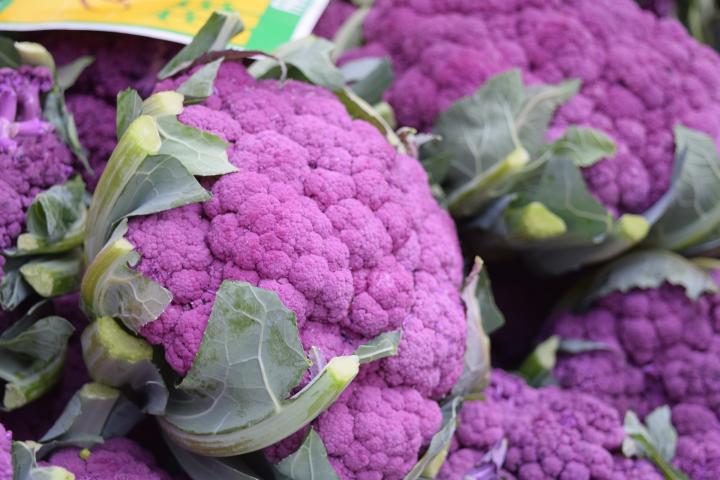
Cauliflowers
- ’Violetta’ and ‘Graffiti’ are both purple cauliflowers that have high levels of anthocyanin. They are best eaten raw since the color and potency diminish when cooked.
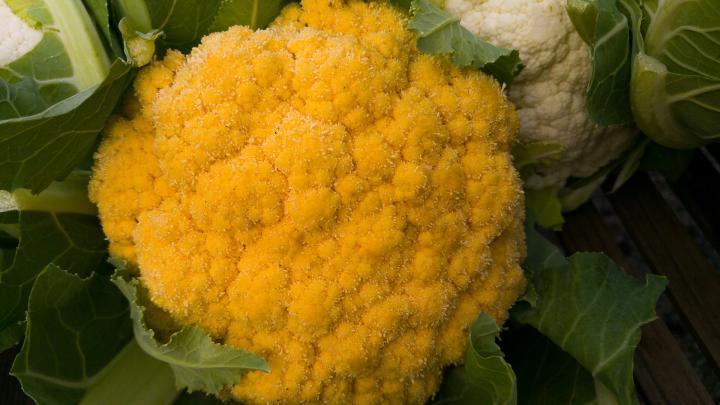
- ’Cheddar’ cauliflower develops 8-inch heads in about 70 days and has 25 times the beta-carotene of white cauliflower. Instead of fading, its color deepens when cooked.
Zucchini
- ’Raven’ zucchini, developed at the University of Wisconsin, has 4 times as much lutein as standard zucchini! Lutein is a great vision protector, preventing cataracts and macular degeneration.
Spotlight on Blue Tomatoes
This brings us to blue tomatoes! That’s a color not found in nature, or is it? Actually, Dr. Jim Myers of Oregon State University found wild blue tomatoes growing in Peru and the Galapagos Islands that had high levels of anthocyanin, an antioxidant found in foods such as blueberries or red cabbage, not in tomatoes. After 12 years of breeding and cross-breeding the blue varieties—which were not very tasty—with red tomatoes, he created a blue tomato with the disease-fighting properties of anthocyanins. They were developed using traditional plant breeding techniques and are not genetically modified.
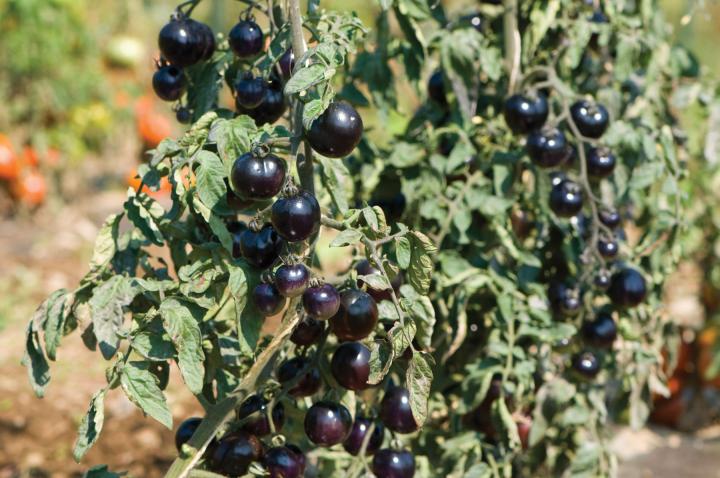
Look for plants with ‘Indigo’ in their name to try one of these. They were bred enough times to be stable and open-pollinated so other breeders have used this line to create their own blue tomatoes. There are now quite a few varieties out there that have varying degrees of blueness.
To fully develop the darkest coloration, the fruits need full sun as they ripen. Look for ‘Black Beauty’, ‘Blue Beauty’, or ‘Wagner Blue Green’, which has dark blue skin and bright green flesh.
Natural ripening increases the amount of phytonutrients in any vegetable and makes them more readily absorbed, which is just another good reason to grow your own instead of relying on commercial produce, which is picked green before being shipped to the store.
Whether or not you choose to seek out varieties that have been bred to have high nutritional content, remember that the most nutritious vegetables are the ones you eat, so grow what you like and fill at least half your plate with fruits and vegetables.
See this video about how to grow nutrient-dense vegetables!
Want to see these nutritious vegetables? Watch our video.
Frequently Asked Questions
What are the healthiest vegetables to grow at home?
Some of the most nutrient-dense vegetables include broccoli, kale, spinach, bell peppers, zucchini, and green beans. These vegetables are rich in vitamins, antioxidants, and minerals that support overall health.
Which fruits are the most nutrient-rich for a home garden?
Blueberries and strawberries are excellent choices. They provide antioxidants, vitamins, and minerals. They are easy to grow in containers or raised beds.
How can I increase the nutrition in my garden vegetables?
Nutrient content improves with healthy soil rich in organic matter and minerals. Using compost, avoiding pesticides, and choosing varieties bred for high phytonutrient content can make your crops more nutritious.
Does picking vegetables when fully ripe make them more nutritious?
Absolutely. Vegetables and fruits allowed to ripen naturally on the plant often contain higher levels of phytonutrients, vitamins, and antioxidants compared to produce harvested early for shipping.
Can growing your own vegetables improve your health?
Yes! Freshly harvested homegrown vegetables retain more nutrients than store-bought produce. Eating a variety of homegrown vegetables can provide essential vitamins, minerals, and antioxidants to support a healthy diet.
What are the best practices for nutrient-rich soil?
Ensure your soil is fertile, well-draining, and amended with organic compost. Rotate crops, add trace minerals, and monitor soil pH. Avoid overusing synthetic fertilizers, as this can reduce the nutrient density of your crops.
How do antioxidants in vegetables help my health?
Antioxidants protect your cells from oxidative stress, reducing inflammation and lowering the risk of chronic diseases like cancer, heart disease, and cognitive decline. Nutrient-dense vegetables and fruits are excellent sources of these compounds.

More Like This



Good Luck! Let us know how it goes!

Comments