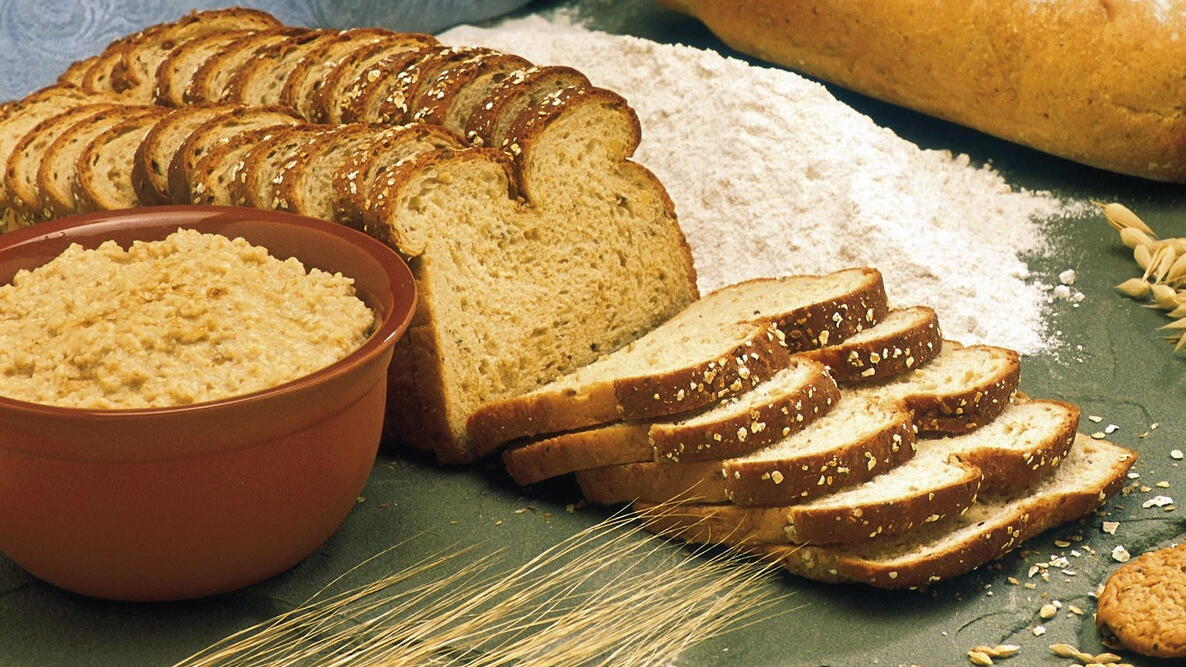

Most plain fruits and vegetables are nutrient-dense. But on my long walk today, I started thinking about the variety of other “health foods” rarely described as such. By the time I got home, I’d come up with a list of five. (Okay, I admit: One’s a vegetable.) Add these nutrient-rich foods to your shopping cart next time.
What Makes a Food “Healthy”?
There’s no standard definition for “health food,” but here’s mine: a whole or minimally processed food that’s rich in essential nutrients and phytonutrients relative to its calorie count.
5 Underrated Nutrient-Dense Foods
Below are five foods that you may not eat often—and a note or two about each.
Navy Beans: Protein and Fiber Powerhouse
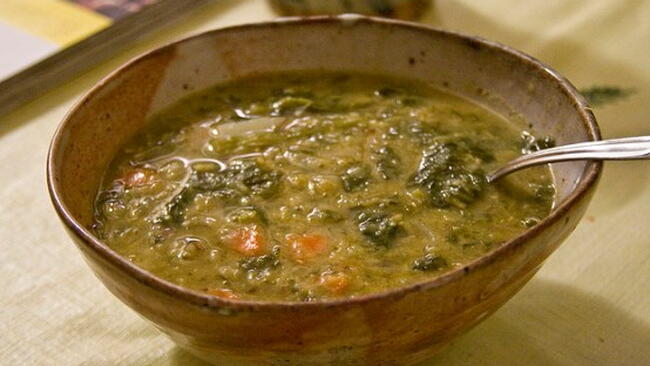
Navy beans A cup of these bland little beans gives you 15 grams of high-quality protein, meets three-quarters of your daily fiber and folate needs, and delivers a trove of essential minerals. Nutritionists say you can count navy beans (or any dry bean variety) as either a protein or a vegetable. If you’re having an extra-large bean salad, soup, or casserole, chalk it up as both.
Hulled Barley: Whole Grain Benefits
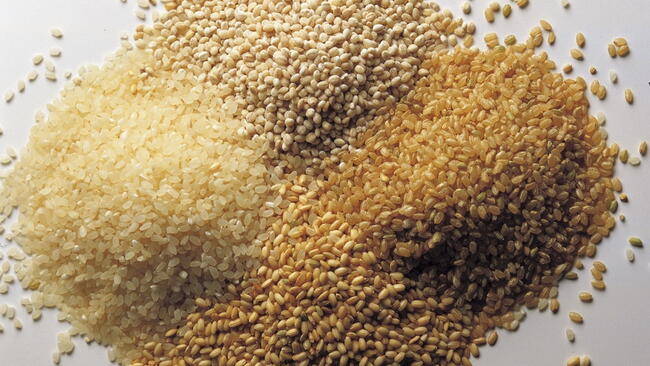
Hulled barley (aka dehulled barley or brown barley) Hulled barley is the whole-grain form of barley, with only the outer husk removed. The more familiar pearl barley is “polished,” further refined to remove some of the bran. Barley has the highest fiber content of all the grains, including the soluble fiber beta glucan, which helps lower cholesterol and reduce blood sugar spikes, among other health benefits.
Whole barley is substantially higher in protein and fiber than brown rice and lower on the glycemic scale. Unlike rice, it doesn’t take up arsenic from arsenic-contaminated groundwater.
Yes, it takes longer to cook, so it helps to soak it for a few hours first. I love its chewiness, especially paired in a casserole or side dish with something crunchy, like toasted pumpkin seeds (see below).
See how to cook barley and whole grains here.
Oats: Soluble Fiber for Heart Health
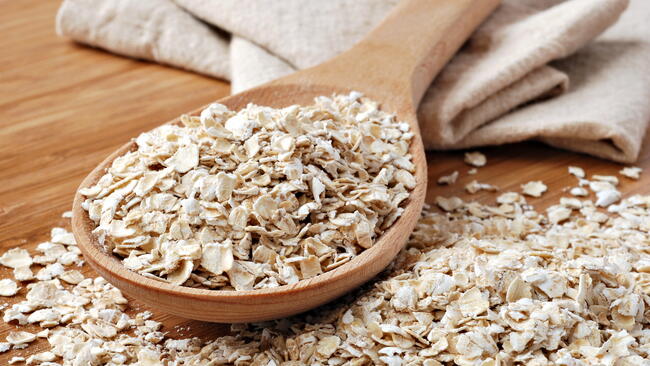
Oats Some love a bowl of hot oatmeal for breakfast. My mom served it almost every day in winter. I also remember her oatmeal bread, oatmeal-raisin cookies, or the way she extended a meatloaf with plenty of rolled oats.
My local supermarket contains several whole-oat products, including whole oats (oat groats—cook and serve like rice), steel-cut oats (like bulgur), Scottish oats (ground to a consistency of cornmeal), rolled oats (the familiar oatmeal in instant and old-fashioned forms), and oat flour.
Like barley, oats contain high levels of the soluble fiber beta glucan, as well as 6 grams of high-quality protein and a balance of B vitamins and minerals.
See recipe for whole wheat and oat bread.
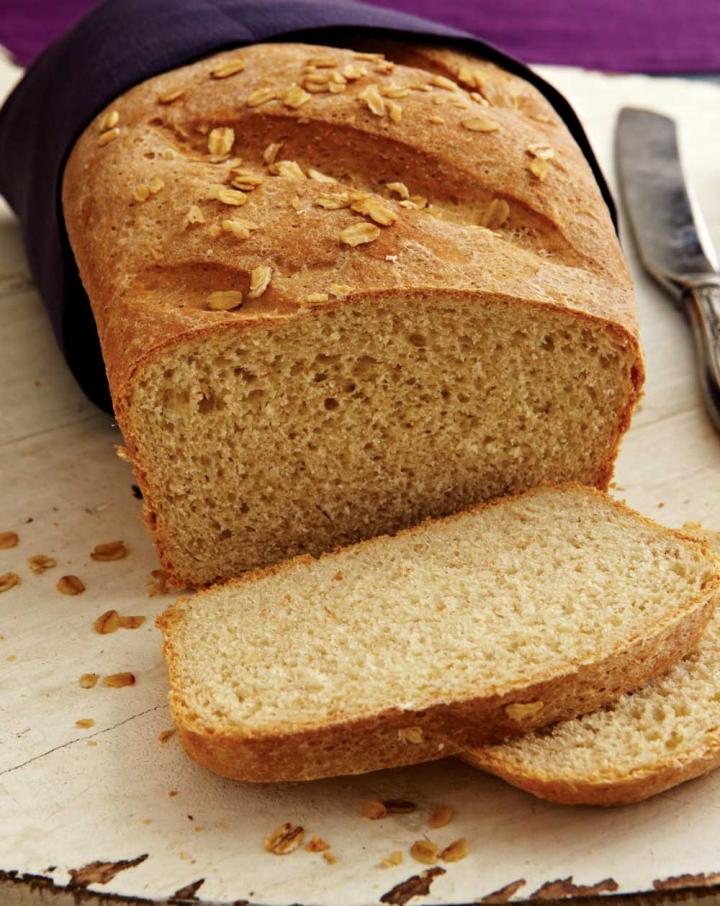
Photo: Becky Luigart-Stayner
Pumpkin Seeds: Tiny but Mighty
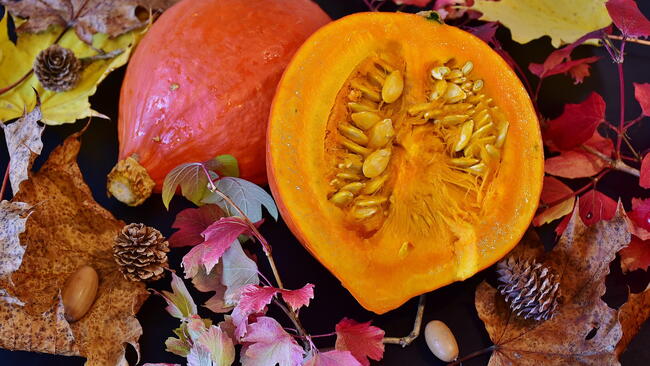
Pumpkin seeds Sometimes called pepitas, these come from varieties of pumpkin whose seeds lack the tough outer hulls of ordinary pumpkin seeds. Especially delicious when lightly toasted, pumpkin seeds contain 7 to 9 grams of complete protein per ounce, as well as copper, iron, manganese, magnesium, and zinc. We buy them by the pound, usually toast them lightly, and use them as a crunchy snack, an addition to breads and muffins, or pretty much anywhere you’d use chopped nuts.
Potatoes: Nutrient-Rich Comfort Food
Potatoes (No, for many reasons, not that plateful of sizzling French fries you crave.) Boiled, baked, or oven-roasted, and eaten with the skin on, a large potato contains 7.5 grams of high-quality protein and half your daily needs for potassium and vitamin C, along with many other vitamins and minerals.
Your supermarket probably carries white-, purple-, yellow-, and red-fleshed varieties of the humble tuber, colors that add important phytonutrients and offer eye appeal to your meals. Here’s an excellent no-mayo potato salad with chicken, and green beans.
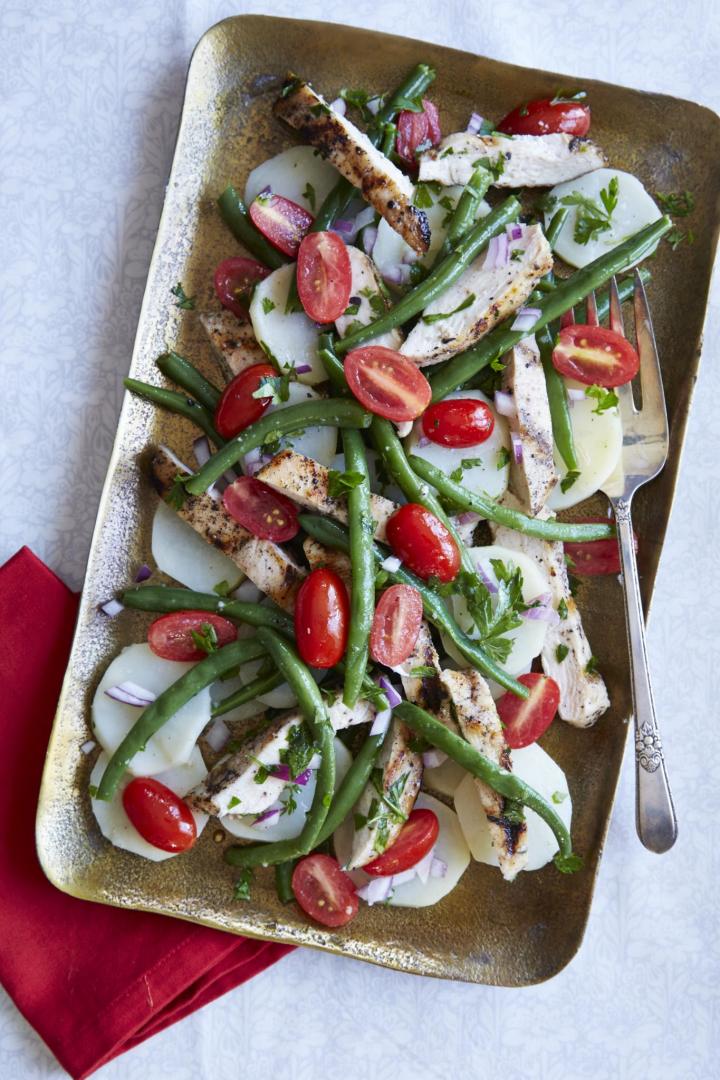
Photo: Becky Luigart-Stayner
Benefits of High-Protein, High-Fiber Plant Foods
Reviewing my short list, I was taken aback by how much my superfoods have in common:
- Although I don’t grow any of them except potatoes, I could. They’re all suitable for growing in a variety of soils and conditions, including regions like mine that have 6-month winters.
- All of them are high-protein plant foods. Pumpkin seeds are as complete as animal proteins; that means they contain all nine of the amino acids our bodies can’t manufacture but need to make the proteins we’re made of.
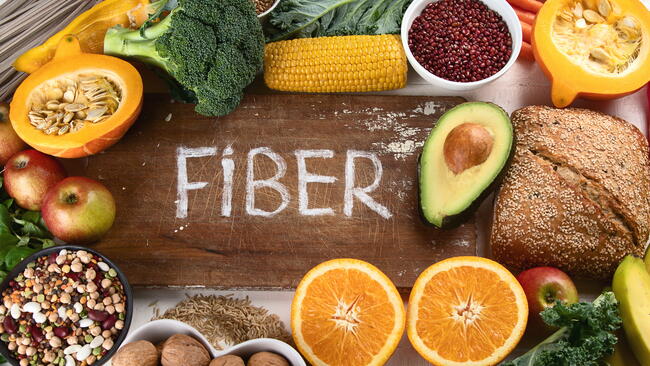
- They’re all high in fiber, the indigestible fraction of plant foods that offers a broad array of health benefits.
- Unlike many trendy superfoods, they’re all inexpensive and widely available, even in regular supermarkets.
- They store well for quite a while without refrigeration or further processing.
- They’re versatile. I’ve used all of them in soups, breads, pie crusts, salads, side dishes, and desserts (navy bean “cheesecake”? You bet!). You won’t believe it until you begin experimenting.
What’s more, if you keep favorite herbs and condiments on hand, a little oil and/or butter for sautéing or dressing, you could mix and match two or more of these healthy foods to create a lovely meal any season of the year. Add a generous serving or two of fruit and/or vegetables to each meal, and you might have a diet plan.
See 5 pressure-cooking recipes including a recipe for baked beans.

More Like This

Praise like this keeps me on the straight and narrow.
I apologize for not including a caveat early on that no matter how healthy a food, it might not be appropriate for everyone.
Many people have serious health conditions that require special attention to diet. Because I write for a general readership I have no way to include even the most common ones such as diabetes. I also have no professional credentials in nutrition or medicine. I try to consult the best research and clinical expertise I can find for my writing.
Obviously, people with special needs diets should follow the recommendations of their health care professionals, rather than general-purpose articles like this one.
However, over the years, I've seen a lot of information about the value of the foods I've praised in this post for helping people control blood-sugar spikes, including people with diabetes. Here's a sample:
- Resistant Starch: Don’t Resist Its Effects!
- Barley helps improve blood sugar levels, reduce appetite
- Beans Will Rock Your World
- What You Should Know About Diabetes and Beans
- Oatmeal and Diabetes: The Do’s and Don’ts
Sunflower seeds on the mind, I guess. Thanks for noticing!

Comments