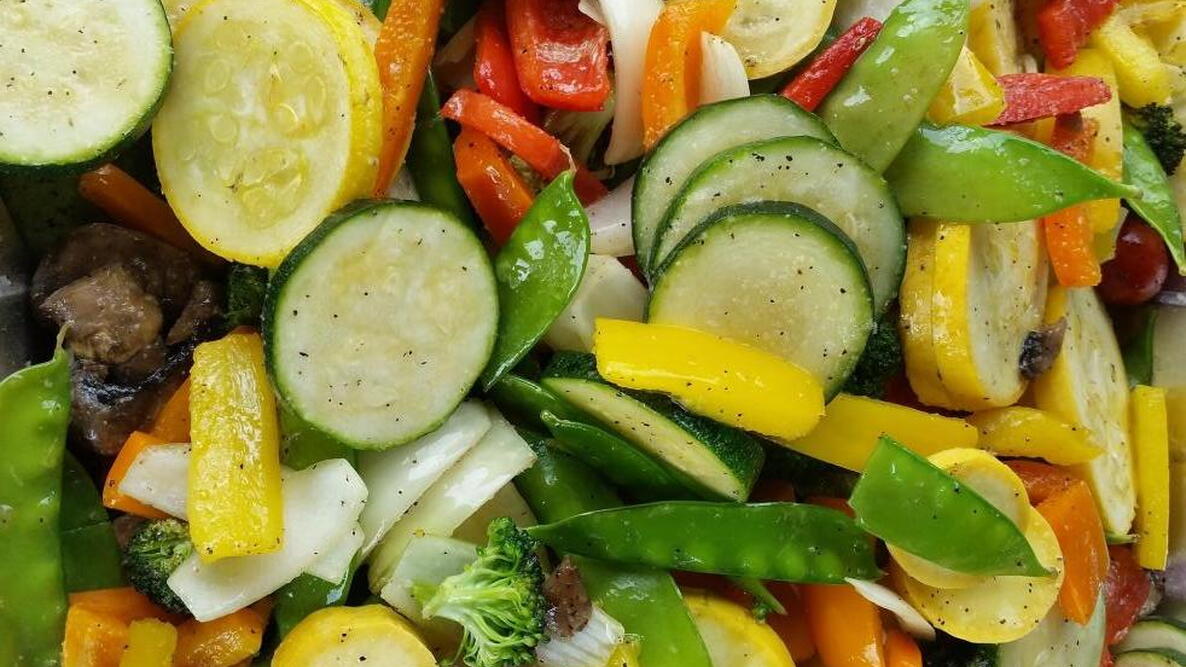

Is it healthier to eat vegetables raw or cooked? The answer depends on the vegetable. Some vegetables retain more nutrients when eaten raw, while cooking can make other nutrients easier for your body to absorb.
Cooking can soften fiber and make some vegetables easier to digest, but heat and water can also reduce certain vitamins. On the other hand, cooking can increase the availability of beneficial compounds such as lycopene and beta-carotene.
So, should you eat your vegetables raw or cooked? Here’s how to prepare popular vegetables to get the most nutritional benefit.
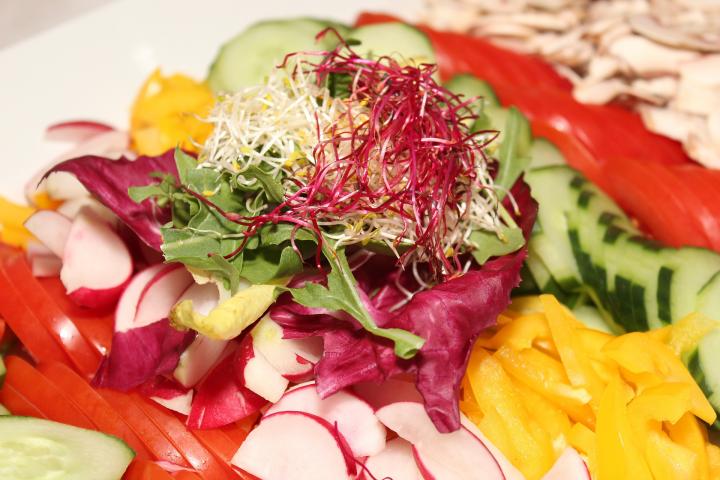
Raw vs. Cooked Vegetables: What’s Best?
Carrots: Cooked Is Better
Carrots are best when cooked to increase the amount of carotenoids, including beta-carotene, which are good for eye health. Learn more about carrots’ health benefits!
Broccoli, Cauliflower, and Cabbage: Raw or Lightly Cooked
Broccoli, cauliflower, and cabbage contain cancer-fighting enzymes that are damaged during cooking, so enjoy them raw or briefly steamed. They also contain vitamins C & K.
Garlic: Raw or Added at the End
Garlic has the highest amounts of selenium and allicin when eaten raw or added at the end of cooking. Raw garlic is good for lowering blood pressure and keeping vampires—and everyone else—away!
Bell Peppers: Raw Is Best
Red bell peppers contain twice the RDA of vitamin C when eaten raw.
Tomatoes: Cooked Is Better for Lycopene
Tomatoes are delicious raw, but cooking can increase the amount of lycopene that your body can absorb. Lycopene is a carotenoid with antioxidant properties. Also, Store tomatoes at room temperature since tomatoes lose their nutrients (and taste) when stored cold.
Beets: Raw or Lightly Cooked
Beets eaten raw will maintain high levels of folate, a vitamin B that is good for blood pressure and brain health.
Asparagus: Raw or Lightly Cooked
Asparagus is also high in folate, so add that to your raw salad.
Spinach: Cooked Is Best
Spinach is best cooked to make its minerals, including iron and calcium, more readily absorbed.
Chard: Lightly Steamed
Chard offers lutein and zeaxanthin, antioxidants vital for healthy eyes, when lightly steamed.
Even a fresh food fanatic like me has to admit that sometimes cooked is best, especially if it releases beneficial enzymes and phytonutrients. When cooking, stop at tender crisp, not soft and mushy.
Frequently Asked Questions About Raw vs. Cooked Vegetables
Is it healthier to eat vegetables raw or cooked?
Neither is universally healthier. Some vegetables retain more nutrients when eaten raw, while cooking can make certain nutrients and beneficial compounds easier for the body to absorb.
Does cooking vegetables destroy nutrients?
Cooking can reduce some heat-sensitive nutrients, particularly vitamin C. However, cooking can also make other beneficial compounds more available.
What is the healthiest way to cook vegetables?
Steaming, microwaving, and other quick cooking methods can help preserve nutrients better than prolonged boiling or deep-frying.
Which vegetables should you eat raw?
Vegetables such as bell peppers, beets, and some members of the cabbage family can be nutritious raw. However, personal preference, digestion, and preparation method also matter.
Which vegetables are healthier cooked?
Cooking can increase the availability of certain compounds in vegetables such as carrots, tomatoes, and spinach
Whether you choose raw or cooked, the most nutritious fruits and vegetables are the ones you eat!
Here are the healthiest vegetables in the garden!

More Like This

Comments