Do you eat your veggies? We certainly hope so! Here’s a quick list of the common vegetables that pack a punch of helpful nutrients and minerals.
Nutrient-Packed Vegetables to Add to Your Diet
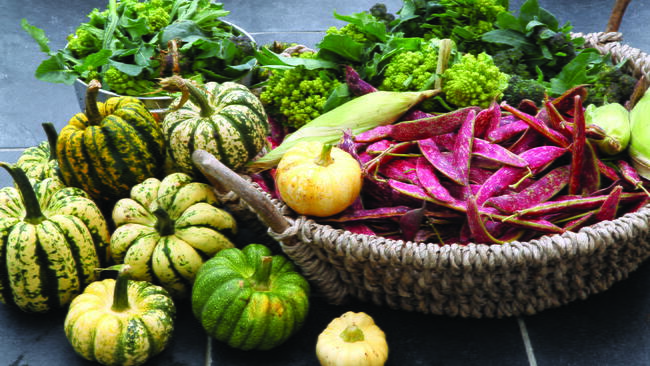
Fresh vegetables provide a cornucopia of goodness, and variety adds excitement to your meals. Be sure to rotate these winners onto your grocery list!
Green Beans
Green beans are a good source of vitamin C, folic acid, iron, and potassium.
Dried Beans
Dried beans provide protein, B vitamins, folic acid, iron, magnesium, and potassium.
Cabbage
Cabbage is high in vitamin C, folic acid, calcium, potassium, and fiber.
Carrots
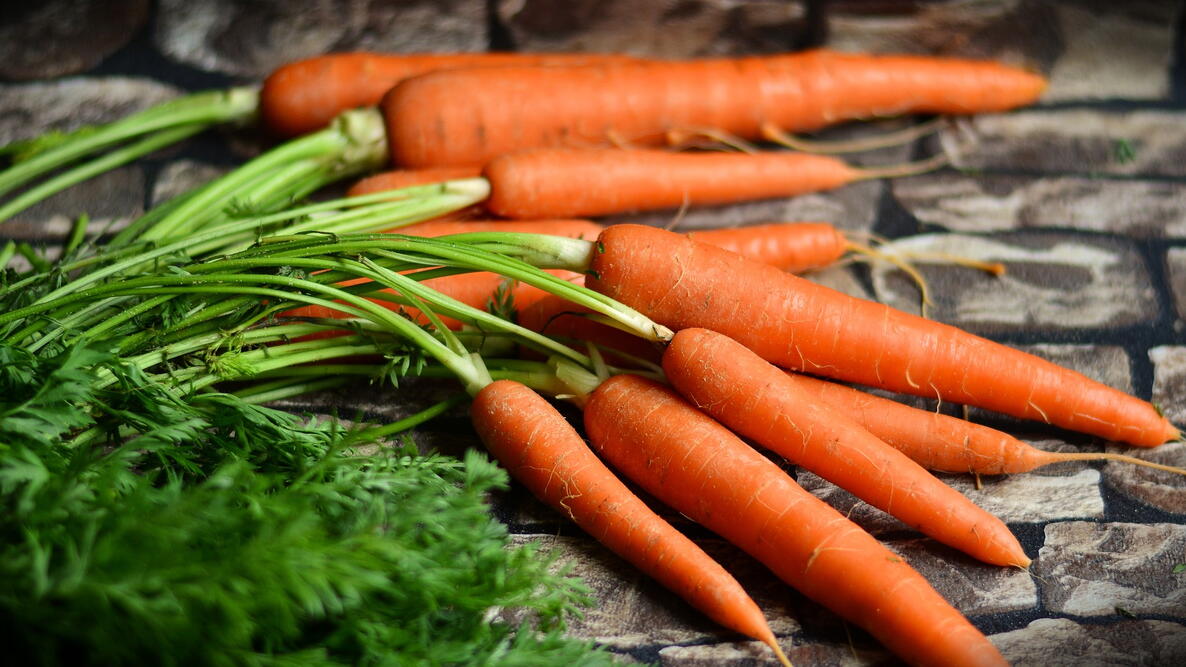
Carrots are rich in beta-carotene, vitamins A and K, and potassium.
Sweet Corn
Sweet corn is high in beta-carotene and lutein.* It also supplies B vitamins, iron, magnesium, potassium, and folic acid.
Eggplant
Eggplant is high in fiber, potassium, manganese, and vitamin B1.
Leeks
Leeks are a good source of fiber, iron, and vitamins A and C, and they contain the cancer-fighting phytochemical diallyl sulfide.
Okra
Okra provides vitamin C and the B vitamins, magnesium, lutein, and potassium.
Peas
Peas pack plenty of protein, B vitamins, vitamins C and A, manganese, iron, potassium, and lutein.
Peppers
Peppers have lots of beta-carotene as well as vitamins B6, C, and A and potassium.
Potatoes
Potatoes, with skins, are a good source of protein, iron, vitamin C, and potassium.
Shallots
Shallots are a good source of potassium, vitamin B6, manganese, and folic acid.
Summer Squash
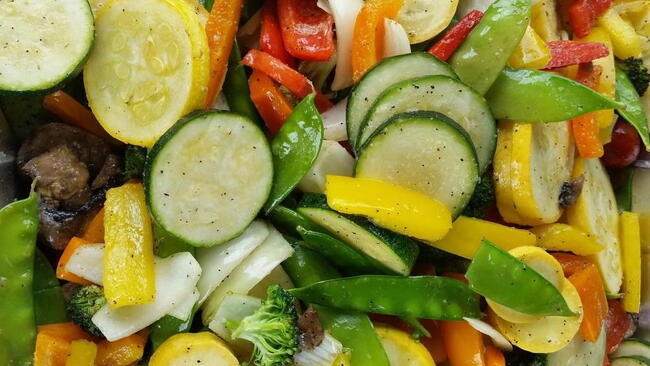
Summer squash is high in vitamin C, fiber, potassium, and magnesium. Both dark green and yellow squashes are excellent sources of lutein.
Sweet Potatoes
Sweet potato is an excellent source of vitamins A, B6, and C; iron; fiber; and potassium. Plus, just 1 cup of sweet potato contains 4 times the recommended daily allowance of beta-carotene!
*Lutein is an antioxidant that helps prevent blindness.
Don’t see your favorite vegetable on the list? Although practically every veggie has nutritional benefits, the above crops are true powerhouses. For more information on vegetable nutrition, check out the USDA Food Composition Database.
Frequently Asked Questions
What are the most nutritious vegetables?
Some of the top nutrient-packed vegetables include green beans, carrots, sweet potatoes, peppers, cabbage, leeks, and eggplant. Each offers a combination of vitamins, minerals, fiber, and antioxidants.
Which vegetables are highest in vitamin A?
Carrots, sweet potatoes, and dark leafy greens are excellent sources of vitamin A, which supports vision, immunity, and skin health.
How many vegetables should I eat daily?
Most health experts recommend filling at least half your plate with vegetables at each meal. Generally, adults should aim for 2–3 cups of vegetables per day, depending on age and activity level.
Are raw or cooked vegetables healthier?
Both raw and cooked vegetables provide essential nutrients. Some, like carrots and sweet potatoes, actually release more antioxidants when cooked, while others, like peppers and cabbage, retain more vitamin C when raw. A mix of both is ideal.
Can I get all my nutrients from vegetables alone?
While vegetables are rich in vitamins, minerals, and fiber, some nutrients like vitamin B12 and omega-3s are mostly found in animal products or fortified foods. Pair vegetables with a balanced diet for best results.
How can I make vegetables more flavorful?
Try roasting, grilling, steaming, or sautéing vegetables with herbs, spices, garlic, or olive oil. Even simple additions like a squeeze of lemon or a sprinkle of nuts can boost taste and nutrition.
Are frozen vegetables as nutritious as fresh?
Yes! Frozen vegetables are usually picked at peak ripeness and flash-frozen, which preserves most nutrients. They can be just as healthy as fresh vegetables, especially when out-of-season fresh options have traveled long distances.
What are your favorite veggies? Tell us in the comments!





Comments