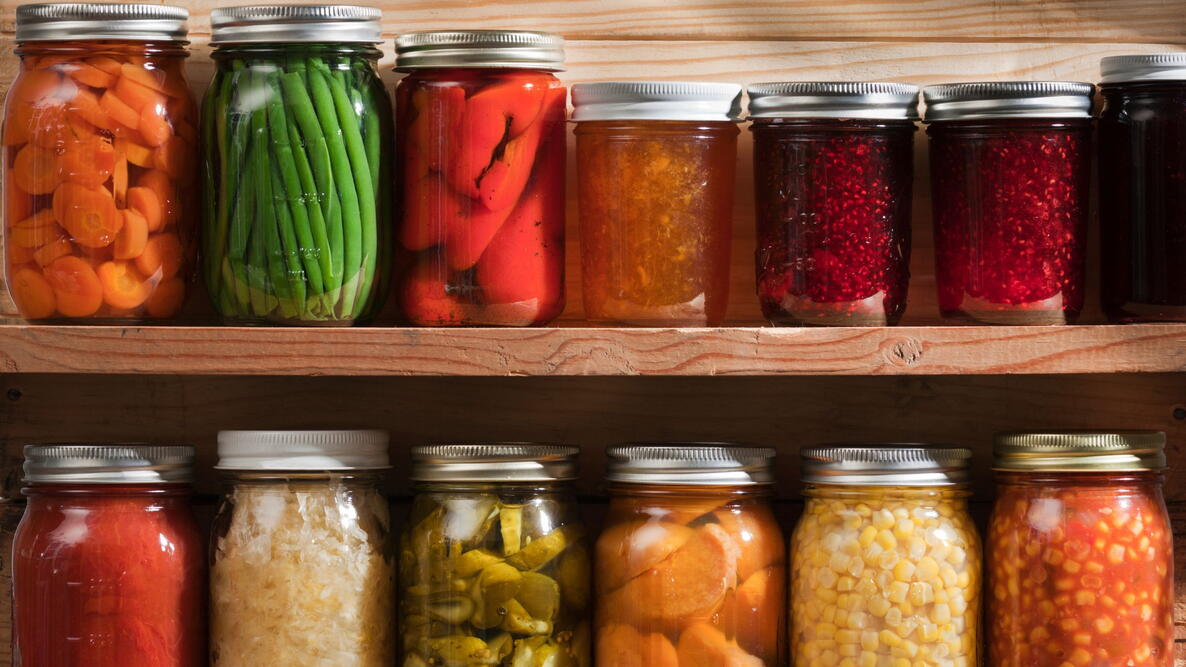
Unlock the secrets of water-bath and pressure canning to preserve your favorite fruits, veggies, jams, and more

Ever been curious about how to can? From mouthwatering tomato sauce to crisp pickles to luscious jams, canning captures fresh produce at the peak of flavor—so you can store it through the winter! Learn how to can with our beginner guide!
What Is Canning?
Think of canning as a form of cooking. Instead of cooking one meal for immediate consumption, you are cooking food that you can save and store away for months! Why do this? Because canning allows you to capture the best flavors at the peak of season—to enjoy all year long! Imagine the amazing taste of garden-fresh tomato sauce in the middle of winter.
Canning is a method used to preserve fresh food in jars using high temperatures to kill microorganisms and inactivate enzymes that could cause food to spoil. The heating process pushes air from the jars, creating a vacuum seal as the jars cool. Without air, the bacteria, yeasts, and mold will not grow, and food won’t spoil.
The Two Canning Methods: Water-Bath and Pressure Canning
To can your produce properly and safely, follow one of these methods: water-bath canning or pressure canning.
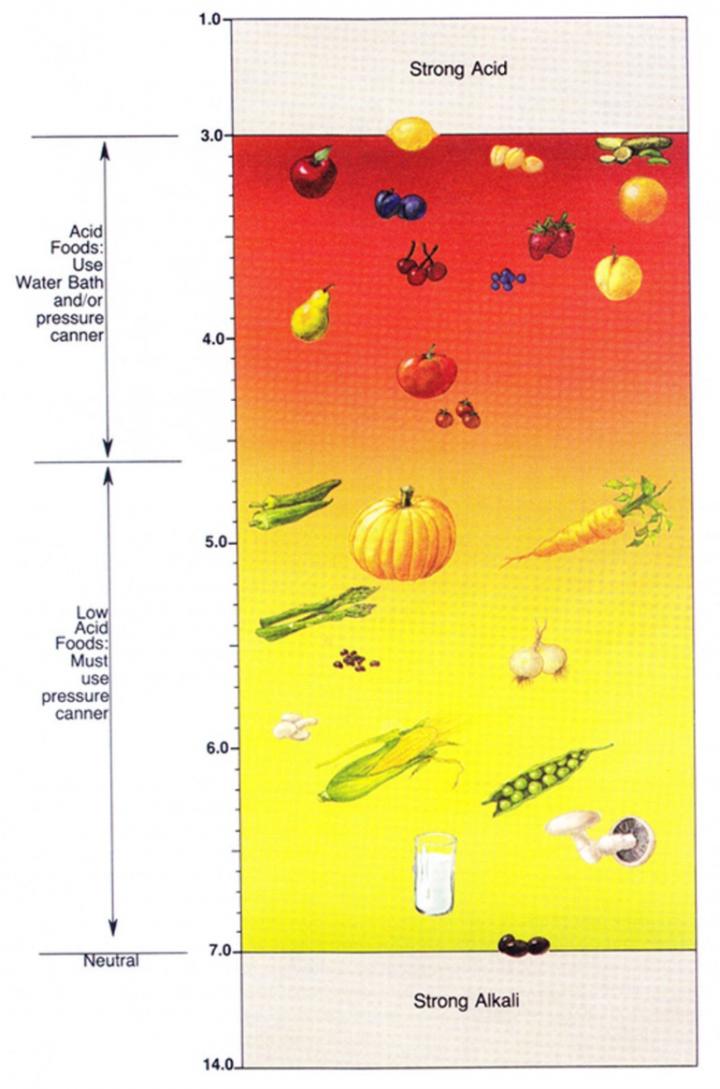
Which method to use? This depends on the acidity of the food you are canning: Is the food you are canning high or low in acid? In other words, does the food have a high pH or a low pH? A pH of 4.6 is the dividing line; a pH higher than 4.6 means less acidity (“low-acid foods”), and a pH lower than 4.6 means more acidity (“high-acid foods”).
We don’t expect you to know the acidity level of every food, so we’ll list this information below.
All you need to know is: Low-acid foods must be processed using pressure canning, while high-acid foods may be processed using either water-bath canning or pressure canning. You must use pressure canning for low-acid foods to prevent bacteria and toxins—which thrive in a low-acid environment—from surviving. Safety first!
1. Water-Bath Canning
Water-bath canning is the simpler of the two canning methods, as it involves boiling your food in glass jars in a big pot of water. There are pots specifically designed for this—called water-bath canners or boiling water canners—that consist of a large pot, a rack insert, and a lid. However, a large, deep pot will do, as long as you have a rack that fits inside it and a lid.
Water-bath canning is a lower-temperature canning process (212°F), which makes it safe ONLY for high-acid vegetables and fruits. (Remember that low-acid foods must be processed in a pressure canner.)
- High-acid foods include fruits, pickles, tomatoes, sauerkraut, relishes, jams, jellies, salsas, marmalades, and fruit butters. It’s the acidity of these foods—in addition to time in a boiling water bath—that helps preserve them safely without the use of high pressure.
- If it’s your first time canning, start with the boiling water bath method! Make some pickles or a yummy berry jam!
Water-bath canning is not as big an investment as pressure canning—and is more straightforward. Let’s call this “no pressure” canning!
To learn more about water-bath canning, see: Water-Bath Canning: Supplies and Getting Started
2. Pressure Canning
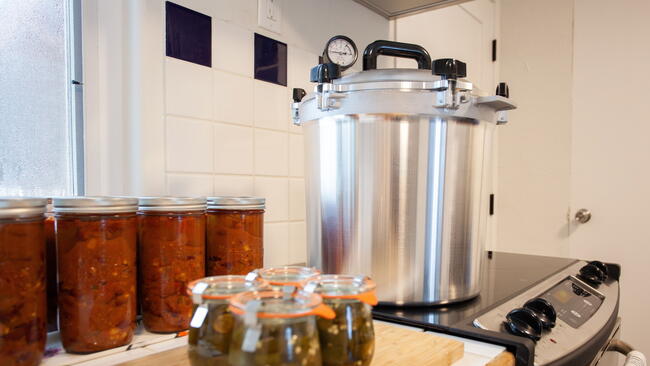
Pressure canning involves the use of a pressure canner, which is a device that consists of a large pot, a rack insert, and a fitted lid with a dial or pressure valve. The high pressure created inside the canner when it is heated allows the temperature inside to get much hotter (240°F) than it could in a water-bath canner. This kills off any harmful bacteria, toxins, molds, and yeasts.
Low-acid vegetables such as green beans or corn MUST be processed at a higher temperature—240°F at sea level—to prevent the growth of bacteria, especially Clostridium botulinum. To maintain the higher temperatures for the proper length of time, you need to invest in a pressure canner, which will get the job done.
- Vegetables that are low-acid include: artichokes, asparagus, carrots, corn, green beans, lima beans, mushrooms, okra, onions, peas, potatoes, pumpkin, and winter squash (in chunks).
- Fruits that are low-acid include: cantaloupe and watermelon. (All other fruit is high-acid, including berries and cherries, grapes, nectarines, oranges, peaches, and plums.)
Pressure canning is also used to preserve low-acid foods such as meats, poultry, seafood, chili, which also require a higher temperature to raise the heat inside the jars above boiling and long enough to kill harmful bacteria. Pressure canning can be fun and satisfying, but it does require a “canner” to get started, and you need to follow directions—no ad-libbing!
If you’d like to preserve low-acid foods but don’t have access to a pressure canner, consider preserving them in other ways. Broccoli, corn, and green beans taste much better when frozen, and they will have a better texture when prepared using your favorite recipes. For best results when freezing, blanch the produce briefly in boiling water, remove and cool down quickly in ice water, drain, and pack the produce in freezer bags or containers.
To learn more about pressure canning, see: Pressure Canning: How to Use a Pressure Canner
Canning Supplies
There are a few basic supplies that you’ll need in order to can at home:
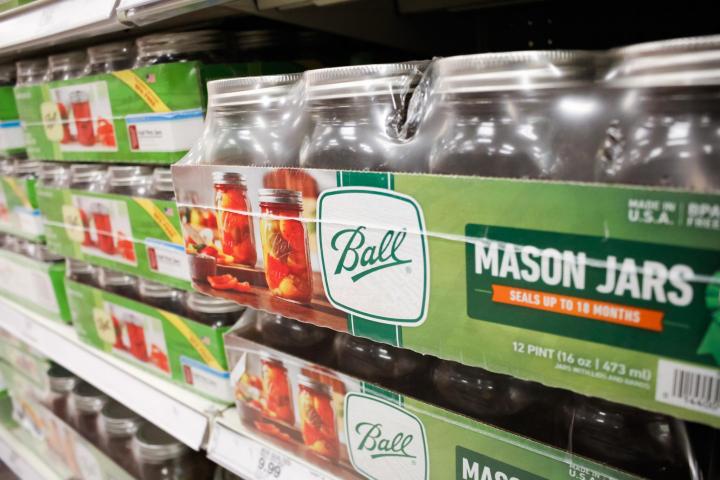
- Canning jars, lids, and screw bands: Only use clean jars without cracks or nicks in them. We recommend using the tried-and-true Ball brand o the Kerr brand mason jars.
- Water-bath canner or pressure canner:
- For water-bath canning, it isn’t necessary to purchase a special water-bath canner as long as you have a pot that has a fitted lid and is large enough to fully immerse the jars in water by 2 inches, and that will allow the water to boil when covered. You’ll also need a rack that fits inside the pot or canner—a cake cooling rack would do.
- For pressure canning, only use a pressure canner made specifically for canning (Presto or All American) and not a pressure cooker.
- Jar lifter: Large “tongs” that help to pick up hot jars and place them safely in the pot with hot water, and take them out of hot water after processing.
- Ladle: A ladle helps to spoon food into canning jars.
- Funnel: A wide-mouth canning funnel makes it easier to fill your jars without spilling.
Where to Find Canning Supplies
Many websites, hardware stores, craft stores, and other retail outlets sell kits that incorporate most of these canning essentials, sometimes along with other handy tools such as magnetic lid lifters, headspace-measuring tools, plastic bubble removers, and jar scrubbers—all the equipment needed to be successful.
Except for single-use lids, which you must buy new every year, you can reuse mason jars, screw bands, the water-bath canner, food mill, and stockpot for many years. You’ll often find these items in good condition at thrift stores, yard sales, or in the basement of a friend or relative who’s given up on canning. If you find a nice canner with a domed cover but no rack, you can probably find one that fits your kettle in a local hardware store, farm store, or online.
Make sure you check each jar, especially the rim, for small cracks or chips each time you use it. Also, don’t attempt to use a rusty canner. I’ve learned the hard way that rust spots may spring leaks during processing, causing the flame on my gas burner to flicker or douse it entirely, and leaving me scrambling to find a substitute canning pot.
10 Tips to Know Before You Start Canning:
- Always use fresh produce that’s in peak condition. Canning is not for overripe fruits or vegetables because they are on their way to spoiling!
- Gather all your ingredients and equipment, and make sure you have everything you need before you start. Halfway through the process is no time to be running to the store.
- Follow recipes and directions exactly. No improvising because your family’s safety depends on doing this correctly.
- Sterilize the jars by washing and then keeping them hot in a pot of boiling water until you are ready to fill them. Using the dishwasher will also get the job done without the pot of boiling water!
- Use real canning jars (Ball or Kerr), screw bands, and new lids when you can. Lids on the market today do not need to be heated to activate the sealing compound before placing them on the jar top.
- When you fill the jars, do not fill to the very top. This is called “head space” and can vary depending on your recipe (1/4 inch or 1/2 inch). If you overfill the jars, the food may interfere with the lid’s sealing compound and your jars will not seal properly.
- Also, it is important to wipe the jar rim and threads clean before putting on the lid and screw band. The band is tightened, but only finger-tight.
- Using the jar lifter, place each jar on the rack in the boiling water. Make sure that the jars are covered by at least 1 to 2 inches of water, cover with the lid, and bring the pot to a boil. Start counting processing time once the water has returned to a boil.
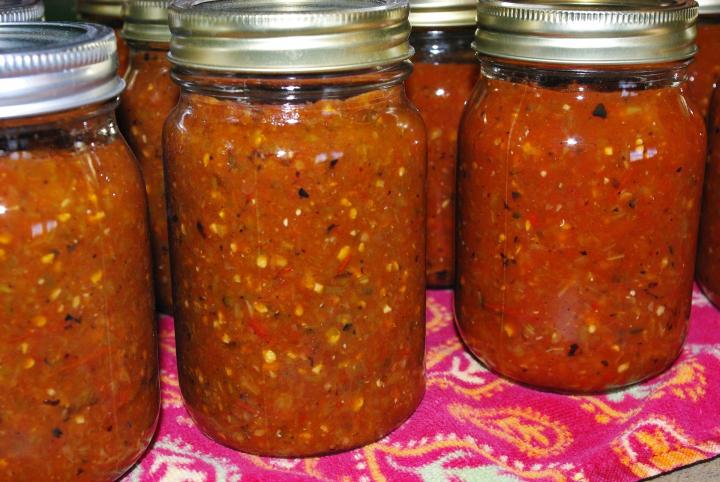
- When processing time is done, turn off the heat and remove the lid, venting the steam away from yourself. Remove each jar with the jar lifter and place upright and 1 to 2 inches apart on a cloth towel to cool. Let jars cool 12 to 24 hours.
- One sign that your jars have sealed properly is a “popping” or “pinging” sound you hear as the jars cool. Jars that don’t seal can NOT be stored but rather must be placed in the fridge and used within a few days.
- In general, your canned foods should last all year long, as long as they are stored in a cool, dry place. A broken seal is a sign that air has gotten in. A bulging lid or a lid that seems corroded or rusty is also a sign of spoilage.
- When you do open your cans, if you ever see mold, bubbles, or cloudiness, that is a sign that the seal popped and it’s spoiled. Do not eat!
Note: Guidelines for safe canning are always being updated. The National Center for Home Food Preservation is the trusted resource for canning regulations and more information.
Canning Safely
It’s important to know the food you’re planning on canning. More specifically, you need to know whether it is a low- or high-acid food, which dictates which canning method to use: water-bath or pressure canning.
The biggest concern is botulism poisoning. Botulism is an illness caused by the botulinum toxin, which is produced by Clostridium bacteria. These bacteria occur naturally in soil and don’t usually present a threat to people. However, they are a very hardy type of bacteria and thrive in low-acid, low-oxygen environments, like those created when we can foods. When food is canned improperly, the bacteria grow and produce their deadly toxin, botulin, making the food unfit for consumption. It’s critical that the environment inside the canned goods is inhospitable to the bacteria by using high heat (240° F) for low-acid foods or by high acidity to inactivate any toxin present.
If you are planning to pressure can, we also suggest that you have your pressure canner checked. Call your county extension office, as many will check your pressure canner for a small fee.
Frequently Asked Questions (FAQ) About Canning
What is the difference between water-bath canning and pressure canning?
Water-bath canning uses boiling water (212°F) and is safe for high-acid foods like fruits, jams, and pickles. Pressure canning uses higher temperatures (240°F) under pressure and is required for low-acid foods such as vegetables, meats, and seafood to prevent harmful bacteria.
How do I know if a food is high-acid or low-acid?
Foods with a pH below 4.6 are high-acid (e.g., tomatoes, berries, vinegar-based pickles). Foods with a pH above 4.6 are low-acid (e.g., green beans, corn, meats). This determines the canning method needed for safety.
Can I reuse canning lids?
No, always use new canning lids for each batch to ensure a proper seal. Mason jars and screw bands can be reused if in good condition.
How do I know if my jars sealed properly?
After cooling, sealed jars will make a “ping” sound and the lid’s center will be concave (depressed). If the lid is flat or bulging, the jar did not seal and should be refrigerated and used soon.
How long can I store canned foods?
Properly sealed and stored canned foods typically last up to one year in a cool, dry place. Always check for signs of spoilage before consuming.
Can I can low-acid foods in a water-bath canner?
No, low-acid foods require pressure canning to reach the higher temperatures needed to kill dangerous bacteria like Clostridium botulinum.
What should I do if my jar doesn’t seal?
Refrigerate and use the food within a few days, or reprocess it with a new lid following the correct method.
Do I need special equipment to start canning?
At a minimum, you need canning jars with lids and screw bands, a large pot (or water-bath canner), and a jar lifter. For pressure canning, you must use a dedicated pressure canner.
Can I can overripe or bruised produce?
It’s best to use fresh, ripe produce in peak condition for safe and tasty results. Overripe or damaged food can spoil more easily and is not recommended.
Where can I find reliable canning recipes and guidelines?
Trusted sources include the National Center for Home Food Preservation, local extension offices, and reputable cookbooks dedicated to canning.
Let’s Get Canning!
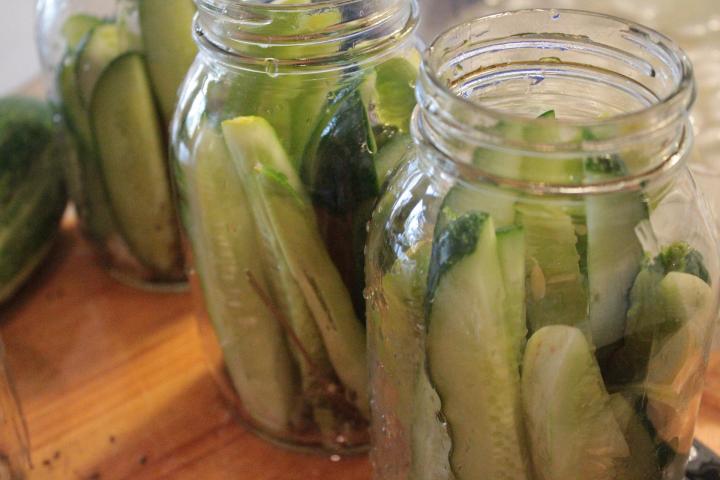
To avoid canning burnout, start with a small project at first. I love to can pickles. Most pickles need only 5 minutes of processing in boiling water. Lift jars out, removing one jar at a time! Spread them out on a cloth towel or wooden countertop to cool. If you hear popping noises, it is the jars sealing. Once the jars are cool, check the seal; the center of the lid should be depressed. If a jar doesn’t seal, put it in the fridge to eat right away. The sealed jars can be labeled and stored in the pantry for winter.
The sight of those gleaming jars full of delicious food is very satisfying!
Ready to get started? See our beginner guides:
- Guide to Water-bath Canning (with recipes)
- Guide to Pressure Canning (with recipes)
This Canning Guide was updated and fact-checked as of July 2020 by Christina Ferroli, PhD, RDN, FAND. If interested in nutrition counseling and education practice to make healthier choices—or, simply stay up-to-date on the latest food, nutrition, and health topics—visit Christina’s Facebook page here.
Introduction to Preserving
Freezing
Making Quick Pickles
Making Quick Jams: Refrigerator or Freezer Jam
Vinegars
Water-Bath Canning
How to Can Tomatoes
How to Can Pickles
How to Can Jam and Jelly
Drying
Salting and Brining
Fermenting
More Like This




Hi, Angela. You'll want to wash, then blanch your cauliflower before freezing. Cut the cauliflower into florets and then let it soak in salted water as you boil a pot of water. Also prepare a bowl with ice water. When the water in the pot is boiling, drop florets in and boil for no more than 5 minutes. Drain the cauliflower and then put in the ice water for 2 to 3 minutes. Drain again and dry. Lay the cauliflower in a single layer on a cookie sheet (or sheets) and put in the freezer. After 2 hours, transfer to resealable plastic bags or containers with lids. Eat the cauliflower within a year for best quality.
We have a Mustard Pickles recipe that uses cauliflower. You can find it in our pickling guide here: https://www.almanac.com/content/old-farmers-almanac-guides
Hi, Lynelle. When canning green beans, pressure canning is required. You could put your batch in the refrigerator and eat them soon, but they are not safe for storage.
We would not recommend freezing them.

Start small with something foolproof like pickles or jam and work your way up. Once you have some successes under your belt canning won't seem so daunting.
- « Previous
- 1
- 2
- …
- 10
- Next »

Comments