Complete Guide to Growing and Caring for Echeveria Succulents

Stunning Echeveria Succulents in Pots
Photo Credit
Elisa Salguero
Botanical Name
Echeveria spp.
Plant Type
Sun Exposure
Soil pH
Bloom Time
Flower Color
Hardiness Zone
Subhead

Tips for Thriving, Colorful, and Easy-to-Grow Succulent Plants

Written By: Lauren Landers Master Gardener and Contributing Writer

If you need proof that tough plants can be total softies, look no further than echeveria. These hardy succulents are undaunted by heat, drought, and even cool weather, but they’re so easy to keep that beginners can master them—and they come in lots of fun colors too. I’ve kept a number of echeveria indoors and outdoors over the years, and here are all the tips I’ve used for succulent growing succ-ess!

About Echeveria Plants

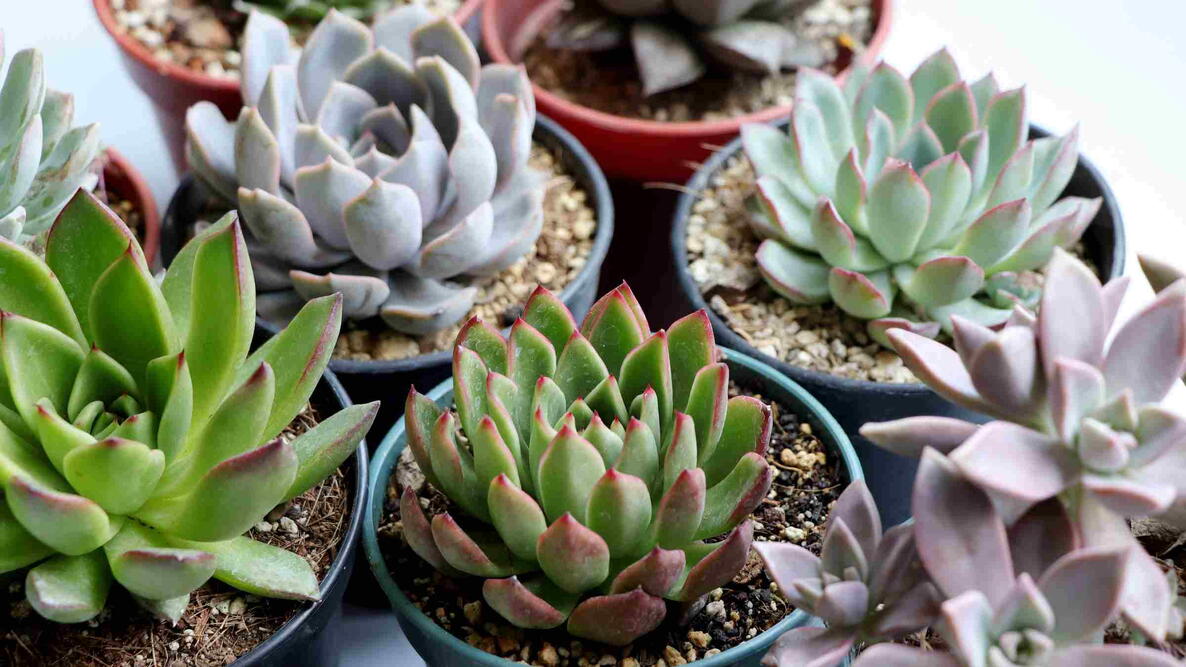
Echeveria are sometimes called “hen and chicks,” but they should not be confused with true hen and chicks or Sempervivum—an entirely different, but related, plant. Like Sempervivum, echeveria belongs to the Crassulaceae family and features plump, colorful leaves that grow in tight rosettes and often reproduce via offsets. However, echeveria aren’t quite as cold-tolerant as Sempervivum, and they’re native to central and south America, while Sempervivum hail from Europe and Africa.

Currently, there are about 150 recognized species of echeveria, as well as thousands of unique cultivars with different leaf and flower colors, bloom times, and more. But despite all that diversity, most echeveria are relatively slow-growing plants that only reach 2 to 12 inches tall and spread just about as wide. Most types of echeveria share similar care needs and thrive in well-draining locations with ample sunlight and minimal watering.

If you live in an area with mild winters, you may be able to keep echeveria outdoors year-round in pots, rock gardens, or xeriscapes. But as I live in New England, I only grow echeveria inside as a houseplant, and find it to be a very easy to keep one! These plants excel exceptionally well in terracotta pots, but I also enjoy mixing them into dish gardens with other succulents that have similar care needs, such as kalanchoe and sedum.

Ghost echeveria
Echeveria lilacina, also known as ghost echeveria. Credit: Texture Hunter

Planting

Although echeveria can be grown from seed, it’s much easier and faster to grow them from nursery-started plants!

  • Choose the right location: Outdoor echeveria should be planted in full-sun locations with well-draining soil, while indoor plants require well-draining pots that are at least 4 inches wide.

  • Use succulent potting mix: If you’re growing echeveria in containers, select a potting mix that’s specially designed for succulents and cacti. You can also create your own potting mix by blending equal parts of growing medium, sand, and perlite.

  • Plant at the correct depth: Echeveria should be planted at the same depth they were growing in their nursery pots. These plants can be spaced relatively close together in dish gardens, but tight spacing can increase the risk of plant competition.

  • Withhold water: Waiting a week to water newly planted echeveria can reduce the risk of rot. When you do water, do so sparingly!

Growing

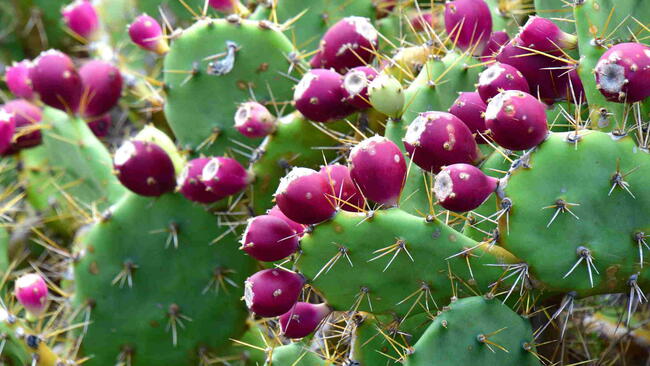
Echeveria makes excellent plants for xeriscape gardens that are designed for drought resistance. If you live in an area where echeveria can grow perennially, try pairing these plants with pricky pear, hen and chicks, and other xeriscape plants with similar care needs. Then, apply a pebble or gravel mulch around your plantings to keep weeds down. I find that these mulches are better for succulents as they don’t trap moisture against the plant’s stems and are less likely to cause succulents to rot.

Water
The most common issue that occurs with echeveria is overwatering. To avoid this, water these plants sparingly and keep them in well-draining pots with succulent or cactus potting mix. Indoor plants should be watered deeply about once every 2 to 4 weeks until the water trickles out of the drainage holes in the plant’s pot. Then, dump any excess water out of the plant's saucer to ensure its roots don’t stay too damp.
Light
As with most succulents, echeverias are full-sun plants that need a minimum of 6 hours of bright light per day. South- or west-facing windows tend to be best for these plants, while those that appear leggy or stretched out require more light.
Humidity
Low humidity is no problem for echeveria, but highly humid conditions may increase the risk of rot. That’s why these plants aren’t great fits for bathrooms and other steamy areas!
Temperature
Echeveria can grow outdoors perennially in locations that don’t experience frost and that stay above 45°F year-round. If you live in a cooler climate, you can keep echeveria outdoors in summer, but plants should be moved back inside before cold weather sets in. Indoors, echeveria should be kept away from drafts and cold windows, which can potentially damage their leaves.

Fertilizer

Although echeveria generally don’t need fertilizer, you can feed these plants lightly in spring and summer if they look like they need it. Just use a liquid organic fertilizer diluted to ¼ strength and keep the fertilizer off the plant’s leaves to avoid fertilizer burn.
Toxicity
If you have pets in your home, you’re in luck. Echeveria are nontoxic and purr-fectly safe for cats and dogs!

Pests/Diseases

Sturdy echeveria are untroubled by drought, sun, and most pests. But indoor and outdoor plants can sometimes develop problems if they’re stressed by watering or other environmental factors.

  • Pests, like mealybugs, spider mites, and fungus gnats will sometimes attack echeveria, but this usually occurs if the plants are already stressed. Organic soap sprays can treat these insects, but the presence of fungus gnats typically indicates that plants are getting too much water.
  • Yellow, brown, mushy leaves, or leaf drop are usually signs of overwatering. However, echeveria plants will naturally lose their lower leaves as they age.
  • Shriveled or wrinkled leaves mean your echeveria needs more water!

Potting and Repotting

Repotting echeveria succulents is key to keeping them healthy and thriving. Even slow-growing plants benefit from fresh potting mix and the right container.

How Often to Repot Echeveria

Slow-growing echeveria succulents rarely need repotting. There’s no need to cause unnecessary stress to your plant. I usually only repot my plants if the growing medium looks worn out or compacted. 

When to Repot Echeveria

Spring is the best time to repot echeveria, as the plant is entering its active growing season. However, you can also repot in other seasons if your succulent shows signs of overwatering, root rot, or outgrowing its current container.

How to Repot Echeveria Succulents

Follow these simple steps to safely repot your echeveria:

  1. Remove the plant – Let the potting mix dry out completely, then gently lift the echeveria from its old pot. If it sticks, run a butterknife around the rim to loosen the growing medium.
  2. Choose the right pot – Use a well-draining pot that’s only slightly larger than the original container. Terra-cotta pots are especially good for succulents because they help prevent overwatering.
  3. Plant at the proper depth – Place your echeveria at the same depth it was growing before, firm the potting mix gently around the roots, and wait one week before watering. This helps the plant settle and reduces the risk of root rot.

Tips for Healthy Repotting

  • Use a succulent or cactus potting mix for best drainage.
  • Avoid watering immediately after repotting—wait at least a week.
  • Look for signs that your echeveria needs repotting: roots growing out of drainage holes, compacted growing medium, or slowed growth.

Propagation

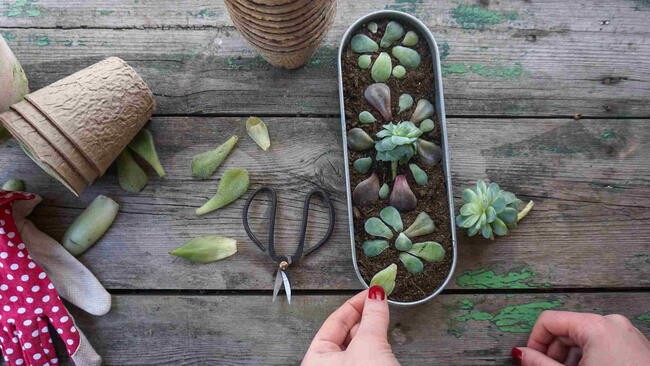
Non-hybridized echeveria can be propagated from seed, but it’s much easier to propagate these succulents from offsets, stem cuttings, or leaves. Stem cutting propagation is particularly helpful for fixing echeveria that have become leggy or overgrown!

  • Use a sharp, sterilized knife to cut an echeveria offset off the parent plant, or to cut off a leggy plant stem. Trim the lower leggy section off the cutting with a sharp cut.
  • If you’re propagating leaf cuttings, gently wiggle a healthy leaf until it pops off the plant whole. Damaged, cut, or broken leaves won’t propagate well.
  • Place the offset, stem cutting, or leaf to the side in a warm, dry spot for a few days to callus over.
  • Plant the offset or stem cutting in damp succulent growing medium, or scatter echeveria leaves across the medium’s surface.
  • Keep the potting mix evenly moist, but not damp, while your plants are rooting, and locate the cuttings in an area that receives bright, indirect sun.
  • Once the plants root, reduce watering and treat them just like the parent plant.
  • Leaf cuttings will eventually produce new, rooted plants, which should be potted up on their own with the original leaf still attached!
Succulent propagation through echeveria leaves
Succulent propagation through echeveria leaves. Credit: Chene Taljaard

Seasonal Care

Echeveria needs less water in winter than in summer, and fertilizer should only be applied in spring and summer if you’re using it. Over time, the older leaves on echeveria plants will shrivel and fall away. Gather these up and discard them so they don’t encourage pests or disease to spread.

Wit and Wisdom

  • Unlike Sempervivum, echeveria are monocarpic plants that can bloom more than once and live for decades!
  • Outdoors, echeveria serve as pollinator plants for butterflies, bees, and hummingbirds.
  • Interestingly, echeveria got its name from the 18th-century Mexican botanical artist Atanasio Echeverría y Godoy.
Overhead shot of echeveria elegans (succulent) in bloom in a pot against white backdrop
Echeveria elegans, a succulent that produces lantern-shaped pinkish flowers. Credit: MarCaLo

About The Author
Lauren Landers

Lauren Landers

Master Gardener and Contributing Writer

Lauren is a gardener, writer, and public speaker with over a decade of experience helping others learn about gardening, homesteading, and sustainable living.She combines years of practical gardening a...