How to Plant and Grow Primroses (Primula spp.)

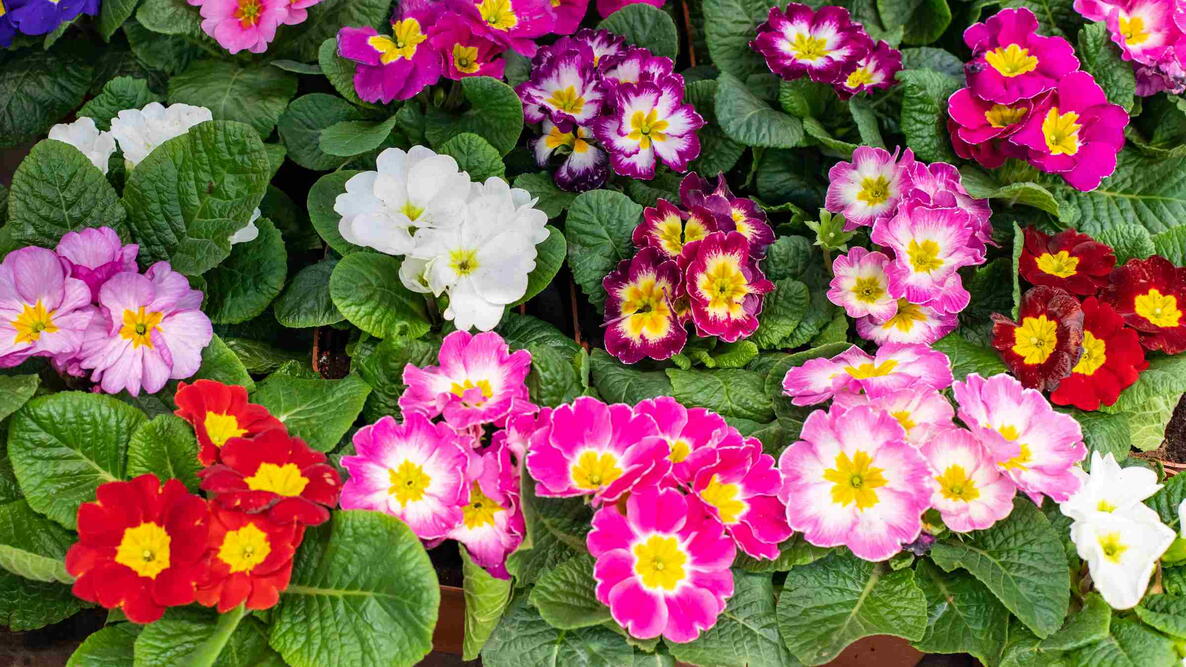
Colorful primrose flowers in pink, red, white, and purple with yellow centers

Caption

Colorful primroses brighten early spring gardens with long-lasting blooms.

Photo Credit
OlgaKorica/Getty Images
Botanical Name
Primula spp.
Plant Type
Sun Exposure
Soil pH
Bloom Time
Hardiness Zone
Subhead

Cold-hardy blooms for garden beds, borders, and containers

Written By: Lauren Landers Master Gardener and Contributing Writer

If you’re looking for an early-blooming plant with classic appeal, it’s prim(e) time to add primroses to your garden or potted plant collection!

Prim and pretty, primroses are most renowned for their cold tolerance and colorful springtime flowers, but these easy-care plants also attract birds and pollinators; they’re cottage garden favorites, and they’re simple to grow, too. 

Most primroses are short-lived perennials in cooler climates, though they’re often grown as spring annuals in warmer areas. Here’s a look at what makes primroses such appealing plants, how to plant and grow primroses successfully, and design tips to make these garden darlings stand out in any space.

About Primrose Plants

Despite their name, primroses aren’t related to roses—or evening primroses either. Instead, these plants are more closely linked to cyclamen and shooting stars, which share a similar delicate look and a tolerance for cool weather.

There are hundreds of primrose species and countless hybrids. Most form low-growing rosettes of leaves, while their spring blooms rise 6 to 24 inches tall and appear singly on stems or clustered in showy heads. Alpine primroses prefer sunnier, well-drained locations, woodland primroses favor shade and damp conditions, and hybrid cultivars are especially prolific bloomers but can be more demanding.

Found across Europe and Asia, primroses grow wild in lightly shaded woodlands, beneath trees and shrubs, and along damp streambanks. In the garden, they’re often used as border or groundcover plants, and I personally think they shine when paired with cottage garden favorites that bloom later in the season—such as foxglove, irises, Irish moss, ferns, lungwort, and hostas. Primroses also perform beautifully in containers, indoors or out.

Planting

For beginners, the easiest way to grow primroses is to start with nursery-grown plants. This allows you to choose the flower colors you love and enjoy blooms right away.

Potted primrose plants in yellow, red, purple, and white at a garden center
Nursery-grown primroses in a range of colors are the easiest choice for beginner gardeners. Credit: GrafVision/Getty

Growing primroses from seed is possible, but it can be tricky and highly temperature-dependent—not ideal if you’re just getting started.

Tip: At plant nurseries, you may find common primroses labeled as “English Primrose” or “Garden Primrose” to differentiate them from other closely related Primula species.

When to Plant Primroses

Plant nursery-grown primroses in early spring, just after your last frost date. In mild climates, they can also be planted in the fall for early spring blooms.

How to Plant Primroses

  • Choose the right location. Most primroses grow best in partial shade with rich, well-draining soil. Alpine types prefer more sun and sharp drainage, so check your variety before planting.
  • Dig a hole. Make a hole slightly wider than the root ball. Remove the plant from its pot and gently loosen any circling roots.
  • Set the plant. Position it at the same depth it was growing in its container. Backfill with soil and firm gently.
  • Water well. Give plants a deep watering after planting. Add mulch to keep roots cool, but keep mulch away from the crown.
  • Space properly. Plant 6 to 12 inches apart. For a groundcover effect, space slightly closer together.

Growing

Most primroses are short-lived perennials that can live up to 5 years and often bloom more profusely each season. In cooler climates, they return reliably each spring. In hotter regions, however, primroses struggle with summer heat and are often grown as annuals.

Primroses typically bloom for 8 to 10 weeks in spring—anywhere from February through May, depending on your zone. In areas with mild summers, plants may remain semi-evergreen. In warmer zones, they often go dormant during summer heat and re-emerge when temperatures cool.

Primrose Care Tips

  • Light: Most primroses prefer partial shade, especially afternoon shade. Too much direct sun can shorten bloom time.
  • Water: Keep soil consistently moist but never soggy. Primroses dislike drying out completely.
  • Mulch: Apply mulch to keep roots cool and conserve moisture, but keep it away from the crown to prevent rot.
  • Deadheading: Pinch off spent blooms to encourage continued flowering and extend the season.
  • Dividing: Divide clumps every few years in early fall or after flowering to keep plants vigorous.

Tip: If you skip deadheading, primroses won’t bloom as long—but they may self-sow and spread naturally.

Water
Primroses should be watered regularly and prefer consistently moist soil that never gets waterlogged. Still, watering needs vary from species to species, and some types of primroses require slightly more water than others. If you’re growing primroses in pots or in sunnier locations, be prepared to water them more!
Light
Some primroses tolerate more light than others, and it’s wise to research the growing needs of the primroses you choose to grow. Most primroses do well in partial shade, though, and thrive in the light shade cast by taller trees and shrubs.
Humidity
Primroses thrive in relatively high humidity, but they can tolerate lower humidity conditions outdoors as long as the plants are watered regularly. Indoor primroses may require a humidifier or pebble tray to prevent crispy leaves.
Temperature
Despite their dainty look, primroses handle cold weather like champs and don’t need any winterizing other than a light layer of mulch. These plants are at their best when nighttime temperatures are between 50 and 60°F and daytime temperatures stay under 80°F—primroses will struggle when temperatures get higher than that. If you’re keeping primroses indoors, locate them in the coolest room in your home.
Fertilizer
Most primroses should be fed just once a year in early spring with a balanced or low nitrogen fertilizer. Double-blooming or hybrid primroses, however, are a bit more demanding and bloom best when they’re fertilized regularly with a ½-strength liquid organic fertilizer. Primroses grown indoors don’t need any fertilizer at all.
Toxicity
Primroses are toxic to pets and people.

Pests/Diseases

Primroses are usually pest and problem-free as long as they get the right care and attention. However, these plants can sometimes be troubled by issues such as:

  • Pests like mealybugs, whiteflies, slugs, snails, and aphids will occasionally feed on primroses. Slugs and snails are best managed with slug pubs, while smaller pests can be sprayed away with your garden hose or managed with weekly treatments of an organic insecticidal soap spray.
  • Diseases like leaf spot can ruin primrose leaves, while crown or root rot will set in if these plants are overwatered or grown in poorly draining spots. To treat and prevent these issues, grow primroses in well-draining locations with good airflow and remove and destroy any diseased leaves as soon as you see them. 

Potting and Repotting

Florists’ primroses and a few other cultivars are specifically grown for indoor display and forced to flower earlier or later than they would normally. These plants will naturally revert to their normal spring-blooming season over time, but they (and other potted primroses!) can be kept alive indoors year-round by following these tips.

  • Choose the right pot. A single primrose should be grown in a well-draining 4- to 12-inch-diameter pot filled with a quality potting mix.
  • Divide them annually. Primroses grow quickly and should be divided once a year, immediately after they finish flowering.
  • Provide the right care. To keep indoor primroses happy, grow them in bright, indirect light, boost humidity with a humidifier, and water them when the top 1 inch of soil feels dry.
Red primrose flowers growing in a natural stone planter
Primroses thrive in containers, adding early spring color to patios and small spaces. Credit: Getty Images

Propagation

Growing primroses from seed is difficult, but you can create more primroses by dividing your plants every few years. Here’s how!

  • Choose the right time. The best time to divide primroses is when the plants are well-established and just after they finish flowering.
  • Dig up your plants. Use a shovel to dig around and gently lever primroses out of the soil.
  • Divide into divisions. Tease each plant apart into 2 or more rooted sections, or use a shovel or pruners to do the work for you.
  • Replant ASAP. Replant the divisions immediately at the same depth they were previously growing and space multiple plants at least 6 inches apart. Water the divisions generously until the first shoots of new growth appear and then reduce watering slightly.

Seasonal Care
Primroses usually don’t need any winterizing in areas where they’re hardy, but they should be replaced each spring in hot climates where the plants die back in summer. Deadheading primrose flowers often and adding mulch over their roots will extend their blooming time, too. These plants generally don’t need any pruning beyond nipping away dead and damaged leaves as they occur.

Wit and Wisdom

  • The genus name Primula refers to the Latin word primus and references the fact that primroses are some of the first plants to bloom in spring. Even more charmingly, Prima and Rosa mean “first rose.”
  • Primroses are often referenced in Romantic poetry and can be found in the words of Wilde, Wordsworth, Chaucer, and Keats. Shakespeare wrote of the “primrose path” in Hamlet to indicate a route one takes for pleasure at any cost.
  • Harvesting and picking wild primroses is illegal in many areas due to overharvesting.
  • Not only are bees, butterflies, and beetles common pollinators of primroses. Ants are attracted to their flowers and help to sow their seeds too!

About The Author
Lauren Landers

Lauren Landers

Master Gardener and Contributing Writer

Lauren is a gardener, writer, and public speaker with over a decade of experience helping others learn about gardening, homesteading, and sustainable living.She combines years of practical gardening a...