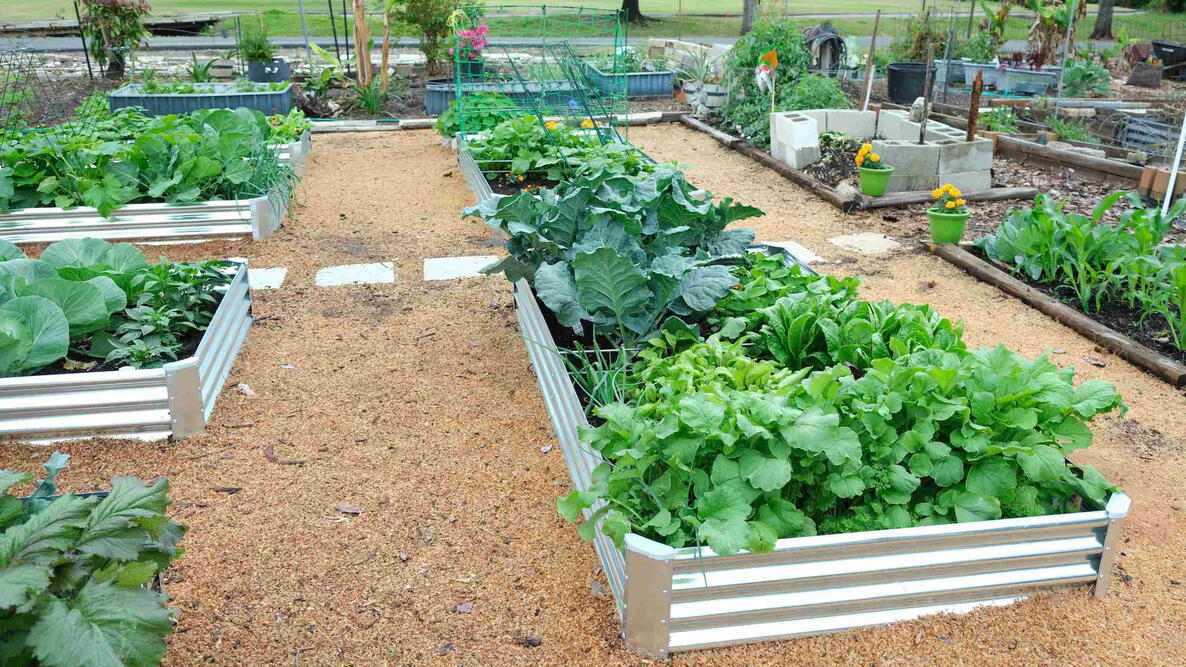
Caption
A structured vegetable garden layout using galvanized raised beds and defined pathways for easy access and maintenance.

Looking for vegetable garden layout ideas? Start with your space. A small yard may benefit from square-foot gardening or compact raised beds, while larger lots often work best with traditional row planting. Poor soil? Raised beds can help. Limited sun? Choose shade-tolerant crops and place your beds where they’ll get the most light.
Below, you’ll find eight of the most common vegetable garden layout styles—from raised beds and square-foot gardening to traditional rows and container gardens. Compare options, see real-life examples, and explore detailed garden plans from our gardening experts.
How to Choose the Best Vegetable Garden Layout for Your Space
The best vegetable garden layout depends primarily on your available space, soil quality, and how much food you want to grow. A compact yard may benefit from square-foot gardening or raised beds, while larger properties often work well with traditional in-ground rows.
If your soil is poor or rocky, raised beds allow you to control soil quality. If you want a highly organized system with minimal weeding, square-foot gardening may be ideal. Gardeners focused on high production often prefer row layouts for efficiency.
Think first about your space and goals—then choose the layout style that supports them.
Which Vegetable Garden Layout Fits Your Space?
Use this quick guide to narrow down the best vegetable garden layout for your situation:
- Small yard or limited space: Square-foot gardening or compact raised beds maximize production in tight areas.
- Poor, rocky, or compacted soil: Raised bed layouts let you control soil quality and improve drainage.
- Large open lot: Traditional in-ground row gardens are efficient for planting, watering, and harvesting at scale.
- Low-water conditions: Mulched raised beds with drip irrigation help conserve moisture.
- Beginner gardener: A simple 4×8 raised bed layout is easy to manage and highly productive.
Below, explore each layout type in more detail to see how it works in real gardens.
Raised Bed Vegetable Garden Layouts
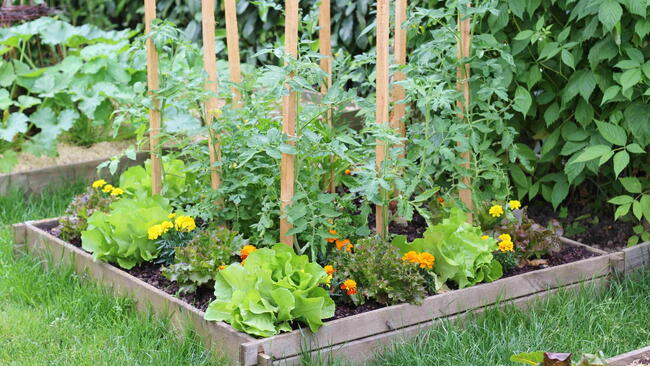
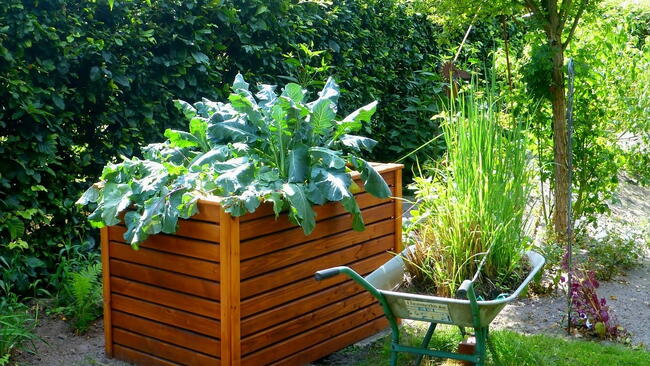
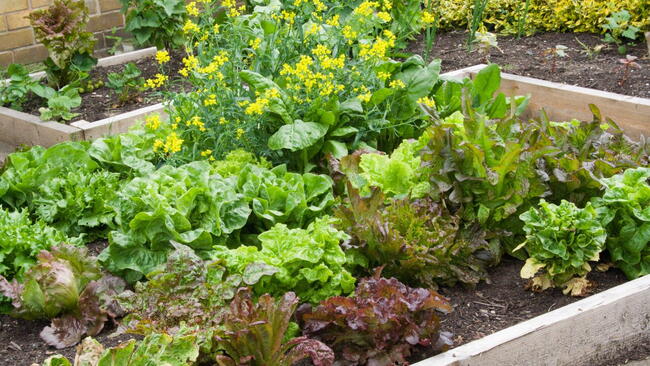
A raised bed vegetable garden layout is one of the most popular and versatile ways to grow food at home. By planting in framed beds filled with high-quality soil, you can improve drainage, warm the soil faster in spring, and create clearly defined growing areas.
This layout works especially well if your native soil is rocky, compacted, or nutrient-poor. Raised beds also make spacing easier to manage and reduce bending, making them a great choice for beginner gardeners or anyone looking for an organized, low-maintenance setup.
Start with a Ready-to-Use Raised Bed Layout
Visit our Garden Layout Library to find raised bed templates designed by Almanac horticulturalists, as well as some favorite garden plans by our own Almanac gardeners!

Square-Foot Gardening Layout Ideas
Square-foot gardening is a highly organized raised bed layout that divides your growing area into 1×1-foot squares. This block-style planting method replaces long rows with dense groupings to maximize space.
This method is ideal for small yards, urban gardens, and gardeners who want a simple, structured approach that takes the guesswork out of spacing and crop diversity. Because crops are planted square-by-square, square-foot gardening reduces weeding and supports efficient harvests.
Start with a Square-Foot Garden Plan Template
For a ready-to-use design developed by Almanac horticulturalists, try our:
Learn more about the SFG method and browse real square-foot garden plans from Almanac gardeners.

Backyard Vegetable Garden Layouts
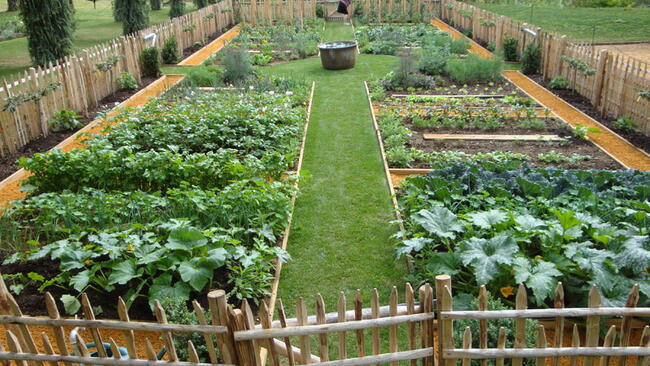
Backyard vegetable garden layouts typically use in-ground rows and can combine classic planting with flexible spacing and pathways. This traditional approach works well when you have a moderate to large open area and want a straightforward, productive garden without built-in frames.
This layout is ideal for gardeners who want open planting, room for larger crops, and plenty of flexibility in bed shape and orientation. In-ground rows make it easy to plan pathways, manage spacing, and rotate crops from season to season.
Start with a Backyard Garden Plan Template
For a practical, step-by-step layout designed by Almanac horticulturalists, check out our:
For inspiration from real-world gardening, explore a full row-garden layout from an experienced Almanac gardener—great for larger yards: Traditional Row Garden Plan (34×40).

Container Vegetable Garden Layouts
A container vegetable garden layout is ideal for patios, balconies, and very small yards where in-ground planting isn’t possible. Instead of traditional beds, crops are grown in individual pots, grow bags, or planters arranged for easy access and efficient use of space.
Container layouts work especially well for tomatoes, peppers, lettuce, herbs, and compact vegetable varieties. By grouping containers based on sunlight and watering needs, you can design a productive vegetable garden even in very limited space.
Start with a Ready-to-Use Container Garden Plan
Several Almanac gardeners have patios or small spaces. So, we created a container garden plan, focusing on veggies that grow well in pots!

Kitchen Garden (Potager) Layout
A kitchen garden layout—often called a potager—combines vegetables, herbs, and select edible flowers into a structured, visually appealing design close to the home. Instead of separating food from ornamentals, a potager arranges crops intentionally, creating a garden that is both productive and beautiful.
Beds are often organized in geometric patterns, framed sections, or tiered arrangements, making the layout easy to maintain and harvest regularly. By mixing leafy greens, colorful vegetables, and culinary herbs, you can create a space that feels almost like a living tapestry—designed to be seen and enjoyed every day.
Best for: Gardeners who want a productive vegetable garden with strong visual appeal and convenient access to fresh ingredients.
Explore a structured Kitchen Garden Layout Template.

Partial Shade Vegetable Garden Layout
Not every garden receives full sun, but you can still grow vegetables successfully with the right layout. A partial shade garden focuses on positioning beds to receive the most available light and selecting crops that tolerate reduced sunlight.
Leafy greens, root vegetables, and many herbs perform well with 4–6 hours of sunlight. In shaded spaces, thoughtful bed orientation and proper spacing help ensure plants receive consistent light and airflow.
Best for: Gardeners working with limited sunlight who still want a productive vegetable garden.
Explore a Vegetable Garden Layout for Partial Shade.

Small Space Vegetable Garden Layout
A simple 4×8-foot vegetable garden layout is one of the easiest ways to start growing food. This manageable size provides enough room for a variety of crops while keeping planting, spacing, and maintenance straightforward.
Often built as a single raised bed, the 4×8 layout allows for organized rows or grouped plantings based on recommended spacing. It’s large enough to grow tomatoes, peppers, greens, and root crops—yet small enough for new gardeners to maintain confidently.
Best for: Beginner gardeners or anyone starting with a single raised bed.
Explore the 4×8 Beginner Vegetable Garden Plan.

Herb Garden Layouts
An herb garden layout focuses on compact, efficient planting designed for frequent harvesting. Culinary herbs can be grown in raised beds, small dedicated plots, or containers positioned close to the kitchen for easy access.
Because many herbs prefer well-drained soil and consistent sunlight, grouping them by watering and light needs helps simplify maintenance. Layouts often cluster perennial herbs together while rotating annual herbs seasonally.
Best for: Gardeners who want a manageable edible garden centered on fresh culinary use.
Explore Herb Garden Layout Templates.

Vegetable Garden Layout Comparison
| Layout Type | Best For | Skill Level | Main Advantage |
|---|---|---|---|
| Raised Beds | Poor soil, small to medium spaces | Beginner | Improved drainage and soil control |
| Square-Foot Gardening | Compact gardens | Beginner | High yield per square foot |
| In-Ground Rows | Larger backyard gardens | Intermediate | Scalable production |
| Container Gardening | Patios, balconies, very small spaces | Beginner | Flexible and space-efficient |
| Kitchen Garden (Potager) | Accessible, visually appealing gardens | Beginner–Intermediate | Continuous harvest near home |
| Partial Shade Garden | Limited sunlight areas | Beginner | Maximizes light in low-sun spaces |
| Small 4×8 Garden | First-time gardeners | Beginner | Manageable starter layout |
| Herb Garden | Culinary-focused gardeners | Beginner | Compact, easy harvesting |
Ready to Plan Your Garden?
Once you’ve chosen your layout style, you can map it out using our online Almanac Garden Planner. Drag and drop crops, adjust spacing automatically, and customize bed sizes to fit your exact space.
Prefer a ready-made design? Browse our Free Garden Layouts & Plans Library for structured templates you can adapt to your garden.

Getting Started
Planning For a Garden
Planting a Garden
Plant Growing and Care
Harvesting and Storing Vegetables
More Like This

Sedum, columbine, and other flowers are indeed in the Garden Planner. See the flower list here:
https://gardenplanner.almanac.com/plants/us-and-canada
The emphasis is on vegetables, herbs, fruit, and edibles but the flower list is pretty impressive. We emphasize flower that make excellent companion plants for vegetables and those which benefit pollinators.
Also, the Garden Planner includes icons for row covers (as well as cold frames, greenhouses, hoop houses etc) which automatically adjusts the season for plants grown beneath them. You can find these icons by clicking on the selection bar drop-down filter (just above the plant selection bar), and choosing Garden Objects from the list - the garden objects will then replace the plants in the selection bar. Add the row cover icon to your plan over your plants, and the Garden Planner will automatically extend the dates for those plants.
Plastic covers will raise the temperature in the raised beds. You can start your seeds and plants several weeks earlier. You may also be able to reseed or replant certain vegetables and harvest more produce during the growing season.
- « Previous
- 1
- 2
- …
- 10
- Next »

Comments