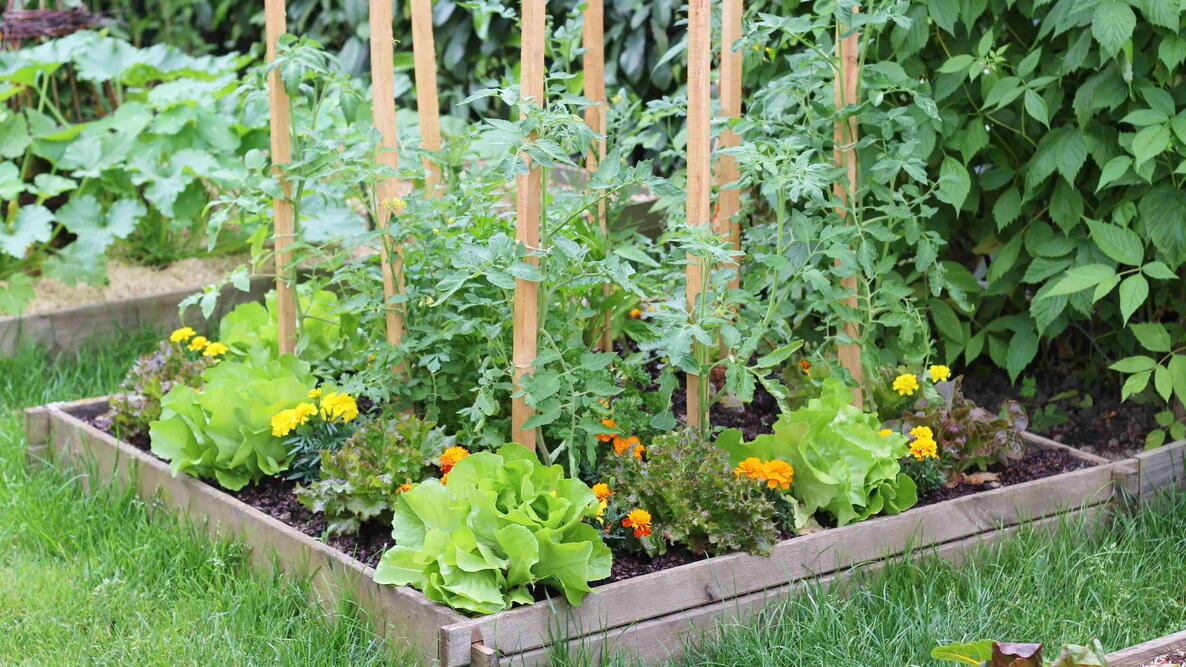
Caption
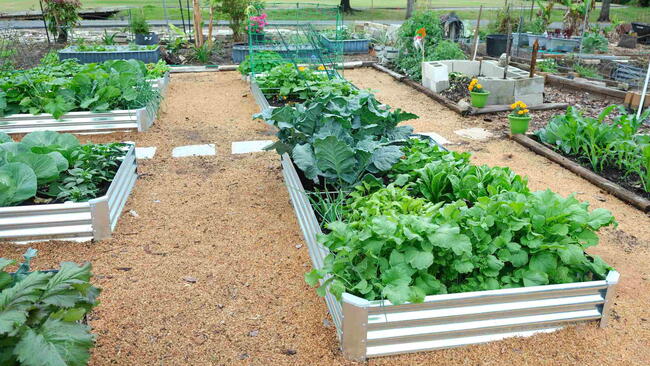
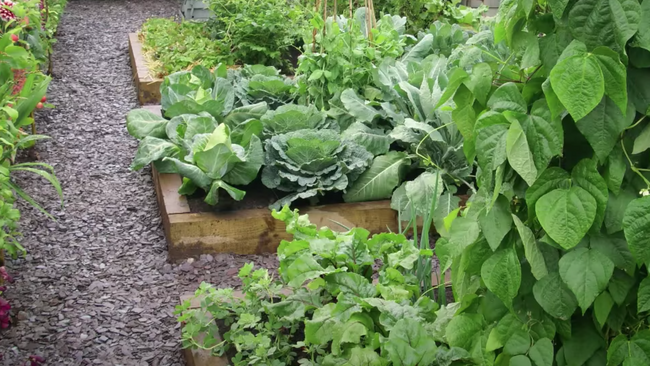
A simple 4×4 raised bed is a perfect starting point for beginner gardeners.
Starting your first vegetable garden can feel overwhelming—but it doesn’t have to be. Below is a simple, step-by-step plan to help you choose the right location, prepare your soil, select easy crops, and plant at the right time for your local growing season.
Watch: Before you start your first garden, consider these 3 basics—where you’ll garden, how much sun you get, and how much time you have.
How to Start a Vegetable Garden in 5 Simple Steps
Starting your first vegetable garden doesn’t have to be complicated. Here’s the simple beginner plan:
- Choose a Sunny Location
Pick a flat spot that gets at least 6–8 hours of direct sun daily. - Start Small
A 4×4 or 4×8 raised bed (or 10×10 in-ground plot) works well for beginners. - Improve Your Soil
Mix in compost or organic matter before planting. - Choose Easy Crops
Start with lettuce, green beans, radishes, tomatoes, zucchini, or peppers. - Plant at the Right Time
Cool-season crops go in early spring. Warm-season crops wait until after your last frost.
Find Your Local Planting Dates
Before planting, find your average last spring frost date. This determines when warm-season crops like tomatoes and peppers can safely go outdoors.
- Use our Frost Date Calculator to look up your local frost dates by ZIP code (or postal code in Canada).
- For all your common veggies, use our 2026 Planting Calendar to determine when to plant seeds or transplant.
- Wherever you live, you can also use soil temperature. Frost dates are simply a guide, but it ultimately comes down to the right seed germination temperatures for different crops.
7 Beginner Mistakes to Avoid in Your First Vegetable Garden
Most first-year gardeners struggle with the same problems. Avoiding these common mistakes can dramatically increase your chances of success:
- Planting too much at once
- Starting with difficult crops
- Ignoring soil quality
- Overwatering
- Planting everything at the same time
- Forgetting to check the sun exposure
- Not harvesting regularly
Many of these issues are easy to prevent with proper planning—see the detailed guidance below. Let’s look more closely at each step.
Pick the Right Location
Choosing the right spot is one of the most important decisions you’ll make. A poor location leads to weak plants and disappointing harvests.
Look for a space that is:
- Sunny: Most vegetables need 6 to 8 hours of direct sunlight daily. Leafy greens can tolerate partial shade.
- Well-drained: Avoid areas where water pools after rain. Wet soil can cause root rot. Raised beds help if drainage is poor.
- Sheltered: Strong winds can damage young plants and reduce pollination.
- Accessible: You’ll be watering, weeding, and harvesting often. Choose a spot that’s easy to reach.
- Nutrient-rich soil: Healthy soil is the foundation of a productive vegetable garden.
Before planting, consider taking a soil test to understand your soil’s nutrient levels and pH. You can also learn how to prepare your garden soil for planting and improve it naturally with the best soil amendments.
Adding compost each season improves soil structure and fertility. See our guide on how to make compost or build your own with this DIY compost bin tutorial.

Choosing a Plot Size: Start Small!
It’s better to be proud of a small garden than be frustrated by a big one.
One of the most common beginner mistakes is planting too much too soon. Start small—you can always expand next year.
If you’re unsure whether to grow in raised beds, in-ground rows, or containers, see our overview of gardening methods (raised beds vs. in-ground vs. containers) to compare the pros and cons of each.
Size of Garden
- In-ground: A 10×10-foot garden (100 square feet) is a manageable size. Pick three to five vegetables and buy three to five plants of each.
- Raised bed: A 4×4-foot or 4×8-foot bed is a great beginner size. See our Raised Garden Bed Guide. If you’d like to build your own, see our step-by-step DIY raised garden bed guide.
- Going bigger: A 12×24-foot garden is about the largest a first-timer should consider—only if you’re ready for regular maintenance.
- Plan paths: Every 4 feet or so, include paths so you can weed and harvest without stepping on the soil.

Basic Gardening Tools for Beginners
Start with these basics—you can always expand your tool collection as your garden grows. You can browse recommended tools in the Almanac Store.
- Garden trowel: For digging small holes and transplanting seedlings.
- Hand pruners: For harvesting and trimming plants.
- Watering can or hose: Consistent watering is essential, especially for young plants.
- Garden gloves: Protect your hands while planting and weeding.
- Garden fork or spade: Helpful for loosening soil and mixing in compost.
Choosing Vegetables
Start with crops that are productive and forgiving. Most are best started from seed sown directly into the soil, unless noted.
For region-specific advice, contact your state’s Cooperative Extension Service.

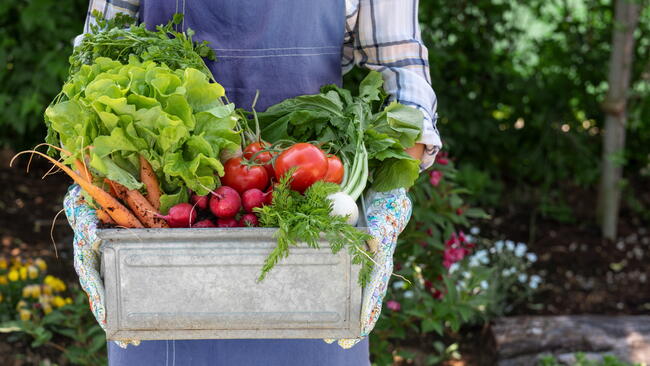
Top 10 Easiest Vegetables to Grow
(Tip: Click on a veggie’s name to see its detailed Growing Guide.)
- Lettuce
- Green beans
- Radishes
- Tomatoes (by transplant, i.e., small nursery plant)
- Zucchini
- Peppers (by transplant, i.e., small nursery plant)
- Beets
- Carrots
- Chard, Spinach, or Kale
- Peas
Mix in flowers such as marigolds to discourage pests, attract pollinators, and add color.
Five smart rules for choosing crops:
- Grow what you actually eat.
- Don’t overplant. Start small so you can keep up with watering, weeding, and harvesting.
- Choose vegetables worth growing. Some crops are dramatically better fresh (think lettuce and tomatoes).
- Consider your schedule. Summer crops need attention—plan help if you’ll be travelling.
- Use high-quality seeds. Good seed (or healthy transplants) pays off at harvest time.
Where and When to Plant
Once you’ve chosen your crops, timing and layout matter. Ask yourself:
- Where will each plant go?
- When will each vegetable be planted?
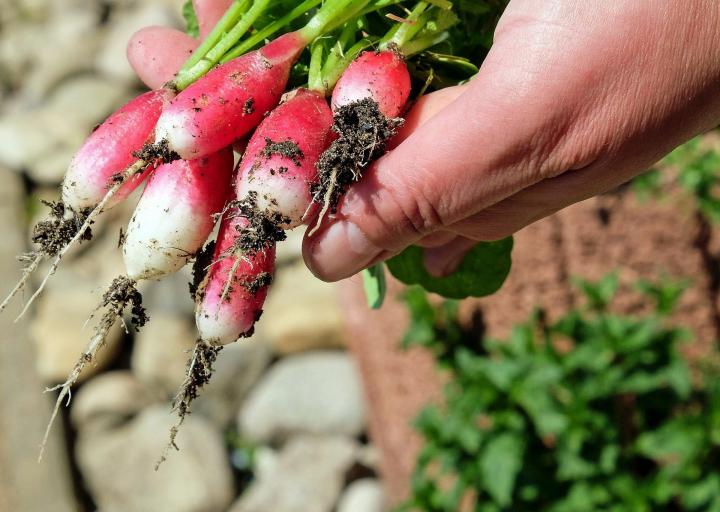
Some vegetables are planted directly from seed (such as carrots and radishes), while others—like tomatoes and peppers—are usually transplanted as young seedlings. Your planting calendar will indicate which method to use and when.

Basic layout guidelines:
- Cool-season crops (lettuce, peas, broccoli) grow in early spring and fall. Warm-season crops (tomatoes, peppers, cucumbers) go in after the soil warms.
- Plant tall crops on the north side so they don’t shade shorter plants.
- Most vegetables are annuals (planted each year). Perennials (asparagus, rhubarb, some herbs) need permanent spots.
- “Days to maturity” on seed packets helps you plan harvest timing.
- Stagger plantings every few weeks to extend your harvest.
When to Plant What
Planting times vary by location. Use our Planting Calendar to find your specific dates.
For crop-specific advice, see our Growing Guides for over 100 vegetables, herbs, and fruits.
A Starter Beginner Garden Plan
Seeing a layout can make planning your first garden much easier. Explore our collection of free vegetable and flower garden layouts designed by our expert gardeners.

This simple 4×8 raised bed plan includes easy, productive crops to get started! See the plan with the full plant list.
Frequently Asked Questions About Starting a Vegetable Garden
When should I start a vegetable garden?
Plant cool-season crops in early spring and warm-season crops after your last frost date.
How big should a beginner garden be?
Start small. A 4×4 or 4×8 raised bed is ideal for most first-time gardeners.
What are the easiest vegetables to grow?
Lettuce, green beans, radishes, zucchini, and tomatoes are excellent beginner crops.
Do I need raised beds?
No—but raised beds improve drainage and are easier to manage in small spaces.
Can I start a vegetable garden in containers?
Yes. Many vegetables grow well in pots if they receive enough sunlight and water.
Any questions or advice about starting your garden? See our guide on how to plan a vegetable garden. And check out the comments below from our Almanac community. Happy gardening!
Getting Started
Planning For a Garden
Planting a Garden
Plant Growing and Care
Harvesting and Storing Vegetables
ADVERTISEMENT
- « Previous
- 1
- 2
- …
- 10
- Next »

Comments