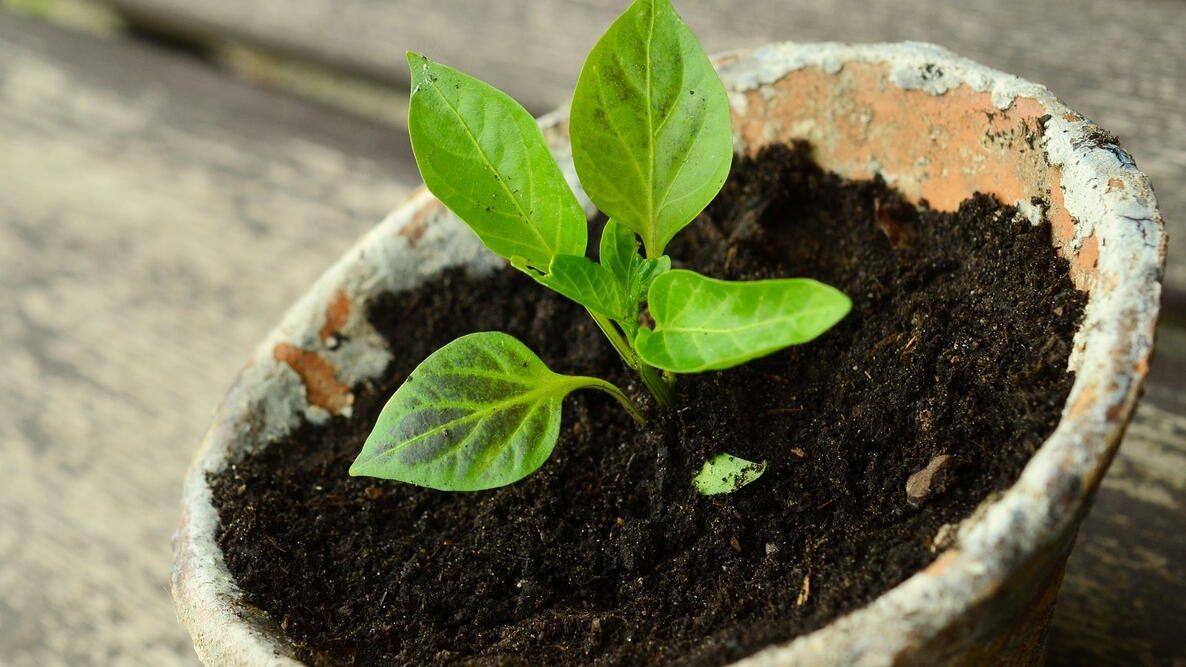

If you get small “starter” plants from the nursery or grow seedlings yourself, you’ll need to transplant them from their container into the soil correctly. It’s critical to transplant correctly so that your plants grow and thrive. Here’s when and how to transplant your seedlings.
What is Transplanting?
When we refer to “transplanting,” we mean the act of moving your starts or seedlings from their containers to the garden soil.
- Small starter plants (called “transplants” or “starts”) are purchased at the nursery. Some vegetables are challenging to start from seed (or take too long), so we rely on the nurseries to get them started. Examples are tomatoes, eggplant, and peppers.
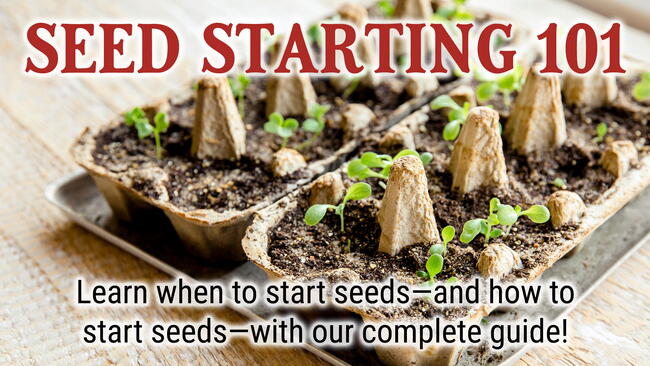
- Many plants are grown from seed at home. See our article on how to start plants from seed indoors to get a jump start on the season, especially if they live in a northern climate with a short growing season.
Keep in mind that some vegetables (and flowers) are NOT cut out for transplanting or being moved; they are best and most easily sown by seed directly in the ground. See seed-starting preference by plant.
When to Transplant
When to transplant depends on the plant. Some plants, such as spinach, are cool-season crops, which means that they should be planted before outdoor temperatures get too warm. Others, like tomatoes and peppers, are warm-season crops and will be weakened by too-cool temperatures. The temperature of the soil is important, too!
→ Check our Planting Calendar, which lists when to transplant each type of vegetable based on your local frost dates.
Don’t rush it! Earlier isn’t necessarily better, and cold temperatures will slow growth rates. Heat-loving plants shouldn’t be outside until nighttime temperatures remain consistently above 60°F (15°C). Keep an eye on local weather forecasts as you prepare for transplanting. If a serious cold snap is imminent, hold off on transplanting until temperatures are more agreeable.
If you start your plants from seed, it’s a good idea to keep track of when you start them and when you transplant them. This will help you plan in future years!
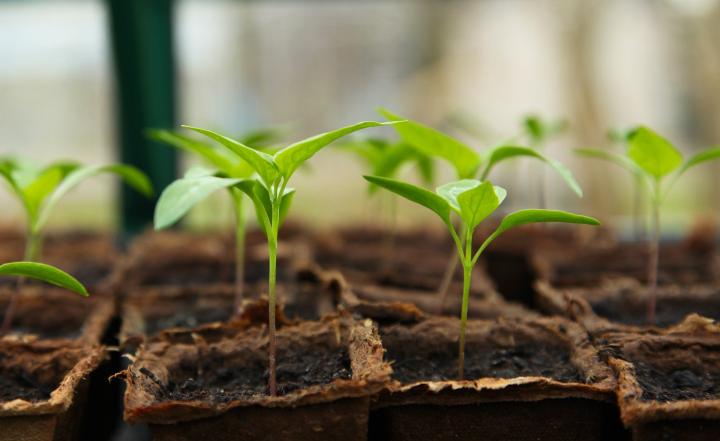
Preparing the Garden and the Plants
When the weather looks like it’s improving, start getting your garden ready for transplanting into the soil!
- Loosen and amend soil. Your garden soil may have become compacted over winter, so loosen and aerate the soil before planting. Remove any rocks or roots of weeds. Work in plenty of organic matter to about a shovel’s depth to help the soil retain moisture, drain well, and allow easy penetration by seedling roots. Read more about preparing soil for planting.
- Anything that raises the soil temperature will help plants adjust to the shock of the cold ground. Spread black plastic or landscaping fabric across the site to boost soil temperature a couple of weeks before planting. See how to warm the soil for spring planting.
- Avoid walking on the soil by creating paths or boards to stand on. Walking on the soil compacts it, making it more difficult for small roots, water, and air to penetrate.
- During the transplants’ last week indoors, withhold fertilizer and water less often to condition them for the harsher outdoor life.
- Harden-off plants. Any seedlings or start plants moving from indoors to outdoors must go through a gradual transition, or they’ll go through shock. Start by watering the plants thoroughly. Then, 7 to 10 days before transplanting, set the seedlings outdoors in dappled shade protected from wind for a few hours each day, gradually increasing their exposure to full sun and windy conditions. This will get them better accustomed to eventually living full-time outdoors.
- Keep the soil moist at all times during the hardening-off period. Dry air and spring breezes can result in rapid water loss. See our complete guide on hardened-off plants.

Transplanting from Pot to Soil in 10 Easy Steps
If possible, transplant on a warm, overcast day in the early morning—this gives the plants a chance to settle into the soil without being instantly exposed to the intense midday sun.
- Check soil moisture. Test to see if your soil is too wet or too dry to dig. Soil should be moist but not soaking wet. Water deeply a day before working the soil. Soil that’s too dry pulls moisture out of plant roots and damages them.
- Use a rake to create a smooth and level surface.
- Dig a planting hole that’s a little bit bigger than the plant’s rootball and about as deep.
- Turn the pot upside down while supporting the soil side with your other hand, being careful not to crush or drop the plant. Tap the bottom of the pot to help the seedling out.
- Place the seedling in the planting hole at the same depth as it grew in the pot. You should be able to cover the seedling with about ¼ inch of soil. Fill in the soil around the rootball.
- Gently tamp down the soil around the seedling so there’s good contact between the seedling’s roots and the soil.
- Soak the soil around new seedlings immediately after transplanting to settle the roots, eliminate air pockets, and reduce the potential for transplant shock.
- A few days after transplanting, give each seedling a cup of starter fertilizer to ensure that phosphorus—which promotes strong root development—is available in the root zone of new transplants. Mix 2 tablespoons of a 15-30-15 starter fertilizer into a gallon of water (1 tablespoon for vining crops such as melons and cucumbers).
- If the season or your climate is particularly dry, spread mulch to reduce moisture loss.
- Watch the forecast for late spring frosts and plan to protect your plants accordingly. Cloches, cold frames, or sheets can be used to protect plants. Be sure to remove protective coverings in the morning.
After you transplant, keep the soil bed moist, never allowing it to dry out. Water gently with a watering can at the soil level (NOT from above). Until the plants are well established, water often enough (usually about once a day) so that the soil surface never dries out but remains constantly moist.
How to Transplant: Step-by-Step Demonstration
Check out this video to learn how to move your seedlings from a potting tray to a garden plot step-by-step.
Keep on Growing
Now that your young plants are in the ground, learn how to care for them for the rest of the season! Our library of 100+ Plant-Growing Guides provides instructions for planting, growing, and harvesting all of your favorite crops and flowers.
Free Online Gardening Guides
Find more information on planting. Visit our complete Gardening for Everyone hub, where you’ll find a series of guides—all free! From selecting the right gardening spot to choosing the best vegetables to watering them the right way, our Almanac gardening experts are excited to teach gardening to everyone.

Getting Started
Planning For a Garden
Planting a Garden
Plant Growing and Care
Harvesting and Storing Vegetables
More Like This

The best days to plant above-ground crops is in "the light of the Moon", between a new and a full Moon. The Moon will be full on Sept. 27. You can plant the seeds any time before the full Moon date. The very best days are Sept. 16-18.
- « Previous
- 1
- 2
- …
- 10
- Next »

Comments