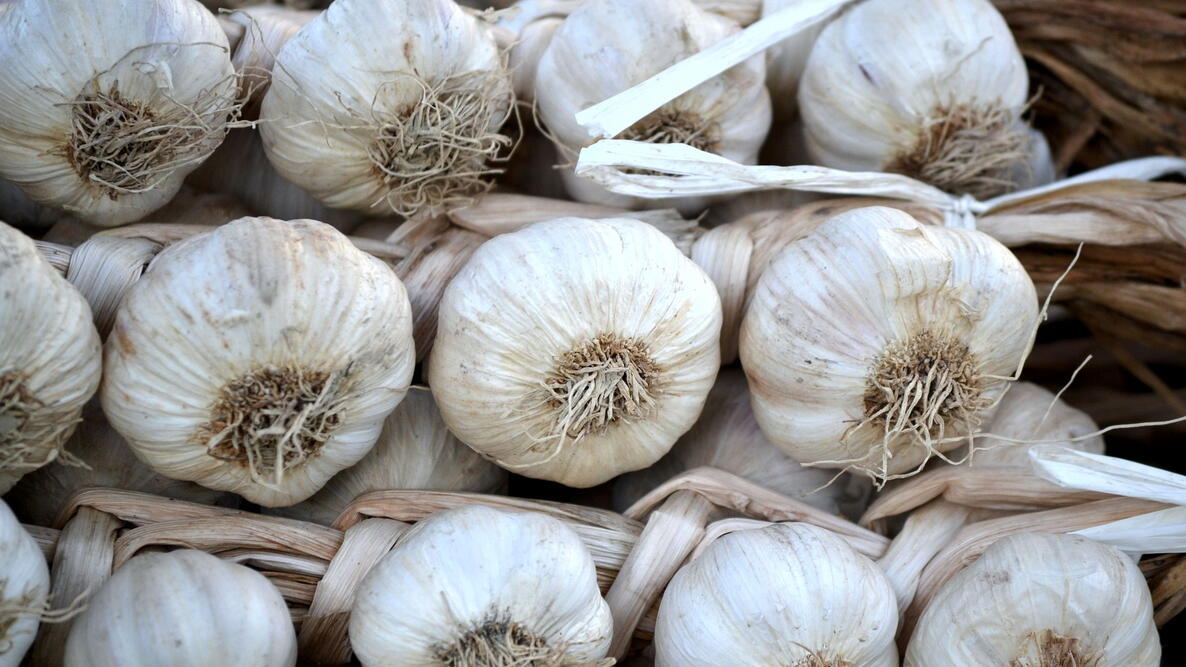

Do you have your cloves in the ground yet? Garlic is incredibly useful in the kitchen and surprisingly easy to grow in the garden. The best time to plant these tasty bulbs is in the fall. Learn how and when to plant garlic to maximize your harvest!
When to Plant Garlic in the Fall
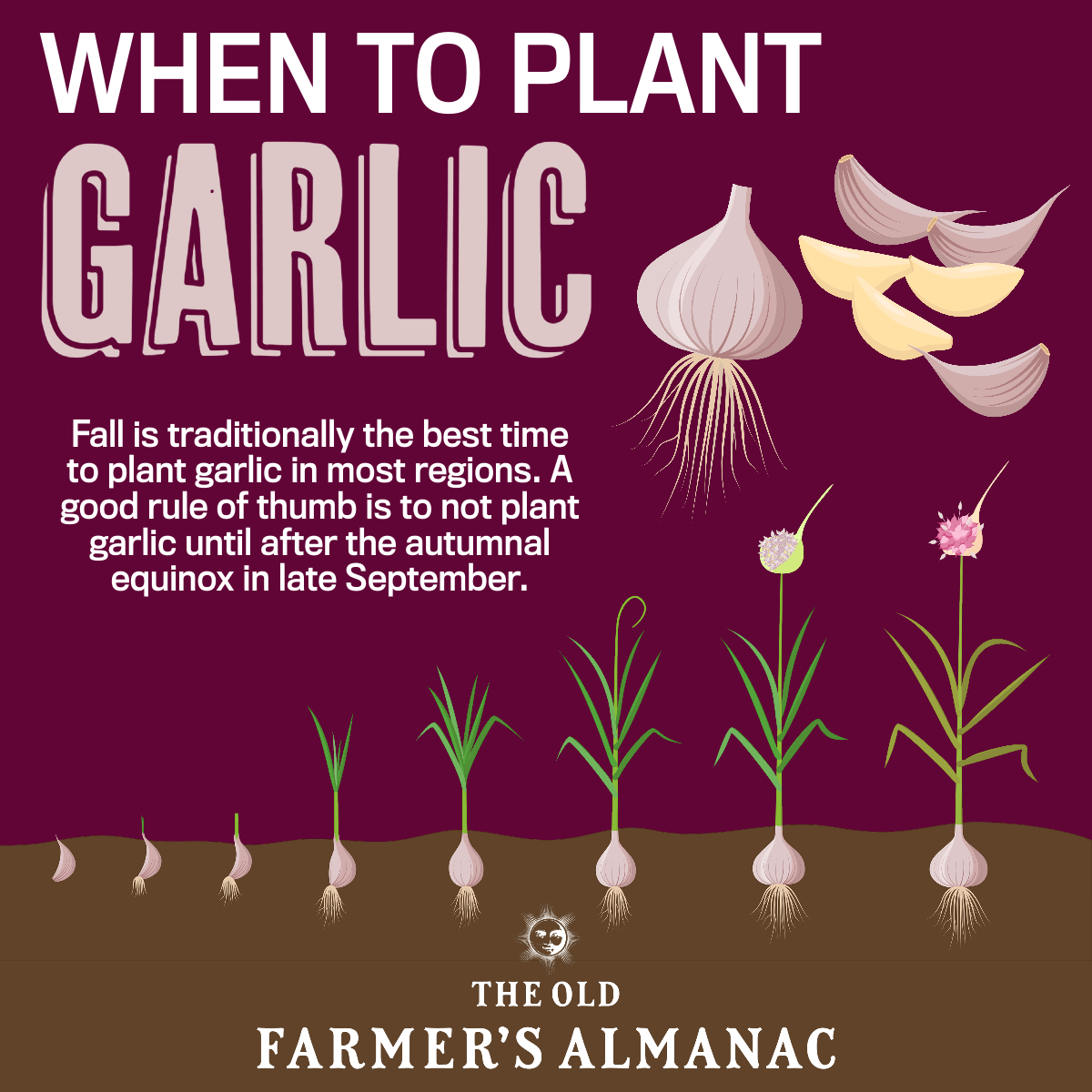
Fall is traditionally the optimal time to plant garlic in most regions. Planting in the fall—about 3 weeks before the ground freezes—gives the roots a chance to establish without the shoots poking through the soil before winter. A good rule of thumb is to plant after the autumnal equinox in late September, though this can vary slightly based on your local first frost dates. Garlic, like other allium crops, is sensitive to day length and develops underground over the winter, so planting in the fall gives it a head start on the growing season. Come spring, it will be one of the first things to emerge in your garden.
| Season / Month | What to Do |
|---|---|
| Fall (Sept–Nov) | Plant garlic cloves 2 inches deep, pointy side up. Mulch 5–8 inches deep. |
| Winter (Dec–Feb) | Garlic stays dormant underground, roots continue to develop. |
| Early Spring (Mar–Apr) | Shoots emerge through mulch; begin light fertilizing. |
| Late Spring (May–Jun) | Garlic grows rapidly; water regularly. Cut off scapes to boost bulb growth. |
| Mid–Summer (Jul) | Stop watering 2–3 weeks before harvest; watch for leaves turning brown. |
| Late Summer (Jul–Aug) | Harvest when 1/3 to 1/2 of leaves are brown. Cure bulbs in a shady, ventilated spot. |
| Fall (Next Year) | Save largest cloves to replant for another harvest cycle. |
Planting Garlic in the Fall
Selecting Bulbs
Choosing the right garlic cloves is key to a successful harvest. There are two main types to consider: Hardneck and Softneck.
- Hardneck garlic produces a stiff central stalk and typically grows best in cooler climates. It has a more complex flavor and produces larger cloves that are easy to peel. Varieties include Rocambole, Purple Stripe, and Porcelain. Hardneck types also produce scapes, edible flower stalks that can be harvested in late spring.
- Softneck garlic is the type most commonly found in grocery stores. It thrives in warmer climates, stores well for longer periods, and is the type usually braided for decorative purposes. Popular varieties include Silverskin and Artichoke garlic.
Avoid using garlic from grocery stores for planting, as these are often treated to prevent sprouting and may carry diseases.
The best source for planting garlic is seed garlic from reputable garden centers, local nurseries, or online suppliers specializing in garlic varieties. Look for disease-free, certified cloves suited to your climate for the best results.
How to Plant Garlic
Garlic is extremely easy to grow, but good soil preparation is necessary if you want to produce the best and biggest bulbs.
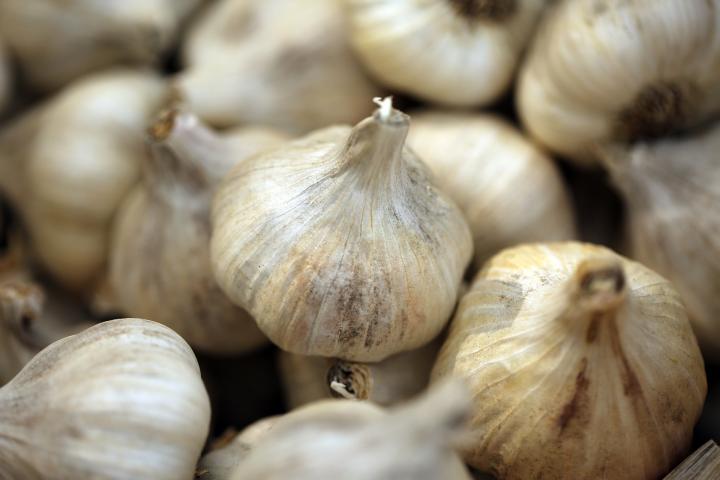
Use quality seed garlic and plant several varieties just in case one does poorly. The largest cloves will produce the biggest bulbs. Plant individual cloves, peels intact, pointy end up, 2 inches deep and 6 inches apart.
Mulch 5 to 8 inches deep with seedless straw. Your garlic will form roots, but little or no top growth, before the ground freezes solid.
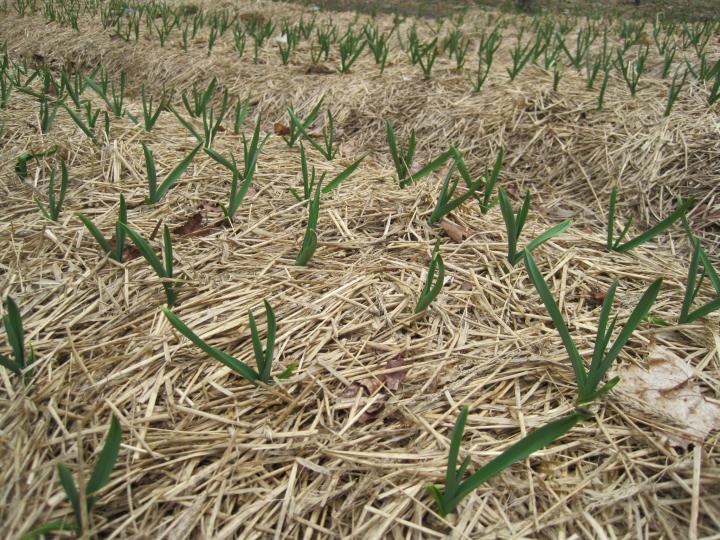
Early next spring, your garlic will be ready to grow, sending up tiny green shoots as soon as the ground thaws.
Caring for Garlic Plants
Feed the plants every other week with a liquid fish emulsion fertilizer from when shoots emerge in early spring until approximately June 1. Water is critical during the bulb-forming stage in early summer, so give your plants 1 inch per week, including rainfall.
If you are growing hardneck garlic—the best type for the Northeast—around the summer solstice, your garlic will send up a scape (seed stalk). This should be cut off to encourage the plants to put all their energy into bulb formation.
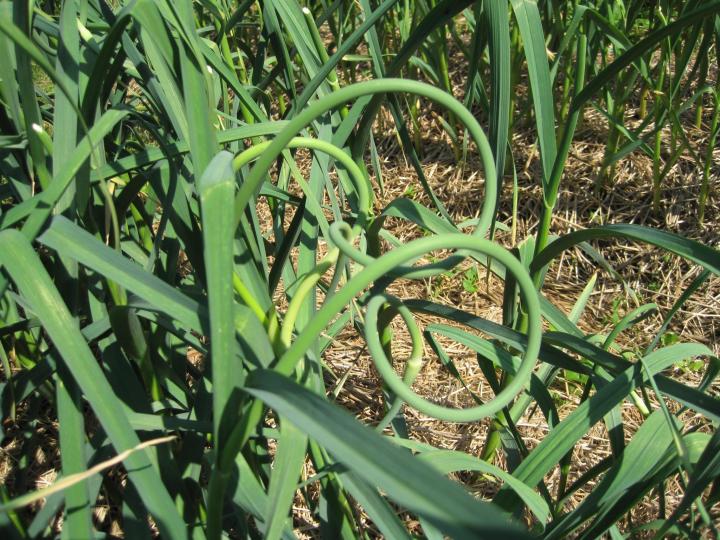
Leave one or two flower stalks standing to help you decide when to harvest your garlic. About 4 weeks before harvest, the outer wrappers on the garlic bulbs start to dry, so stop watering in July. Too much water at that stage can stain the wrapper or even cause mold.
Garlic Pests and Diseases
Not too many pests bother garlic, but don’t plant it where you have had trouble with wireworms or nematodes. Disease is more of an issue in poorly draining soils. See our Pest & Diseases Pages for more information.
How and When to Harvest Garlic
Harvest your garlic around the end of July or early August, when the lower third to half of the leaves have turned brown and wilted, but the upper leaves are still green.
It can be tricky deciding exactly when to harvest, which is where the flower stalks can come in handy. If the leaves start turning brown and the scapes uncurl and stand up straight, it is time to harvest. Learn more about harvesting garlic.
Storing Garlic
Hang bunches of newly harvested garlic to dry in a cool, well-ventilated, shady spot for 3 to 4 weeks to cure. After the leaves, roots, and outer wrappers are completely dry, brush off any loose soil, trim the roots to 1/4 inch, and cut the tops back to an inch or two above the bulb before storing. Under optimum conditions of near freezing temps and 65 to 70% humidity, hardneck garlic will keep for 5 months and softneck for 8 months.
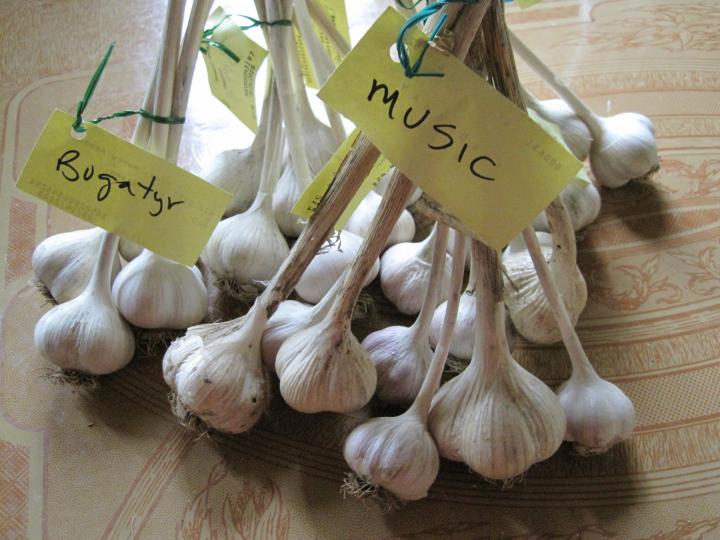
Save your biggest cloves to replant for next year. Old-timers say garlic “learns” because it adapts to your growing conditions and improves yearly. Go ahead—plant some garlic this fall!
Frequently Asked Questions
When is the best time to plant garlic?
Garlic is typically planted in the fall, about 4–6 weeks before the first hard frost. This timing allows the cloves to establish roots before winter without producing top growth. In most regions, this means planting garlic in late September through November.
How deep should I plant garlic in the fall?
Plant garlic cloves about 2 inches deep, with the pointed end facing up. Space cloves 4–6 inches apart in rows that are 12–18 inches apart. Cover with soil and mulch to protect them from cold temperatures.
When should I harvest garlic planted in the fall?
Garlic planted in the fall is usually ready to harvest in mid- to late summer, around July, depending on your local climate. Harvest when the lower leaves start to turn brown, but the upper leaves are still green. This ensures bulbs are fully developed and will store well.
Learn more about garlic on our Garlic Growing Guide page.
Do you have any tips or tricks for planting garlic in the fall?
Fall Flowers and Foliage
Fall Vegetable Gardening
Fall Garden Cleanup
Garden Soil Preparation
Fall Nature
More Like This

Hi, Elizabeth. You should move your garlic bed every two years. So if this is only your second year growing garlic, you can put it in the same spot. But next year, you should find a new place to plant your garlic.
In that climate, it would be best to plant it a little later. Aim for mid October.
- « Previous
- 1
- 2
- …
- 10
- Next »

Comments