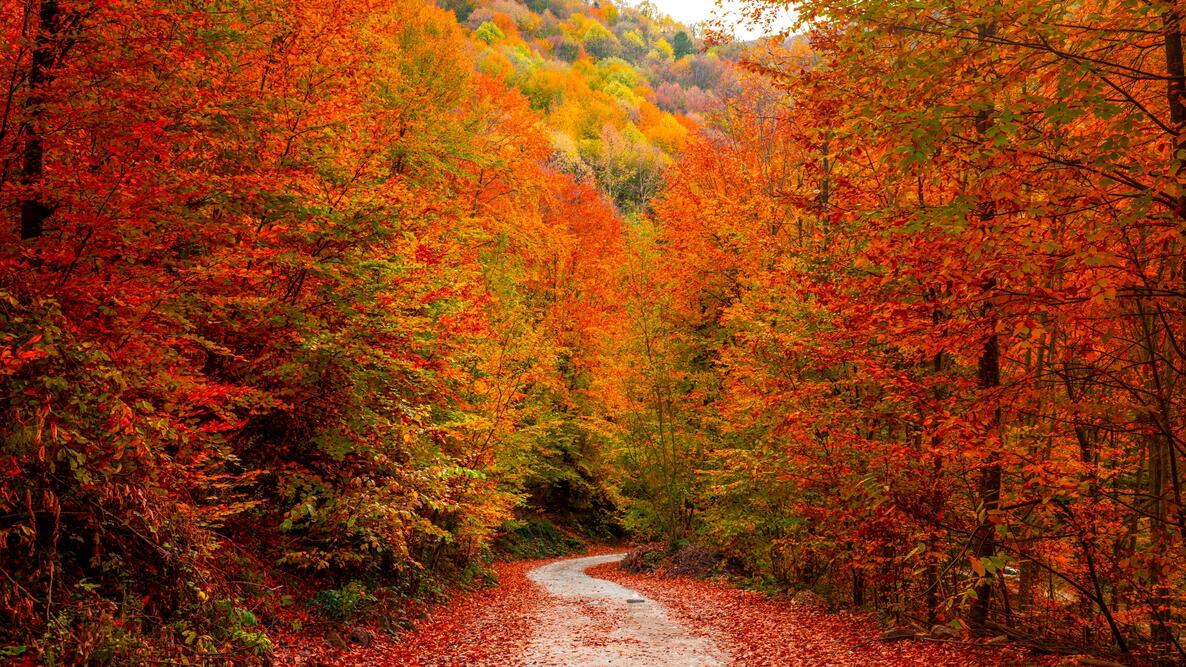

Fall’s fiery colors are one of nature’s most stunning shows, but did you know those brilliant reds, oranges, and yellows were hiding all summer long? It’s true! The vibrant hues you see when the leaves change aren’t just about chilly weather—they’re all about sunlight, chemistry, and clever trees getting ready for winter. Let’s dive into the fascinating science behind why leaves change color and how weather and tree types create the perfect autumn masterpiece.
Why Do Trees Change Color?
Nature is so fascinating! The main reason for the eye-popping color change is not autumn’s chilly weather but sunlight—or rather, the lack of daylight. Day and night are roughly equal in length on the autumnal equinox in late September, but afterward, nights are growing longer and days shorter.
As the autumn days shrink, the reduced daylight tells deciduous plants that it’s time to stop gathering energy and get ready for the dormant season—winter.
All leaves contain different types of chemicals; one of these chemicals, chlorophyll, is responsible for absorbing sunlight and giving leaves their green color. As chemical changes begin to take place inside the plant, a corky wall of cells (called the “abscission zone”) forms between the twig and the leaf stalk. This corky wall eventually causes the leaf to drop off in the breeze.
As the corky cells multiply, they begin to seal off the vessels that supply the leaf with nutrients and water and also block the exit vessels to some extent, trapping simple sugars in the leaves. The combination of reduced light, lack of nutrients, and less water triggers the trees to start the process of breaking down the chlorophyll, and the green color fades.
Because the green color was “masking” other color pigments, you start to see leaves change color into yellows and reds!
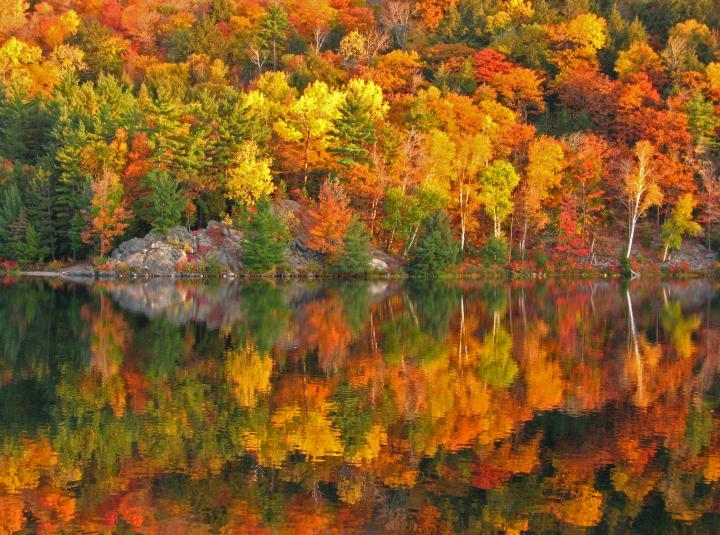
Of course, not all leaves turn vivid colors in autumn. Only a few of our many species of deciduous trees—notably aspen, birch, gum, maple, and oak—produce truly stellar performances for the annual autumn spectacular in North America.
Credit: Pavels.
What Causes the Bright Yellow and Red Colors of Fall Leaves?
Once the waning hours of daylight trigger these changes and the green chlorophyll is gone, other pigments reveal their bright faces!
- Carotenoids give leaves their brilliant yellow and orange colors.
- Anthocyanins are found in deep red and purplish leaves.
- The presence of tannins means leaves will turn brownish or tan.
Yellow carotenoids exist in the leaf all summer but are masked by chlorophyll during the growing season. Red anthocyanins, on the other hand, are freshly produced by plants as fall conditions ramp up. Surprisingly enough, scientists aren’t entirely sure why trees bother to produce a new pigment while otherwise trying to save their precious resources for the winter ahead. Some suggest that the bright red color could deter insect pests from feeding on leaves or that red leaves attract birds that feed on (and spread) the trees’ fruit.
However, another interesting theory is that the red pigment acts as a sort of sunscreen for the leaves, staving off damage from bright autumn sunlight and allowing the leaves to stay on the tree longer than they would if they were to remain green or even yellow.
Sugar trapped in autumn leaves by the corky wall is largely responsible for the vividness of the colors. Sunlight acting on the trapped sugar also produces some additional anthocyanins. This is why fall foliage is sparkling after several bright fall days and more muted during rainy spells.
Finally, as autumn carries on, leaves begin to turn brown once all their nutrients are reabsorbed by the tree. The brown color is the result of leftover tannins, a chemical found in many leaves, especially oak leaves.
What Weather Conditions Bring the Best Fall Foliage?
While daylight is the main factor that brings on fall foliage, several other factors contribute to how bright fall colors are: temperature, precipitation, and soil moisture.
- In general, cooler nights with decreasing temperatures throughout the day lead to more vivid colors.
- A wet growing season followed by an autumn with lots of sunny days, dry weather, and cold, frostless nights will produce the most vibrant palette of fall colors. This vividness is especially true of red leaves, such as those on sugar maples and red maples trees.
- Drought conditions during late summer and early fall can also trigger an early “shutdown” of trees as they prepare for winter, causing leaves to release early from trees without reaching their full-color potential. Check your long-range forecast to see whether a dry autumn is in your future.
- Of course, if freezing temperatures and a hard frost hit, they can kill the process within the leaves, leading to poor fall color and early leaf drop. Check the frost dates in your area!
Which Trees Produce Colors and Which Trees Change Color First?
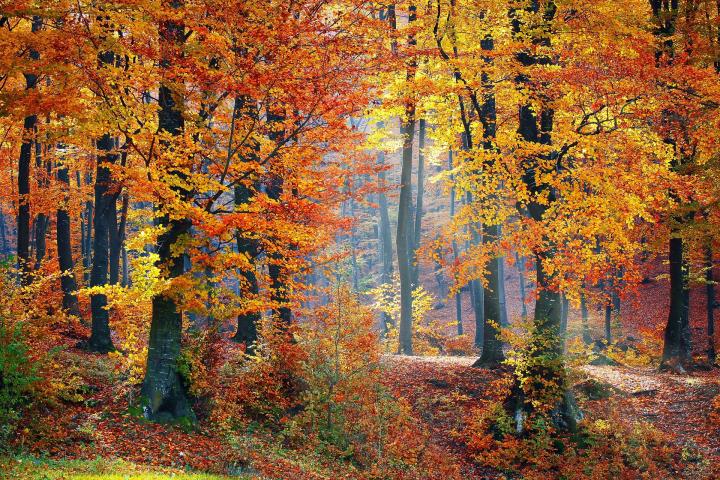
- Aspen: golden
- Beech: golden brown
- Birch: bright yellow
- Canada Red Chokecherry: red to reddish-purple
- Poplar: golden yellow
- Sugar Maple: orange-red
- Black Maple: glowing yellow
- Red Maple: bright scarlet
- Silver Maple: muted green
- Sassafras: orange-yellow
- Tupelo: yellow-orange and then red
- Dogwood: purple-red
- Oak: brown or russet
- Hickory: golden bronze
- Mapleleaf Viburnum: pinkish purple
Which trees change first depends on where you live. Tupelo trees start changing colors as early as August. Next are the maple trees, which give us early oranges and yellows, and, of course, some regions have brilliant red maples. Oak, hickory, and beech trees are the last to change color. Everything else is in between.
Where Can You Find the Best Fall Foliage?
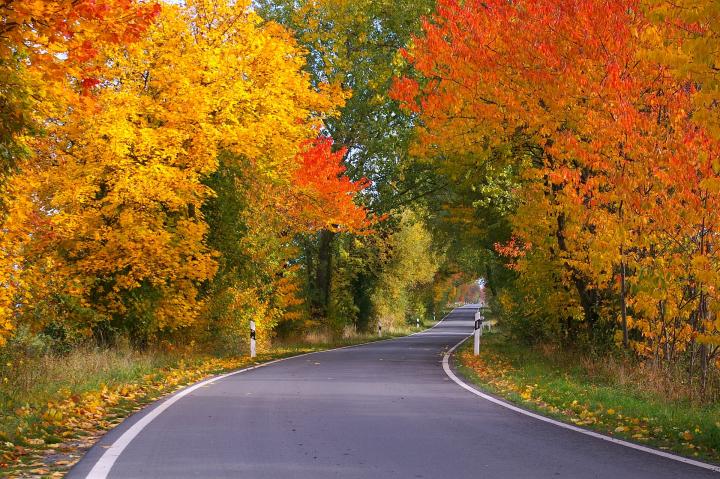
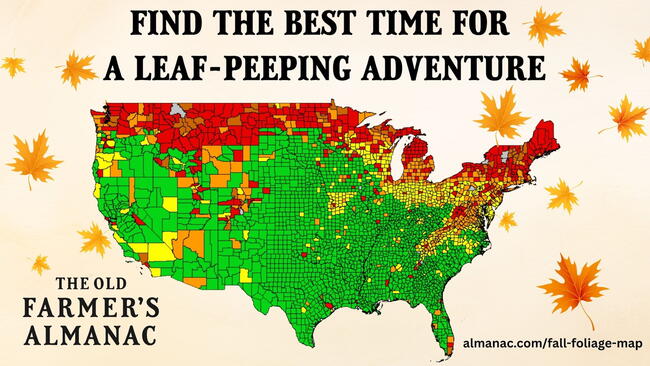
Does your area experience fall foliage? Some level of autumn foliage changes in most regions of North America, but it is New England, the upper Midwest, the Rocky Mountains, and parts of the Appalachians that hold the jackpot for leaf peepers. The right climate, light conditions, and an abundance of tree varieties that harbor colorful pigments come together in these places.
While tradition has it that Columbus Day weekend is when the color peaks in New England, the mythical maximum occurs in northern Maine in mid- to late September and “travels” south, reaching the Connecticut shore by late October.
FAQs About Why Leaves Change Color
Why do leaves change color in the fall?
Leaves change color mainly because of decreasing daylight, which signals to trees to stop producing chlorophyll—the green pigment—which allows other pigments like carotenoids and anthocyanins to show through.
What causes the red and orange colors in autumn leaves?
Orange and yellow colors come from carotenoids, which are present all summer but masked by chlorophyll. Red and purple hues come from anthocyanins, pigments produced in the fall.
Does the weather affect how vibrant fall colors are?
Yes! Cool, sunny days and chilly, frost-free nights help produce the brightest fall colors. Too much rain or early frost can dull colors or cause leaves to drop early.
Which trees have the most colorful fall foliage?
Aspen, birch, gum, maple, and oak trees are known for their vivid fall colors, ranging from bright reds and oranges to golden yellows and browns.
When do leaves start changing color?
Timing depends on the tree species and location. Some trees, like tupelos, change as early as August, while oaks and beeches tend to change later in the season.
Why do some leaves turn brown instead of bright colors?
Brown colors come from tannins left behind after other pigments fade. Oak leaves, for example, often turn brown or russet in the fall.
Where can I find the best fall foliage in North America?
The top spots for fall colors include New England, the upper Midwest, the Rocky Mountains, and parts of the Appalachian Mountains.
Wondering when the leaves will change in your area? See our animated foliage map as well as some of our favorite destinations for leaf peeping!


Fall Flowers and Foliage
Fall Vegetable Gardening
Fall Garden Cleanup
Garden Soil Preparation
Fall Nature
More Like This


Hmm. You might call Niagara Parks in Ontario for their recommendation. In general, it looks like the mid to late October is the peak in that region, the display being delayed by the warmer water and microclimate (according to the Niagara Falls State Park on the U.S. side), but that can vary each year depending on various factors.
The following site from Yankee Magazine offers a live fall foliage map which extends to the Niagara Falls area on the U.S. border. As of November 11, for example, the area around Buffalo, New York is reporting still at peak, but a tiny bit north, along the shore of Lake Ontario, the fall foliage display has ended. [Here in southeastern NH, at elevation 1,440 feet, on November 11, most leaves have fallen, but there are a few trees still clinging on to their leaves, in russets, browns, and a few deep golds. Most reds, bright oranges, and yellows are gone.]
https://newengland.com/seasons/fall/foliage/live-fall-foliage-map/
My guess is that September 30 would show a few spots of color on some trees, but the color display would not be in full gear yet, and not many leaves on the ground (and not many bare branches). However, October 28, you might be past peak, with many leaves on the ground and perhaps not as many colorful leaves still on the trees.
For more information, you might be interested in the following:
https://newengland.com/category/seasons/fall/
https://newengland.com/today/seasons/fall/weekend-foliage-planner-new-england-fall-trips/
There are several webcams of Niagara Falls -- you might check them for an idea of what November looks like there, to give you an idea of late October, perhaps.
Hope this helps!
We can not be absolutely certain whether the leaves of your birch trees are falling on schedule or not; there are too many factors involved. Nor do we know if your trees are in danger, however, we can tell you signs to look for:
• do the leaves have spots? This could be an indication of fungal disease or insect feeding.
• drought stress can cause leaves to turn yellow and drop. Drought has been a problem in a lot of places.
• it's possible that your birches have an iron deficiency. This stems (no pun intended) from poor soil—poor in terms of what the tree needs. Soil that is too alkaline for iron to be available to the tree can be a problem. Adding iron sulphite can help. But get a soil test before you add anything.
• Finally, look around the neighborhood or area for trees like yours (with or without their leaves). If they have not dropped their leaves, see if the owner can share his care tips and ideas. If the trees have dropped their leaves, do the same. At least this way you will have a better sense of this is a singular problem for you or if other birches are "acting" the same way.
We hope this helps!
- « Previous
- 1
- 2
- …
- 10
- Next »

Comments