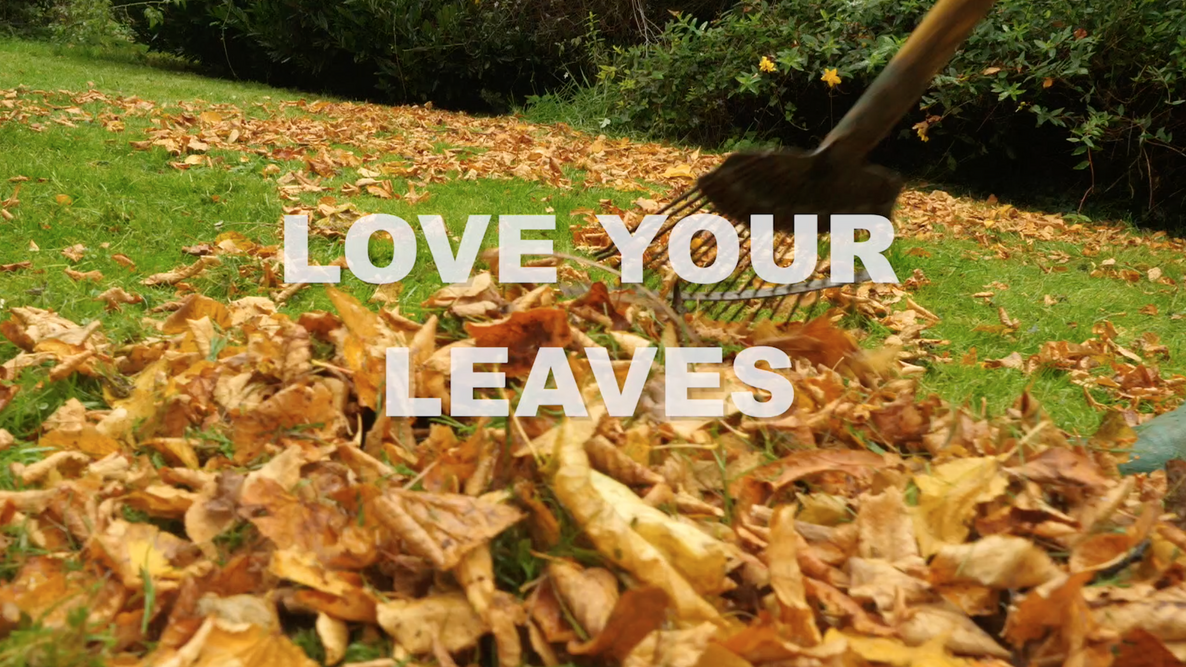

Nature builds soil with falling leaves, and so should you! All those leaves can be turned into gardeners’ gold! We’ll show you a variety of uses for fallen leaves, putting all their goodness to use around the garden, from protecting plants to making leaf mold and mulching.
We don’t call it “fall” for nothing. The colorful foliage that delights the senses precedes the fall season, when most of the deciduous trees send their leaves drifting to the ground. Fallen leaves rustle underfoot. They smell good. The wind sometimes whips them into a frenzy of dancing shapes.
I have one eye on the gorgeous spectacle of changing colors and the other eye on the value of these leaves—and how I can put fallen leaves to good use right at home.
Leaves Are Fall’s Most Abundant Crop
Yes, LEAVES are this season’s most abundant crop. What amazing organic matter! And free, too. The trees have mined minerals from deep in the subsoil and brought them to the surface. Leaves are a rich source of calcium, magnesium, phosphorus, potassium, and more.
The leaves of one large tree can be worth as much as $50 worth of plant food and humus. Pound for pound, leaves contain twice the mineral content of manure. The huge amount of organic matter they offer can be used to improve soil structure.
- Leaf humus can lighten heavy clay soils.
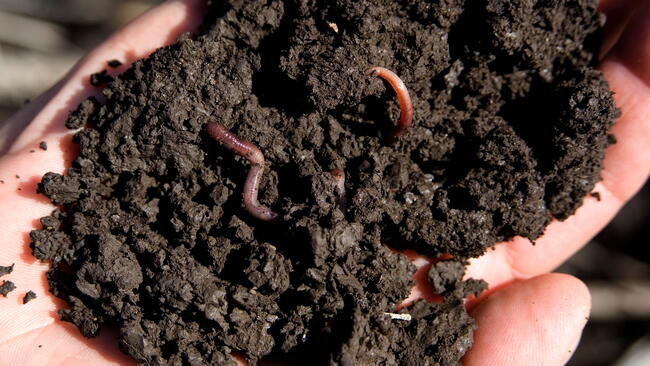
- They feed earthworms and beneficial microbes.
- Leaves increase the moisture retention of dry, sandy soils.
- They make an attractive mulch in the flower garden.
- They are a fabulous source of carbon to balance the nitrogen in your compost pile.
- They insulate tender plants from the cold.
No organic gardener should pass up this annual opportunity.
Note: If you do not have a yard of leaves: Many communities make compost from the leaves that residents drop off at dumps and transfer stations; the larger towns and cities hold leaf- and yard-waste collections! I’ve just finished spreading a pickup load of my town’s leaf compost in my vegetable garden.
Here’s how to use those fall leaves to feed your soil instead of stuffing nature’s leaves into plastic garbage bags to be dumped by the millions into landfills.
Uses for Leaves in the Garden
1. Improve Your Soil
Mix shredded leaves right into your garden. Next spring, your soil will be teeming with earthworms and other beneficial organisms. Note: If you add shredded leaves right to the soil, add some slow-release nitrogen fertilizers to help the leaves decompose and to ensure that soil microbes don’t use all of the available nitrogen.
Join Ben and his furry friend who shows us all the ways to use fallen leaves in the yard and garden, putting all their goodness to use around the garden, from protecting plants to making leaf mold and mulching. Hang around to the end for a great way to supercharge all the leaves you do rake up!
2. Create a Compost Pile
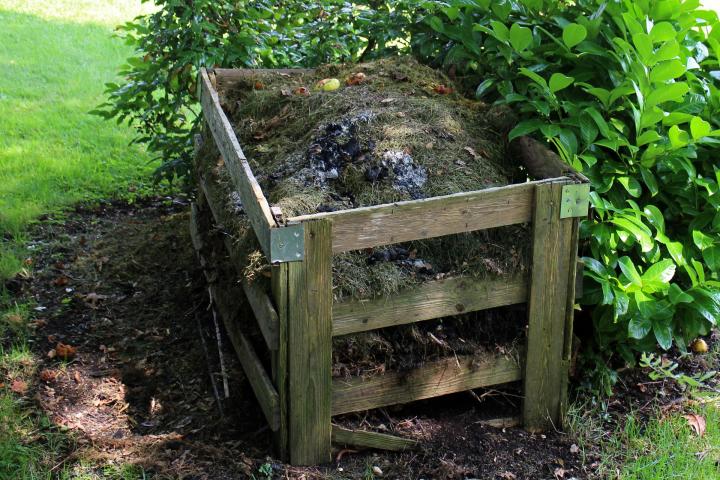
Make compost for a valuable soil amendment. If you are not already composting, now is a good time to start. Pile autumn leaves in the corner of your yard. Ideally, keep leaves from blowing away with chicken wire or some type of structure. To speed up composition, shred those leaves with a mulching lawnmower (or use a chipper or leaf shredder).
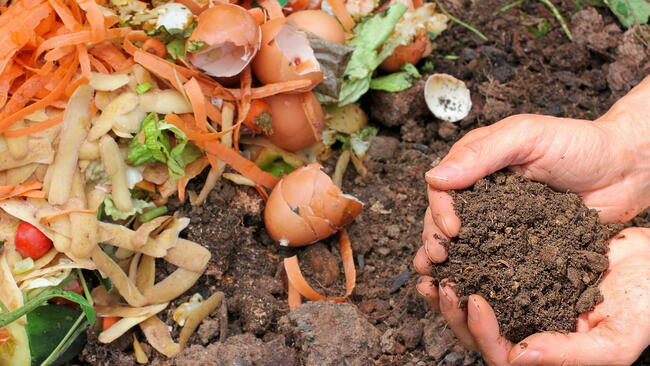
Layer these carbon-rich “brown” leaves with high-nitrogen “green” material such a grass clippings, dead plant matter, and kitchen scraps. The “green” feeds the bacteria that will be doing all the work of breaking down the leaves. Layer 3 or 4 inches of old leaves with an inch of fresh grass clippings or other green, leafy yard waste.
Then let the compost sit all winter, turning the pile occasionally to aerate it. If the compost pile starts to appear dry, spray it down with a garden hose and turn with pitch fork. By the time spring rolls around, you should have some nice compost to mix into your garden soil.
3. Make Leaf Mold
Composting sound like too much work? Then make leaf mold, much beloved by English gardeners. Simply rake the leaves into a big pile. If you shred them, they will decompose faster, but you can still make leaf mold without shredding. Keep the leaves moist and let the fungi take over. After 1 to 3 years, the leaves will have disintegrated into a dark, sweet-smelling, soil conditioner that is high in calcium and magnesium and retains water. It’s exceptional as an amendment for veggie and flower gardens and a great addition for potting soils. See our video on how to make leaf mold.
4. Make Mulch
Leaves make an excellent protective mulch for vegetable crops, blueberries (and other berries), and ornamental shrubs. They not only suppress weeds and help retain soil moisture, but because they contain no weed seeds themselves, they won’t encourage the spread of new weeds.
We cover the beds in our vegetable garden with a layer of chopped leaves to keep the soil from washing away over the winter. Be sure to chop or shred leaves before using them as mulch. Whole leaves can form a mat that water can’t penetrate.
Related: The Old Farmer’s Almanac Mulch Calculator
Leaves make a good insulating cover for overwintering tender perennials, too. The best time to mulch perennials is after the ground has frozen, so put aside shredded leaves in bags to use later in the fall.
Leaf cover allows fall-planted garlic to root without sprouting, and prevents shallow-rooted strawberries from heaving during winter’s freeze-thaw cycles.
5. Mow Into Lawn
Researchers at Michigan State University have shown that lawns actually benefit from a thin layers of leaves. Leaf litter improves the soil, lessening the need for fertilizer in the spring. They recommend a mulching lawnmower with a blade 3 inches high and mowing once a week while the leaves are falling. This will break down the leaves into smaller pieces over the winter, providing your soil with nutrients. Older mowers can be converted to mulchers by installing a mulching blade.
So, don’t be a perfectionist! Leave leaf litter to feed worms, fungi, and soil bacteria. Just don’t leave thick layers of matted leaves on your lawn, as this blocks oxygen to the soil and invites disease.
6. Protect and Store Root Vegetables
Leaves make a good insulating layer for cold-hardy vegetables and root crops stored in the ground—such as carrots, kale, leeks, and beets. Cover them and you’ll be able to harvest all winter.
If you have a cool, humid spot, you can also store carrots, beets, and other root vegetables between layers of crisp, freshly fallen leaves. Sprinkle each layer of leaves with water (don’t let them get soggy). If you don’t grow your own vegetables, visit a farmers’ market and try to find a vendor who will sell you half a bushel or more of your favorite root crops.
7. Leave Leaves for Wildlife
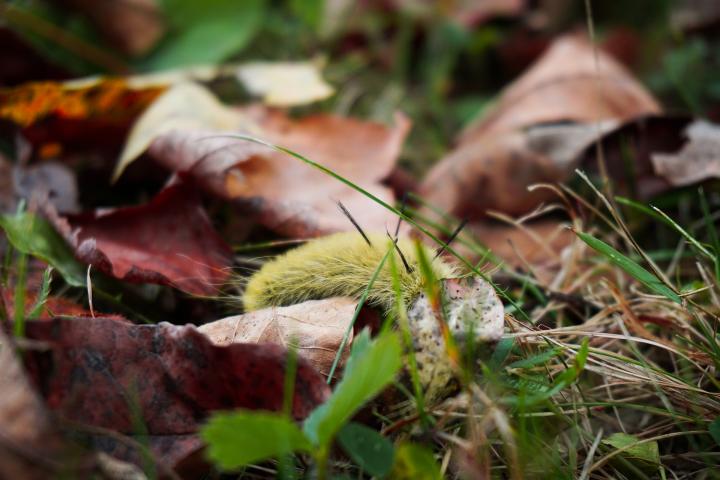
Leaves aren’t just about being useful to us as humans. Fallen leaves also provide wildlife, especially pollinators, with some winter cover. Bees, moths, butterflies, snails, spiders, and dozens of arthropods and pollinators overwinter in dead plant material for protection from cold weather and predators. For example, the mated queen bumble bees burrow only an inch or two into the earth to hibernate for winter, relying on natural leaf litter to keep them insulated. Also, many butterflies overwinter as chrysalises or cocoons disguised as dry leaves. (Be careful when you throw away leaves!)
Let’s not rake, mow, and blow away a bit of nature that is essential to our natural web of life. Consider creating a leaf pile or two and allowing it to break down naturally. (Leave leaves whole; do not shred.) Leave leaves on your garden beds as mulch through the winter and don’t be in a rush to remove in the early spring. (Don’t worry; flowers have no trouble poking their heads through leaves.) Your butterflies and pollinators will thank you!
8. Have Fun!
My siblings, friends, and I used to have tons of fun leaping around in the big leaf piles we’d rake from our lawns each fall. Back in those days, our dads touched off the leaf piles in the late afternoon, and we roasted potatoes and apples while the giant piles burned to ash. Most jurisdictions rightly prohibit open leaf-burning these days to reduce air pollution, but the smell of a burning leaf still triggers powerful memories of those idyllic days.
Another fun activity with leaves is preserving them! You can press and preserve their rich fall colors by “glycerinizing” a few stems of the most colorful maples. See how to preserve flowers and foliage.
So don’t just watch the falling leaves drift by your window—get out and get raking!
| Use for Leaves | How It Helps the Garden | Extra Tips |
|---|---|---|
| Soil Improvement | Adds organic matter, loosens clay soil, and improves sandy soil | Shred leaves before mixing into soil; add nitrogen to balance decomposition |
| Composting | Provides carbon-rich “brown” material for compost piles | Alternate with grass clippings or kitchen scraps; keep pile moist and aerated |
| Leaf Mold | Creates a rich soil conditioner high in calcium and magnesium | Pile leaves in a corner, keep moist; takes 1–3 years |
| Mulching | Suppresses weeds, retains moisture, protects perennials | Shred leaves to prevent matting; apply after ground freezes |
| Mowing Into Lawn | Improves lawn soil, reduces need for fertilizer | Use a mulching mower once a week while leaves fall |
| Protecting Root Crops | Insulates vegetables like carrots, beets, and kale for winter harvest | Store roots in bins layered with slightly damp leaves |
| Wildlife Habitat | Provides cover for bees, butterflies, and other pollinators | Leave some leaf piles untouched for overwintering insects |
| Fun & Crafts | Leaf piles for play, or preserve colorful leaves for crafts | Try pressing leaves or “glycerinizing” to keep colors |

Fall Flowers and Foliage
Fall Vegetable Gardening
Fall Garden Cleanup
Garden Soil Preparation
Fall Nature
More Like This

Sorry to hear about this, Sheilah. It must be hard to see decades of growth wiped out in a matter of minutes. Here's hoping that your community can come together to replace some of the lost trees for future generations.
Oak has long been considered a gold standard when it comes to autumn leaf mulch—so, yes, they are safe to use. You can use whole oak leaves as mulch; eventually they will dry up and crumble. If you are able to borrow or rent a lawn mower or chipper or something to break up the leaves they will decay faster—but it's not essential. You could also compost the leaves, although their decay will take a while (several months); this, too, could be hastened by shredding them first. If you can't use them all make a compost pile somewhere on the property—or give the leaves away (or trade them for use of a mower!). Folks with azaleas and rhodos, even blueberry bushes, will appreciate oak leaves' slightly acidic nature (these are acid-loving plants).
Hope this helps!
Hi, Christine,
No, it's not necessary to remove existing mulch, unless you want to do so for the sake of the look. You can mix the shredded leaves into the mulch, though; one will help the other to decay further.
- « Previous
- 1
- 2
- …
- 10
- Next »

Comments