
Planning activities, gardening, or just curious? Here are the start and end dates for all four seasons in 2026. This guide shows exact start and end dates for spring, summer, fall, and winter, including both astronomical and meteorological definitions.
There are two common ways to define the seasons:
- Astronomical seasons follow the Sun’s position. Spring begins at the vernal equinox and ends the day before the summer solstice; summer begins at the summer solstice and ends before the autumnal equinox, and so on.
- Meteorological seasons follow the calendar and average temperatures. Spring runs March 1 to May 31, summer June 1 to August 31, fall September 1 to November 30, and winter December 1 to February 28 (or 29 in leap years).
Scroll down for a quick overview chart, followed by per-season details and beginner-friendly explanations.
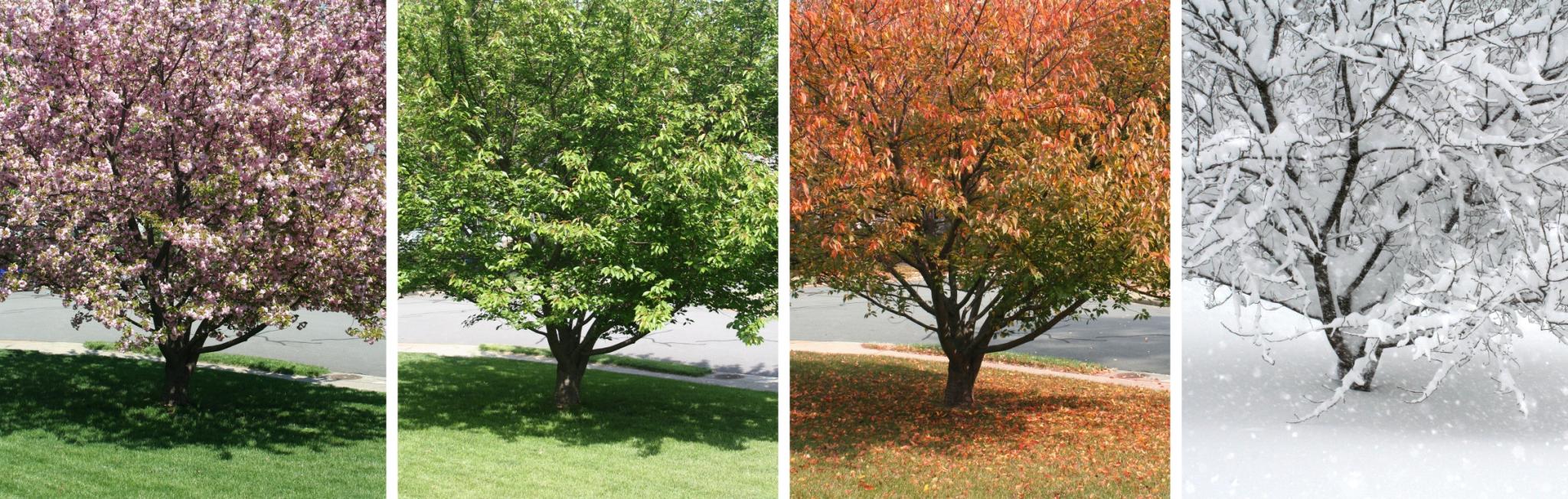
Season Start and End Dates for Spring, Summer, Fall, and Winter in 2026
The table below shows all four seasons, including both astronomical and meteorological dates, for quick reference.
Seasons 2026: Astronomical and Meteorological
| Season | Year | Astronomical Start | Astronomical End | Meteorological Start | Meteorological End |
|---|---|---|---|---|---|
| Spring | 2026 | Mar 20 | Jun 20 | Mar 1 | May 31 |
| Summer | 2026 | Jun 21 | Sep 21 | Jun 1 | Aug 31 |
| Fall | 2026 | Sep 22 | Dec 20 | Sep 1 | Nov 30 |
| Winter | 2026 | Dec 21 | Mar 19, 2027 | Dec 1 | Feb 28, 2027 |
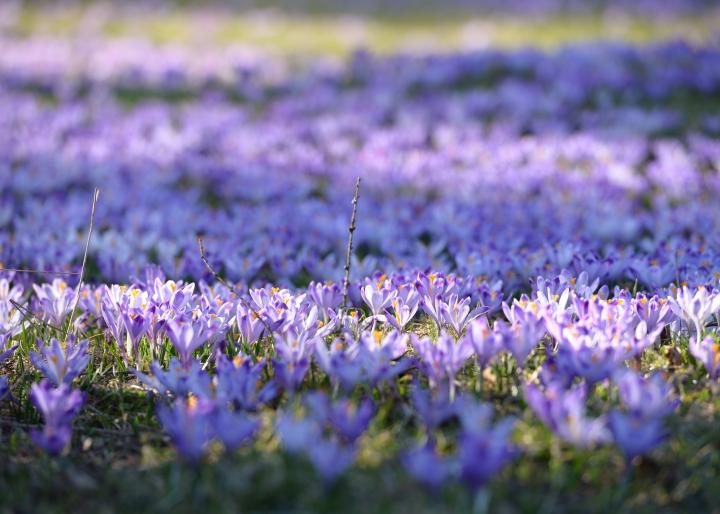
1. Spring 2026
Spring is a time of renewal, longer daylight, and gradually warming temperatures. Flowers begin to bloom, trees regain their leaves, and many animals become more active after winter.
- Astronomical spring starts with the vernal equinox, when day and night are roughly equal, and ends the day before the summer solstice.
- Meteorological spring runs from March 1 to May 31, making it easy to compare seasonal weather year to year.
| Year | Astronomical Start | Astronomical End | Meteorological Start | Meteorological End |
|---|---|---|---|---|
| 2026 | March 20 | June 20 | March 1 | May 31 |
Tip: Astronomical dates shift each year slightly because Earth’s orbit doesn’t perfectly match our calendar, while meteorological dates are fixed.
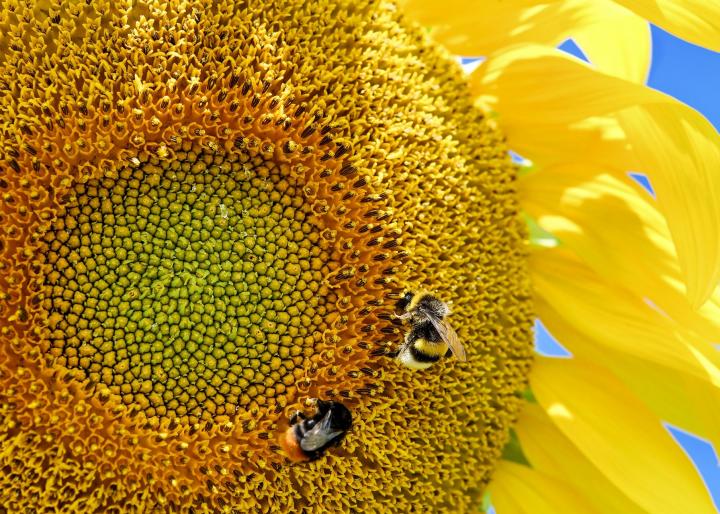
2. Summer 2026
Summer brings the longest days, warm temperatures, and plenty of sunshine. People enjoy outdoor activities, vacations, and growing crops.
- Astronomical summer begins with the summer solstice and ends the day before the autumnal equinox, when temperatures gradually cool and daylight starts to shorten.
- Meteorological summer runs June 1 to August 31.
| Year | Astronomical Start | Astronomical End | Meteorological Start | Meteorological End |
|---|---|---|---|---|
| 2026 | June 21 | September 21 | June 1 | August 31 |
Fun fact: Exact astronomical dates vary slightly each year and can differ by a day depending on your time zone.
3. Fall 2026
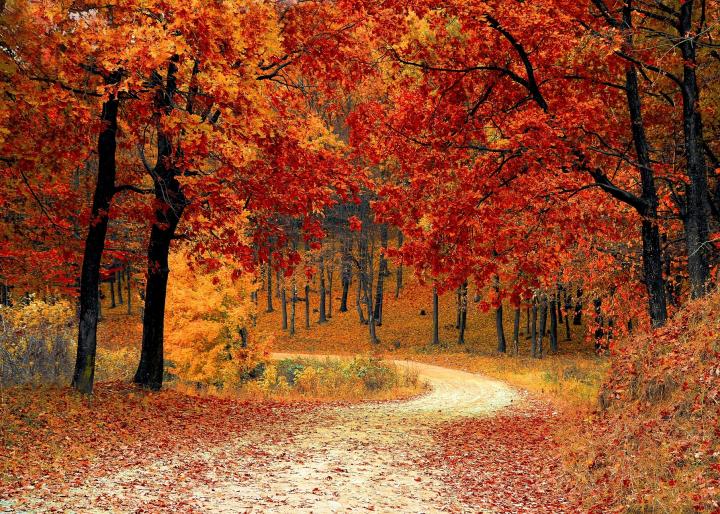
Fall is marked by cooler temperatures, shorter days, and colorful leaves. Many regions celebrate harvests.
- Astronomical fall starts with the autumnal equinox and ends the day before the winter solstice.
- Meteorological fall runs September 1 to November 30, helping track seasonal weather patterns.
| Year | Astronomical Start | Astronomical End | Meteorological Start | Meteorological End |
|---|---|---|---|---|
| 2026 | September 22 | December 20 | September 1 | November 30 |
Note: In the Southern Hemisphere, the seasons are reversed—fall in the Northern Hemisphere is spring in the Southern Hemisphere.
4. Winter 2026
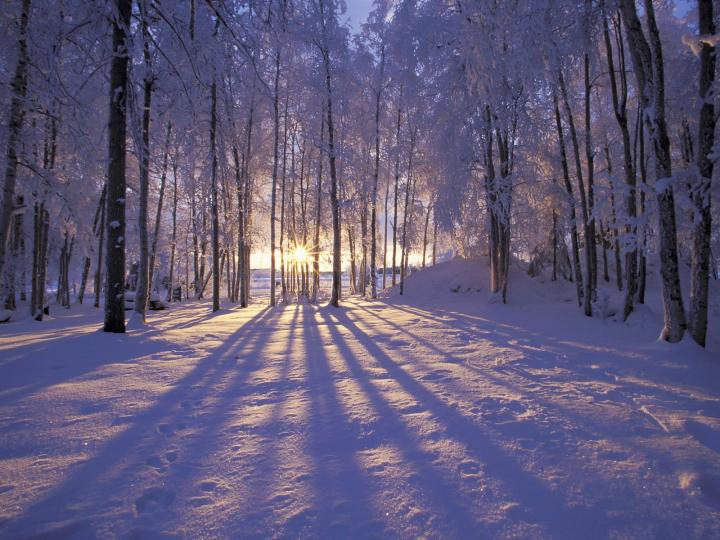
Winter has the shortest days, longest nights, and coldest temperatures. Snow and ice are common in many regions, and daylight gradually increases after the solstice.
- Astronomical winter starts with the winter solstice and ends the day before the vernal equinox.
- Meteorological winter runs December 1 to February 28 (or 29 in leap years).
| Year | Astronomical Start | Astronomical End | Meteorological Start | Meteorological End |
|---|---|---|---|---|
| 2026 | December 21 | March 19, 2027 | December 1 | February 28, 2027 |
Tip: The precise moment of the solstice may vary by time zone—check the Almanac Time Zone Converter for exact timing.
Why Do Seasons’ Start and End Dates Change?
The calendar is a man-made invention, and it doesn’t perfectly match Earth’s orbit. That means the exact start and end dates of astronomical seasons can shift by a day or two each year.
Leap years keep the calendar roughly in sync, but small adjustments—like skipped leap days in certain century years—still cause slight variations.
Meteorological seasons, on the other hand, follow the calendar exactly, making it easy to track weather and compare seasonal start and end dates year to year.
What Causes the Seasons?
Seasons happen because Earth is tilted as it orbits the Sun. Imagine Earth like a slightly leaning spinning top—it’s always tilted in the same direction as it moves around the Sun.
Because of this tilt:
- Different parts of the planet get more or less direct sunlight at different times of the year.
- When your part of the world tilts toward the Sun, it’s warmer and the days are longer—that’s summer.
- When your part tilts away from the Sun, it’s colder and the days are shorter—that’s winter.
This is also why seasons are opposite in the Northern and Southern Hemispheres. For example, when it’s summer in the Northern Hemisphere, it’s winter in the Southern Hemisphere.
Frequently Asked Questions
Which season is the shortest?
Winter is the shortest in the Northern Hemisphere, lasting about 89 days due to faster orbital speed near perihelion.
Why are there astronomical and meteorological seasons?
- Astronomical seasons track the Sun’s position (equinoxes and solstices).
- Meteorological seasons follow the calendar and temperature cycles for easier record-keeping.
Why do the dates of seasons change each year?
Small shifts occur because Earth’s orbit doesn’t perfectly match the calendar year. Leap years and orbital variations adjust equinox and solstice timing.
Do seasons start on the same day worldwide?
No. Astronomical events happen at the same moment globally, but seasons depend on your hemisphere. Summer in the Northern Hemisphere is winter in the Southern Hemisphere.
When do the seasons end?
Each season ends the day before the next astronomical season begins, or at the end of the meteorological months (e.g., spring ends May 31, summer ends August 31).
What’s your favorite season—and why? Let us know in the comments below!

- « Previous
- 1
- 2
- …
- 10
- Next »

Comments