With July comes nature’s fireworks—thunderstorms. But what exactly causes that booming sound after a flash of lightning? Thunder is one of the most powerful and fascinating forces in weather, and it has inspired myths, folklore, and weather predictions for centuries. Learn how thunder forms, how to estimate the distance of a lightning strike, and discover some of the colorful sayings and traditions associated with summer storms.
What is Thunder?
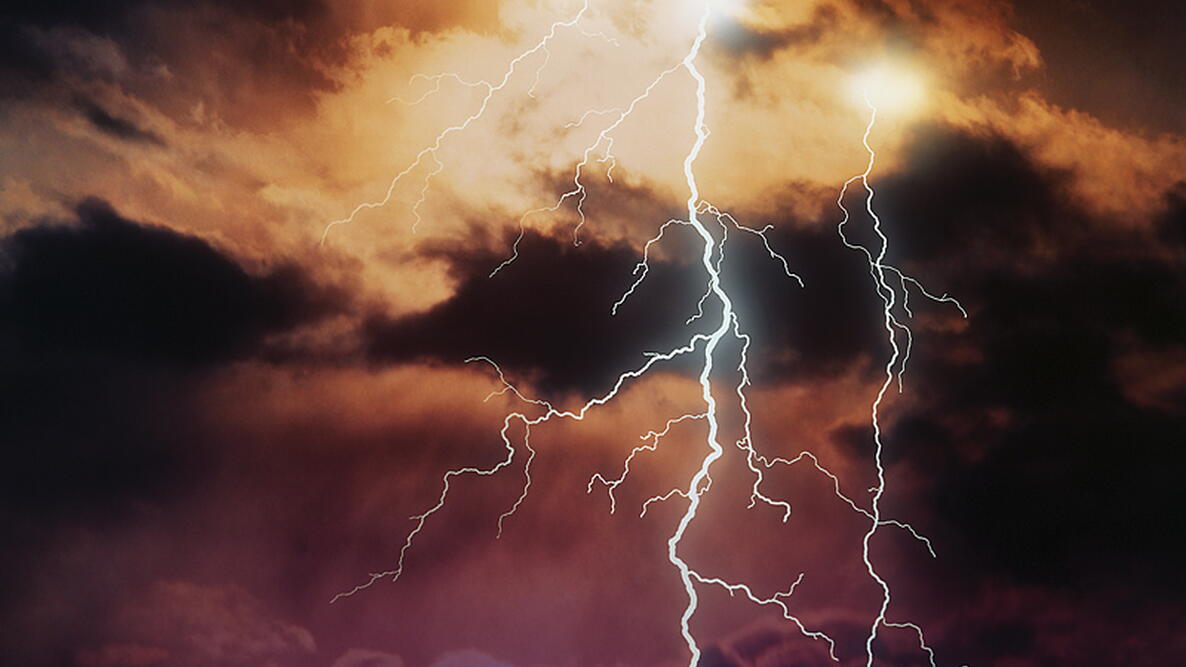
Thunder is born in the instant when the return lightning stroke leaves the earth and spears upward through the channel of ionized air. The channel is viciously expanded outward and bursts in the sonic shock wave that reaches up as a thunderclap. This initial sound is followed by a rumble as the thunder echoes through the sky.
How Far Away is Lightning?
The sound of thunder always reaches us after we see the lightning flash because light rays travel at 186,282 miles a second while sound waves (the speed of which varies with such factors as temperature) lope along at somewhere between 1,000 and 1,100 feet or so per second. This difference in speed enables us to tell just how far away the lightning is striking. All that needs to be done is to count the seconds between the flash and the initial thunderclap. For every 5 seconds that elapse, the lightning is about 1 mile away.
Thunder Lore and Weather Folklore
July’s Full Moon
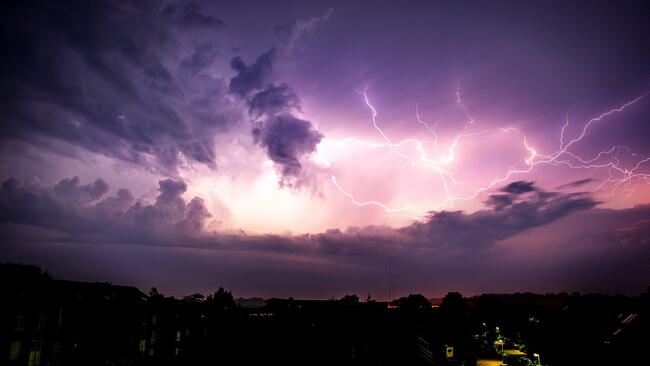
July’s Full Moon was also known as the Thunder Moon, because thunderstorms are so frequent during this month.
Thor, the God of Thunder
Thursday takes its name from the Norse god Thor, who was famous for his thunder and lightning. It was said that when Thor struck his mighty hammer, the thunder roared.
Thunder Sayings and Old Weather Wisdom
Unlike general rain, thunderstorms move in so quickly and then depart with such haste that their arrival and length of stay can not be forecast much in advance. But there are a few predictions that refer to what will come in their wake, and at least one of these smacks of the truth:
When it thunders in the morning, It will rain before the night.
Thunder predictions often concern themselves with what the storms may to do a farm crop:
Thunder in March betokeneth a fruitful year.
If the birds be silent, expect thunder.
When April blows her horn [thunders],
It’s good for both hay and corn
Thunder in spring,
Cold will bring.
According to folklore, heavy thunder will make milk go sour.
A dream of thunder means pay attention! Lightning may symbolize enlightenment or inspiration, especially if the dream is not a fearful one.
When a cow tries to scratch its ear,
It means a shower is very near;
When it thumps its ribs with its tail,
Look out for thunder, lightning, hail.
If there be many falling stars during a clear evening in summer, expect thunder. If there are none, expect fine weather.






Comments