Aster Yellows Plant Disease: How to Identify and Prevent It

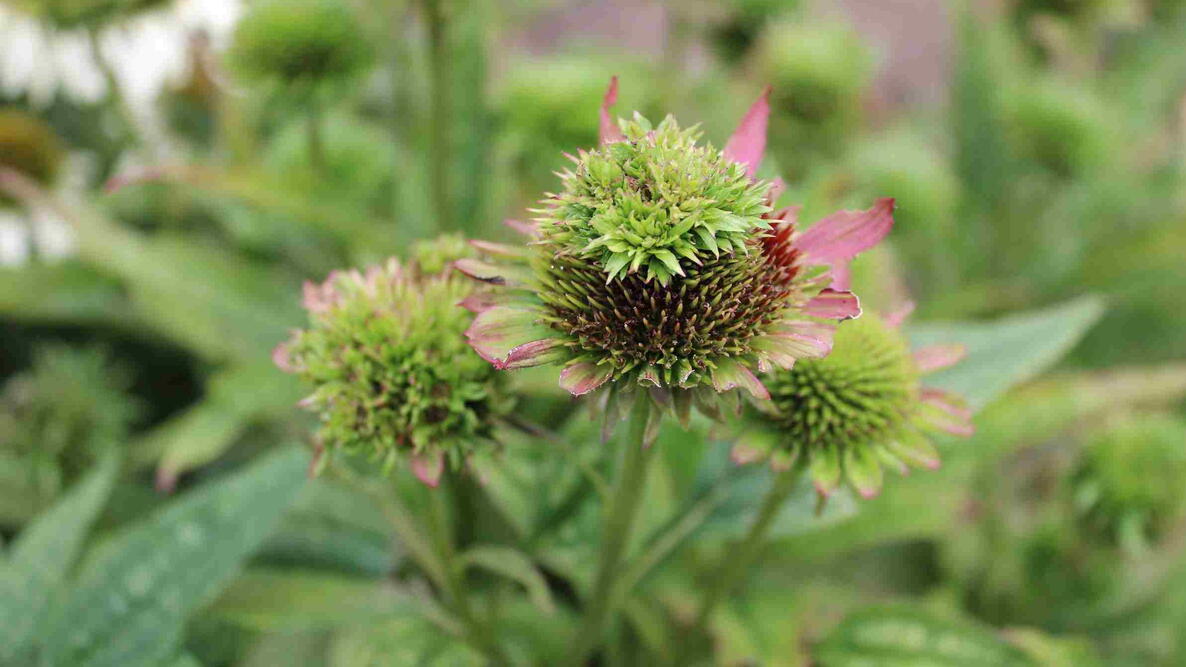
Echinacea plants with aster yellows disease

Caption

Strange blooms ahead! Aster yellows can make coneflower heads turn green and grow in twisted, fused shapes.

Photo Credit
Tony DiLello
Subhead

Weird plant happenings might not be normal; they could be aster yellows.

Written By: Andy Wilcox Master Gardener and Gardening Contributor

Why is that echinacea sprouting quirky, green tufts instead of flowers? Why are my marigolds wonky? What happened to my carrots?? If you’re seeing strange, Frankensteinian happenings in your garden, it might be aster yellows plant disease—a common and confusing problem that affects everything from coneflowers to carrots. Spread by leafhoppers, this disease can make healthy blooms turn into green leafy growths. Here’s how to spot, stop, and prevent it.

What is Aster Yellows Plant Disease?

Aster yellows is a plant disease unlike most others in your garden. While many plant problems are caused by fungi or viruses, aster yellows is caused by a phytoplasma, a tiny bacterium-like organism that lives inside plant tissues. (It even sounds like something out of Star Trek. “Captain, beware—the phytoplasma cannon is charging!”)

Aster yellows can infect more than 300 plant species, including many popular flowers and vegetables. It’s a systemic disease, meaning it affects the whole plant—not just leaves or roots—and spreads through the phloem, the plant’s nutrient highways. 

Even stranger, the pathogen is an obligate parasite, requiring a living host (plant or insect) to survive. It can persist in the crowns and roots of infected perennials, but it won’t survive long in dead plant debris or soil.

How Aster Yellows Spreads

Aster yellows doesn’t spread on the wind or splash from rain—it travels on insects, especially the aster leafhopper (Macrosteles quadrilineatus). These tiny greenish bugs, about ⅛ inch long with six black spots on their heads, feed on plant sap. When they sip from an infected plant, they ingest the phytoplasma, which eventually makes its way into their saliva. Once infected, the leafhopper can spread the disease to every plant it feeds on.

Aster leafhoppers are migratory, overwintering in warmer regions and traveling north each spring. Because they move so widely, aster yellows can seem to appear out of nowhere—even in gardens that have never had an issue before. The disease, hitching a ride on infected insects, can travel hundreds of miles. Hot weather tends to slow down the phytoplasma, but cool and damp conditions encourage it. So you might not see many symptoms in midsummer, only for them to pop up later in the season when the weather moderates.

Asters leafhopper on a green leaf
The aster leafhopper (Macrosteles quadrilineatus) spreads aster yellows plant disease as it feeds on infected plants. Credit: Western Producer

Identification

Because of the wide variety of host plants, aster yellows can present many different symptoms, and the only way to confirm aster yellows is with a diagnostic lab test. The most telltale symptom is flower petals turning green. Instead of a normal bloom, the symptom, called phyllody, looks like tufts of little green leaves where the flower should be.

Symptoms vary depending on the host plant, but a few telltale signs can help you identify the disease:

  • Phyllody: flower petals turn green and leafy, often forming tufts instead of blooms.
  • Witches’ broom: clusters of thin, weak shoots sprouting densely from one spot. I may have Witches’ broom on a few of my African marigolds. Imagine an old-time corn stalk broom upside down, growing from the plant with its bristles up.
  • Leaf distortion: twisted, curled, or oddly shaped leaves.
  • Discoloration: leaves and stems may develop yellow, red, or bronze tones.

Coneflowers (echinacea) and other asters often show green flower centers or distorted petals. Carrots may produce bushy tops and bitter roots. Because symptoms can mimic other issues, a diagnostic lab test is the only way to confirm aster yellows for certain.

coneflowers with aster yellows
Aster yellows strikes again! Leafhoppers carry the disease that makes coneflower blooms twist, flatten, and lose their petals. Credit: KylieP

Commonly Affected Plants

Ornamentals:

Coneflowers (purple echinacea), asters, marigolds, zinnias, chrysanthemums, petunias, snapdragons, cosmos, coreopsis, delphiniums, gladiolus, gaillardia, scabiosa.

Vegetables:

Carrots, lettuce, celery, onions, tomatoes, potatoes, cucurbits (like squash and cucumbers).

Not certain yet? Use the Almanac’s Plant Problem ID tool to understand out what’s wrong with your plant.

Control and Prevention

Unfortunately, once a plant becomes infected, there’s no cure for this disease. The plant can’t be saved, and it may continue to serve as a source of infection for others. Even though aster yellows is not often lethal,  a eafhopper could easily feed on an infected plant and carry the pathogen elsewhere—so removal is essential.

If you suspect infection:

Once you have identified the problem, mourn for your plant, grab your gloves and shovel, and it’s time to do some destruction.

  1. Dig up the entire plant, roots and all. Grab all the foliage, flower heads, crown, and roots.
  2. Gather all the plant material and either burn it (if legally allowed and you have a safe way to do so) or bury it. Remember, aster yellows cannot survive without a live host. If you bury it, no leafhoppers can get at it to feed and then retransmit the disease.
  3. Do not toss infected plant material in the compost. While we think that pulling the plant up has killed it, the cells can sometimes remain alive for a few days or longer, providing an opportunity for an insect to feed and then become a vector.
  4. Continue to closely monitor the rest of your garden, and quickly remove any new infections as you spot them.

I know, it’s not cool. No one wants to rip out plants. But, our ornamentals and vegetables infected with this disease don’t look very nice anyway, and you’d rather not risk this problem overwintering in perennial roots and crowns to come back next year. There is no guarantee that an infected aster leafhopper will visit your garden again next year, but if you allow the disease to remain, that does practically ensure you’ll have problems in the future.

Practices for Combatting Aster Yellows

We can’t prevent the aster leafhopper from visiting our yard, but we can limit the available hosts for the disease to live from one season to the next.

  • Remove perennial weeds: Several weeds, including dandelions, many thistles, goldenrod, and plantain, can serve as hosts, allowing the phytoplasma to live overwinter in their roots. In general, if it’s a perennial weed, get rid of it. 
     
  • Use floating row covers: Preventing the infected insect vector (the aster leafhopper) from biting our plants can be helpful for specific crops like carrots. Floating row covers over your carrots, celery, or lettuce can prevent leafhoppers from landing on your crop. Of course, a floating mesh cover over your entire flower patch isn’t appealing or practical.
     
  • Try reflective or light colored mulches to disorient leafhoppers and reduce their feeding. 
     
  • Sanitize garden tools after removing infected plants. This should be a habit—Sanitize tools with a 70% rubbing alcohol solution, especially pruners. Wash off and spray down any shovels or other tools that you utilized to dig up infected plants. While the phytoplasma needs a live host, it’s not advisable to dig up one infected plant and then promptly go over to divide another healthy one. Act like those plants have the plague, and clean everything thoroughly.

FAQ on Aster Yellow Disease

Q. Can I save a plant with aster yellows?

A. No. There is no cure. Remove and destroy infected plants to prevent spread.

Q. How does aster yellows spread?

A. It’s transmitted by the aster leafhopper, which carries the phytoplasma from plant to plant as it feeds.

Q. Will aster yellows survive in compost?

A. Don’t compost infected plants. Bury or burn them instead—leafhoppers can still feed on living tissues for several days.

Aster yellows plant disease may look like a monster-movie mutation, but it’s all too real—and widespread. Learn to recognize its green, leafy blooms early, and act fast to remove infected plants. A little vigilance goes a long way toward keeping your garden healthy and bloom-filled next season.

About The Author
Andy Wilcox

Andy Wilcox

Master Gardener and Gardening Contributor

Andy Wilcox is a freelance writer, flower farmer, and master gardener with over 25 years of experience in gardening, horticulture, and forestry. He is the co-owner of Stone’s Throw Flowers, a business...