Root Rot: When Overwatering Damages Plant Roots

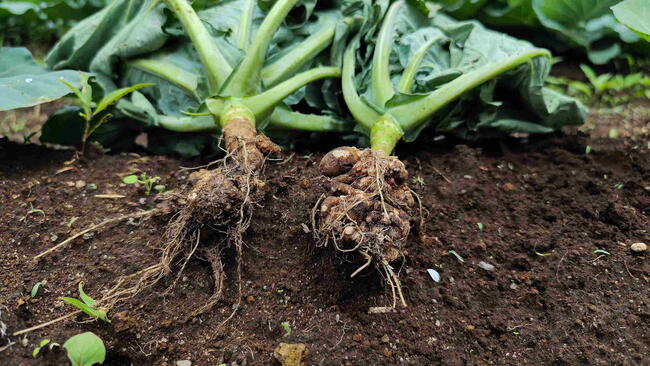
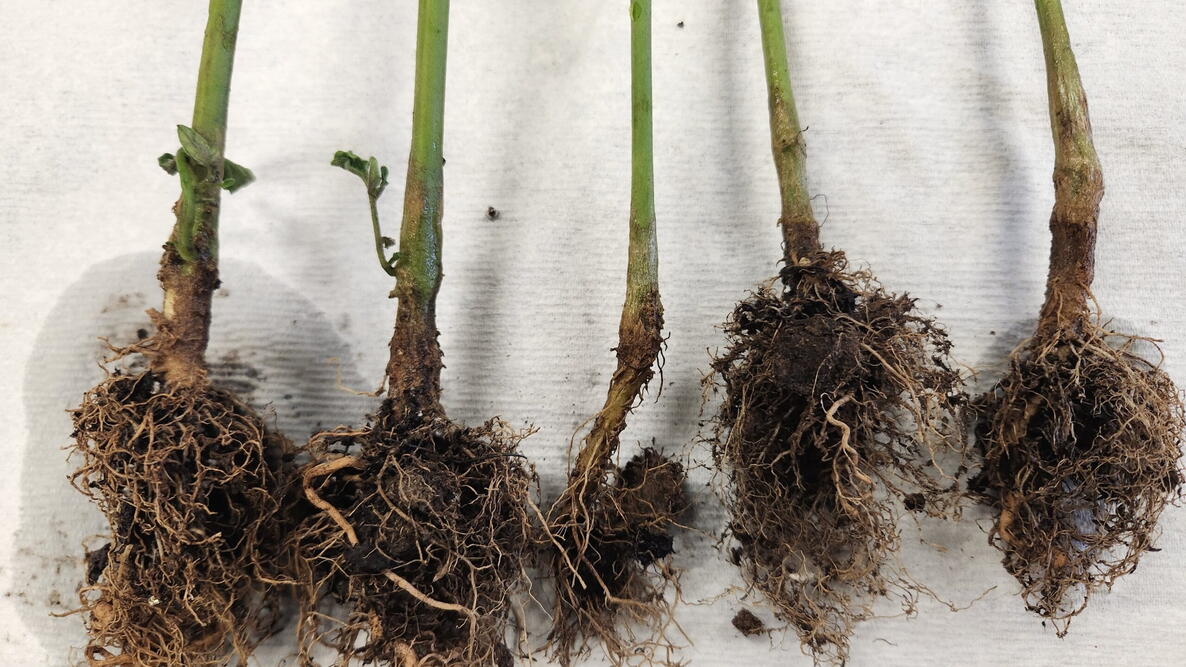
Tomato roots showing dark, damaged growth caused by root rot

Caption

Root rot damages plant roots, preventing them from taking up water and nutrients.

Photo Credit
Rutgers.edu
Subhead

Root rot can be caused by many organisms, but early action can save plants.

Written By: Andy Wilcox Master Gardener and Gardening Contributor

Diagnosing what’s causing your plants to struggle can sometimes feel like solving a riddle. A plant wilts, so you water it. Leaves turn yellow, so you fertilize. But when those fixes don’t help, the problem may be happening out of sight, below the soil.

Root rot is a common plant disease that attacks roots first. By the time symptoms appear above ground, serious damage may already be underway.

What is Root Rot?

Root rot can be confusing, in part because it is not one single disease but a general term for several diseases that cause plant roots to decay and stop functioning properly. We’re referring to a group of problems caused by different soil-dwelling organisms.

Root rot usually develops when soil stays too wet for too long. Plant roots need oxygen as well as water, and in saturated soil they can’t “breathe.” Without oxygen, roots weaken, die, and begin to decay.

Most garden and houseplant root rot problems are caused by water molds—fungus-like organisms such as Phytophthora and Pythium—as well as a few true fungi, including Rhizoctonia and Fusarium. These organisms thrive in damp conditions and can survive in the soil for many years.

As roots rot away, plants lose their ability to take up water and nutrients. That’s why plants with root rot often wilt, yellow, or decline even when the soil is moist and nutrients are available.

Healthy roots are firm and light-colored. Roots affected by rot turn brown or black and become soft and mushy.

Root rot can affect a wide range of plants, including vegetables, flowers, shrubs, trees, and houseplants. Managing the problem focuses on improving drainage and soil conditions so roots can stay healthy.

Identification

As gardeners, we usually don’t notice root rot until symptoms appear above ground. Even then, it’s easy to misdiagnose. A wilting plant gets watered. Yellowing leaves get fertilized. But watering a plant with root rot is akin to giving a drowning person a glass of water. Unfortunately, these actions can make root rot worse.

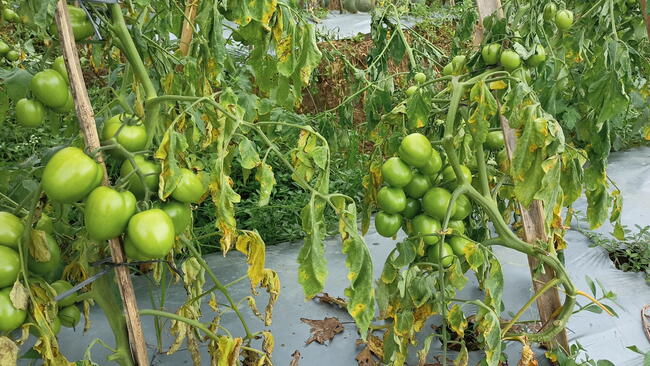
Potato plant showing wilting and decline caused by root rot.
Root rot often isn’t noticed until plants show wilting or decline above ground.Credit: mraichasina

Root rots affect the plant’s root system, rotting away the fine root hairs that absorb water and nutrients. As the disease progresses, larger roots and even the plant’s crown may be affected.

Because the roots are no longer functioning properly, the symptoms above ground can appear confusing. Plants may appear dehydrated or nutrient-deficient even when soil moisture and fertility seem adequate.

When roots are decaying and not functioning, the symptoms above the ground make sense. They match what you’d expect plants wilt, grow poorly, and show discoloration because the roots can no longer supply enough water or nutrients.

The dehydration and nutrient deficiencies are real—but they are caused by damaged roots, not by a lack of moisture or nutrients in the soil. That’s why watering or fertilizing often doesn’t help, and may even make the problem worse.

Common Above-Ground Symptoms of Root Rot

  • Stunted or slow growth
  • Wilting leaves and stems, especially when the soil is moist
  • Yellowing or reddish foliage that resembles a nutrient deficiency
  • Dieback begins at the tips of shoots or branches

These symptoms make sense once you remember the cause: the roots can no longer supply water or nutrients to the plant.

Wilting and dieback in basil can be an early sign of root rot. Credit: The natures

Inspect the roots

The most reliable way to confirm root rot is to look at the roots.

For garden plants, gently lift the plant or remove soil from around the base. For houseplants, remove the plant from its pot to inspect the root system.

  • Healthy roots are firm and white or cream-colored.
  • Rotted roots are brown or black, soft, and mushy.
  • In some cases, the outer layer of the root may slough off easily.

Root rot often has a noticeable odor, similar to rotting vegetables. The crown of the plant may also appear darkened, softened, or water-soaked.

Healthy white plant roots attached to a soil root ball
Healthy plant roots are firm and light-colored. Credit: Protsiuk Ivanna

Control and Prevention

Unlike some other plant problems, you may be able to save a plant with root rot—especially if you catch it early. The sooner you identify the issue, the more likely the plant is to recover.

Check transplants you bring home by looking at their root systems when removing them from their pots. Healthy roots should be firm and creamy white. If they don’t look healthy, set the plant aside for quarantine or discard it. It’s much cheaper to toss one unhealthy plant than to introduce a pathogen into your garden.

Improve drainage in heavy soils by adding generous amounts of organic material and working it in. Repeated additions over time improve soil structure, allowing excess water to drain more quickly and reducing the conditions that favor root rot.

If you’ve noticed root rot in your garden, follow these steps:

  1. Reduce soil moisture.
    If root rot is likely, allow the soil to dry slightly. Root rot usually develops when soil stays wet for too long, giving fungi and water molds ideal conditions. Slow down watering or pause temporarily. Check soil moisture near the base of the plant with your finger—if it doesn’t feel somewhat dry, wait.
     
  2. Check your mulch layers.
    Too much mulch can trap moisture. A three-inch layer is plenty. If mulch is thicker, thin it out or remove it temporarily to help the soil dry. Keep mulch away from plant stems and crowns.
     
  3. Avoid spreading contaminated material.
    Don’t move soil, mulch, or plants from affected areas to healthy ones. Doing so can spread the organisms that cause root rot.
     
  4. Sanitize tools.
    Clean tools with 70% isopropyl alcohol, wetting all surfaces thoroughly. Tools can also be soaked briefly in a 10% bleach solution, then rinsed, dried, and oiled to prevent rust.

Actions for Root Rot Affecting Houseplants

A favorite houseplant with root rot can sometimes be saved if you act quickly.

  • Remove the plant from its pot, taking care not to spill contaminated soil onto other plants. Set the pot aside to be washed and sanitized later.
  • Gently shake, brush, or rinse all potting soil from the roots. Some roots may be damaged, while others remain healthy. Perform this step outside or in an area where spilled soil won’t contaminate other plants.
  • Inspect the roots closely. Using clean, sharp pruners, remove any roots that are dark, mushy, or broken. Leave only firm, white roots.
  • Repot the plant in a clean, sanitized container with fresh potting soil and excellent drainage.
  • Water sparingly for the next few weeks. Allow the top inch of soil to dry before watering again. Damp conditions can allow remaining fungi to rebound.

The goal is to encourage healthy new growth while making conditions unfavorable for root-rot organisms. For gardens with recurring problems, improve drainage over time or choose plants that tolerate wetter soil. Raised beds can also help.

In professional greenhouses, fungicides are sometimes used, but most are restricted to commercial use. For home gardeners, prevention is the most effective approach. By managing moisture and promoting healthy growth, many plants can recover.

About The Author
Andy Wilcox

Andy Wilcox

Master Gardener and Gardening Contributor

Andy Wilcox is a freelance writer, flower farmer, and master gardener with over 25 years of experience in gardening, horticulture, and forestry. He is the co-owner of Stone’s Throw Flowers, a business...