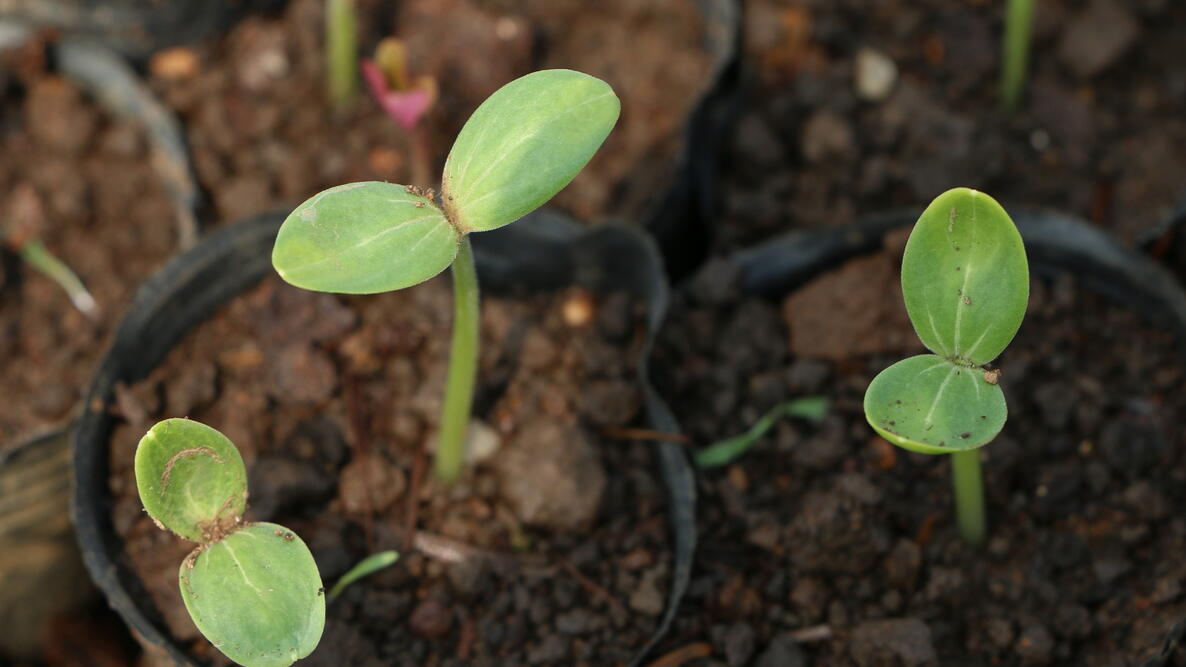

Seeds must germinate for gardens to exist. But what makes a seed germinate? A few key ingredients make for successful sprouting, but if you ignore them, you may have poor germination. Let’s dig in to understand how seeds germinate!
Germination is the process a seed goes through when it “wakes up” from its dormant state and starts to grow. Seeds are self-contained systems that contain most of what they need to get themselves started, but there are three important triggers that kick off germination: air, water, and warmth.
Seed starting isn’t hard to do. Instead of buying starter plants, many gardeners prefer to grow their own from seed, giving you many more varieties to choose from compared to the limited selection of plants at your local garden center. You’ll even save some money—assuming you don’t go overboard and buy too many seeds!
What’s Inside a Seed?
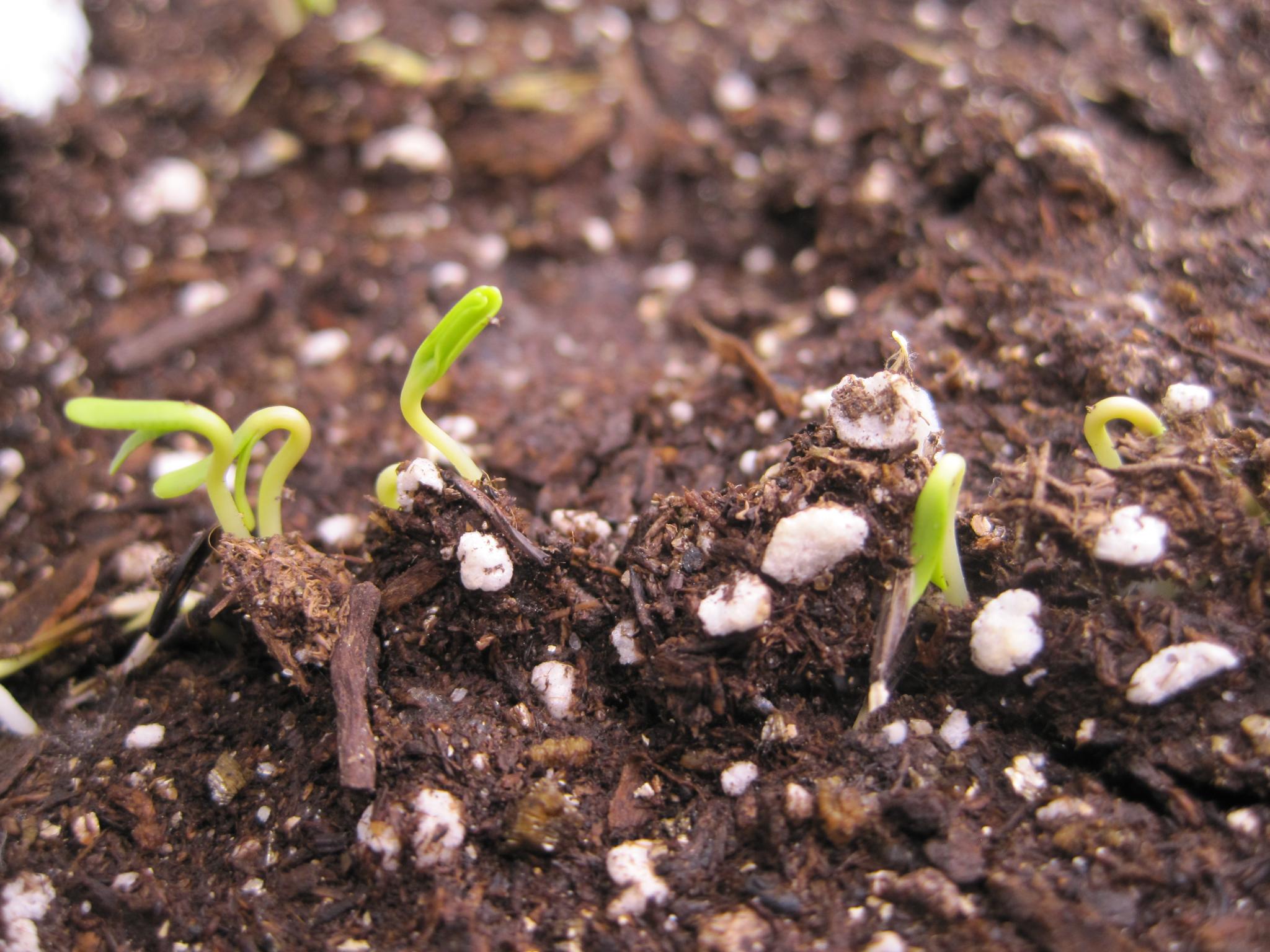
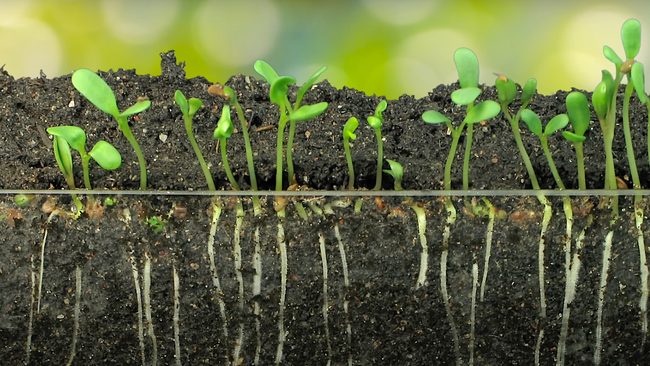
Inside every seed is an embryonic plant and a starchy food supply—everything needed to make a new plant. When a seed germinates, the root breaks through the seed coat and goes down (thanks to gravity) looking for water, which also anchors the plant. The shoot goes up looking for light. Seeds can germinate in the dark but need light soon after sprouting to photosynthesize and grow.
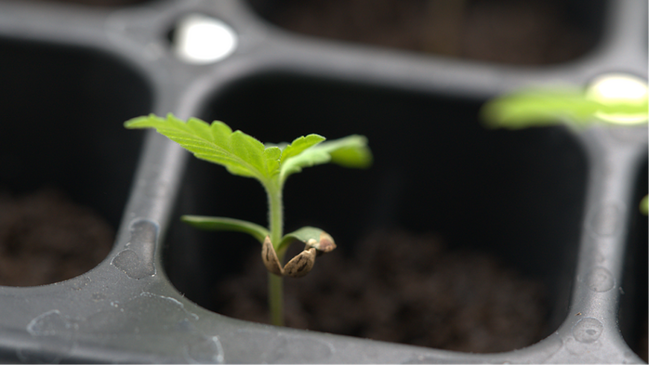
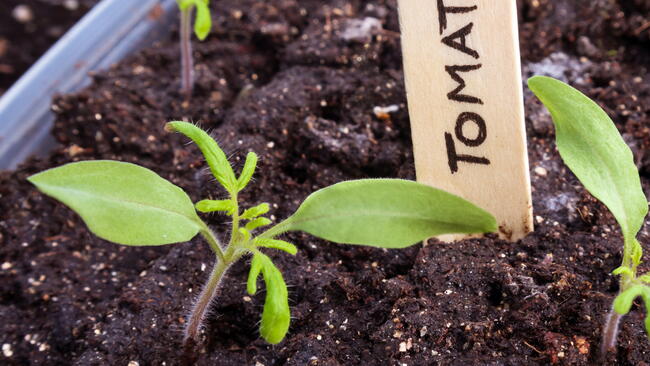
The first leaves, called cotyledons, usually don’t look anything like the “true leaves” that come later. Most plants are dicots and have two seed leaves. Corn and grasses are monocots and have only one seed leaf. The true leaves allow the plant to breathe, taking carbon dioxide in and sending oxygen out.
What Do Seeds Need?
Different seeds need different conditions to germinate, so be sure to read your seed packets. They contain a wealth of information!
Temperature
Some seeds—especially many perennials—need to be chilled before they will break dormancy and germinate. This cold period mimics winter, so when they are brought into the warmth, they think spring has arrived and it is safe to get growing. Just pop them into the fridge for the recommended amount of time before planting. This process is called stratifying.
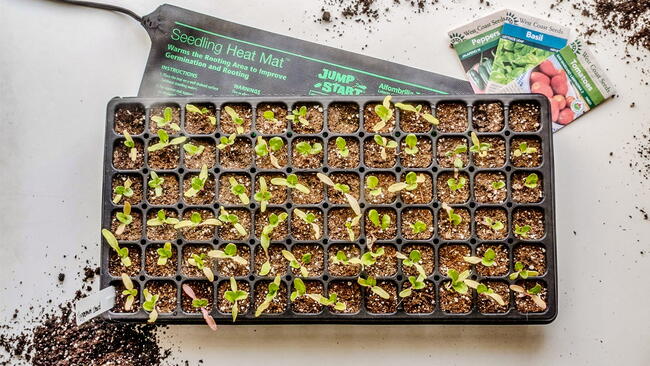
Some seeds need extra heat. Peppers and tomatoes like soil temperatures in the mid 80s (Fahrenheit), while lettuce and many perennials prefer it cooler, in the low 60s. Generally, 65° to 75ºF (18° to 24ºC) is best for most seeds.
Moisture
Another key element to seed germination is water, which softens the protective seed coat. Just like we wear a coat for protection from the elements, a seed’s coat protects it from cold, parasites, disease, and injury. If you soak a seed in water, it swells and splits open, speeding up the time necessary for germination.
Most often, just keeping the soil moist is sufficient, but some types of seeds need to be soaked overnight before planting because their coats are so tough. Sometimes it’s also recommended to gently nick, file, or sand the seed to help break down the seed coat and make it open faster, but if you have ever tried to file a tiny seed, it isn’t easy!
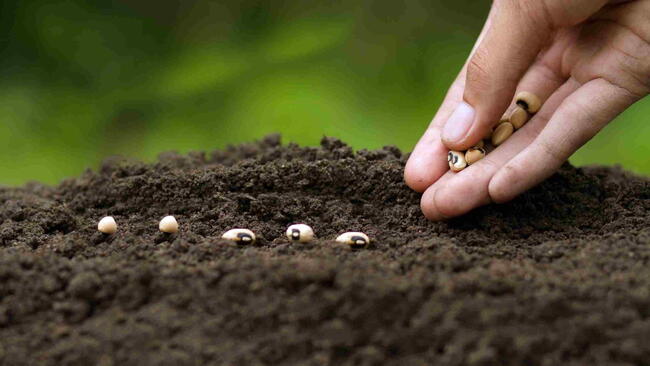
I prefer soaking to nicking, and I do soak a lot of my seeds—especially peas, beans, sweet peas, morning glories, and other vines—to speed up sprouting. Only soak them for 12 to 24 hours, or you run the risk of drowning them! Soak them right before you sow them.
Air
Perhaps surprisingly, seeds actually breathe, and as they germinate, their need for air increases. Hard-packed or saturated soil inhibits air flow and reduces or even prevents germination from occurring. A well-draining, loose soil mix with added vermiculite or perlite works best for seed starting, as it will allow plenty of tiny air pockets to form in the soil, which seeds can access.
Light
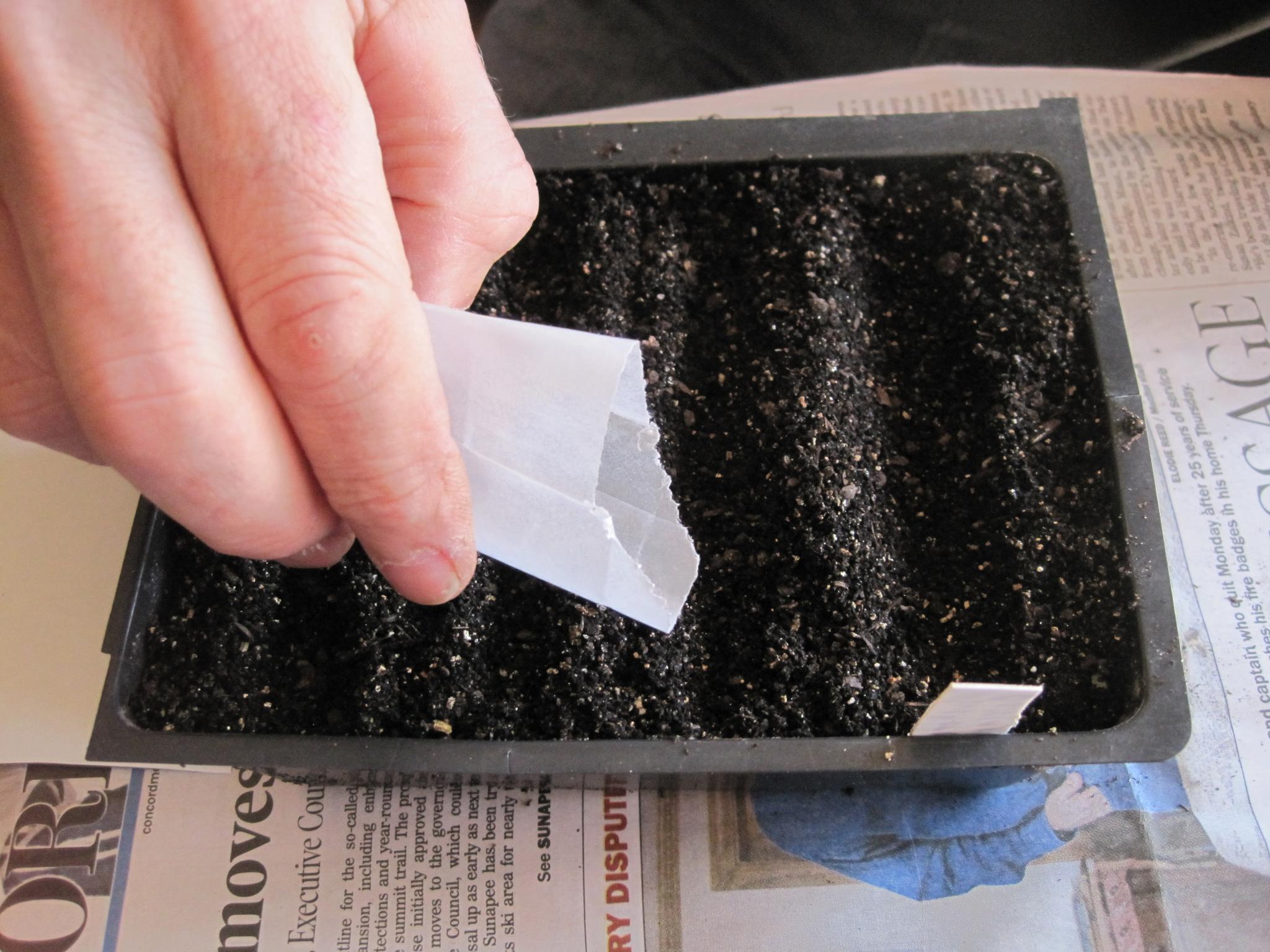
Most seeds germinate best in the dark. The depth to bury them varies by seed, so check your packet or catalog; the rule of thumb is to sow them as deep as “2 to 3 times the width of the seed.”
Some seeds actually do need light to germinate, so don’t bury them at all. Just sow them on the surface, press down so they are making contact with the soil, and if you must cover them, use a light sprinkling of fine vermiculite. Water with a gentle sprayer to avoid dislodging them and put them where they will receive sunshine or artificial light.
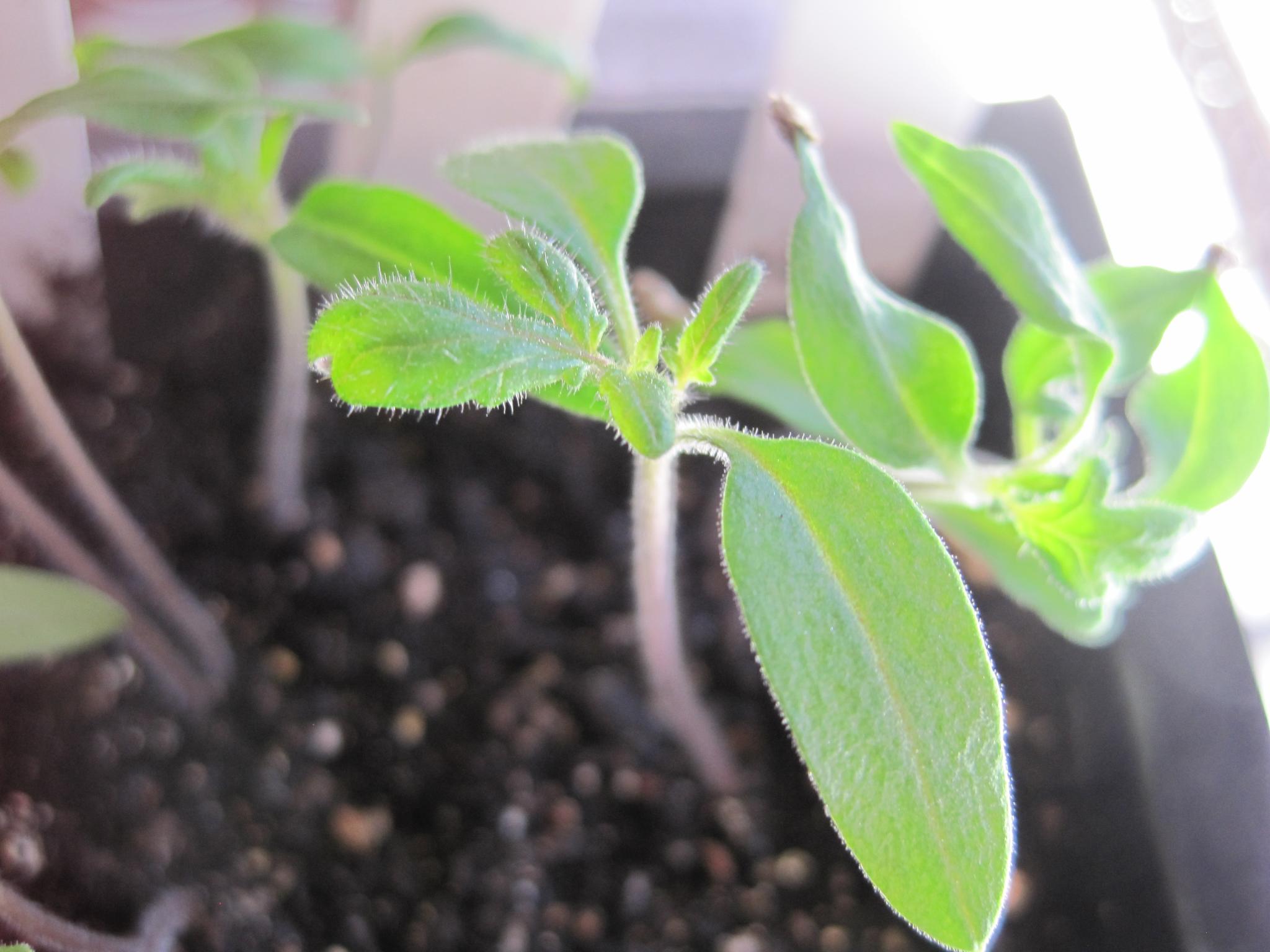
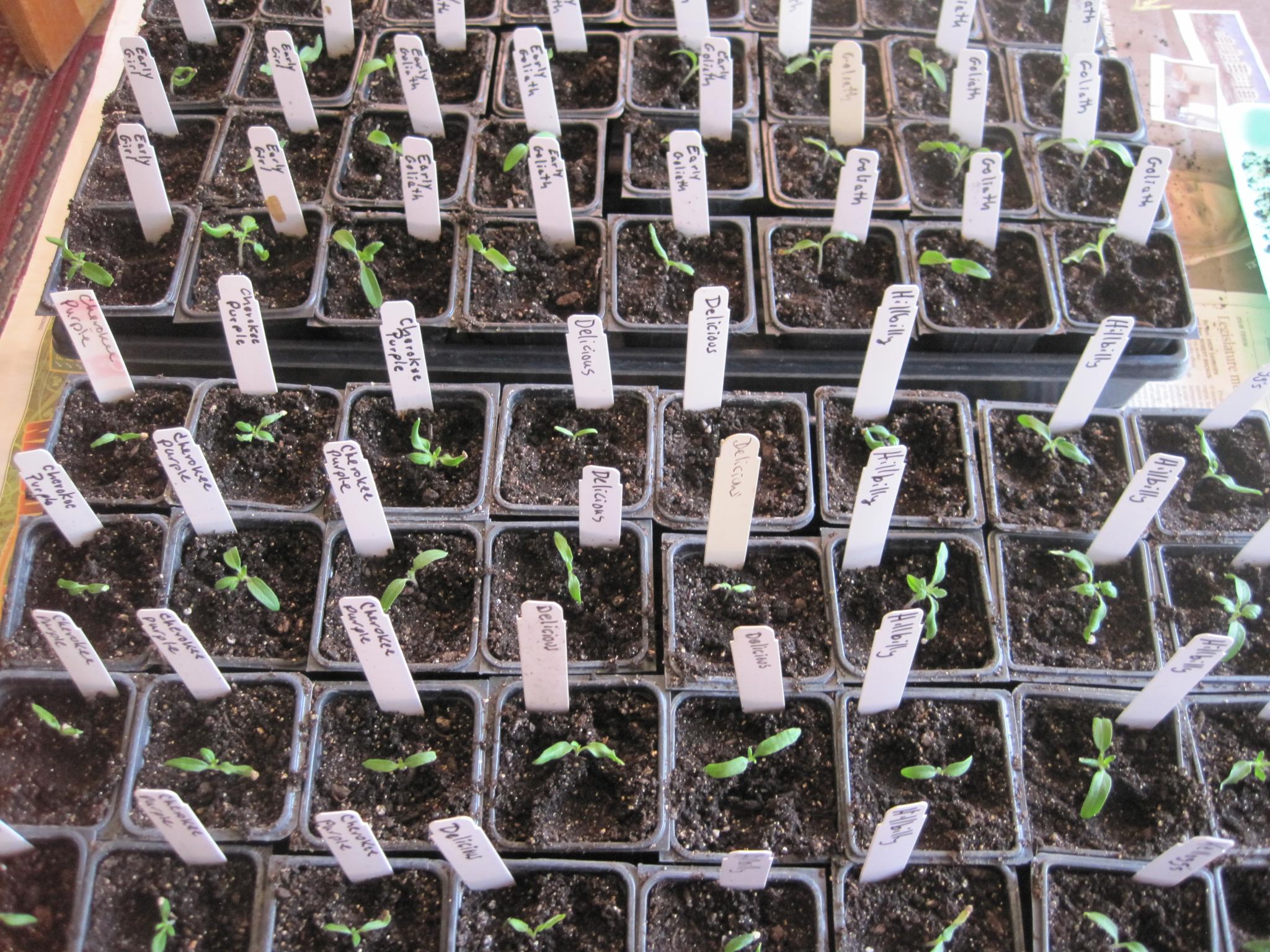
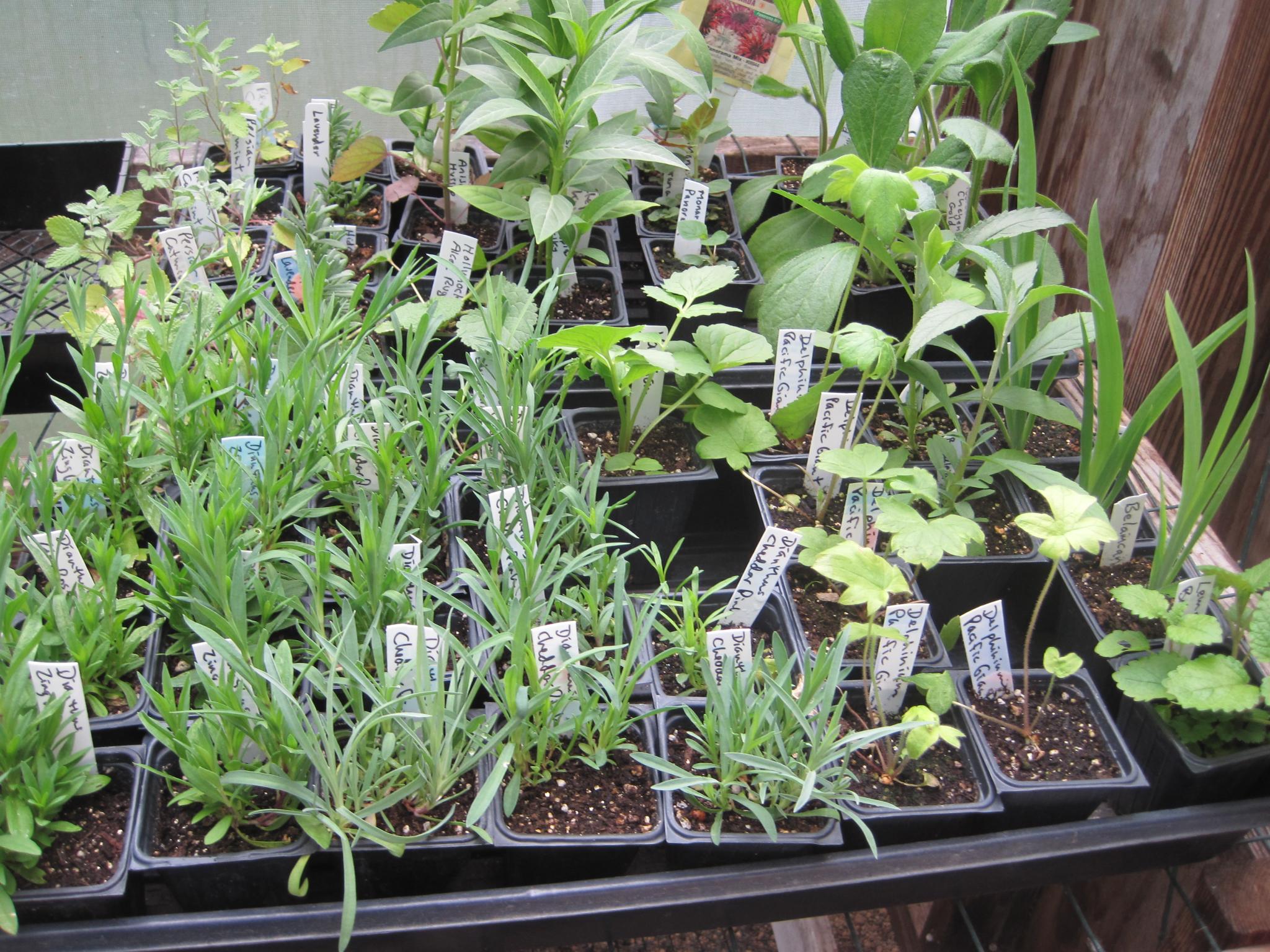
Once they have germinated, your new plants need less heat and more light—lots of light! We give our seedlings 16 hours of light a day. (Giving them a period of darkness is important, too; it’s when the plants do a lot of their growing!)
Be patient. It can take anywhere from a few days to a month or more for your seeds to germinate. Again: your seed packets should give you a time estimate!
More Like This

Comments