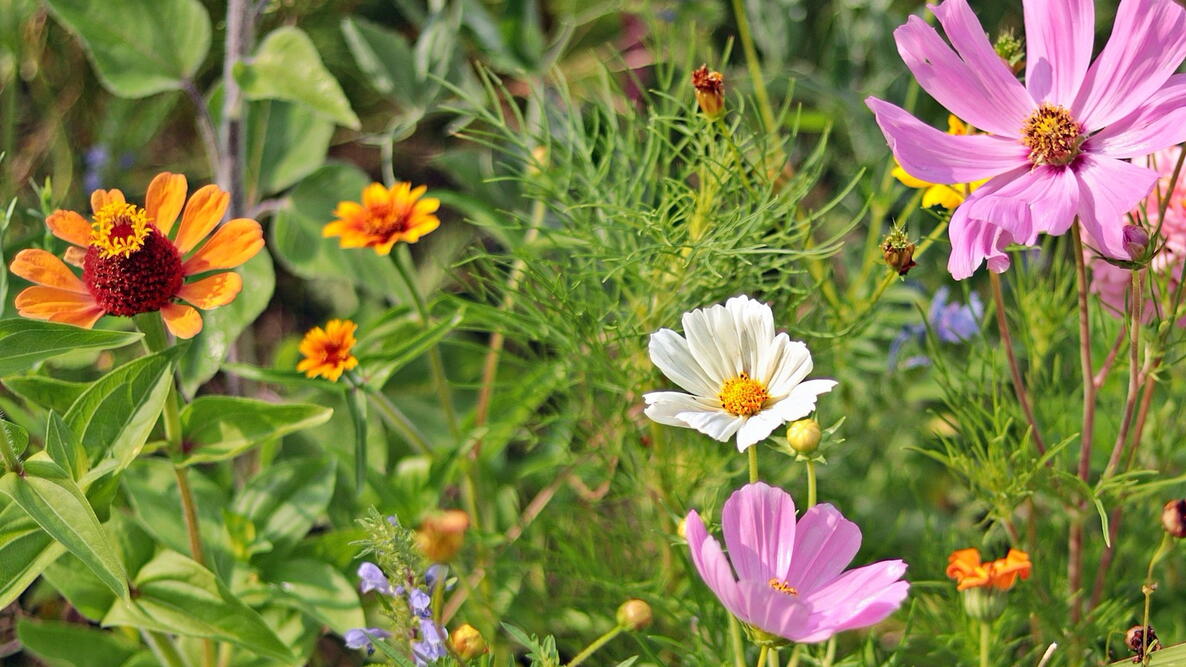

Timing is everything when it comes to planting flowers. Whether you’re growing perennials, annuals, or bulbs, knowing when to start seeds indoors, transplant young plants, or plant bulbs in the ground can make the difference between a thriving garden and a struggling one. Your local frost dates play a big role, along with each plant’s hardiness and growth speed. This guide walks you through when to plant flowers, how long they take to grow, and the best times to plant by type, so your garden blooms beautifully all season long.
Quick Answer: When Should You Plant Flowers?
- Start seeds indoors weeks before your last frost date
- Transplant hardy flowers before or at last frost
- Plant tender annuals after frost danger passes
- Plant spring bulbs in fall, summer bulbs in spring
Different plants need differing amounts of lead time before they are ready to be transplanted into the garden. Starting too soon can result in a weak, lanky plant, while starting too late can give you one that is just not ready for the outside world—both will struggle to survive! Here’s what you should consider before planting.
Know Your Frost Date
Before you even think of starting seeds, you must know your area’s spring (and fall) frost dates. Planting schedules like the one below or our Vegetable Planting Calendar rely on frost dates to determine when it’s safest to plant outdoors since young plants are more vulnerable to a freeze.
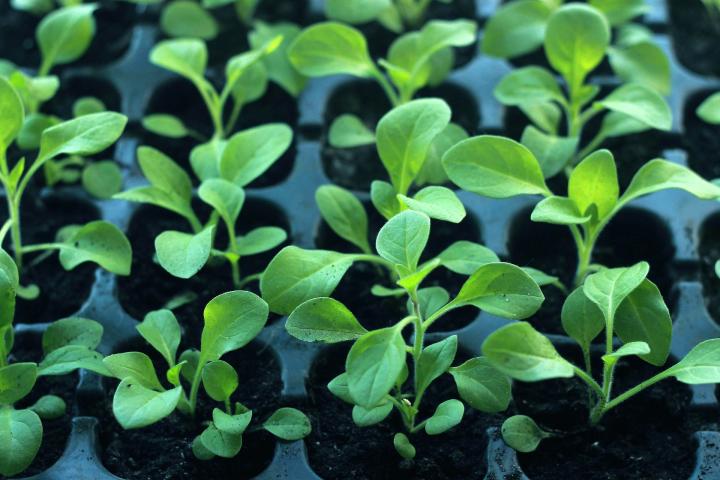
When to Plant Perennial Flowers (Seed Starting & Transplanting)
Perennials are plants that are capable of surviving 2 or more years. While they may die back to the ground in winter, their roots survive underground and produce new foliage as the increased light and warmth of spring arrives. Most perennials will bloom in the same year that they are planted, while others may need to spend time becoming established first (particularly if planted later in the growing season).
Start Seeds in the Spring
Some perennials can be challenging to start from seed, but most are fairly easy to grow and make for an inexpensive way to fill up a new flower bed. Some seeds will need a period of cold temperatures before they germinate, and they may also take a longer time to germinate—3 to 4 weeks is not unusual—so they should be started earlier than others. Follow the instructions on your seed packet.
Plant Mature Perennials in the Fall
If you’re planning on adding mature perennial plants (such as those bought from a nursery) to your garden, the best time to plant is in the fall so that the winter’s cold temperatures and moisture stimulate germination. Plant at least 6 weeks before your first fall frost date to give the plants time to settle in before winter. Roots will still grow while temperatures are in the 40s (°F). Read all about planting and caring for perennials here!
You can also start seeds indoors in springtime. See the chart below.
When to Start Perennial Flower Seeds
| Flower | Start Seeds Indoors (Weeks Before Last SPRING Frost Date ) | Plant Outdoors |
|---|---|---|
| Anise Hyssop | 8–10 weeks | On last frost date |
| Asclepias (Milkweed) | 10–12 weeks | 1–2 weeks after last frost |
| Catmint | 8–10 weeks | On last frost date |
| Columbine | 8–10 weeks | On last frost date |
| Coreopsis | 8–10 weeks | On last frost date |
| Daisy | 10–12 weeks | 1–2 weeks before last frost |
| Delphinium (perennial) | 10–12 weeks | 1–2 weeks before last frost |
| Dianthus | 10–12 weeks | 1–2 weeks before last frost |
| Echinacea (Coneflower) | 8–10 weeks | On last frost date |
| Foxglove (Digitalis) | 10–12 weeks | 1–2 weeks after last frost |
| Gaillardia | 8–10 weeks | On last frost date |
| Helianthus | 8–10 weeks | On last frost date |
| Heliopsis | 10–12 weeks | 1–2 weeks after last frost |
| Hibiscus | 8–10 weeks | 1–2 weeks after last frost |
| Hollyhock | 8–10 weeks | On last frost date |
| Monarda (Bee Balm) | 8–10 weeks | On last frost date |
| Phlox (perennial) | 10–12 weeks | 1–2 weeks after last frost |
| Rudbeckia (Black-Eyed Susan) | 8–10 weeks | 1–2 weeks before last frost |
| Thyme | 8–10 weeks | On last frost date |
| Viola | 8–10 weeks | 1–2 weeks before last frost |
| Yarrow | 8–10 weeks | On last frost date |
How Long Do Perennials Take to Grow?
8–10 Weeks
Many perennials take 8 to 10 weeks to reach a good size and can be transplanted on or after the last frost date:
- Anise hyssop, catmint, columbine, coreopsis, echinacea, gaillardia, helianthus, hollyhock, monarda, thyme, and yarrow.
Rudbeckia and violas are a little hardier and can go out in the garden 1 to 2 weeks before the last frost. Perennial hibiscus, on the other hand, needs to wait 1 to 2 weeks after the frost-free date has passed.
10–12 Weeks
Daisies, delphinium, and dianthus should be started 10 to 12 weeks ahead and can be planted out 1 to 2 weeks before the frost-free date.
Asclepias, foxglove, heliopsis, and phlox take 10 to 12 weeks but need to wait until after the last frost to be transplanted.
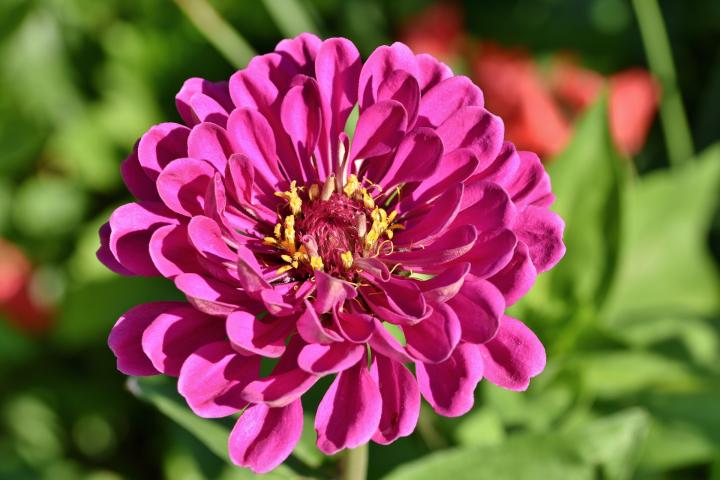
When to Plant Annual Flowers After the Last Frost
Annuals are plants that sprout, grow, bloom, and go to seed all within one season and for only one season. When winter comes, the plant dies, relying on its many seeds to germinate in the following spring. Because of this, most annual flowers are easy to grow from seed, taking about 6 to 8 weeks to grow to a transplantable size, though there are always exceptions to the rule. Some seeds may just take longer to germinate, and slower-growing annuals will need to be started earlier. (Be sure to read the backs of your seed packets for plant- and variety-specific recommendations!)
Since most annuals are frost tender, you’ll need to wait until after the last spring frost date to transplant them into your garden. Below, you’ll find a table listing common annuals, as well as when to start their seeds and when to plant them outdoors. Remember to harden plants off before setting them outside!
When to Start Annual Flower Seeds
| Flower | Start Seeds Indoors (Weeks Before Last SPRING Frost Date) | Plant Outdoors |
|---|---|---|
| Allium | 6–8 weeks | On last frost date |
| Ageratum | 6–8 weeks | On last frost date |
| Alyssum | 6–8 weeks | 1–2 weeks before last frost |
| Aster | 6–8 weeks | On last frost date |
| Bachelor Button | 6–8 weeks | On last frost date |
| Calendula | 6–8 weeks | 1–2 weeks before last frost |
| Celosia | 6–8 weeks | On last frost date |
| Coleus | 8–10 weeks | 1–2 weeks after last frost |
| Cosmos | 6–8 weeks | On last frost date |
| Delphinium (annual) | 6–8 weeks | 1–2 weeks before last frost |
| Gomphrena | 6–8 weeks | On last frost date |
| Impatiens | 8–10 weeks | 1–2 weeks after last frost |
| Marigolds | 6–8 weeks | On last frost date |
| Morning Glory* | 3–4 weeks | After last frost |
| Nicotiana | 6–8 weeks | On last frost date |
| Petunia | 8–10 weeks | On last frost date |
| Phlox (annual) | 8–10 weeks | On last frost date |
| Salvia | 6–8 weeks | On last frost date |
| Scabiosa | 6–8 weeks | On last frost date |
| Snapdragon | 8–10 weeks | On last frost date |
| Statice | 6–8 weeks | On last frost date |
| Stock | 8–10 weeks | On last frost date |
| Strawflower | 6–8 weeks | On last frost date |
| Sunflower* | 3–4 weeks | 1–2 weeks after last frost |
| Verbena | 8–10 weeks | On last frost date |
| Zinnia* | 4–6 weeks | 1–2 weeks after last frost |
*These fast-growing annuals are often started outdoors after the danger of frost has passed.
How Long Do Annuals Take to Grow?
3–6 Weeks
Speedy annuals such as morning glories and sunflowers may take only 3–4 weeks to reach a transplantable size. Zinnias only need a 4- to 6-week head start and can be transplanted outdoors after your last spring frost date. Alternatively, these fast-growing annuals can be directly sown in the garden after the danger of frost has passed.
6–8 Weeks
Annuals that take 6–8 weeks to grow and can go out when the frost-free date arrives include:
- Ageratum, asters, bachelor buttons, celosia, cosmos, gomphrena, marigolds, nicotiana, salvia, scabiosa, statice, and strawflowers.
Alyssum, calendula, and delphiniums also take about 6–8 weeks to grow, but these can go outside a little earlier: 1–2 weeks before the last frost.
8–10 Weeks
These annuals are slower to germinate and take 8–10 weeks to reach a good size for the garden. They can go out on the frost-free date:
- Petunias, phlox, snapdragons, stock, and verbena.
Coleus and impatiens also take 8–10 weeks but are a little more tender and need to be transplanted a week or two after the last frost date.
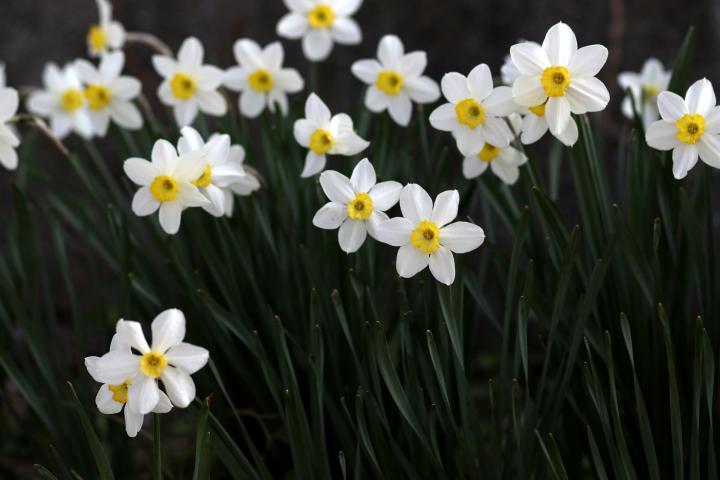
When to Plant Flower Bulbs: Spring vs. Summer Bloomers
Planting bulbs is another lovely way to add seasonal pops of color to your garden. We divide bulbs into two main categories: spring-flowering bulbs and summer-flowering bulbs.
- Spring-flowering bulbs are those that bloom from early spring to early summer. Included in this category are flowers like tulips, crocuses, and daffodils.
- Summer-flowering bulbs are those that bloom from early summer to early fall. Included in this category are flowers like gladiolus, dahlias, and cannas.
Generally speaking, spring-flowering bulbs should be planted in the fall (a few weeks before the first frost), while summer-flowering bulbs should be planted in the spring (a few weeks after the last frost). Why? In many cases, summer-flowering bulbs are not hardy enough to survive winter outdoors, while spring-flowering bulbs may actually need a period of colder weather to trigger their spring blooms. There are exceptions, of course! Hardy perennials that flower in the summer, like daylilies, can be planted in the spring or fall.
What Makes a Bulb a Bulb?
Not all “bulbs” are actually bulbs! A true bulb is a specific type of underground storage structure—think onions, tulips, and daffodils. Many popular “bulbs” are actually other types of structures, like corms (gladiolus), rhizomes (irises, daylilies), and tubers (dahlias). However, most gardeners simply refer to this entire category of plants as “bulbs” to make things a little easier!
When to Plant Bulbs
| Bulbs to Plant in the Fall | Bulbs to Plant in the Spring |
|---|---|
| Allium | Begonia (tuberous) |
| Anemone | Caladium |
| Bluebell (Hyacinthoides) | Calla Lily |
| Crocus | Canna |
| Daffodil | Dahlia |
| Fritillaria | Daylily* |
| Glory-of-the-Snow (Chionodoxa) | Crocosmia |
| Grape Hyacinth (Muscari) | Elephant Ear |
| Hyacinth (Hyacinthus) | Freesia |
| Iris* | Gladiolus |
| Snowdrop (Galanthus) | Lily, Asiatic/Oriental (Lilium) |
| Squill (Scilla) | |
| Tulip |
*This hardy perennial may be planted in the spring or fall.
Caring for Bulbs
Wait until spring-flowering bulbs have finished blooming and their foliage has died back before digging, dividing, or moving them around. Mark their locations with brightly colored popsicle sticks so you can find them more easily in late summer or early fall, which is the time to divide and transplant. Read more about spring-flowering bulbs.
Fall is also the time to dig up summer-flowering bulbs that need to be stored inside for winter. Read more about growing summer-flowering bulbs here!
Frequently Asked Questions
When is the best time to plant flowers?
It depends on the type of flower and your local frost dates. Hardy perennials and bulbs can often be planted before the last frost, while tender annuals should wait until all frost danger has passed.
Can I plant flowers before the last frost?
Only frost-tolerant perennials and hardy bulbs should be planted before the last frost. Most annuals are frost-sensitive and need warmer soil to survive.
How early should I start flower seeds indoors?
Most perennials and annuals should be started 6–12 weeks before your last spring frost, depending on the plant’s growth rate. Check your seed packet for exact timing.
Can bulbs be planted in spring or fall?
Spring-flowering bulbs (like tulips and daffodils) are typically planted in fall, while summer-flowering bulbs (like dahlias and cannas) are planted in spring after frost danger has passed.
How do I know if a flower is frost-sensitive?
Frost-sensitive flowers are usually tender annuals and tropical plants. Check your seed packet or plant label; frost-hardy plants can survive brief freezes, while frost-sensitive plants cannot.
What flowers will you grow this upcoming season? Let us know in the comments!
Getting Started with Flower Gardening
Building a Raised Flower Bed Garden
Choosing Flowers
Types of Flower Gardens
Growing Flowers in Containers
Spring and Fall Bulbs
Caring for Flowers
More Like This

Hi Jane, Sorry to hear about the difficulties with planting your bulbs this year. Depending on the bulb variety, there are specific instructions in terms of planting depth and how they should be placed in the hole, so just dumping the bulbs in the soil likely won't come with favorable results. One suggestion would be to see if there is someone who can help you—a neighbor or contact a local garden club to see if there is a member who might have some time to assist you. Another option would be to plant the bulbs in containers this year, something you could do on a table top and properly place the bulbs in the soil. Happy planting!

Comments