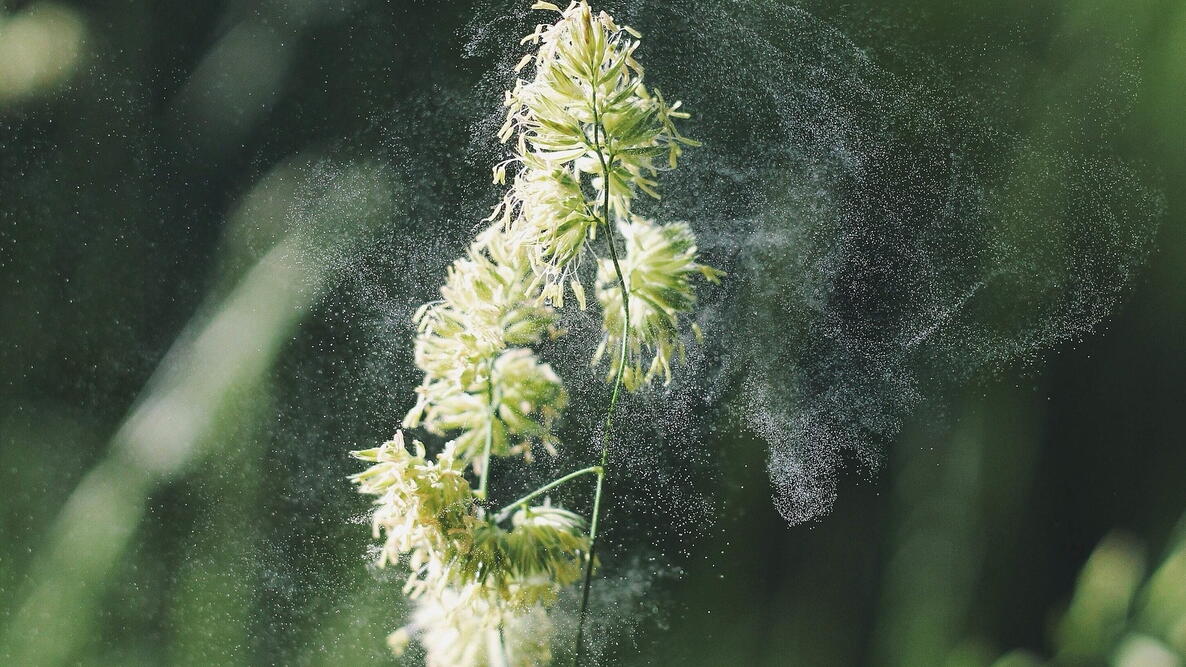
Fall Allergy Relief: 7 Tips to Beat Ragweed, Mold & Seasonal Allergies

Photo Credit
Pixabay
Subhead

Hay Fever Gotcha Down?

Written By: Heather Blackmore Contributor

As summer fades, fall allergies start creeping in—and for many, it’s more than just a few sniffles. Ragweed pollen, mold spores, and other airborne irritants can leave you sneezing, sniffling, and rubbing itchy eyes for weeks. But you don’t have to suffer through the season! With a few simple strategies, you can reduce exposure, ease symptoms, and enjoy crisp autumn days without constantly reaching for tissues. Here are 7 practical tips for fall allergy relief that actually work.

1. Start Allergy Medications Early

Take antihistamines or other prescribed medications at least 2 weeks before symptoms usually appear, and continue until pollen and mold counts drop for at least 2 weeks. Staying ahead of the allergens is easier than playing catch-up later.

2. Monitor Pollen Counts Daily

High pollen days can trigger serious flare-ups. Pay attention to pollen counts. If they’re high, reconsider that outdoor activity at least until things settle, or consider wearing a mask.

3. Keep Windows Closed

Prevent pollen from sneaking indoors by keeping windows and car vents closed. Use air conditioning when possible.

4. Protect Yourself During Yard Work

Avoid yard work on windy days when mold and pollen spores can travel up to 100 miles from the source. 

Wear gloves and a reusable pollen/dust mask when doing yard work. Better yet, avoid yard work altogether if your allergies are severe. Sometimes it’s just better to pay someone to do the dirty work.

5. Rinse Off After Being Outdoors

Take a shower after working outside. Your hair makes a wonderful hideout for mold and pollen. Best to send them packing down the drain.

Additionally, do not hang clothing and sheets out to dry. Pollen will stick to the fabric and wreak havoc on your sinuses.

6. Try a Neti Pot Safely

Neti pots can flush out allergens from your nasal passages. Always use distilled or sterilized water and follow the instructions carefully.

7. Seek Professional Guidance

If your symptoms persist, consult an allergist to create a tailored treatment plan.

Share your favorite fall allergy hacks in the comments!

About The Author
Heather Blackmore

Heather Blackmore

Contributor

Blessed with a wicked green thumb and a determined spirit, Heather Blackmore tends a perennial and vegetable garden in the southwest suburbs of Chicago. She writes about her garden successes, failures...