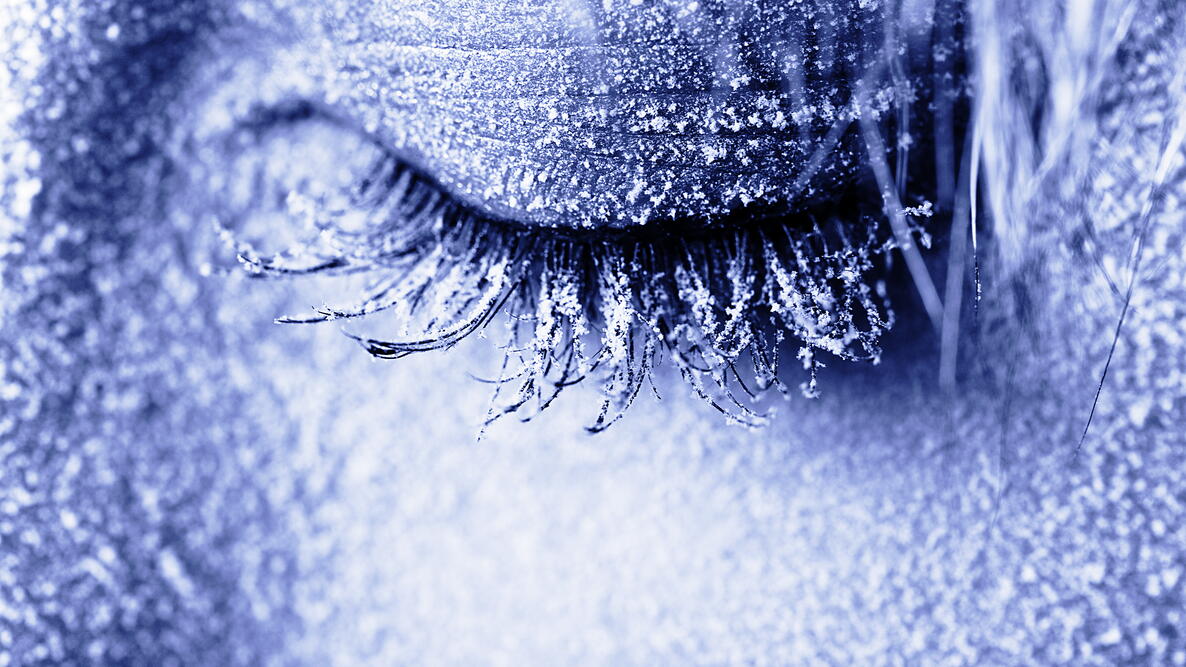

Many of us look forward to winter with its peaceful landscapes and fun in the snow. But winter also arrives with a raft of special health concerns, occasioned by dry air, less light, icy walks, and Jack Frost nipping at our nose (and fingers and toes). Take the cold seriously. Be aware of the signs and symptoms of Raynaud’s, frostbite, hypothermia, and chilblains.
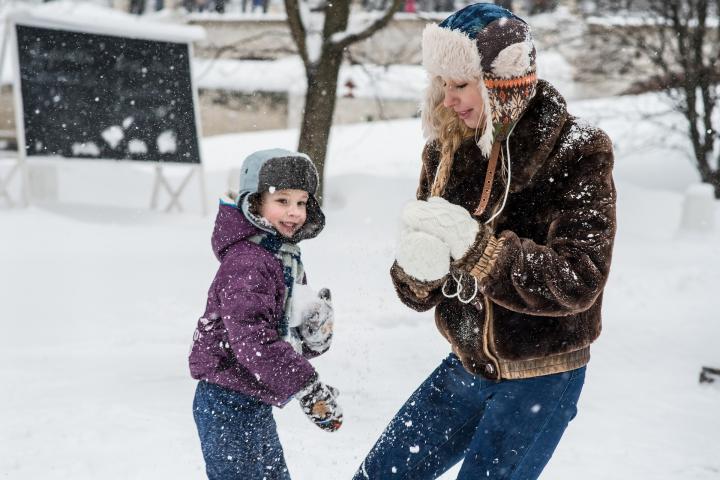
Common Cold Weather Health Risks
Let’s start with health concerns associated with cold weather:
Raynaud’s Disease: Symptoms and Prevention
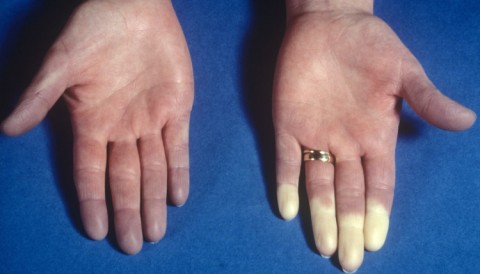
Do your fingertips (and maybe your toes, lips, ears, or even your tongue) turn white and numb with exposure to the cold? If so, you may suffer from Raynaud’s Disease, a poorly understood condition in which small arteries in the fingers (occasionally the toes, nose, lips, ears, and other body parts) narrow upon contact with the cold. Some people have symptoms of Raynaud’s after removing packages of food from the freezer, handling a bag of ice, running around barefoot on cold floors, or even sitting in an air-conditioned room.
Most people with the condition suffer the mild form of Raynaud’s called primary Raynaud’s, which affects up to 15 percent of the population overall, is much more prevalent in women, and usually manifests first in early adulthood. The affected parts become numb and turn a ghostly white, sometimes even blue. As they warm back up, they may tingle and ache or burn. Though the numb, whitened fingers or toes look and feel scary, the condition itself doesn’t damage the skin or underlying tissues (as long as exposure doesn’t lead to frostbite; see below).
Most people cope with Raynaud’s by remembering to cover up exposed skin before going out into the cold, handling frozen foods, or even grabbing the steering wheel with bare hands in a cold car. They wear socks or slippers inside. If you believe you have Raynaud’s, it helps to:
- Wear gloves, even when handling frozen or refrigerated foods.
- When outdoors, use those foot and hand warmers that heat up when exposed to air.
- Don’t smoke! Smoking narrows blood vessels even more and makes Raynaud’s worse.
- Swing arms around in a windmill fashion to get the circulation going quickly.
- To warm up hands quickly, place them under warm (not hot) water.
- Regular exercise really helps.
- Consider tai chi, which helps the blood flow to the extremities.
- Speak to our doctor about medication if needed, such as calcium channel blockers, which open or dilate the blood vessels so the blood circulates more freely.
A more serious form of this phenomenon, called secondary Raynaud’s, indicates an underlying problem such as an autoimmune or connective-tissue disease, an injury to hand or wrist, or as a side effect of some forms of chemotherapy. Secondary Raynaud’s tends to occur after age 40. If you experience severe, long-lasting whiteness/numbness, or if an affected finger, toe, or other body part develops a sore or blister, seek medical help immediately.
Frostbite: How to Spot and Treat It
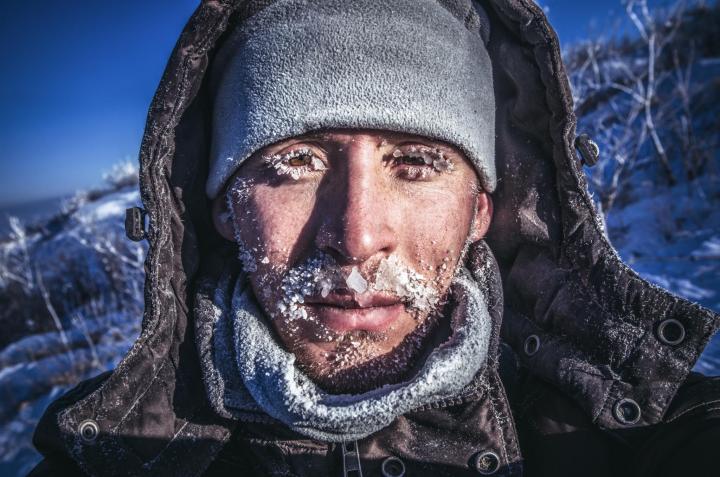
Frostbite refers to actual damage to tissues exposed to extreme cold. Anyone can suffer frostbite (unlike Raynaud’s, which affects only susceptible populations). It can affect any exposed area of the body.
In the early stages, damage to cold-exposed skin is called frostnip. Exposed areas begin feeling numb and turn white, a sign to move into warmer quarters or cover the exposed areas, adding another layer if they’re already covered.
Frost-nipped tissues may tingle and ache as they warm back up, but they won’t have suffered any permanent damage. But numb skin may prevent you from realizing that continued exposure is leading to the more serious damage of frostbite, which, in its most severe form, can lead to blistering, infection, nerve damage, and eventually even the death of the body parts involved.
If you experience ANY prickling, stinging, throbbing, or redness of the skin when outside in the cold, these are your first cues to head inside.
When it comes to frostbite, it’s all about prevention:
- Dress in layers, which helps trap warm air. The first layer needs to wick moisture (often polyester), the second layer needs to insulate and hold in heat (wool or fleece, not cotton), and the top layer should be water- and wind-resistant.
- Wear wool-blend socks in the winter and make sure your boots are waterproof, insulating, and cover your ankles.
- Wear hats made of heavy wool or fleece.
- Wearing a scarf or face mask to protect your nose and face; your own warm breath will help.
- Get used to wearing gloves or mittens wherever you go in cold weather.
- Avoid alcohol.
- Hydrate, hydrate, hydrate! Do not wait until you are thirsty. Drink a glass of water before you head outside.
Caution: Never rub or massage nipped/frostbitten skin, and do NOT soak hands, feet, or affected areas in hot water. Instead, warm the frostbitten areas gradually. Wrap them in warm coverings, holding them under warm (not hot) water for 15-20 minutes. If the feeling doesn’t return within 15-20 minutes, or if you experience serious pain, redness, or blistering, seek immediate medical attention.
Hypothermia: Signs and First Aid
When the body loses heat faster than it can warm itself, it triggers a condition called hypothermia. When body temperature drops below 95°F (98.6°F is normal), it becomes increasingly difficult for the heart, brain, nervous system, and other organs to work properly.
Hypothermia is most common if you are exposed to cold temperatures for a prolonged period of time because your body is using up its stored energy, leading to lower body temperatures. However, it can even occur even at cool temperatures (above 40°F) if a person becomes chilled.
Shivering is the first symptom. When most of us start shivering, we go inside to warmer quarters or add a layer or two of clothing. But the process of hypothermia proceeds so gradually, we sometimes don’t take action soon enough. Unless we move into a warmer space, remove wet clothing, and/or add extra layers of clothing, the shivering may progress to slurred speech, clumsiness, confusion, drowsiness, and ultimately, loss of consciousness.
Infants sleeping in cold bedrooms, small children, people with disabilities, and elderly people are at high risk for hypothermia. Often, they may not be able to articulate or demonstrate how cold they’re getting, so if you have these folks in your care, make sure to check them regularly.
Clearly, you prevent hypothermia by keeping the body warm and dry. But if you find yourself or someone showing signs of hypothermia, you need to act very quickly to get inside, remove any wet clothing, and warm the body up with blankets, even an electric blanket if available. Focus on warming up the core of the body. Also, wrap their head and neck in warmth.
If possible, take the person’s temperature. If it is below 95°F, get medical attention immediately.
Chilblains: Causes and Treatment
Ever had red, itchy fingers or toes? Chilblains (erythema pernio) from cold exposure commonly affects capillary beds. This damage is superficial but permanent. The redness and itching will return with re-exposure to cold. The condition is uncomfortable but not serious.
Preventing exposure to cold is the best treatment. The drug nifedipine, taken by mouth, sometimes relieves symptoms.
Tips for Staying Safe in Cold Weather
Cold weather injuries can come on in minutes and be life- or limb-threatening. So be observant and look for any early signs.
Of course, the best way to avoid these injuries is to:
- Be aware of the current and forecasted weather before going outside in the cold. See your local 7-day weather forecast.
- Take note of the windchill factor. This measures how much colder the body feels and how much faster the body loses heat depending on how much the wind is blowing. See our windchill chart for the U.S. and for Canada.
- Dress properly for the outside temperature and for the activities you will be doing. See how to keep warm in winter!
- If you or a family member is shivering, your body is telling you to go back inside.
Frequently Asked Questions
What is Raynaud’s disease?
Raynaud’s is a condition where fingers, toes, and other extremities turn white or blue and feel numb in the cold due to narrowed blood vessels.
How can I prevent frostbite?
Dress in layers, wear insulated gloves and boots, cover exposed skin, stay dry, and avoid alcohol in cold weather.
What are the early signs of hypothermia?
Shivering, slurred speech, clumsiness, confusion, drowsiness, and cold skin are early hypothermia signs.
How can chilblains be treated?
Prevent exposure to cold, keep hands and feet warm, and consult a doctor about medications like nifedipine if needed.
When should I seek medical help for cold weather injuries?
Seek immediate medical attention for severe frostbite, hypothermia (body temperature <95°F), or persistent numbness/sores.
Cold weather can be beautiful, but it also brings serious health risks like Raynaud’s, frostbite, hypothermia, and chilblains. Being aware of the signs, dressing appropriately, and taking preventive measures can protect you and your loved ones from injury. Always pay attention to wind chill, keep extremities covered, and act quickly if symptoms appear. With proper precautions, you can enjoy winter fun safely while keeping your body warm, healthy, and comfortable all season long.
Stay safe this winter—and have fun!



Comments