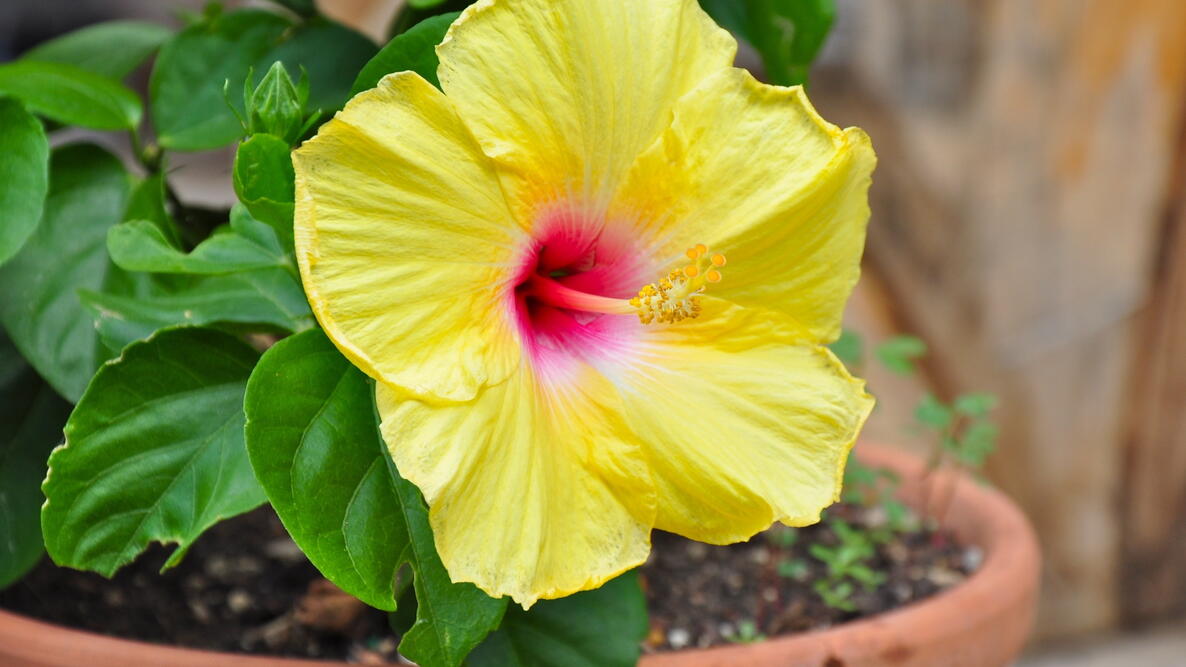

Before the first fall frost arrives, it’s time to prepare your garden! Many tender plants, such as geraniums, hibiscus, rosemary, and tropical bulbs, can survive winter with the right overwintering techniques. Here’s a complete guide on how to overwinter plants indoors and outdoors so your favorites return strong in spring.
What is Overwintering Plants?
If your flowering plants or herbs are still going strong when cool weather arrives, it can be dismaying to know they’ll die! However, many of these plants can overwinter.
Overwintering plants simply means bringing plants indoors or giving them shelter from cold weather, wind, and snow.
- Some plants can overwinter as houseplants. The most successful are geraniums, Boston ferns, and tropical plants such as begonia, caladium, coleus, and hibiscus. For these plants, the general rule is to give them as much light and humidity as possible; keep them away from heat ducts. Some will benefit from artificial light.
- Other plants go dormant and can rest in your garage or basement. This is especially true of plants with bulbs, tubers, or corms, such as cannas, dahlias, and some lilies. For these plants, you simply cut back the foliage, gently dig it up, and store dried roots in a cool, dark spot.
Here is advice on overwintering some of our favorite plants!
How to Overwinter Geraniums Indoors
Even though most folks grow geraniums (Pelargonium x hortorum) as annuals, they are tender perennials that can keep growing with some help. Before the first frost (find frost dates for your region here), cut plants back to about 6 to 8 inches. Then lift the plants and cut back the roots. Put the trimmed plants in the smallest pots possible—containers just large enough to fit the roots. Fill the remaining space in the pot with regular potting soil. Keep the plants in the shade for a week and then place them in a sunny spot indoors. When new growth starts, cut off all the old leaves. Learn more about geraniums.
Quick Tip: Overwinter geraniums by cutting them back to 6–8 inches, potting them, and placing in a sunny indoor window before the first frost.

Overwintering Rosemary
This culinary herb prefers life in a pot and can successfully survive as a houseplant from year to year. Before a frost in the fall, dig it up, plant it in a pot, and bring it indoors. Place it in a sunny window and keep it evenly watered. Mist the leaves frequently or place the entire plant in the shower and give it a good rinse once a month. The plant may start to look a little tired by March, but it will perk up once you return it to the garden. Dig a hole in the late spring, after all danger of frost has passed, and set the plant back into the soil. Learn more about overwintering rosemary.
Quick Tip: Keep rosemary alive through winter by potting it up, placing in a sunny window, and misting leaves often to maintain humidity.
Protecting Roses for Winter
Roses need thick insulation to help them stay dormant. For those that are grafted, such as hybrid teas, make sure that their graft unions are covered with soil to insulate them from low temperatures. After a freeze or two, mound 12 inches of soil around the base of the rosebush.
Non-grafted roses, such as rugosas and antiques, don’t need much protection. Just mulch the ground around them with a couple of inches of straw or shredded leaves.
All climbing roses need to be protected. Pull down the canes, lay them on the ground, and cover them with at least 6 inches of soil. Mound soil around the plant base, too. If your winter temperatures go below –10°F, leave canes in place and insulate them with a thick covering of straw wrapped with burlap or old sheets.
See our Rose Growing Guide for more advice.
Quick Tip: Protect roses by mounding 12 inches of soil around the base and insulating canes with straw or burlap once temperatures drop below freezing.
How to Overwinter Hibiscus Inside
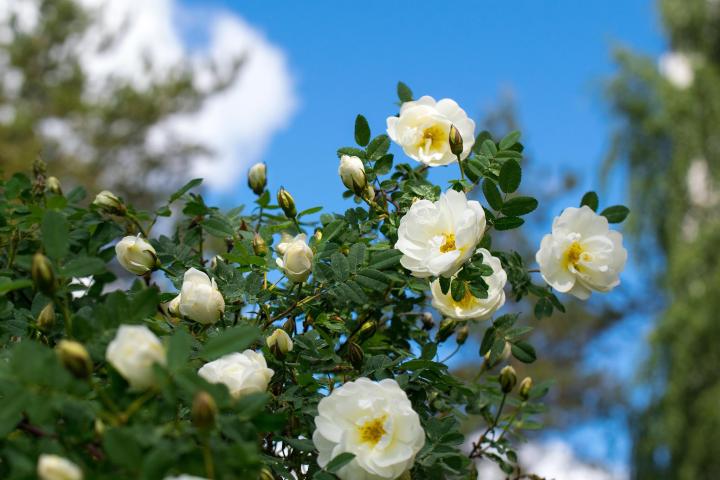
Move your hibiscus plants into winter storage before the first fall frost. Check the plants for insects, especially whitefly, before you bring them inside. It needs to stay in a spot with some light and temperatures warmer than 50°F. Don’t worry if the flowers and leaves fall off! This is normal as your plant is going into dormancy. Water the plant, but only when the soil is dry. In the early spring, you can prune back any leggy growth, repot, and start fertilizing every couple of weeks. Slowly get the hibiscus used to the outdoors once all danger of frost has passed. See more advice on our Hibiscus Growing Guide.
Quick Tip: Bring hibiscus indoors before frost, keep in a warm spot above 50°F, and water sparingly while it goes dormant.

Overwintering Tropical Plants (Begonias, Cannas, Dahlias)
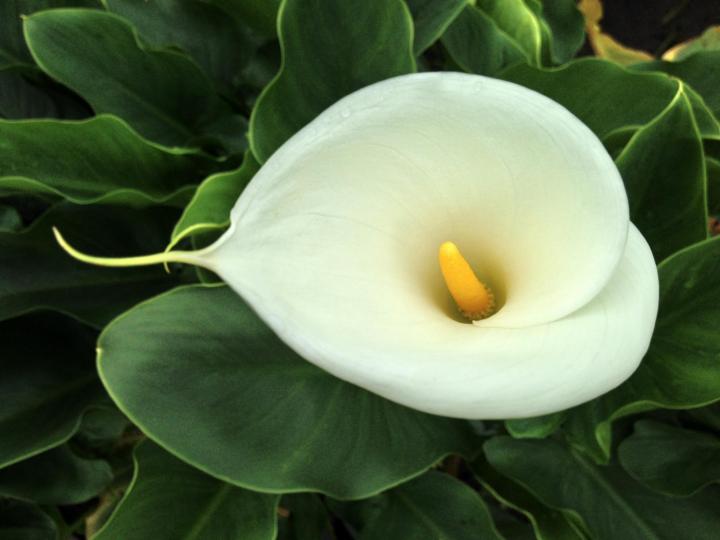
Many tropical plants grow from underground bulbs, corms, or tubers, including caladium, calla lily, canna, dahlia, ginger, and tuberous begonia. These plants are easy to overwinter.
When nights drop into the low 40s or high 30s F, the leaves of plants will brown and begin to die. This is your cue to dig, or lift, them up to store indoors for the winter. (You can wait until after a killing frost to dig dahlias and cannas.)
Carefully dig up the plants, leaving a small amount of soil around each bulb/tuber. Cut off the top growth (1 inch above bulb/tuber). Set them on newspapers in a shaded area or the garage to cure for a couple of days.
After curing, shake off the remaining soil. Place the bulbs/tubers in a small cardboard box (such as a shoe box) filled with dry peat moss, sawdust, or vermiculite. Store in a dark area where the temperature is between 40° and 50°F. Do not allow to freeze.
When spring arrives, plant again for another year of enjoyment. Bulbous tropicals will increase their numbers and produce bigger bulbs, corms, and tubers when they are saved from year to year in this manner.
Quick Tip: Dig up tubers after frost, cure them for a few days, then store in a cool, dark spot in peat moss or sawdust until spring.
Extra-Hardy Tropical Options for Cold Climates
These plants can take colder temperatures than others in their class. The temperature given is what the plant can survive without protection. You can gain another 5°–10°F of cold tolerance if you mulch heavily, plant in a sheltered area, and wrap plants.
- Bananas: Musa basjoo (–5ºF)
- Citrus: ‘Satsuma’ tangerine, ‘Meyer’ lemon, ‘Trifoliate’ orange (20ºF)
- Figs: ‘Celeste,’ ‘Italian Honey,’ ‘Hardy Chicago,’ ‘Brown Turkey,’ ‘Petite Negra’ (10ºF)
- Passionflowers: Incense passionflower, Passiflora incarnata (–10ºF)
Quick Tip: Plant extra-hardy tropicals in sheltered spots, mulch heavily in fall, and wrap for insulation to add 5°–10°F of cold protection.
How to Overwinter Perennials in Your Garden
To encourage your perennials, especially new plants, to go dormant and stay that way through the inevitable freezing and thawing cycles of winter, you may apply mulch of straw, leaves, or other organic matter after the first several hard frosts. If you mulch the ground too early in the fall, rodents may find the cozy layer impossible to resist, and the mulch may also delay the ground from freezing solid. See our article on getting your perennial garden ready for winter.
Quick Tip: Wait until several hard frosts have passed, then mulch perennials with straw or leaves to keep roots insulated through winter.
Overwintering Trees and Shrubs
Protect a small tree or shrub from extreme cold and the uneven temperatures of freezing and thawing by surrounding it with a cylinder of snow fencing or chicken wire. Fill the space between the tree and the fencing with straw or leaves for insulation.
To shield a dwarf or young evergreen from winter damage, drive stakes into the ground at four corners around the plant. Wrap burlap or heavy black plastic around the stakes and secure it at the top, bottom, and center with stout twine.
Quick Tip: Shield small trees and shrubs from winter stress by wrapping them with burlap or surrounding them with snow fencing filled with straw or leaves.
Get more tips for protecting your plants from frost and preparing your garden for winter!


Getting Started with Flower Gardening
Building a Raised Flower Bed Garden
Choosing Flowers
Types of Flower Gardens
Growing Flowers in Containers
Spring and Fall Bulbs
Caring for Flowers
More Like This

Thank you for your thoughtful comments and appreciation, Susan. We're happy to hear that you benefit from and enjoy the information here. We love to share!

Comments