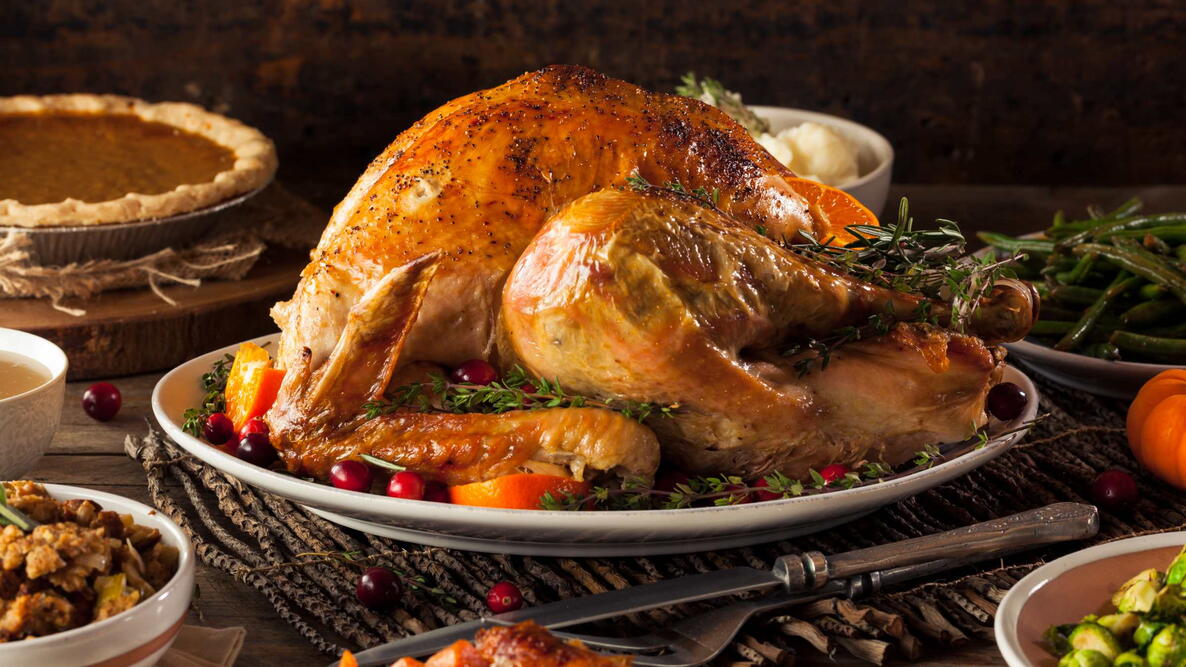

Thanksgiving is a time for turkey, stuffing, and pumpkin pie—but did you know the foods we celebrate today are very different from what the Pilgrims actually ate in 1621? Historians agree that the first feast included wild fowl, venison, corn, and nuts, but not pies or mashed potatoes. In this article, we explore the surprising history of Thanksgiving foods, explain why turkey became the centerpiece, and share historically inspired recipes to honor that first harvest meal.
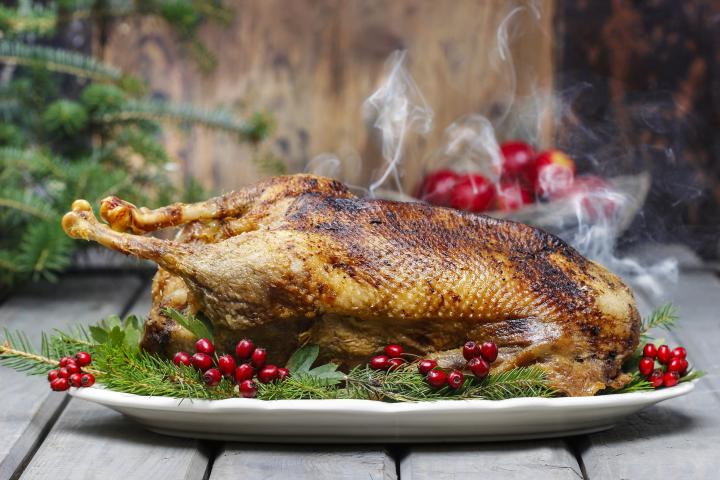
Here’s a little history about the food at this all-American feast day. And if you wish to pay tribute to a truly traditional Thanksgiving meal from 1621, consider featuring goose, chestnuts, and succotash with these historically inspired recipes.
Did Pilgrims Really Eat Turkey?
The short answer: Nobody is sure if turkey was served at the harvest celebration held by the Pilgrims of Plymouth colony in 1621, but “wild fowl” was certainly mentioned in historical accounts.
The best existing account of the Pilgrims’ harvest feast comes from colonist Edward Winslow, author of Mourt’s Relation: A Journal of the Pilgrims at Plymouth. Winslow’s firsthand account of the first Thanksgiving included no explicit mention of turkey. However, he mentions the Pilgrims gathering “wild fowl” for the meal, although that could just as likely have meant ducks or geese. Turkeys are a possibility, but they were not a typical food then. We also know that the Wampanoag Native Americans brought five deer, so venison was on the menu. Also, seafood, including lobsters and clams, was plentiful and common.
Specifically, Winslow’s account states:
“Our harvest being gotten in, our governor sent four men on fowling, that so we might after a special manner rejoice together, after we had gathered the fruits of our labors; they four in one day killed as much fowl, as with a little help beside, served the company almost a week, at which time amongst other recreations, we exercised our arms, many of the Indians coming amongst us, and amongst the rest their greatest king Massasoit, with some ninety men, whom for three days we entertained and feasted, and they went out and killed five deer, which they brought to the plantation and bestowed on our Governor, and upon the Captain and others. And although it be not always so plentiful, as it was at this time with us, yet by the goodness of God, we are so far from want, that we often wish you partakers of our plenty.”
There was only one other firsthand account of that first Thanksgiving: colonist William Bradford kept a journal titled Of Plimoth Plantation.
Bradford is the Governor that Winslow mentions above. He described the autumn of 1621 as follows:
“And besides waterfowl there was great store of wild turkeys, of which they took many, besides venison, etc. Besides, they had about a peck a meal a week to a person, or now since harvest, Indian corn to that proportion.”
So, he does mention wild turkeys, but not whether such birds were served at any Thanksgiving gathering.
Foods Served at the First Thanksgiving
Many of the Thanksgiving dishes we enjoy today were not served at the Plymouth feast. However, from Winslow’s account (above), we know some of the foods that were served. The meal was probably quite meat-heavy, including:
- Venison
- Fowl (geese and duck)
- Corn
- Nuts (walnuts, chestnuts, beechnuts)
- Shellfish
While native cranberries grew wild then, there’s no record of them being served with the meal (although they were a significant part of the Wampanoags’ fall diet). Beans, pumpkins, squashes, and corn (served as bread or porridge) were also part of the meal thanks to the Wampanoags, seasoned gardeners who employed the Three Sisters method for growing their main crops.
What the Pilgrims Did Not Eat at the First Thanksgiving
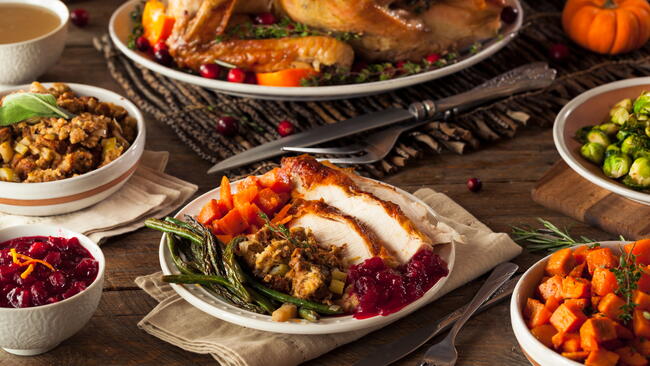
The colonists didn’t have potatoes, butter, or flour, so you can safely assume there weren’t any mashed potatoes or pies.
- Potatoes (white or sweet)
- Bread stuffing (wheat flour was rare)
- Sugar
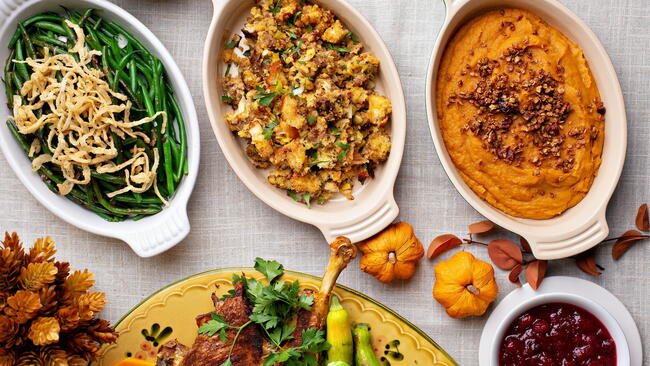
- Green bean casserole
- Pies
Historically Inspired Thanksgiving Recipes
If you wish to pay tribute to a genuinely traditional Thanksgiving meal from 1621, consider featuring goose, succotash, and chestnuts.
See more Thanksgiving side dishes.
So, Why Do We Eat Turkey at Thanksgiving?
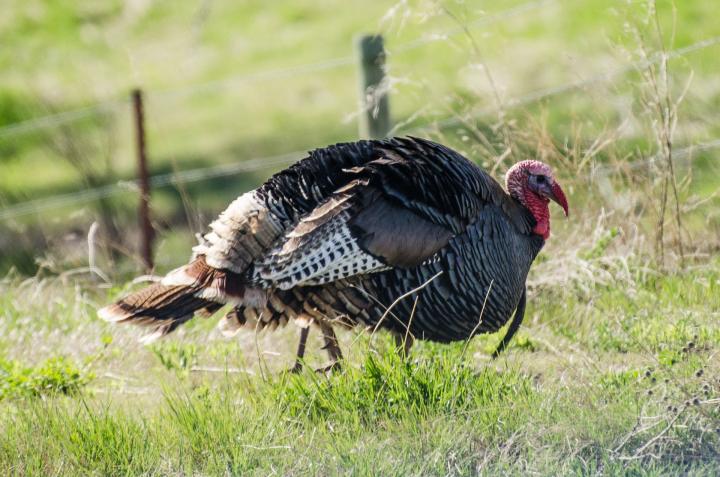
When Bradford’s journals—lost during the Siege of Boston in 1775—resurfaced and were reprinted in the 1850s, the idea of early colonists hunting wild turkeys caught the nation’s imagination, even though he never specified that turkey was served at the Thanksgiving feast.
Plus, wild turkeys were quite plentiful back then. (Discover more about “The Wild Turkey: History of an All-American Bird.”)
Sarah Josepha Hale, the editor of a magazine called Godey’s Lady’s Book, would later present the turkey as the big bird at the head of the table and published many recipes.
Hale campaigned for Thanksgiving Day to be recognized as a national holiday, writing to numerous presidents. Finally, Abraham Lincoln took notice. After 1863, President Lincoln made Thanksgiving Day a national holiday, and turkeys began to land on dinner tables across the country.
Every November since 1947, a “National Thanksgiving Turkey” has been presented to the U.S. President. Harry Truman received the first one. During an official ceremony in the Rose Garden, the president “pardons” the turkey, meaning its life is spared and it does not get eaten.
White vs. Dark Meat Facts
Did you know that wild turkeys tend to primarily have dark meat because they are strong runners and can fly? Domestic, factory-raised turkeys have white and dark meat because their muscles aren’t used as often.
Turkeys use their legs and thighs to run, which requires more oxygen-carrying blood vessels; this makes the meat darker. However, breast muscles aren’t used as much (especially by domestic turkeys), so fewer blood vessels deliver less oxygen; this makes the meat whiter.
Thanks for catching that!
- « Previous
- 1
- 2
- …
- 10
- Next »

Comments