Caption
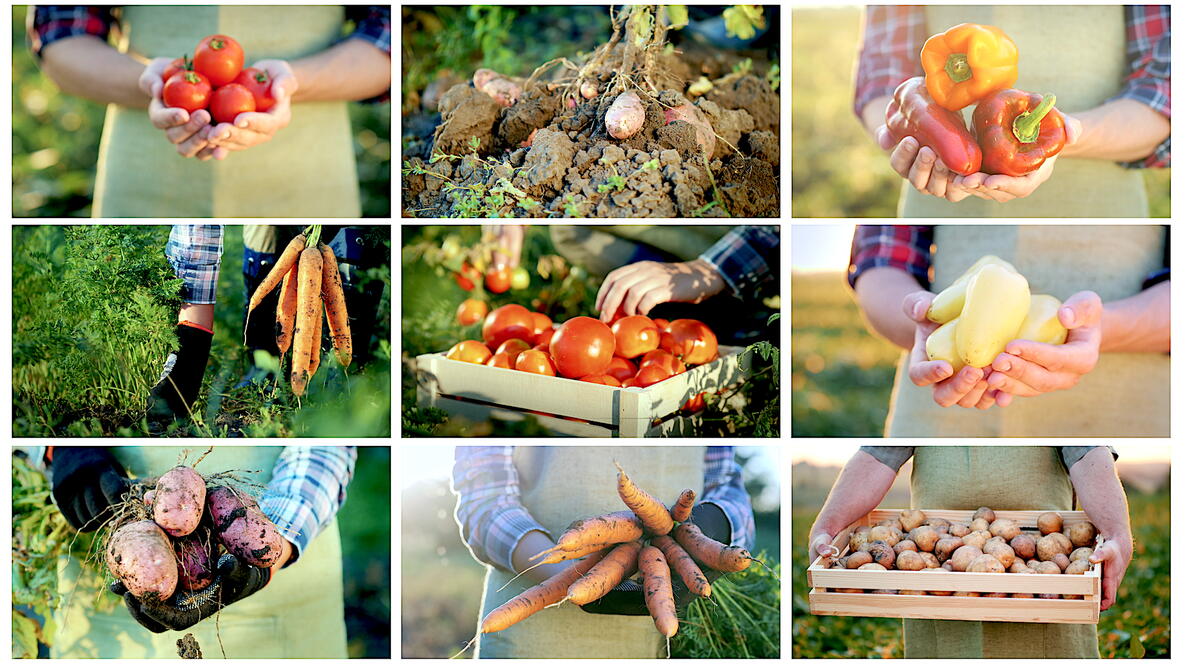
Harvesting on the family farm.

Harvesting your garden at just the right time is part science, part art. Pick too early, and produce lacks flavor; wait too long, and it becomes woody, fibrous, or overripe. This Vegetable and Fruit Harvesting Guide shares what I’ve learned (sometimes the hard way!) about harvest timing and how to harvest for peak flavor—plus handy quick-reference charts.
Did you know the word “harvest” comes from the Old English haerfest, meaning “autumn”? In ancient times, harvest wasn’t just an activity—it was a season, a celebration of gathering the fruits of one’s labor. Of course, today we harvest year-round!
For home gardeners, learning when to harvest is a skill as important as planting and watering. Vegetables don’t come with “ready” labels, so knowing the subtle signs—the color shift of a tomato, the firmness of a melon, or the crisp snap of a bean—is the gardener’s secret art. With a little attention and a few simple habits, you can turn your garden into a reliable source of peak-flavor vegetables and fruit.
In This Article

The Almanac Garden Club includes harvesting guides and calendars. Get Harvesting Tips.
How to Know When Vegetables Are Ready to Harvest
Signs of Ripeness: Color, Size, and Texture
One of the joys of gardening is learning to read your plants. Each vegetable tells its own story if you know how to listen. Look for visual cues—vibrant color, consistent size, and firm texture. Some crops, like peas, lettuce, and green beans, are at their sweetest when young and tender. Others, like carrots or onions, reward patience as they mature underground.
Not all produce ripens in the same way. Pears, for example, are picked before they soften—they ripen off the tree. Melons and cucumbers, on the other hand, must be fully mature before cutting. Tomatoes fall somewhere in between; they can finish ripening indoors if needed, but nothing beats that vine-ripened flavor.
Once you start watching for these signals, harvest timing becomes less guesswork and more instinct—a satisfying part of the gardener’s rhythm.
Tips for Harvesting Vegetables at Their Peak
- The Best Time of Day
Whenever possible, harvest in the early morning, just after the dew has dried. This is when vegetables are crisp, juicy, and bursting with flavor. Lettuce, peas, herbs—even broccoli—seem to last longer and taste sweeter when picked before the sun has had its say. I’ve learned the hard way that a freshly cut lettuce head in July sunshine wilts faster than you can say “salad.”
- Check Daily
Once crops start producing, check the garden every morning. Zucchini, beans, and cucumbers—they all reward attention with more produce. Ignore them, and they sulk. I still laugh about the summer I discovered a zucchini the size of a baseball bat hiding under the leaves! Since then, daily visits have kept me in rhythm with the garden.
- Bigger is rarely better.
It’s tempting to let vegetables grow large, thinking bigger means better. But oversized beets, radishes, or okra pods often turn tough or woody. Picking produce while it’s small and tender ensures the best texture and peak flavor.
- Be gentle.
Never yank or tug. Cradle one hand around the stem and use the other to snip or twist the fruit free. Rough handling can break branches or invite disease—and besides, it just feels better to treat your garden with care.

Printable Vegetable Harvesting Chart
| Fruit | Size/Stage | Color/Texture/Other Signs | Harvest Method | Frequency/Timing | Tips/Extra |
|---|---|---|---|---|---|
| Apples | Firm, fully colored | Smooth skin; detaches with slight twist | Cup in palm, twist upward | When fully colored | Refrigerate immediately; avoid bruising |
| Blackberries | Plump, shiny black | Slightly dull sheen; uniform color | Pick gently by hand | When fully black | Avoid red/underripe berries; wash before eating |
| Blueberries | Plump, dark blue | White powdery bloom; uniform color | Pick by hand; should fall easily | When fully blue, wait a couple days after turning | Wash only before eating |
| Cantaloupes (Muskmelons) | Medium to full size | Heavy, fragrant blossom end; slightly springy | Slip off vine with light thumb pressure | When slightly springy and hollow-sounding | Skin under netting yellow/cream; netting pronounced |
| Cherries | Plump | Glossy, uniform dark color; fragrant | Pick gently | When fully colored | Avoid tugging; handle stems carefully |
| Figs | Mature fruit | Slightly soft; hangs slightly from branch | Twist or pull gently | When fruit softens slightly | Wear gloves/long sleeves; sap can irritate skin |
| Grapes | Plump, firm | Tight clusters; color varies by type | Cut clusters with scissors | When color and firmness match variety | Avoid crushing berries |
| Honeydews | Mature fruit | Ivory rind with slight yellow blush; slightly soft flower end | Cut with knife/pruners, leave ~1 in stem | When rind fully ivory; do not pick early | Will not ripen off vine |
| Lemons | Medium to full size | Bright yellow, heavy for size | Cut or twist gently | When heavy and bright | Taste test is best indicator; avoid dull/greenish fruit |
| Peaches | Medium to full size | Golden color; yields slightly to pressure | Slight twist from branch | When fully colored | Outer/top fruit usually ripens first |
| Pears | Mature but firm | Consistent color; fragrant | Twist gently | When mature; firm | Ripen indoors for buttery flavor |
| Plums | Ripe on tree | Soft but not mushy | Slight twist from branch | When soft to touch | Leaves on top branches ripen first |
| Raspberries | Plump | Firm but not mushy; bright, uniform color | Pick gently; will release from vine | When fragrant and plump | Wash only before eating |
| Strawberries | Medium to full size | Fully red, shiny, green-capped | Pinch or gently pull | When fully red | Fragrant indicates ripeness; wash before use |
| Watermelons | Large, mature | Dull green skin; hard; underbelly yellow; nearest tendril brown | Cut with knife/pruners, leave 2 in stem | When all cues match; do not harvest early | Leaf tendril and underbelly are key indicators |
When to Harvest Common Vegetables
Vegetables grow at different rates and have specific cues for peak flavor. Check daily for fast-growing crops!
Artichokes
I remember the first time I tried to let an artichoke “wait a bit longer”—the bud opened, and suddenly it wasn’t nearly as tender. Now I make it a point to harvest when they’re firm and tightly closed.
- Size: About 3 inches in diameter.
- Texture: Buds should be firm, compact, and tightly closed.
- Timing: Don’t wait for petals to open—they’ll lose tenderness.
- Harvest Method: Cut with a sharp knife at the base of the bud.
- Tip: The tightness of the bud is your best clue—a popping-open bud is past its prime.
Arugula
Arugula grows fast—one day it’s perfectly tender, the next it’s bitter and bolted. I love picking the leaves when they’re young, and sometimes I let the white flowers add a little flair to salads.
- Leaf Size: 2–3 inches long for best flavor.
- Harvest Method: Pull the whole plant gently with a garden fork, or cut individual leaves as needed.
- Extra: White flowers are edible and add a peppery pop to salads.
- Warning: Once the plant bolts, leaves turn bitter.
- Pro tip: Harvest progressively—pick outer leaves first and let the plant keep growing.
Asparagus
When it comes to asparagus, the main rule is simple: Don’t harvest every stalk—this keeps the plant healthy and productive.
- When to start: Harvest in year three after planting.
- Size: Only harvest stalks the size of a pencil or larger.
- Selective Harvesting: Leave thinner stalks to grow and flower.
- Harvest Method: Cut or snap spears at the soil surface.
- Tip: Never cut down the ferns that grow after harvest—they’re essential for next year’s crop!
Basil
I learned the hard way that letting flower buds appear can actually reduce flavor. Now, I snip them off as soon as they form—this keeps the leaves tender and aromatic all season.
- Timing: Harvest leaves regularly before flower buds appear.
- Harvest Method: Snip leaves or small branches gently with scissors or pruners.
- Flavor: Picking before flowering gives the sweetest, most fragrant leaves.
- Pro tip: Removing flower buds encourages bushier growth and more leaves throughout the season.
Beans (Snap, Pole, Bush)
Beans don’t wait for anyone—I learned that the hard way. Don’t let the pods get swollen and stringy.
- Readiness: Pods about the width of a pencil; plump but not bulging.
- Feel: Should snap cleanly in half when bent.
- Picking: Use two hands—one to steady the vine, one to pick.
- Frequency: Every other day to keep plants producing.
- Pro tip: Keep harvesting and the plant rewards you with more beans.
Beets
Beets are simple—small to medium roots are usually tender, while really large ones can get tough. And don’t forget to harvest the greens—delicious and nutritious!
- Size: 1½–3 inches in diameter for best texture.
- Color & Texture: Smooth, firm flesh; rich, vibrant color; healthy green leaves.
- Leaves: If you’re eating the greens, harvest anytime the leaves are 4–6 inches long.
- Harvest Method: Loosen soil with a fork and pull gently.
- Pro tip: Larger roots can be woody, so aim for small to medium-sized beets for the best results.
Bok Choy
Waiting too long to harvest bok choy is a common mistake. Start harvesting your bok choy when the plants are 12 to 15 inches tall, or enjoy those tender baby boks!
- Full-size Harvest: 12–15 inches tall; cut 1–2 inches above soil.
- Baby Harvest: 6–8 inches tall; leaves can be picked individually.
- Regrowth: Outer leaves cut first allow inner leaves to continue growing.
- Timing: Some varieties take 60–70 days to reach full size.
- Pro tip: Spacing early harvests lets the remaining plants grow larger and more uniform.
Broccoli
Real garden broccoli doesn’t produce those abnormally huge heads that you find in grocery stores, so don’t be surprised when it doesn’t. Smaller heads are tastier, too.
- Size: Main head 3–6 inches in diameter.
- Tips: Flower buds compact and tightly closed; yellowing indicates overripe.
- Harvest Method: Cut 6–7 inches below the head using a sharp knife.
- Side Shoots: Cut the plant halfway down the stalk to encourage additional shoots.
- Pro tip: Harvest in the morning when they’re crisp and full of moisture.
Brussels Sprouts
The lower sprouts always mature first, so I start at the bottom and work my way up. A light frost actually makes them sweeter—a nice bonus for fall harvests.
- Size: Harvest buds at least 1 inch in diameter.
- Order: Start from the bottom of the stalk.
- Harvest Method: Remove the leaf below each sprout, then cut or twist it off.
- Leaves: Keep the plant leaves intact; they’re needed for continued growth.
- Flavor Tip: A light fall frost improves taste.
- Pro tip: Don’t strip the plant—leaving leaves keeps the stalk producing into late fall.
Cabbages
Many home gardeners actually pick cabbage too late, not too early. Once the heads are fully firm, it’s time to harvest—wait too long and they can split.
- Size: Firm, round heads 4–8 inches across, depending on variety.
- Feel: Should feel dense and heavy for their size.
- Timing: Harvest before the heads start splitting.
- Harvest Method: Cut at the base with a sharp knife; remove outer leaves if damaged.
- Extra: Green and red varieties can be stored for months in a cool, humid place.
- Pro tip: Check heads every few days once they start forming; they mature quickly once full size is reached.
Carrots
Carrots store underground, so they’ll keep growing—but for best texture and sweetness, harvest when they reach a usable size.
- Size: ½–1 inch diameter for tender roots; smaller “baby” carrots can be harvested early.
- Texture: Smooth, firm, bright-colored roots.
- Harvest Method: Loosen soil and gently pull; avoid twisting, which can break the root.
- Extra: Sweetness increases after a light frost.
- Pro tip: Harvest progressively, leaving others to grow larger.
Cauliflower
Watch cauliflower carefully. As soon as the head is compact, white, and firm—about 6 to 7 inches in diameter—cut the stem. Once the curds start separating or discoloring, flavor and texture decline.
- Size: 6–8 inches across, dense and compact.
- Texture: Firm, tightly closed curds.
- Harvest Method: Cut the stem just below the head; leave some leaves around the head for protection if storing.
- Extra: Light blanching (tying leaves over the head) keeps curds white and tender.
- Pro tip: Harvest promptly when heads are fully formed—delay reduces quality.
Celery
Celery must be picked when stalks are crisp—waiting too long or allowing uneven watering produces tough, stringy stalks.
- Size: 8–12 inches tall, stalks well-formed.
- Feel: Firm and crunchy, not spongy.
- Harvest Method: Cut the whole plant at the base or remove outer stalks individually.
- Extra: Keep soil evenly moist for best texture.
- Pro tip: Harvest outer stalks first to allow inner stalks to continue growing.
Chard
Chard is a classic cut-and-come-again green. Leaves get tough if left too long, so I harvest when they’re still tender.
- Leaf Size: 6–12 inches for best texture.
- Harvest Method: Cut outer leaves at the base; leave inner leaves for continued growth.
- Extra: Stems are edible—cook thick stems separately.
- Warning: Older leaves can become tough and bitter.
- Pro tip: Frequent harvesting encourages tender new leaves.
Chives
Cutting chives before the purple flowers appear keeps the leaves tender and flavorful.
- Timing: Snip leaves regularly before blossoms form.
- Harvest Method: Use scissors to cut leaves near the base.
- Flavor Tip: Frequent trimming keeps the flavor sweet.
- Pro tip: Let some flowers bloom occasionally if you want edible garnish, but don’t let them go to full bloom for flavor.
Collards
All green parts are edible! Collards are forgiving—the leaves are tasty at any size, but 6–8 inches gives the best tenderness.
- Leaf Size: 6–8 inches for tender greens.
- Harvest Method: Cut from the bottom up with scissors, pruners, or a knife.
- Extra: Outer leaves can keep regrowing.
- Timing: Light frost enhances flavor; continue harvesting until hard freezes.
- Pro tip: Leave smaller leaves at the top to keep the plant producing.
Corn
Corn can be tricky—you need to peek inside the husk to know if it’s ready.
- Signs of Ripeness: Green husk, silks turning brown.
- Kernel Test: Press a kernel with your fingernail; milky liquid means ready. Too watery or dry means not ripe.
- Timing: Pick the day you plan to eat (or within 72 hours). Early morning harvest gives peak sugar content.
- Harvest Method: Twist or cut the ear from the stalk carefully.
- Storage: Cool immediately on ice, then refrigerate.
- Pro tip: Corn loses sweetness quickly after picking—timing is everything.
Cucumbers
Cucumbers can go from perfect to pickle-sized monsters overnight. Once they start producing, I make it a morning ritual to check them daily.
- Size: Slicing 6–10 inches; pickling 2–6 inches.
- Color: Rich, dark green, no yellowing
- Texture: Firm, heavy for their size
- Harvest: Cut with pruners; never twist or yank.
- Tip: Frequent harvesting keeps plants producing and bitterness away.
Eggplants
Don’t ever pull eggplants by hand; use pruners or a sharp knife to harvest them, and leave a stem stub.
- Size: 4–6 inches diameter for most varieties.
- Texture & Color: Glossy, smooth, firm, heavy, and unwrinkled.
- Test: Press lightly; slight indentation means ripe.
- Seeds: White, immature seeds indicate perfect ripeness; hard, dark seeds mean overripe.
- Harvest Method: Cut with pruners or a sharp knife, leaving a small stem stub.
Garlic
The first year I grew garlic, I waited too long—the outer wrappers split, and the bulbs didn’t store well. Now I know: timing is everything.
- Leaves: When half the leaves have yellowed, it’s time.
- Harvest: Loosen soil with a fork and lift gently.
- Curing: Brush off dirt (don’t wash), hang or spread to dry 2–3 weeks.
- Storage: After curing, cut tops and store in a cool, dry place.
- Pro tip: Don’t wait for all leaves to die—that reduces storage life.
Kale
As with spinach, younger leaves will be more tender and flavorful.
- Leaf Size: 6–8 inches long.
- Harvest Method: Cut outer leaves first, leaving 7–8 leaf crowns for regrowth.
- Extra: Younger leaves are more tender; older leaves can become tougher.
- Pro tip: Regular harvesting keeps the plant producing new leaves all season.
Kohlrabi
When you harvest kohlrabi, cut the root off at ground level. The stem should be succulent, tender, and sweet at this size.
- Size: 2–4 inches diameter for best texture and flavor.
- Harvest Method: Cut at ground level with a sharp knife.
- Extra: Stems should be succulent and tender; large bulbs become tough and bitter.
- Pro tip: Check plants daily once bulbs start swelling.
Leeks
Leeks are flexible—young ones are tender for fresh eating, and larger ones are flavorful for cooking.
- Size: Finger-sized for salads; larger for cooking.
- Harvest Method: Use a garden fork to loosen soil and lift the plant.
- Extra: Keep roots and base intact if you plan to replant.
- Pro tip: Gentle handling prevents breaking the stalks.
Lettuce
There’s a small window between “perfectly crisp” and “bitter and bolted.” I pick mine early in the morning before the sun hits.
- Leaf lettuce: Snip outer leaves when 4 inches tall.
- Head lettuce: Harvest when firm and about 6 inches across.
- Signs of bolting: Milky sap or flower stalk—harvest immediately.
- Storage: Rinse lightly, spin dry, refrigerate wrapped in a towel.
- Pro tip: Pick a few leaves at a time to keep the plant producing longer.
Okra
Don’t neglect okra once it starts producing, or you’ll end up with inedible pods.
- Okra must be picked promptly—wait too long, and pods become tough and fibrous.
- Size & Timing: 2–4 inches long, about 4–6 days after the flower wilts.
- Harvest Method: Cut with pruners or a sharp knife, leaving roughly ¼ inch of stem.
- Handling: Be gentle; okra bruises easily.
- Frequency: Pick every day or two once production starts to keep plants producing.
Onions
Onions signal readiness when the tops brown and keel over. Yes, they will tell YOU when they are ready.
- Size: Bulbs 1–2 inches in diameter for small onions; larger sizes also suitable.
- Harvest Method: Loosen soil with a fork, lift gently, and leave bulbs in a shady, ventilated spot for a few days until necks dry.
- Storage: Trim tops and roots; store in a cool, dry place.
- Pro tip: Don’t harvest too early; mature tops are the clearest signal of readiness.
Parsnips
Harvest parsnips after a few frosts to maximize flavor! You can leave them in the ground until early spring, but don’t wait too long, or they won’t taste good.
- Parsnips develop the sweetest flavor after a few frosts.
- Harvest Method: Use a garden fork to lift the entire plant, then cut leaves above the root.
- Timing: Can leave in the ground through winter; harvest before the soil becomes frozen or roots lose flavor.
- Pro tip: Early-harvest parsnips are smaller and tender, while longer-stored roots become sweeter.
Peas
If you’ve never eaten a pea right off the vine, you’re in for a surprise—it’s candy-sweet. But blink, and they turn starchy.
- Pods: Plump and elongated but not bulging with visible peas.
- Color: Bright green; yellowing means overripe.
- Test: Open one pod and taste—it should be sweet, not mealy.
- Harvest Often: Daily or every other day keeps vines productive.
- Note: Eat fresh soon after picking; flavor fades fast.
Peppers
Peppers must always be cut—never twist them or break them off by hand. By the way, green and red peppers are the same plant! As they mature, they become more colorful.
- Harvest Method: Pruners, scissors, or a knife.
- Ripeness: Sweet peppers can be eaten green or fully colored (yellow, orange, red). Hot peppers shift from green to red.
- Handling: Wear gloves when harvesting hot peppers; avoid touching eyes.
- Pro tip: Regular picking encourages continued fruit production.
Hot peppers such as jalapeñ
Potatoes
If you wish, you can harvest some of your potatoes early for “new” potatoes, which are small and tender. Harvest after the potato plant flowers, about 6 to 8 weeks after planting.
- Early Harvest: 6–8 weeks after planting, once plants flower.
- Main Crop: After foliage dies back, wait 1–2 weeks to let skins thicken.
- Harvest Method: Loosen soil 8 inches around the plant with a fork to avoid damage; lift carefully.
- Quality: Firm, heavy, no black spots, sprouts, wrinkles, or green tinge.
Pumpkins
Pumpkins will NOT continue to ripen off the vine. Harvest pumpkins when their skin is so hard that it can’t be pierced with a fingernail.
- Harvest Method: Cut stem with pruners, leaving 2 inches; never lift by stem.
- Timing: Avoid frost; cure in sun or warm, dry area for 10 days.
- Storage: Cool, dry place around 50°F. See more about storage in our pumpkin growing guide.
- Pro tip: Pumpkins do not ripen off the vine—wait until fully mature.
Radishes
Radishes grow so quickly; as you harvest, keep planting more seeds! When folks complain about radishes being too “hot,” that’s often because they let them grow too large.
- Size: About 1 inch in diameter
- Texture & Color: Firm, smooth, bright-colored roots; healthy green leaves.
- Harvest Method: Gently lift with a garden fork.
- Pro tip: Harvest before roots get hot or woody.
Rhubarb
Rhubarb must be harvested carefully to protect the crown.
- Stalks: At least 12 inches long.
- Harvest Method: Pull with a twisting motion; do not cut.
- Leaves: Toxic—discard! Only eat the stalk.
- Pro tip: Never remove more than two-thirds of the stalks at once to keep the plant healthy!
Rutabagas
Rutabagas are sweetest at a medium size. Be gentle, using a garden fork to lift them.
- Size: 4–5 inches in diameter for main harvest; 2–3 inches for tender early roots.
- Harvest Method: Lift with a fork, then trim leaves 1 inch above the root.
- Foliage: Edible if young; do not harvest too many leaves, as the root needs them.
- Extra: Frost improves sweetness; harvest before the ground freezes.
Spinach
Spinach leaves are tender when harvested at a moderate size. It will keep growing for another cutting, but you must harvest before the spinach bolts (sends up a flower stem).
- Leaf Size: 4 inches minimum for harvest; smaller leaves are more tender.
- Harvest Method: Pinch outer leaves; cut large leaves with scissors. Always leave 4–5 leaves on the plant.
- Timing: Harvest before bolting to avoid bitterness.
- Pro tip: Regular picking encourages regrowth.
Squashes (Winter)
As with pumpkins, other winter squashes are ready when the skin hardens and resists fingernail pressure.
- Skin & Stem: Firm, non-glossy, rich color; dry, firm stem.
- Harvest Method: Cut with pruners or knife, leaving 1–2 inches of stem.
- Curing: 10 days in warm, dry, shaded area.
- Storage: Cool, dark, dry place.
Sweet Potatoes
Sweet potatoes in the fall before the first fall frost. Remember: They need careful lifting and curing.
- Timing: After vines yellow and before first frost.
- Harvest Method: Cut back vines, loosen soil 18 inches around plant, and lift tubers gently.
- Quality: Firm, no green tinge, soft spots, or wrinkles.
- Curing: Warm (80–90°F), shaded, ventilated space for 10 days to improve flavor and baking quality.
Tomatillos
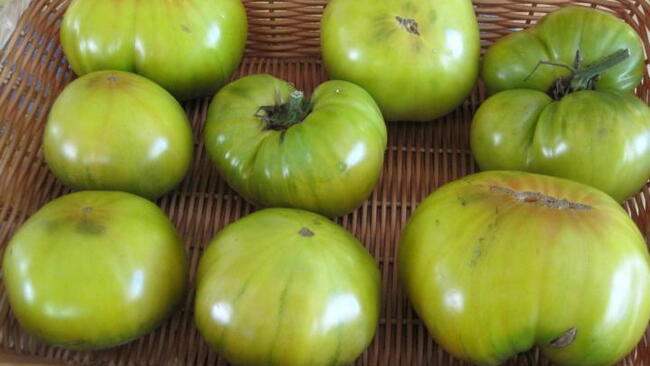
Tomatillos are ready once the husk begins to split and the fruit breaks open.
- Harvest Method: Hold the vine with one hand, pick fruit with the other.
- Fruit: Firm, bright green; yellowing indicates overripe.
- Pro tip: Remove from husk before storage to maintain quality.
Tomatoes
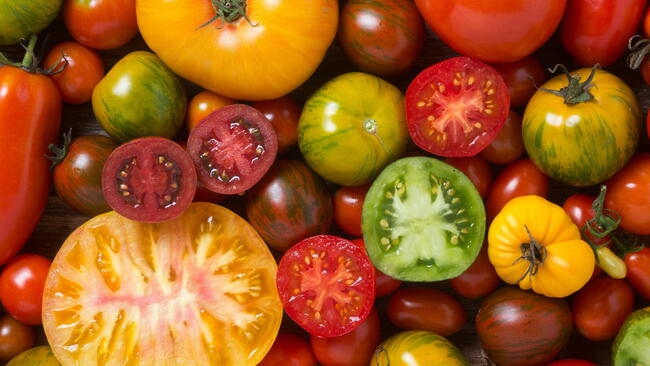
I’ve learned that patience pays off here. A ripe tomato should be fully colored and almost fall into your hand when you lift it—no tugging required. See our Tomato Growing Guide.
- Color: Deep, uniform red (or gold/yellow depending on the variety), with no green shoulders.
- Touch: Slightly firm but gives a little when squeezed.
- Separation: Should lift or twist easily from the vine—if it resists, it’s not ready.
- Storage: Never refrigerate; store at room temperature, out of direct sun.
- Pro tip: If frost is forecast, pick the ones showing some color and let them finish ripening indoors.
Turnips
If you want that sweet mild flavor, then harvest turnips when they are small to medium in size.
- Size: 2–3 inches in diameter.
- Texture & Color: Firm, smooth, rich color; crisp leaves.
- Harvest Method: Lift gently with a fork.
- Pro tip: Avoid overly large roots, which can lose some of their mild sweetness.
Zucchini and Summer Squash
Yes, the most tender, flavorful zucchini is 6 to 8 inches long! If you find zucchini the size of a baseball bat hiding under the leaves, use it for soup—and doorstop duty.
- Size: 6–8 inches long for zucchini; 3–4 inches for round types; 2–3 inches for pattypan.
- Frequency: Check daily once plants start producing.
- Color & Texture: Glossy, tender skin; dull or hard skin = overripe.
- Harvest Method: Cut with a knife or pruners—don’t twist or pull.
- Common mistake: Waiting “one more day” often doubles their size—harvest promptly.
Printable Fruit Harvesting Chart
| Fruit | Size/Stage | Color/Texture/Other Signs | Harvest Method | Frequency/Timing | Tips/Extra |
|---|---|---|---|---|---|
| Apples | Firm, fully colored | Smooth skin; detaches with slight twist | Cup in palm, twist upward | When fully colored | Refrigerate immediately; avoid bruising |
| Blackberries | Plump, shiny black | Slightly dull sheen; uniform color | Pick gently by hand | When fully black | Avoid red/underripe berries; wash before eating |
| Blueberries | Plump, dark blue | White powdery bloom; uniform color | Pick by hand; should fall easily | When fully blue, wait a couple days after turning | Wash only before eating |
| Cantaloupes (Muskmelons) | Medium to full size | Heavy, fragrant blossom end; slightly springy | Slip off vine with light thumb pressure | When slightly springy and hollow-sounding | Skin under netting yellow/cream; netting pronounced |
| Cherries | Plump | Glossy, uniform dark color; fragrant | Pick gently | When fully colored | Avoid tugging; handle stems carefully |
| Figs | Mature fruit | Slightly soft; hangs slightly from branch | Twist or pull gently | When fruit softens slightly | Wear gloves/long sleeves; sap can irritate skin |
| Grapes | Plump, firm | Tight clusters; color varies by type | Cut clusters with scissors | When color and firmness match variety | Avoid crushing berries |
| Honeydews | Mature fruit | Ivory rind with slight yellow blush; slightly soft flower end | Cut with knife/pruners, leave ~1 in stem | When rind fully ivory; do not pick early | Will not ripen off vine |
| Lemons | Medium to full size | Bright yellow, heavy for size | Cut or twist gently | When heavy and bright | Taste test is best indicator; avoid dull/greenish fruit |
| Peaches | Medium to full size | Golden color; yields slightly to pressure | Slight twist from branch | When fully colored | Outer/top fruit usually ripens first |
| Pears | Mature but firm | Consistent color; fragrant | Twist gently | When mature; firm | Ripen indoors for buttery flavor |
| Plums | Ripe on tree | Soft but not mushy | Slight twist from branch | When soft to touch | Leaves on top branches ripen first |
| Raspberries | Plump | Firm but not mushy; bright, uniform color | Pick gently; will release from vine | When fragrant and plump | Wash only before eating |
| Strawberries | Medium to full size | Fully red, shiny, green-capped | Pinch or gently pull | When fully red | Fragrant indicates ripeness; wash before use |
| Watermelons | Large, mature | Dull green skin; hard; underbelly yellow; nearest tendril brown | Cut with knife/pruners, leave 2 in stem | When all cues match; do not harvest early | Leaf tendril and underbelly are key indicators |
When to Harvest Fruit for Peak Flavor
Harvesting fruit is a little different from vegetables—it’s often about timing and touch. Fruits don’t ripen uniformly, and some continue to sweeten after picking, while others must ripen right on the plant.
- Climacteric fruits—like apples, peaches, pears, and tomatoes—keep ripening after harvest because they continue producing ethylene gas. These can be picked when they’re mostly colored and slightly soft, then finished on the counter.
- Non-climacteric fruits—such as strawberries, grapes, and citrus—won’t ripen further once picked, so timing is everything. Wait until color, aroma, and flavor all signal readiness. A ripe strawberry should slip easily from the stem; a grape should taste sweet, not tart.
In general:
- Look: Full, rich color with no green tinge at the stem.
- Touch: Slight give (for soft fruits) or firm but not hard.
- Smell: A strong, sweet aroma often means peak ripeness.
For the freshest, most flavorful harvest, pick fruit in the cool morning hours and handle gently to avoid bruising. Nothing compares to the taste of a sun-warmed peach or a just-picked berry that’s still warm from the vine.
Apples
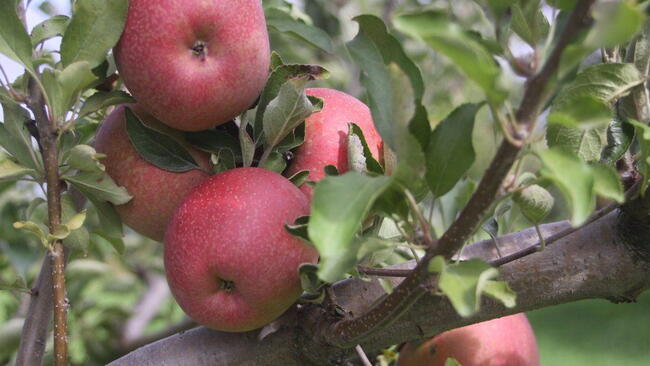
Apples should be firm and richly colored, with smooth skin.
- Harvest Method: Cup the fruit in your palm and give a slight twist upward—the stem should part easily from the branch.
- Storage: Refrigerate immediately; apples left out at room temperature will soften quickly.
- Pro tip: Check each apple for firmness; avoid bruising during harvest.
Blackberries
Pick blackberries when they are plump, shiny black with a subtle dullness, and uniform in color.
- Avoid: Red or underripe berries.
- Handling: Do not wash until ready to eat to preserve shelf life.
- Pro tip: Pick gently to avoid crushing the berries.
Blueberries
Blueberries are sweetest when fully ripe and easily detach from the bush.
- Color: Uniform dark blue with the powdery white coating (bloom).
- Harvest Method: Wait a couple of days after berries turn blue; they should fall into your hand with minimal effort.
- Storage: Wash only before eating.
Cantaloupes (Muskmelons)
A ripe cantaloupe should slip off the vine with light pressure—it should not require pulling.
- Signs of Ripeness: Heavy fruit, fragrant blossom end, slightly springy under gentle pressure, and hollow sound when tapped.
- Skin: Yellow or cream beneath netting; netting pattern pronounced.
- Harvest Method: Cut carefully; avoid bruising.
Cherries
Cherries are ready when plump, firm, and glossy, with a uniform dark color appropriate for the variety.
- Aroma: Fragrant fruit signals ripeness.
- Harvest Method: Gently pick to avoid damaging stems or branches.
Figs
Figs should ripen fully on the tree.
- Texture: Slightly soft to the touch, but not mushy.
- Position: Hang down slightly from branches when ready.
- Handling: Wear gloves and long sleeves; sap can irritate skin.
- Color: Varies by variety; ensure even maturity.
Grapes
Grapes are ripe when plump, firm, and tightly attached to stems.
- Color by Type: Green gr
Honeydews
Honeydew melons must be cut from the vine; they will not ripen off the vine.
- Signs of Ripeness: Ivory-colored rind with slight yellow blush, slightly softened flower end.
- Harvest Method: Use a knife or pruners, leaving about an inch of stem.
Lemons
The best indicator of ripeness is taste.
- Size Lemons are ready when heavy for size
- Color: Bright yellow.
- Avoid: Greenish, dull, or soft fruits.
- Harvest Method: Cut or twist gently; taste is the ultimate test of ripeness.
Peaches
Peaches are ripe when golden-colored and slightly yielding to gentle pressure.
- Harvest Method: Slight twist off the branch; fruit on the outside of the tree usually ripens first.
- Pro tip: Avoid green areas; fully colored peaches have the best flavor.
Pears
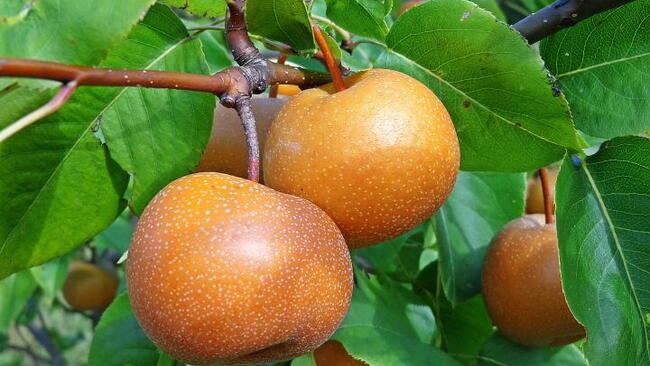
Pears should be mature but still firm when harvested.
- Color & Aroma: Consistent color, fragrant scent.
- Stem: Yields slightly under gentle pressure.
- Pro tip: Let them soften indoors for rich, buttery flavor.
Plums
Plums are best ripened as long as possible on the tree.
- Test: Gently squeeze; soft but not mushy.
- Harvest Method: Slight twist to remove from branch.
Raspberries
Raspberries should be plump, fragrant, and fairly firm.
- Color: Bright, uniform, and free of mushiness.
- Harvest Method: Ripe berries detach easily; do not tug.
- Handling: Wash only when ready to eat.
Strawberries
Strawberries are ready when fully red, shiny, and green-capped.
- Aroma: Fragrant fruit indicates ripeness.
- Handling: Pick gently; wash only before eating.
Watermelons
Sometimes, it can be hard to know when to harvest a watermelon because they remain firmly attached to the vine even when they’re ripe. Do not harvest too early, as watermelons will not ripen off the vine.
- Signs of Ripeness: Dull green, very hard skin; underbelly turns buttery yellow; nearest tendril leaf turns brown and withers. You can also tell when a watermelon is ready by the sound that it makes when it’s ripe. See tips about how to tell if a watermelon is ripe.

Storing and Savoring Your Harvest
Once the picking’s done, the race is on to keep that freshness. I like to cool everything as soon as possible—even submerging greens in cool water for a few minutes before drying and refrigerating.
Root crops like onions and winter squash cure best in a warm, airy place out of direct sun for a week or two.
Not sure how to store your fruit and vegetables? See our Guide on Storing Your Harvest so that your hard-earned garden goodies keep as long as possible!
And if you ever have more than you can eat (and who doesn’t, come August?), try freezing, pickling, or drying your extras. It’s like saving a little bit of summer for a cold day. Go to our center to preserve your food.
FAQs About Harvest Timing
Q1. What’s the best time of day to harvest vegetables and fruit?
Early morning, just after the dew has dried, is ideal. Produce is cool, crisp, and full of moisture. Afternoon sun causes vegetables to lose water and wilt quickly.
Q2. How can I tell if fruit is ripe and ready to pick?
Color, aroma, and texture are your best guides. Ripe fruit should have a deep color, a sweet fragrance, and—depending on the type—either a gentle softness (like peaches) or firm juiciness (like apples or grapes).
Q3. Can vegetables or fruit ripen after picking?
Some can, some can’t. Tomatoes, pears, peaches, and apples will continue to ripen off the plant. But berries, melons, and cucumbers will not—what you pick is what you get!
Q4. Why does harvest timing affect flavor?
Sugar and starch levels change as crops mature. Picking at the right moment ensures the perfect balance of sweetness and texture—too early, and flavors haven’t developed; too late, and they become dull or mealy.
Q5. How often should I check my garden for ripe produce?
Daily during peak season. Many vegetables (especially zucchini, cucumbers, and beans) can double in size overnight. Regular harvesting encourages more production and better-tasting crops.


Getting Started
Planning For a Garden
Planting a Garden
Plant Growing and Care
Harvesting and Storing Vegetables
More Like This

Plastic covered high tunnels are used by professionals. You could try row covers (or something heavier, like newspaper) in the evenings and remove it in the morning when the air is warmer and the Sun is up. Or raise a high tunnel over/around it?
Thank you for your kind words! At the top of each article, there are light grey symbols. One of these is a print symbol. We hope this is helpful!
Harvest Brussels Sprouts from the bottom of the stalk when they reach about 1 inch in diameter. See our Brussels Sprouts growing guide here: www.almanac.com/plant/brussels-sprouts
- « Previous
- 1
- 2
- …
- 10
- Next »

Comments