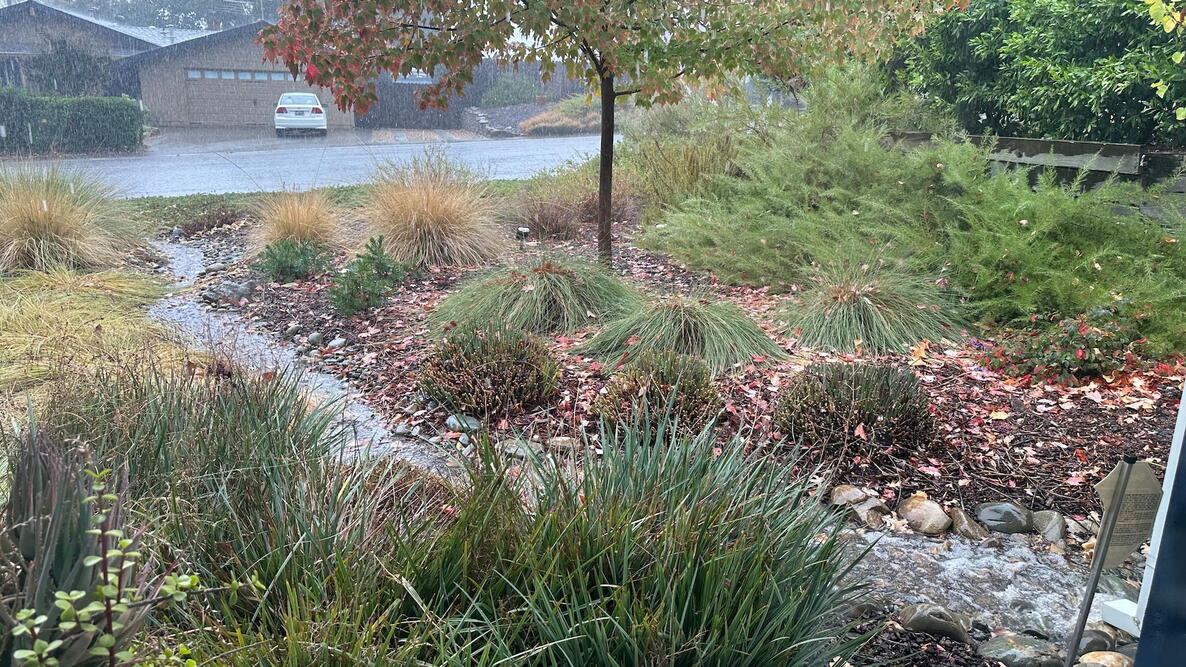

After a heavy rain, a rain garden puts extra water to work. It captures stormwater runoff, reduces flooding, and supports pollinators—giving excess water a place to go instead of leaving lawns and garden beds soggy. As heavier downpours become more common, rain gardens offer a practical way to manage runoff, but is your yard a good fit for one? Here are eight things to know before building one.
Key Takeaways
- Rain gardens collect stormwater and can help control drainage problems and erosion while attracting wildlife.
- Native plants that tolerate occasional flooding are the best choices for rain gardens.
- Rain gardens can be adapted to many landscapes but work best in the right setting.

We’ve all heard the old children’s rhyme: Rain, rain, go away. But if you have your own rain garden, you might not mind so much if a little rain sticks around for a while!
1. What Is A Rain Garden?
Rain gardens are shallow, planted depressions designed to collect stormwater runoff. They’re often positioned in low-lying areas that naturally gather water, but they can also be positioned to capture runoff from roofs, downspouts, driveways, or walkways where water can’t soak into the ground.
Unlike ponds or bog gardens, rain gardens are meant to hold water only temporarily. Most drain within a day or two after a storm, reducing flooding and erosion while allowing plants that tolerate occasional wet conditions to thrive.
2. How Do Rain Gardens Work
Rain gardens are typically bowl- or kidney-shaped, with gently sloping sides that guide water toward the center. Once water enters the garden, it slows down and seeps into the soil rather than rushing away across hard surfaces.
Because rain gardens are often planted with native plants and grasses that have deep, sturdy root systems, they help filter pollutants from stormwater runoff and support a wider range of insects and wildlife.
3. Benefits of a Rain Garden
Rain gardens can be just as attractive to the eye as any other type of garden or flower bed, but they have many other benefits that can make them even more appealing:
- They absorb stormwater and reduce flooding. In fact, rain gardens can capture about 30% more water than a standard grass lawn!
- They help to control erosion.
- They filter out pollutants before the runoff reaches your groundwater as well as streams and lakes.
- They attract pollinators and other wildlife.
- They’re easy to maintain.

4. Is Your Yard a Good Fit for a Rain Garden?
Rain gardens can be any size or shape that you like, but smaller gardens won’t capture as much water and are more likely to overflow during periods of heavy rain. Ideally, rain gardens should be about 30% of the size of the area where you’d like to trap water from. For example, if you’d like to capture runoff from a 1000 square foot roof or paved area, your rain garden should be about 300 square feet in size.
Rain gardens work best when located slightly downhill from the source of runoff, such as a roof, driveway, or walkway. Situating a rain garden in a naturally low-lying area at the base of a gentle slope usually works best, but you can also hand-dig a 3- to 4-inch-deep trench or ditch leading into your rain garden to direct water in. Lining this ditch with landscape fabric topped with stones can give it a natural, stream-like appearance that’s more pleasing to the eye!
Depending on the types of plants you’d like to grow, rain gardens can be placed in full sun or partial shade. Avoid placing a rain garden over a septic system, close to your home’s foundation, or in areas where water already stands for days after a storm.

5. Maintenance
Rain gardens generally have the same care requirements as other garden beds. Choosing native, water-tolerant plants can make maintenance especially simple once plants are established.
Immediately after planting, rain gardens should be mulched well with compost or hardwood mulch to help insulate the soil. Bark chips, although popular, may float away when water pools in the garden.
Most rain gardens need supplemental watering only during their first growing season or during prolonged dry spells. Fertilizer is rarely necessary; an annual layer of compost is usually enough to keep plants healthy.
6. Are Rain Gardens Expensive?
If you locate a rain garden in a naturally low-lying area, and your soil is already suitable for the types of plants you’d like to keep, rain gardens can be quite affordable. For the most part, they’ll cost only as much as the plants you choose to purchase—and you can save on costs by growing most or all of your plants from seed.
Conducting a soil test before planting a rain garden can be a wise choice and help you assess the quality of your soil, too. If a soil test does reveal that your soil is lacking, you may need to purchase compost or another soil amendment to improve soil health. However, these costs can occur in any garden.
Rain gardens often pay for themselves over time by being low-maintenance and helping mitigate the risks and associated costs of flooding, erosion, and other water damage!
7. Common Mistakes To Avoid
The most common issues in rain gardens arise either because they are located in the wrong spot or filled with the wrong types of plants.
- Don’t place a rain garden where water already stands for more than a couple of days. To test drainage, dig a 10-inch-deep hole and fill it with water. If it takes longer than 48 hours to drain, the site isn’t suitable.
- Don’t use wetland plants that require permanently soggy soil.
- Don’t place rain gardens over septic systems or within 10 feet of your home’s foundation.

8. Successful Rain Garden Plans
Rain garden designs can be as varied as the types of plants you choose to grow in them. However, there are a few key design tips that will ensure your rain garden thrives.
- To start, select plants that are appropriate for the amount of light your garden receives.
- Plants that tolerate wetter conditions are placed near the center of the garden, where water collects, while plants that prefer drier soil are planted along the edges.
- Next, locate taller plants towards the rear or north of the garden so they don’t block light from reaching lower-growing plants.
- For a natural look, plant perennials in groups or “drifts” of three or more.
- Finally, choose plants that bloom at different times and produce different flower colors and shapes for extra variety.
Common Plants Used in Rain Gardens
Rain gardens are often planted with a mix of flowering perennials, shrubs, and native grasses chosen for the amount of sun or shade the site receives. Many familiar garden plants can work well in rain gardens.
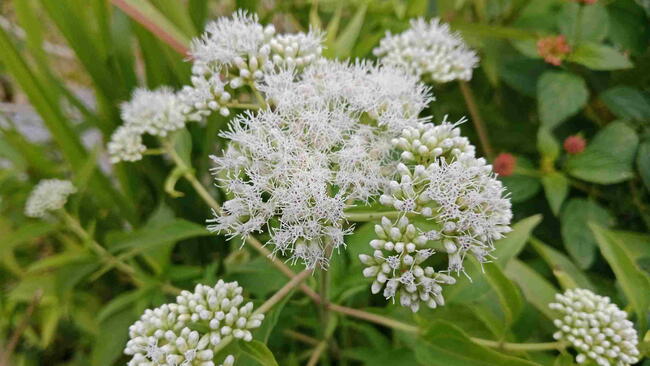
- For sunny spots, this might include coneflowers, Joe-Pye weed, swamp milkweed, or summersweet.
- In areas with partial shade, gardeners often turn to plants such as blue flag iris, cardinal flower, turtlehead, or native columbines.
The goal isn’t a special or exotic plant palette. Instead, choose plants that can handle occasional wet conditions without staying soggy and that keep the garden attractive through the seasons.
For detailed plant lists and sample rain garden designs for sunny and shady locations, see our complete step-by-step guide to building a rain garden.
FAQs
Why are rain gardens important?
Rain gardens help to collect stormwater and reduce flooding, erosion, and pollution. They also provide habitat for a variety of pollinators and allow water to soak slowly into the ground instead of rushing into storm drains.
Do rain gardens attract mosquitoes?
Unlike ponds, rain gardens are not meant to stay wet. Because they typically drain within a day or two, they usually don’t attract mosquitoes. To reduce mosquito risk, avoid making a rain garden deeper than about 6 inches and don’t place it in areas where water already stands for long periods.

More Like This



Comments