How to Grow Buttonbush (Cephalanthus Occidentalis): Planting, Care, and Blooming Guide

Buttonbush (Cephalanthus occidentalis)
Photo Credit
Donna Bollenbach/Shutterstock
Botanical Name
Cephalanthus occidentalis
Plant Type
Sun Exposure
Bloom Time
Flower Color
Hardiness Zone
Subhead

A Hardy Native Shrub That Supports Wildlife From Spring To Fall

Written By: Lauren Landers Master Gardener and Contributing Writer

Cute as a button, the buttonbush is a North American shrub that’s native to much of the Eastern Coast. Not only does buttonbush appeal to native bees, like digger bees and bumblebees, but it’s also a host plant for over 27 species of moths and butterflies – and songbirds love it, too. If you’re looking for a hardy plant that can handle cold weather, soggy soil, and just about anything you throw at it, here’s why buttonbush may be the next shrub for you!

About Buttonbush Plants

Also known as the pond dogwood, swampwood, buck brush, or honeybells, buttonbush (Cephalanthus occidentalis) can be found growing along stream banks and pond margins in its native range. Stretching between 4 and 15 feet tall, buttonbush plants can be left to grow as-is or pruned neatly for a tidier appearance, depending on your tastes.

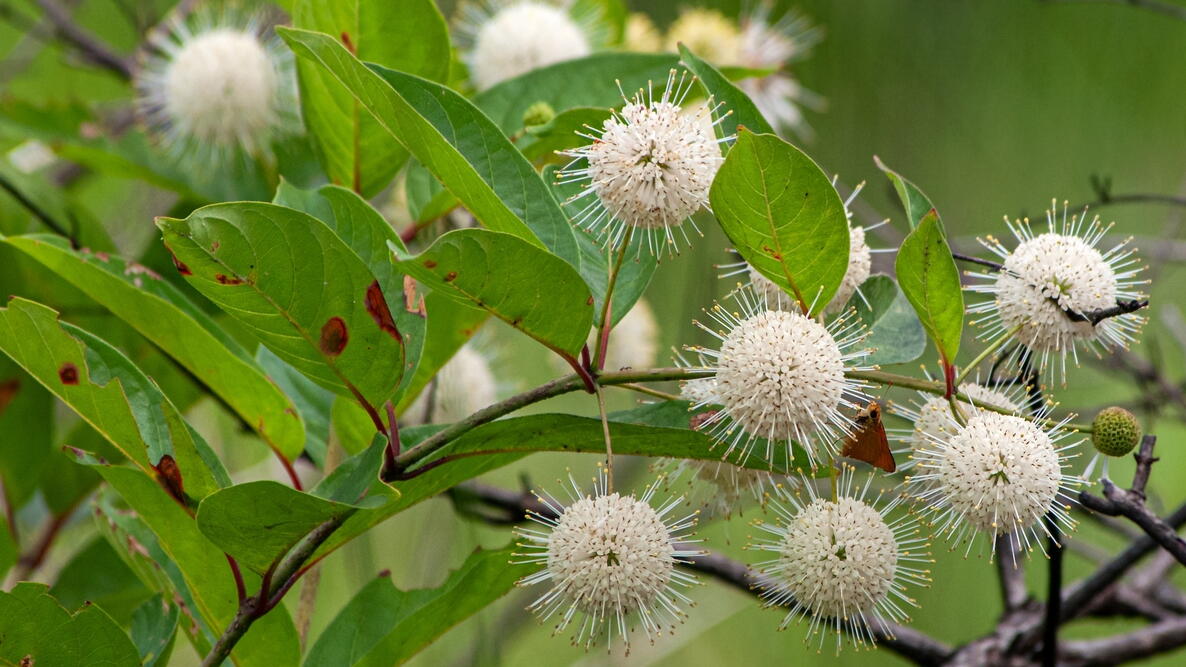
While buttonbush’s versatility is part of its charm, what really makes these plants remarkable is their high appeal to pollinators and their curious, sphere-shaped flowers that appear in summer and emit a sweet, honey-like aroma that’s reminiscent of gardenias.

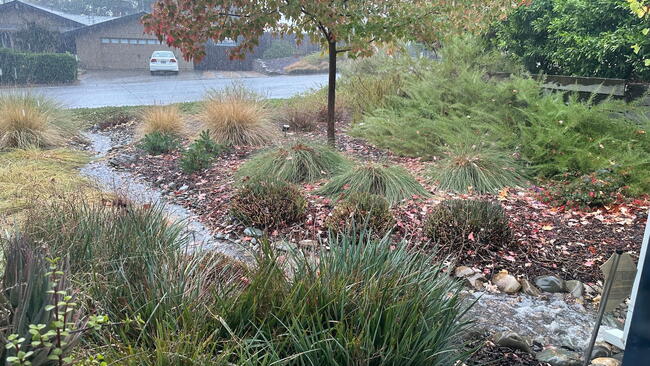
It’s one of the top plants that you can grow to support wildlife, plus it’s also a fabulous plant for poorly draining flower beds, rain gardens, and other low-lying areas. Because of its tolerance for damp conditions, the buttonbush can be ideal for soggy areas where other shrubs struggle.

Aside from rain gardens, buttonbush plants can be a fine pick for pollinator habitats, woodland gardens, and cottage gardens. These plants are much too large for pots, though, and can stretch over 8 feet wide, so it’s essential to ensure they have plenty of space. You can even grow these shrubs on sloping hillsides for some natural erosion control!

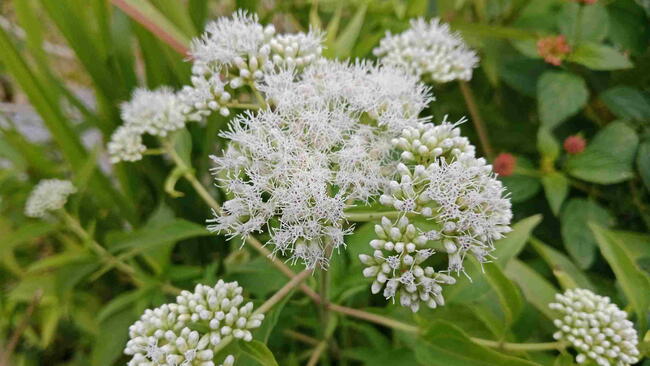
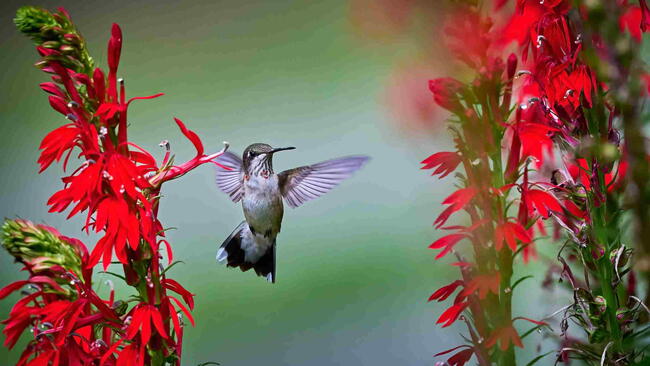
In my garden, I like to pair buttonbush with other water-tolerant native plants, like cardinal flower, swamp milkweed, boneset, and blue flag irises. I have these smaller plants growing in layers around the base of my buttonbush shrub, and I find the buttonbush makes an excellent backdrop plant for native perennials of all shapes and colors. Still, buttonbush is toxic to livestock, pets, and humans, so it’s best to keep it out of areas where animals or small children may get a bit too curious.

Planting

Tiger Swallowtail Butterfly on buttonbush
Image credit: Donna Bollenbach/Shutterstock

Most gardeners grow buttonbush from potted plants purchased at plant nurseries, but these fast-growing shrubs can also be grown from seeds. When grown from potted plants, you can expect buttonbush to bloom in about 1 to 3 years, while plants grown from seed should flower about 3 to 4 years after planting!

When to Plant Buttonbush

The best time to plant buttonbush seeds, or plants, is in early spring or early fall. Buttonbush seeds don’t need to be cold stratified to sprout, which gives you a lot more flexibility with planting times! 

How to Plant Buttonbush

Plants

Dig a hole that’s slightly larger than your plant’s root ball, and amend the soil with compost if your soil quality is lacking. Locate the plant in the hole at the same depth it was growing in its nursery pot, backfill the hole with soil, add mulch, and give your new buttonbush a deep drink.

Seeds 

Scatter the seeds over a weed-free, prepared planting spot, or surface sow the seeds in pots filled with damp seed starting mix. Keep the seeds in bright light, water often, and transplant the seedlings outdoors when they’re about a year old and have sturdy stems.

Growing

Hoverfly feeding on Cephalanthus occidentalis
Image credit: Mariola Anna S/Shutterstock

Buttonbush plants can grow in full sun or part shade as long as they receive at least six hours of daily light. In shadier spots, buttonbushes won’t grow as quickly or flower as well, and they may develop leggier stems.

All plants need water, but buttonbushes crave it. These water-loving plants can grow in soggy areas and even a bit of standing water, but they should never be allowed to dry out. During summer, make sure to water buttonbushes when the top few inches of soil feel dry and add mulch around the base to keep the soil damp a little longer.

Cold weather is no problem for buttonbushes, but these plants can struggle during summer heat waves. If you live in a hot climate, you can reduce summer wilting and plant stress by locating buttonbushes in partially shaded areas.

How to Care for Buttonbush Plants

Because they’re so cold-hardy, buttonbush plants don’t need much care in winter. Just apply a layer of mulch around your plant’s roots, and prune away dead or damaged stems in spring. If you prefer a more manicured garden look, buttonbushes can also be pruned to maintain a compact or tree-like appearance. Since these plants bloom on new wood, the best time to prune them is in late winter to early spring.

Fertilizer isn’t really necessary with these plants, and overfertilizing can actually cause buttonbushes to develop weaker stems. That said, I do like to feed my buttonbush with an annual layer of compost applied around the base of the plant in spring.

Pests/Diseases

Like other native plants, buttonbushes generally take care of themselves, and they don’t need much attention once they’re established in the garden. However, it is still wise to keep a lookout for these potential problems:

Propagation

Buttonbush Native North American Shrubs
Image credit: Brian Woolman/Shutterstock

Buttonbush can be propagated from seeds collected from the plant’s spherical seedpods in fall. You can also grow new buttonbush plants from stem cuttings to get even faster results!

  • Take four-inch-long cuttings from newly growing buttonbush stems in spring.
  • Remove the lower leaves on the cuttings, but keep the leaves and buds at the very tip of the cuttings intact.
  • Dip the cut stem ends in water, then in rooting hormone.
  • Immediately plant the cut stem ends two inches deep in pots filled with damp potting mix. For best results, pre-poke your planting holes before sinking the cuttings in.
  • Keep the cuttings in bright, indirect light and water enough so the soil stays evenly moist.
  • The cuttings should start to root in about 2 to 3 weeks.
  • Once the roots are well-formed and the cuttings are producing new growth, transplant the cuttings outdoors into an appropriate planting area.
  • If you’re planting multiple cuttings together, space them at least three feet apart.

Wit and Wisdom

  • Buttonbush attracts over 24 species of songbirds and serves as a host plant for many insects, including the titan sphinx moth.
  • Although its quirky, spherical flowers would never give it away, the buttonbush belongs to the Rubiaceae family. It is related to coffee plants and gardenias!
     

About The Author
Lauren Landers

Lauren Landers

Master Gardener and Contributing Writer

Lauren is a gardener, writer, and public speaker with over a decade of experience helping others learn about gardening, homesteading, and sustainable living.She combines years of practical gardening a...