Planting and Growing Boneset: a Native Pollinator Plant

Boneset for the Garden

Caption

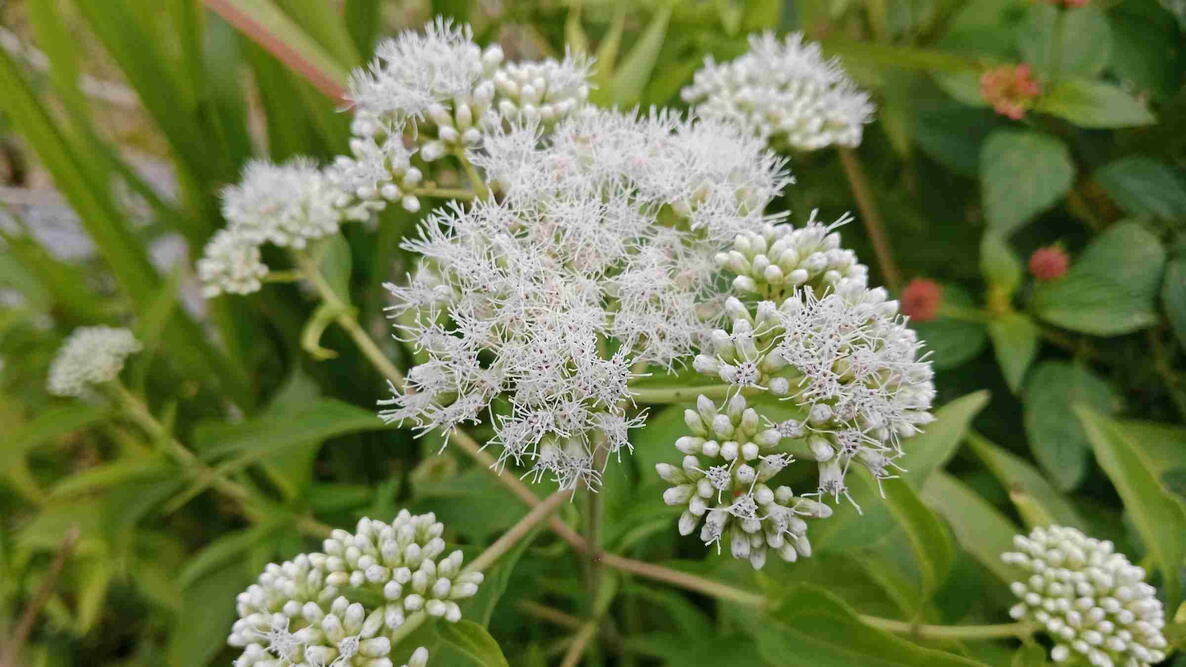
Boneset (Eupatorium perfoliatum) is a North American native wildflower, prized for its delicate white blooms and value to pollinators.

Photo Credit:
Elnas Wae
Botanical Name
Eupatorium perfoliatum
Plant Type
Sun Exposure
Bloom Time
Flower Color
Written By: Lauren Landers Master Gardener and Contributing Writer
Almanac Guide to Herbs

Boneset may not be the flashiest plant in your flower bed, but it could just become the backbone of your garden! This guide will show you why this North American native, famous for its medicinal uses, is highly appealing to wildlife, easy to maintain, and ideal for cut flowers or dried arrangements.

Boneset belongs to the Aster family and has a wide native range across much of Eastern North America—from Nova Scotia down to Florida. In the wild, it’s commonly found along streambanks, bogs, ponds, and woodland edges where the soil stays damp. But this adaptable plant will also thrive in standard garden beds that receive plenty of moisture and light.

When mature, boneset typically grows 4 to 6 feet tall and produces fragrant, white flowers from July through September, attracting bees, butterflies, and beetles. It also serves as a host for spring azure butterflies and several moth species. Its upright, dainty silhouette blends beautifully into mixed flower beds, native plant or woodland gardens, and any area that could use extra pollinator-friendly interest.

Red Admiral (Vanessa atalanta) on Common Boneset
Red Admiral (Vanessa atalanta) on Common Boneset (Eupatorium perfoliatum) in Marion County, Illinois. Credit: Danita Delimont

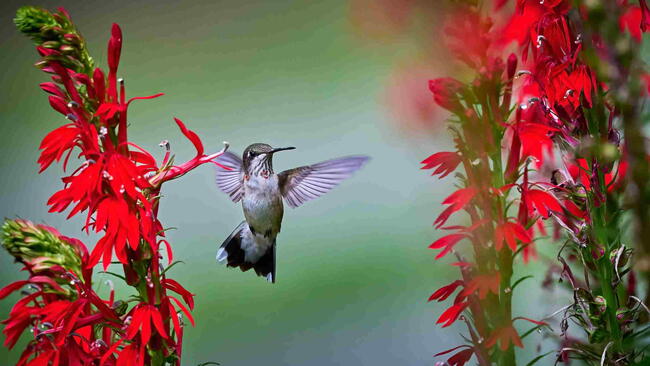
Perfect for rain gardens, native plant beds, and pollinator habitats, boneset is easy to maintain in a variety of conditions. I love planting it in low-lying, poorly draining spots, as it tolerates occasional flooding and consistently damp soil. Over the years, I’ve successfully grown boneset alongside other water-loving natives like cardinal flower, Joe Pye weed, blazing star, and blue flags. It also pairs well in cottage gardens with plants like phlox or in medicinal herb beds if that’s your gardening style.

Planting

When to Plant Boneset

Potted boneset is usually planted after the last frost of spring, though it can be planted up to 4 weeks before the first expected frost in fall. Seeds are typically sown outdoors in late autumn and left to cold stratify over winter. If you miss the fall window, seeds can be cold stratified indoors and planted in early to mid-spring.

How to Plant Boneset

Most gardeners grow boneset from potted plants purchased from local nurseries, but it can also be grown from seed. Keep in mind that growing boneset from seed requires patience—you may need to wait 2 to 3 years for your first blooms.

  • Cold stratifying seeds outdoors: Prep your fall planting area by raking away leaves and grass and removing weeds. Scatter boneset seeds thickly over the soil, lightly press them down with your shoes, water, and cover with a light layer of straw. During winter, seeds naturally stratify; water again only when they sprout in spring.
  • Cold stratifying seeds indoors: Mix seeds with damp sand in a baggie and place in the fridge for 60 days to stratify. After stratification, fill seedling pots with damp seed-starting mix, scatter the seeds, and lightly press into the soil. Keep under a grow light, water regularly until sprouting, then harden off and transplant outdoors once seedlings are at least 6 inches tall and frost risk has passed. (Tip: Boneset seeds have low germination rates, so plant extra seeds to be safe!)
  • Transplanting potted plants: For potted boneset, plant in holes slightly larger than the root ball and water after planting. Boneset looks best in drifts or groups of 3 or more, with individual plants spaced 1 to 2 feet apart.

Growing

Once boneset starts blooming, it rewards gardeners with a long flowering period and frilly white blooms that pollinators can’t resist. Because these plants are so valuable to wildlife, it’s best to grow them organically and keep pesticides away from the flowers. Once established, boneset can spread through rhizomes or seeds, gradually colonizing new areas of your garden. If you prefer to keep it contained, simply deadhead spent flowers before they go to seed.

Boneset and Eupatorium perfoliatum
Boneset—also called agueweed, feverwort, or the sweating plant—was traditionally used in herbal remedies for fevers. Credit: Mang Kelin

Watering

Consistently moist soil is essential for healthy boneset plants. I find it’s much easier to maintain these plants if you grow them in areas that are naturally damp, such as low sections of your garden where water tends to pool. However, you can grow boneset in drier areas if you water it enough to keep the soil evenly damp, and add mulch to reduce moisture evaporation.

Pruning

Pruning is usually not necessary with these plants and they shouldn’t need any winter protection. Just trim the old dead stems to the ground in spring to give your garden a tidier look. If you want boneset to flower a little more, you can also pinch the very tips of the growing stems back to a leaf node in early summer before the plant sets flower buds; however, this treatment is not required.

Dividing Boneset

Like many other perennials, boneset needs to be divided every few years to keep the plants healthy and blooming strong. Root division is an excellent way to produce more boneset plants, but you can also propagate boneset from cuttings or from seeds you collect yourself!

  • Root division: Dig up a clump of boneset in spring or fall and cut the plant’s roots into smaller sections using a spade or two gardening forks back to back. Make sure each division has a healthy clump of roots and at least a stem or two, and then re-plant the divisions and water well.
  • Stem cuttings: Take 4 to 6-inch long stem cuttings from healthy plants in spring or fall, dip the cut stem end in water and rooting hormone, and then plant the cuttings in damp potting soil. Keep the cuttings evenly moist and in partial shade until they root and can’t be easily lifted from the soil with your fingers.
  • Seeds: Wait for boneset flowers to dry on the plant and then collect the dried seeds by shaking the flowerheads over a paper bag in fall. Leave the top of the bag open and allow the seeds to dry indoors for a few days. Then seal the seeds in labeled and dated paper envelopes until you’re ready to plant them!

Harvesting

Boneset flowers can be cut for fresh bouquets or dried for arrangements, making them a versatile addition to your garden. 

  • For fresh blooms, snip stems when the flowers are fully open but not past their peak, ideally in the morning after the dew has dried.
  • To dry boneset, gather stems in small bunches, tie them loosely with string, and hang them upside down in a cool, dark, well-ventilated space.
  • Properly dried, boneset retains its delicate white blooms and can be used in arrangements for months.

In bouquets, boneset works beautifully as a filler flower, adding airy texture alongside longer-lasting blooms. 

  • For best results, pair it with asters and phlox, which hold up well in a vase, and use Joe Pye weed or cardinal flower sparingly for height or color accents, keeping in mind these flowers are more short-lived.
  • While Boneset can be used on its own in small posies, it really adds charm when combined with pollinator-friendly, cottage-garden favorites in late summer and early fall.

Tip: Leave some boneset blooms in the garden to support pollinators and wildlife, even while harvesting for bouquets.

Pests and Problems

Boneset Problems

Boneset is a tough, low-maintenance native plant that is naturally resistant to deer and rabbit damage. It usually grows without many serious issues.

However, poor airflow or overly damp conditions can lead to occasional pest or disease problems. Boneset grows best in moist but well-drained soil with enough space between plants for good air circulation.

Boneset blooms and flowers best in full sun to part shade conditions. If your plants aren’t flowering much, they may need more light!

Boneset Pests

Boneset is rarely bothered by pests, but flea beetles and sawflies may occasionally cause damage. These insects can skeletonize leaves or create small holes in the foliage.

To help prevent pest problems:

  • Companion plant with marigolds, green onions, or dill
  • Spray leaves with a strong blast of water from the hose
  • Check plants regularly for early signs of damage

Most infestations are minor and do not seriously harm the plant.

Boneset Diseases

Powdery mildew sometimes appears as white to gray splotches on boneset leaves. To prevent mildew, water at the base of the plants rather than from overhead and maintain proper spacing. If mildew does develop, treat it with a gentle spray of 40% milk and 60% water.

Toxicity
Boneset is toxic to pets and livestock.

Wit and Wisdom

  • Boneset got its name from its historical use to treat dengue, also called “break bone fever.”
  • It was traditionally used to help soothe fevers, colds, flu, and other minor ailments.
  • Other common names include feverwort, agueweed, and the sweating plant.
  • Beyond medicine, boneset is a garden favorite for pollinators, cottage gardens, and dried floral arrangements.
  • Its delicate white blooms and upright form make it both functional and charming—proof that even humble plants have personality!

About The Author
Lauren Landers

Lauren Landers

Master Gardener and Contributing Writer

Lauren is a gardener, writer, and public speaker with over a decade of experience helping others learn about gardening, homesteading, and sustainable living.She combines years of practical gardening a...