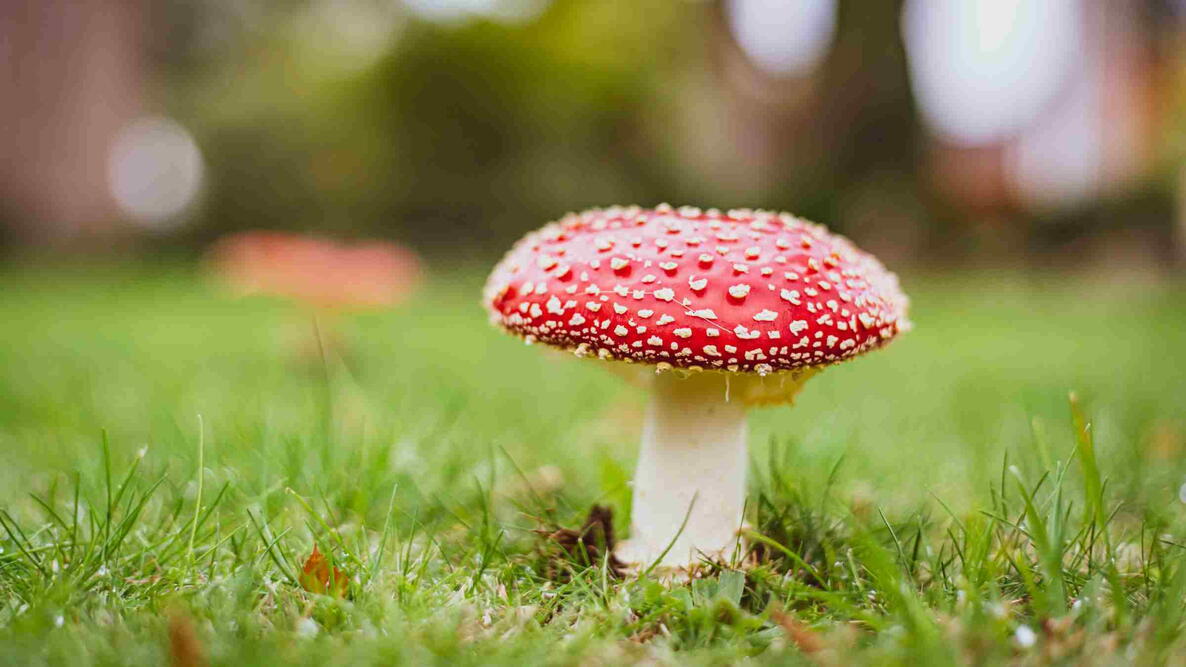
Caption
Red mushroom sprouting in grass—a natural part of your lawn ecosystem.

Are mushrooms popping up in your yard, but you don’t want to leave much room for those shrooms? While spotting a few mushrooms in your grass can be a sign of healthy soil, a mushroom takeover may indicate that something is out of balance in your yard or garden.
Here’s a look at the most common reasons why mushrooms sprout in the first place and all-natural ways to get rid of mushrooms in lawn grass and gardens if you don’t enjoy that “goblincore” look and don’t want mushrooms around!
Mushrooms In Lawns
Finding mushrooms in your grass can actually be great news for growers, as fungi help break down matter in the soil and make nutrients available to plants and grass. Most mushrooms don’t damage plants either, so there’s often little need to get rid of them. However, if there is an overabundance of mushrooms growing on your property, it may mean that the growing conditions in your lawn or garden are out of balance and more favorable to mushrooms than the plants you’re intentionally growing.

Causes Of Mushroom Growth in Lawns
What we think of as mushrooms are actually part of a much larger fungal organism, or mycelium, that lives in the soil and feeds on any organic matter it finds there. This mycelium can go unnoticed for years until environmental conditions are just right. Then, mushrooms sprout above the soil line—much like fruit that grows from a larger tree!
But exactly what conditions cause mushrooms to grow in the first place?
Organic Matter
Mushrooms are nature’s decomposers that break down plant, insect, and other dead organic matter and help to keep gardens and lawns tidy. So, if you see mushrooms in your lawn or property, it means that your soil is rich with organic matter and nutrients!
If you grow lots of plants or keep a garden, finding out that your soil is nutrient-dense can be a good thing. However, an overgrowth of mushrooms may indicate that there is too much dead matter and debris in your garden that’s fueling mushroom growth. Mushrooms are also particularly inclined to sprout in areas with dead or decaying wood, such as near fallen trees, leftover stumps, or on old mulch that hasn’t been refreshed in a while.
Overwatering
Rainy weather can cause mushrooms to sprout, too, and mushrooms will also grow if you regularly overwater your grass or garden. Poorly draining locations can also be ideal habitats for mushrooms.
Low Light
Some mushrooms tolerate more light than others, but most mushrooms prefer shady locations. Having lots of trees or overgrown shrubs in your yard can make your property more appealing to mushrooms and lead to an overgrowth too.
Compacted Soil
Mushrooms also thrive in compacted soil, which often drains poorly and can be too dense and damp for other plants.

Preventing Future Mushroom Growth in Your Lawn
Because mushroom mycelium are so extensive, it’s virtually impossible to eradicate mushrooms from lawns. Even if you pull mushrooms up by hand, they can continue to sprout for years as long as the mycelium lingers in the soil and conditions are well-suited to mushroom growth.
If you’re dealing with a mushroom “problem,” it’s often easiest to just let the mushrooms be where they are. Typically, mushrooms will go away on their own when environmental factors, like temperature and rainfall, no longer favor their growth. However, if you’d like to get rid of mushrooms naturally or reduce the risk that they’ll return, try these tips.
Reduce Organic Matter
Normally, growers want to have lots of organic matter in their soil to support growing plants. But if you have too many mushrooms in your yard, removing some organic matter can make your soil less inviting to shrooms. Here’s how to start:
- Remove any decaying wood, stumps, and logs that are easy to get rid of.
- Rake up and replace old mulch that has started to degrade.
- Clean up fallen leaves and brush, as well as grass clippings, when you’re done mowing.
- Dethatch your lawn, clean up fallen fruit, and remove dead veggie and flowering plants from your garden so there’s less material for mushrooms to feed on.
These natural ways to remove mushrooms from lawn areas reduce available food for fungi.
Improve Drainage
Fixing drainage issues can take some work, but it can also make your property less hospitable to mushrooms:
- Add drainage ditches
- Regrade the soil as needed, or simply fill in low-lying spots so they’re less likely to collect water.
- Reassess your watering schedule, while you’re at it, and water your lawn and garden a little less.

Aerate Lawns
The good news is you can make your yard more appealing to the plants you want to keep, and less appealing to mushrooms.
Aerating your soil allows better drainage and encourages plant growth while discouraging mushroom growth naturally.
Increase Light
Mushrooms love shady conditions and are more likely to sprout if you have a lot of overhanging tree branches and overgrown plants on your property. However, you can increase light access and make your lawn less mushroom-friendly by trimming these overgrown plants back.
Don’t Spread Spores
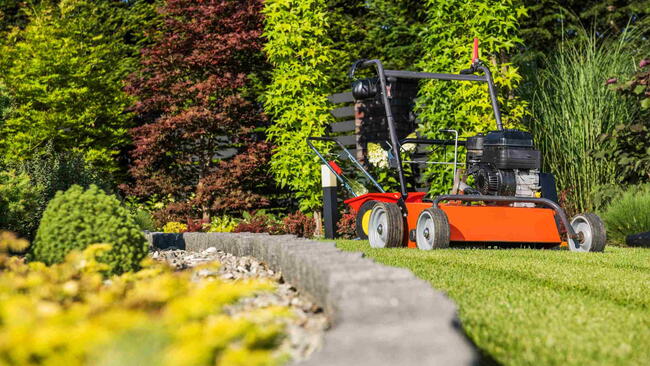
If you want to get rid of mushrooms quickly, pick them up by hand and seal them in a trash bag before throwing them in the trash. While it may be tempting to mow mushrooms down with your lawnmower, this can actually spread fungal spores and worsen mushroom growth in your lawn.
Common Mistakes to Avoid With Lawn Mushrooms
Making a few minor adjustments to watering, lighting, and the soil in your yard is often all it takes to discourage mushroom growth. But there are a few common pitfalls that growers often make that can make mushroom problems worse!
- Don’t use fungicides. They rarely work on mushrooms and may harm beneficial soil microbes in the soil that help plant growth. If you don’t want to remove mushrooms by hand, you can often tackle them with a vinegar-based spray; however, vinegar sprays can harm any plants they come in contact with too.
- Don’t mow mushrooms. This spreads spores and expands where mushrooms are growing. Instead, always remove mushrooms by hand.
- Don’t let mushrooms spore. Mushrooms spread by spores, which they release as they mature. Remove them before they release spores to reduce future growth.
Frequently Asked Questions
Are mushrooms in the lawn harmful to pets or children?
The mushrooms you typically see in lawns are harmless. Removing them is optional, especially if you’re okay with their temporary appearance.
Do I need to remove mushrooms from my lawn?
Not necessarily. Mushrooms are a natural part of healthy soil, helping to break down organic matter and release nutrients. If you don’t like how they look, you can remove them, but they will naturally disappear over time.
How long do mushrooms last in grass?
Mushrooms usually appear after rain or high humidity and may last a few days to a week. Once conditions change, they naturally fade, though the mycelium remains in the soil.
Can mushrooms indicate healthy soil?
Yes! Their presence often shows your soil is nutrient-rich and biologically active. Occasional mushrooms are usually a sign of a thriving lawn ecosystem.
How can I reduce mushroom growth without harming my lawn?
If you prefer fewer mushrooms, you can improve drainage, aerate soil, reduce excessive organic debris, and increase sunlight. These measures make the lawn less favorable for mushrooms while keeping soil healthy.
Every noticed mushrooms growing in a circle? Learn all about fairy rings in the lawn!


Comments