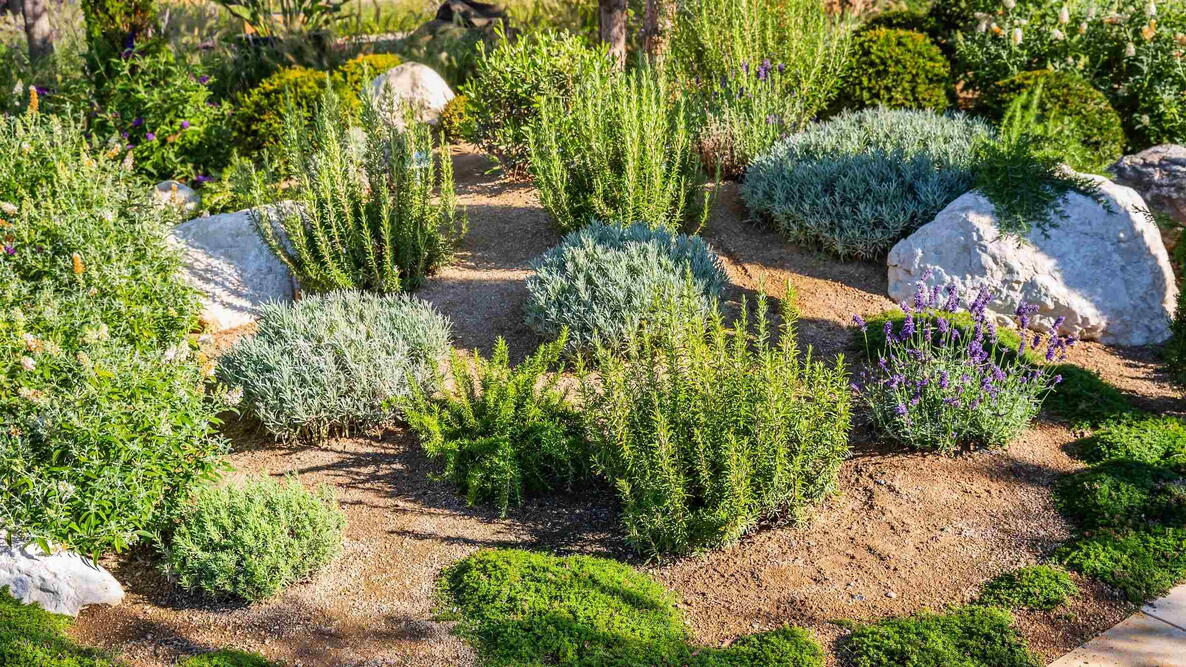
Caption
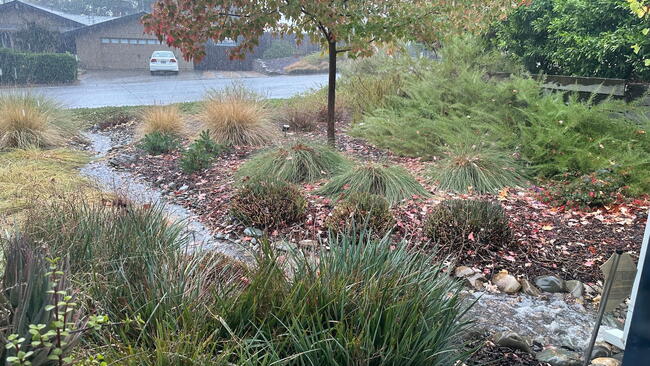
Layered plantings and ground covers help protect this sloped garden bed, reducing runoff and keeping soil in place.

If heavy rain keeps washing soil down your slope—or leaving muddy patches where your garden used to be—you’re not alone. Sloped yards and clay soil are especially prone to erosion. The good news? The right plants can help hold soil in place. Below, we’ll share the best plants for erosion control, plus practical tips to stabilize slopes and prevent future washouts.
Soil Erosion
Soil erosion is especially common on steep slopes and hillsides, where heavy rain can quickly wash away unprotected soil. It creates a mucky mess—and it can be costly if soil, plants, or entire garden beds wash out.
Erosion usually happens after heavy rainfall or strong winds and is most damaging in yards with sharply sloping ground or heavy clay soil. But it can affect any yard, and it’s becoming more common as intense storms increase.
Warmer winters also play a role. In recent years, winters have been warmer, meaning soil stays frozen for shorter periods and is exposed to more rainfall than snow. Since 1958, the number of storms dropping more than 5 inches of rain in a single day has increased by over 100%. It’s no wonder more gardeners are noticing soil slipping away.
Leveling garden beds, adding compost to clay soil, using no-till methods, and keeping soil covered with mulch or cover crops can all help reduce erosion. But choosing the right plants—especially ground covers and native plants with strong root systems—may be the most effective long-term solution.
Best Plants for Erosion Control
The best plants for erosion control tend to be deep-rooted or spreading plants that lock soil in place and help control soil erosion on slopes.
Ground-covering plants that form mats with their stems and leaves can also shield the soil from heavy rain and strong winds and stabilize gardens and hillsides. Just be sure to steer clear of invasive plants like vinca and English ivy, which have historically been used to reduce erosion but can become problematic later.
1. Native Grasses

Native grasses, like little bluestem, purple lovegrass, switchgrass, and river oats, are some of the absolute best plants for erosion control thanks to their deep root systems. These roots are much sturdier than standard turfgrass roots and can hold soil in place and protect slopes from extreme weather. Native grasses also come in a range of sizes and colors, so you can find one to perfectly suit your space.
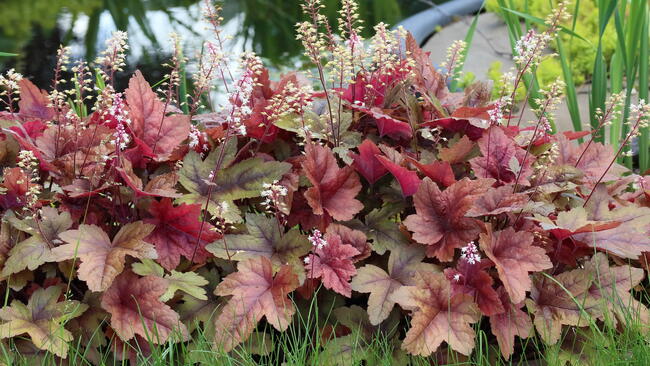
2. Coral Bells

Coral bells have a wide native range throughout North America and colorful leaves that make them stand out in any space. These woodland plants prefer partial sun and have a spreading growth habit and dense leaves that can stop erosion problems before they start. On top of that, coral bells have tube-shaped flowers that attract hummingbirds!
3. Solomon’s Seal

Another native woodland plant, Solomon’s seal, has gracefully arching stems and bell-shaped flowers that last from spring to summer. A great choice for shady hillsides, Solomon’s seal can help to stabilize soil with its spreading rhizomes, and large plantings look quite impressive too.
4. Hostas

Hostas have been a shade garden favorite for years, but varieties with variegated leaves can handle sun as well. If you’re worried about erosion problems, hostas help hold soil in place with their fibrous root systems and shelter it under their dense leaves. These plants also attract pollinators; however, it’s wise to install slug pubs nearby, as these plants are notoriously attractive to slugs and snails.
5. Wild Hydrangea

Also known as the smooth hydrangea, wild hydrangeas aren’t as showy as some other hydrangea varieties, but they are adept at controlling erosion. These North American natives produce dainty white flowers in summer and help to stabilize soil in shady and sloping areas. For more soil protection, try grouping several wild hydrangeas together or use these shade-lovers as understory plants beneath trees.
6. Sweet Woodruff

Sweet woodruff is a ground-covering plant that tolerates most soil as long as it’s well-draining. Over time, these plants form dense mats with their shallow root systems, which help to hold soil together and reduce erosion risk. They also produce sweetly scented flowers in spring that smell a bit like vanilla.
7. Native Ferns

Native ferns anchor soil in place with their mat-like roots and shelter the earth from heavy rainfall with their fronds. The ferns that are native to your area will vary, but varieties like Christmas ferns, lady ferns, and ostrich ferns are particularly well-known for reducing erosion. Sweet ferns aren’t true ferns, but they are also helpful for erosion control and tolerate more sun than true ferns do!
8. Wild Ginger

Not to be confused with edible ginger, wild ginger is a native North American ground-covering plant with shiny rounded leaves and a helpful ability to stabilize soil. Much of this has to do with the plant’s ability to spread in dense clumps, but its roots are also notably sturdy. These plants do best in partially shaded spots and tolerate a range of soil types.
9. Sedums

Famed for their easygoing vibe, sedums are succulents that don’t need much water and wow with their fleshy leaves and/or late-blooming flowers. You can find sedums in a range of sizes; however, ground-covering varieties are the best for managing erosion.
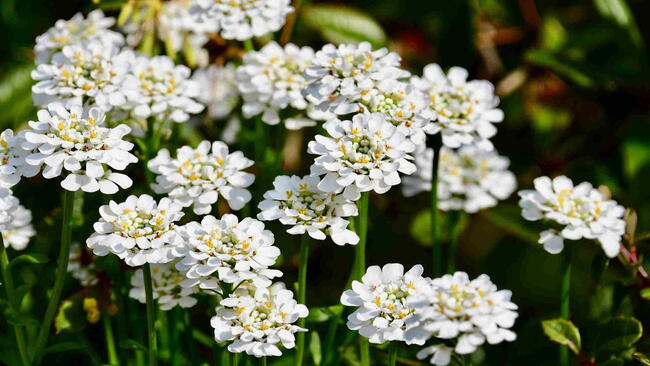
10. Creeping Phlox

Unlike garden phlox, creeping phlox hugs the ground and produces dense clusters of leaves that protect soil from the elements. But while these plants are plenty functional, they’re also pretty and bloom profusely in spring with colorful flowers that pollinators can’t resist.
11. Virginia Creeper

Many growers are reluctant to plant Virginia creeper in their gardens, as these vining plants are often mistaken for poison ivy. Virginia creeper produces five leaflets—not three—and it’s a highly effective plant. Once mature, Virginia creeper produces long vines that root wherever they touch the ground, as well as large leaves that shield the earth and shift into gorgeous shades of red in fall!
12. Golden Groundsel

Also known as golden ragwort, golden groundsel is a North American native plant in the Aster family. When in bloom, golden groundsel’s flowers can stretch up to 3 feet tall, but the plant’s leaves stay closer to the ground and help to shelter the soil. These plants also spread via creeping root systems and can form dense ground-covering patches in erosion-prone spots.
13. Wild Strawberry

Hardier than their cultivated cousins, wild strawberries are edible, but their berries are on the small size. In full-sun locations, you can expect these plants to grow quickly and lock soil in place with their spreading leaves and stems. Wild strawberries can tolerate light shade too, but they need well-draining soil to thrive.
14. Creeping Juniper

If you walk through your neighborhood, there’s a good chance you’ll spot at least a creeping juniper plant or two. These low-growing shrubs are often used as groundcovers in dry, sunny areas, but their spreading growth habit also helps reduce erosion on hilly slopes and in other exposed areas.
Common Name: | Scientific Name: | Size: | Exposure: | Type: |
Native Grasses | Varies | Varies | Varies | Perennial |
Coral Bells | Heuchera spp. | 1 to 3 feet tall | Part sun to shade | Perennial |
Solomon’s Seal | Polygonatum spp. | 1 to 6 feet tall | Part sun to shade | Perennial |
Hostas | Hosta plantaginea | 4 inches to 4 feet tall | Part sun to shade | Perennial |
Wild Hydrangea | Hydrangea arborescens | 3 to 10 feet tall | Part sun | Shrub |
Sweet Woodruff | Galium odoratum | 6 to 12 inches tall | Part sun to shade | Groundcover |
Native Ferns | Varies | Varies | Part sun to shade | Perennial |
Wild Ginger | Asarum canadense | 6 to 12 inches tall | Part sun to shade | Groundcover |
Sedums | Sedum spp. | 2 inches to 3 feet tall | Full to part sun | Perennial or groundcover |
Creeping Phlox | Phlox stolonifera | 4 to 12 inches tall | Full to part sun | Groundcover |
Virginia Creeper | Parthenocissus quinquefolia | 30 to 50 feet long | Full sun to shade | Groundcover or vine |
Golden Groundsel | Packera aurea | 1 to 3 feet tall | Full sun to shade | Perennial or groundcover |
Wild Strawberry | Fragaria vesca | 2 to 8 inches tall | Full to part sun | Groundcover |
Creeping Juniper | Juniperus horizontalis | 6 inches to 2 feet tall | Full sun | Groundcover |
Tips for Preventing Soil Erosion in Sloped Yards
Plants are a powerful first line of defense—but combining them with smart garden practices offers even more protection.
- Level or terrace when possible. Flatter soil erodes less easily.
- Water at the soil line. Drip irrigation or soaker hoses are gentler than sprinklers.
- Add compost to clay soil. Organic matter improves drainage and reduces runoff.
- Keep soil covered. Mulch and cover crops shield bare ground.
- Install drainage or retaining walls if needed. These measures help redirect water and prevent washouts.

Comments