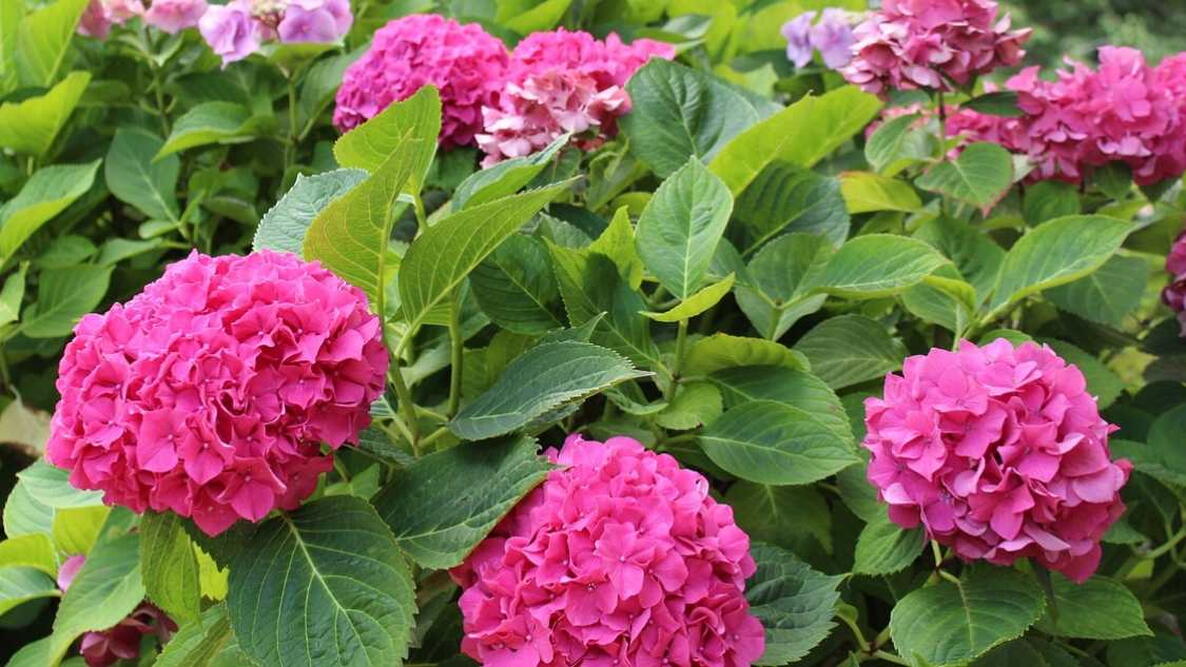
Planting, Growing, and Pruning Hydrangea

Read Next
Planting
When to Plant Hydrangeas
The best time to plant hydrangeas is in fall before the first frost, but you can also plant them after the last frost of spring. Fall planting gives these shrubs more time to establish a healthy root system before the heat of summer or the extreme chill of winter. If possible, plant hydrangeas in the early morning or late afternoon to reduce the risk of wilting.
Where to Plant Hydrangeas
Most hydrangeas prefer partial sun with full sun in the morning, followed by light afternoon shade. This is especially true for the bigleaf hydrangea (H. macrophylla), which can wilt dramatically in summer in full-sun locations. Some varieties of hydrangeas are more tolerant of bright light, though, so it’s a good idea to read up on different types of hydrangeas before settling on the best plants for your garden.
Aside from lighting, most hydrangeas thrive in fertile, well-draining soils that receive plenty of moisture. Adding compost or aged manure, followed by mulch, will help to keep these water-loving plants well-hydrated.
How to Plant Hydrangeas
- To plant, gently remove the hydrangea from its container and inspect the root ball, snipping off any dead or rotting parts. If necessary, gently loosen any encircling roots to help the plant grow better in your garden.
- After removing the plant from its pot, dig a hole that’s as deep as the root ball and 2 to 3 times as wide. Set the plant in the hole so the base of the plant (where the stem meets the soil) is level with the top of the planting hole. Then, half-fill the hole with soil, water generously, fill the rest of the hole with soil, and water again.
- If you’re growing multiple hydrangeas together, space them anywhere from 3 to 10 feet apart depending on the type. Always space plants based on their expected size at maturity!
Growing
Watering
- For the first 2 years after planting and during any drought, be sure your hydrangeas get plenty of water. If possible, water in the morning to prepare hydrangeas for the heat of the day and to avoid disease.
- Water at a rate of 1 inch per week throughout the growing season. Deep soaks 3 times a week encourage better root development than more frequent light waterings.
- All varieties of hydrangeas benefit from consistent moisture, but bigleaf and smooth hydrangeas require more water. If the soil is too dry, leaves will wilt and flowering may fail. Adding organic mulch underneath hydrangeas keeps the soil moist and cool and improves soil texture over time.
Fertilizing
Hydrangeas in rich soil seldom need fertilizer, and over-fertilizing these plants can encourage leafy growth at the expense of their blooms. If in doubt, it’s always best to test your soil before fertilizing and to fertilize according to the needs of your specific hydrangea variety.
- Bigleaf hydrangeas benefit from several light fertilizer applications in March, May, and June.
- Oakleaf and panicle hydrangeas do best with two applications in April and June.
- Smooth hydrangea plants only need fertilization once in late winter.
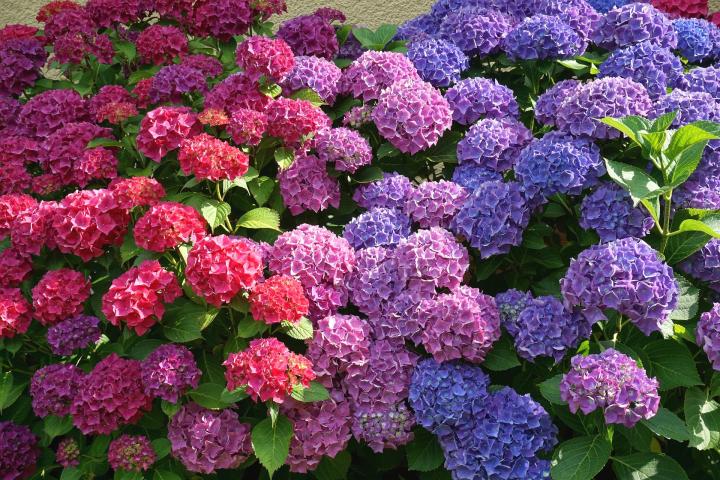
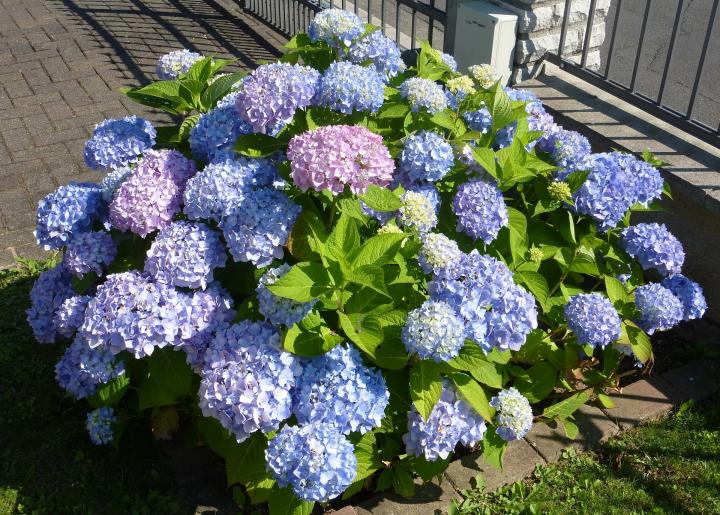
Some varieties of hydrangeas have color-changing flowers that shift from pink to blue depending on the soil pH. If you have these hydrangeas in your garden, feeding them with a fertilizer intended for hydrangeas or acid- or alkaline-loving plants can cause their flower colors to shift!
Pruning or Maintenance
Many hydrangeas benefit from pruning, but exactly when to prune them will depend on whether the plants flower on old or new wood. Hydrangeas that bloom on old wood form flower buds during the previous growing season, and pruning these plants at the wrong time can leave you with bloom-less shrubs. On the other hand, plants that flower on new wood form their flower buds after winter and are more flexible with pruning and usually more cold-hardy too.
To help guide your pruning shears, here’s a basic rundown on when to prune different types of hydrangeas. If you’d like to keep more winter interest in your garden, you may want to avoid pruning hydrangea flowers in autumn, as they often linger on the plant through winter and keep gardens looking lovely.
| Hydrangea Type | When to Prune | Where Flowers Appear |
|---|---|---|
| Bigleaf (H. macrophylla) | Summer, after flowering | On old growth |
| Oakleaf (H. quercifolia) | Summer, after flowering | On old growth |
| Panicle (H. paniculata) | Late winter, before spring growth | On new growth |
| Smooth (H. arborescens) | Late winter, before spring growth | On new growth |
| Mountain (H. serrata) | Summer, after flowering | On old growth |
| Climbing (H. anomala ssp. petiolaris) | Summer, after flowering | On old growth |
Seasonal Care
Hydrangeas need frequent watering in summer and benefit from a layer of insulating mulch in winter. Some old wood hydrangeas have sensitive flower buds can be damaged in harsh winter weather. If you’re growing these plants in a chilly location, keeping them well-mulched or wrapped with burlap in winter can reduce frost damage and help ensure they produce big blooms next year.
Types
Hydrangeas are typically divided into two main groups: old wood and new wood. The best type of hydrangeas for your garden depends on your growing zone and your commitment to pruning!
- New wood hydrangeas are more cold-hardy and more flexible with pruning, as they form flower buds on new growth. This includes popular varieties like panicle hydrangeas (‘Grandiflora’ and ‘Limelight’) and smooth hydrangeas (‘Grandiflora’ and ‘Annabelle’).
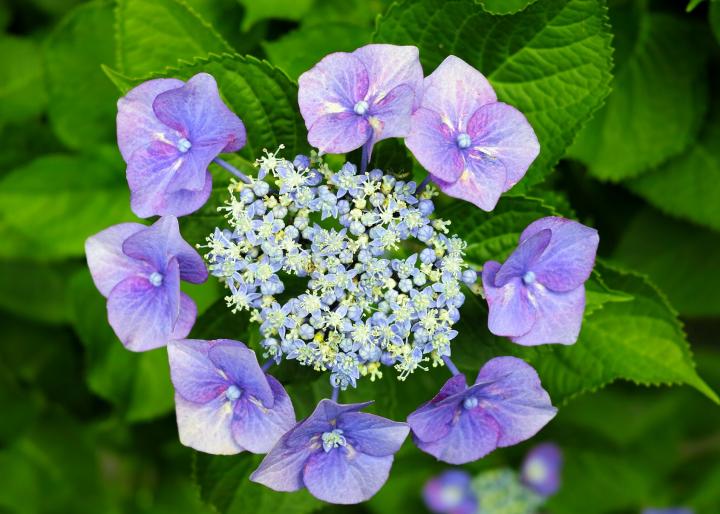
- Old wood hydrangeas are better for gardeners in warmer climates as they form flowers on old wood and can be damaged by extremely cold weather. If you want to keep these plants in chillier areas, be mindful of their pruning needs and consider adding winter protection to shelter their buds. This category includes oakleaf hydrangeas (‘Snow Queen’ and ‘Alice’), bigleaf hydrangeas (‘All Summer Beauty’ and ‘Color Fantasy’), mountain hydrangeas (‘Bluebird’ and ‘Diadem’) and climbing hydrangeas (‘Firefly’).
Harvesting
When to Harvest
If you want to gather hydrangeas for cut displays, cut fully mature flowers in the morning after you’ve watered the plant.
How to Harvest
After harvesting hydrangea blooms, recut the woody stems at a slant to increase water absorption and immediately place the cut stems in cool water to prevent wilting. Make sure to remove the lowest leaves on the stems so they don’t sit below the water line and rot.
Storage
For longer displays, arrange hydrangea flowers in a vase and place them in a cool location that’s out of direct sunlight. Check the water level and quality daily, change the water if it becomes cloudy, and mist the blooms with water if they start to wilt. If you’d like to keep hydrangeas even longer, hang them upside-down to dry in a warm, dark, and dry location and display them in vases or wreaths.
Gardening Products

More Like This

Hi Judy, we're sorry to hear about this. When did you plant it? Often transplanting can stress a plant. Hydrangeas need a lot of water, though brown leaves could be caused by too much water as well. They like morning sun, but only about 4 hours is sufficient, so placement may be an issue. Check to make sure the soil is moist, see if the plant is getting too much sun, and if your soil doesn't have enough nutrients, add compost or some diluted fertilizer. You still have green so that's a good sign. —The Editors
Black spots on hydrangea leaves may be caused by a number of diseases by fungal, bacterial, and viral pathogens. Common diseases include the Cercospora leaf spot (a fungal disease common in moist conditions) and Anthracnose (a fungal disease which also favors high humidity or precipitation). Remove infected leaves and all plant debris, including fallen leaves, regularly throughout the growing season. Remove any nearby weeds. Prune out any dead/diseased branches, and be sure to disinfect any tools that you use to prune, etc. Provide good air circulation and drainage and avoid overhead watering. Fungicides may help as an early application in spring when symptoms first appear, but would not help this late in the season. Check with your local Cooperative Extension https://www.almanac.com/cooperative-extension-services for advice for the best fungicides to use for your area and purpose. Here's an article on anthracnose, in case it helps: https://www.almanac.com/pest/anthracnose.
- « Previous
- 1
- 2
- …
- 10
- Next »

Comments