Caption
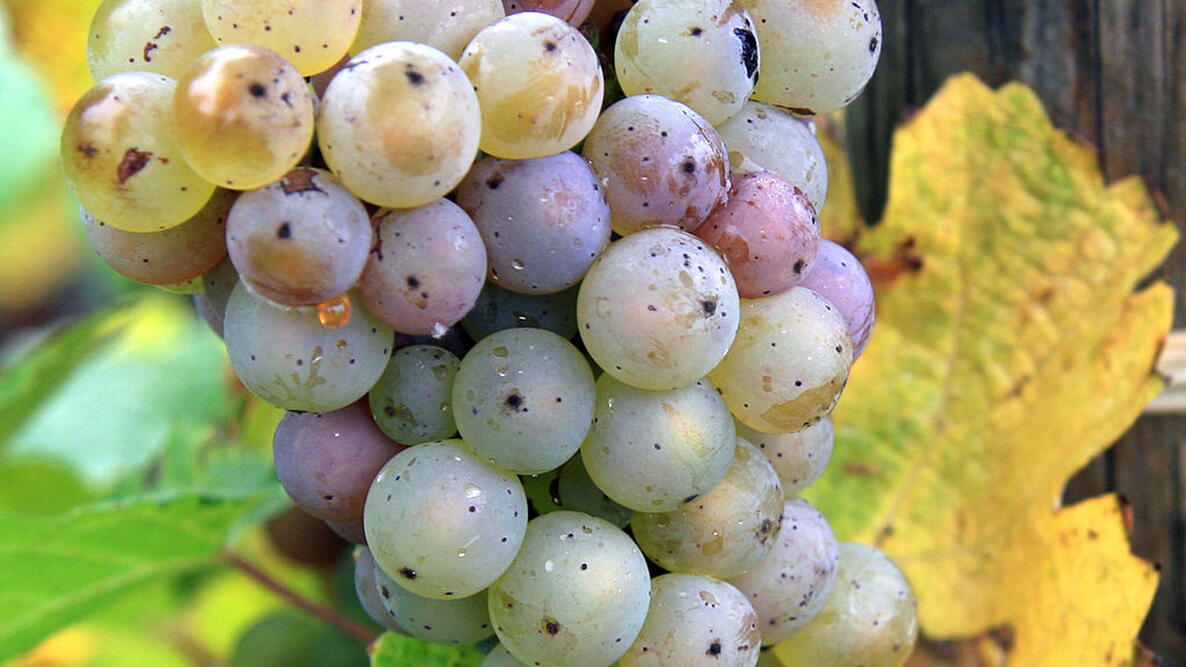
Gray mold has compromised these Riesling grapes.

Do you ever look at your beautiful plants and see something fuzzy and gray? It might be gray mold (Botrytis), a common but nasty fungus that can strike your garden when you least expect it. It affects many parts of the plant: leaves, flowers, stems, and fruit. Luckily, with a few simple steps, you can identify, prevent, and treat this fungus before it spreads.
What Is Gray Mold?
Gray mold is a pesky fungal disease caused by the fungus Botrytis cinerea. It’s not picky about its host—this pathogen can go after many different garden plants, from flowers to vegetables. Once it shows up, gray mold spreads fast, riding along on the wind, splashed water, garden tools, or even your hands.
A quick note so the terms don’t get confusing:
- The fungus itself is Botrytis cinerea.
- The disease we see on plants is called gray mold.
Commonly Affected Plant Parts:
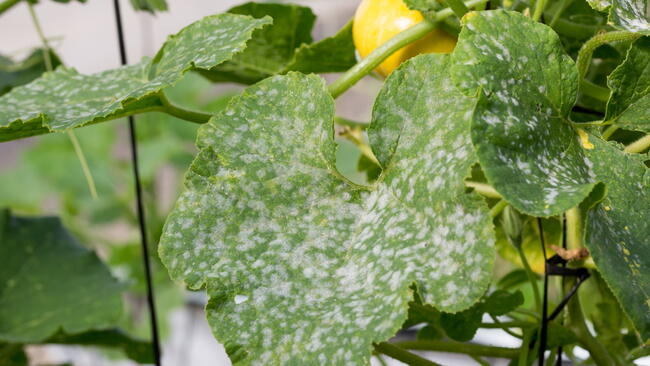
- Leaves: Small brown or water-soaked spots that may develop fuzzy gray mold
- Flowers: Wilting, browning, or fuzzy coating on petals
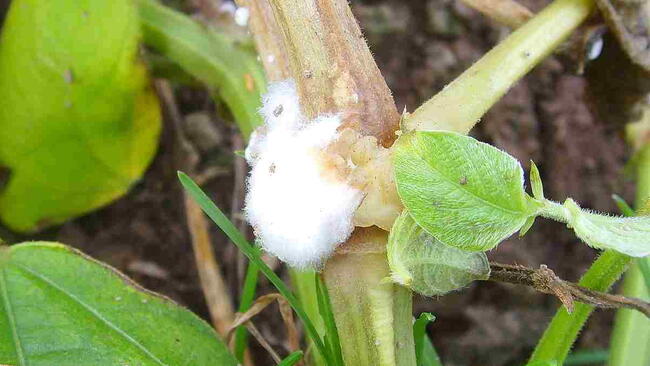
- Stems: Gray mold can rot stems at the base or nodes
- Fruits: Soft spots, rotting, and gray spore growth on tomatoes, strawberries, grapes, and other fruits

Why It Happens:
This develops when plants and their environment create the perfect storm for infection. This pathogen thrives in cool, damp, and stagnant conditions, especially when plants are stressed or damaged.
- High humidity keeps leaves and stems moist, which allows fungal spores to germinate and spread.
- Poor airflow prevents that moisture from evaporating, leaving a lingering damp layer on foliage and flowers.
- Excessive watering—or water that splashes onto leaves—further increases surface moisture and can even spread spores from one plant part to another.
- Decaying plant material (fallen leaves, old blossoms, pruned stems) acts as both food and a breeding ground, where the fungus produces more spores ready to infect healthy tissue.
Together, these factors weaken plants and make them vulnerable to infection. Even healthy plants can fall victim if conditions stay wet and stagnant long enough, since Botrytis is an opportunistic fungus that attacks wherever there’s soft, damaged, or aging tissue.
Identification
How Gray Mold Spreads
Early recognition is key to stopping gray mold early. Here’s how it progresses:
- Generally, small spots that appear water-soaked will form on the leaves. These might appear white at first.
- These spots will then change color from gray to brown, eventually covering most of the leaf. The brown coloration is what often causes people to confuse gray mold with brown mold.
- Under really humid conditions, grayish webbing may appear on the leaves. This webbing contains structures that contain fuzzy spores. Spores become active and are released with no activity at all.
- Petals, stems, and buds can also become infected.
- Eventually, all of the infected parts of the plant will be covered by a fuzzy gray growth.
Symptoms to Watch For
- Gray, fuzzy mold on leaves, stems, flowers, or fruit
- Wilting, browning, or softening of plant tissue
- Rapid spread under cool, humid conditions
- Small spots that enlarge quickly if untreated
Tip: Check plants regularly, especially during damp weather or in areas with dense foliage.
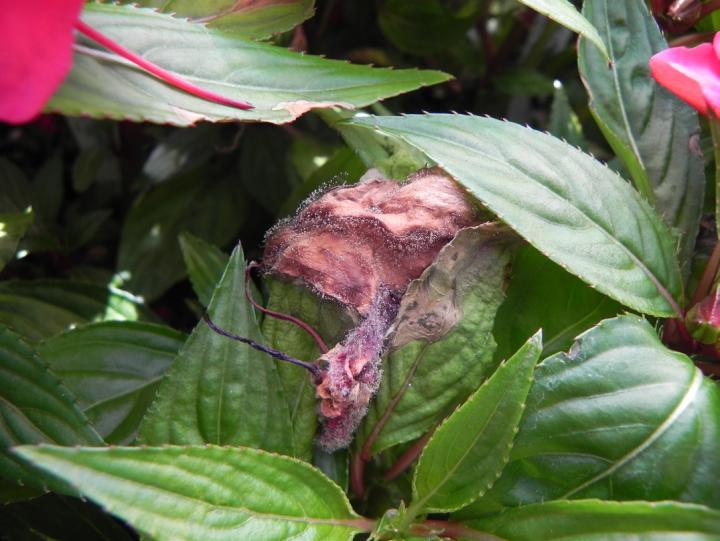
Photo Credit: Francesca Peduto Hand, The Ohio State University.


Botrytis spores can be cooked away in a compost pile, but only if the pile reaches upwards of 131°F (55°C) and stays at that temperature for several days. That being said, we wouldn't recommend using the soil in your greenhouse again, just in case the composting didn't do the job completely.
Unfortunately, it can be difficult to get rid of gray mold without chemical sprays. We would recommend following our tips like destroying all plants that are infected and making sure that your plants are not in an overly moist environment. The article provides some natural and easy prevention methods that might be able to keep you from having to use a chemical spray.
- « Previous
- 1
- 2
- …
- 10
- Next »

Comments