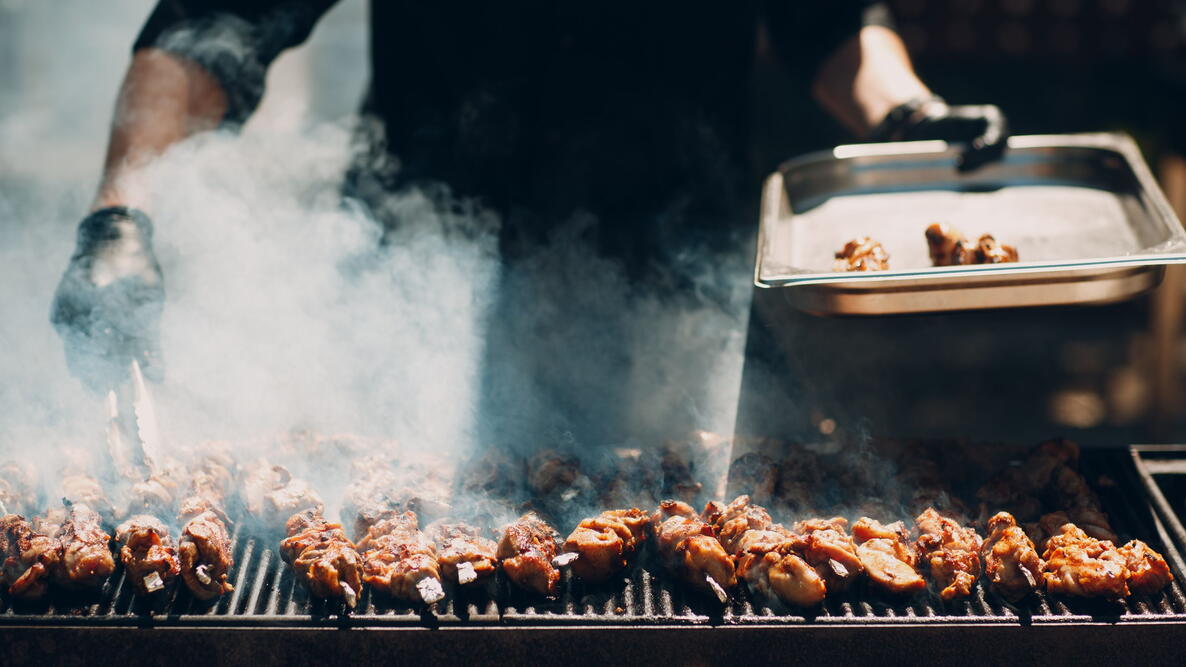

Wondering how to check grill temperature without a thermometer? The grill hand test is a simple and reliable way to estimate heat levels when camping, grilling outdoors, or cooking without built-in temperature gauges. By holding your hand above the grill and counting seconds, you can quickly determine whether your grill is low, medium, or high heat.
What Is the Grill Hand Test?
The grill hand test is a traditional method used by cooks and campers to estimate grill temperature without using a thermometer. It measures heat intensity by timing how long you can comfortably hold your hand above the grill surface.
The shorter the time your hand can stay above the grill, the hotter the grill temperature.
This method works best for:
- charcoal grills
- campfire grills
- outdoor cooking
- backyard barbecues
- grills without temperature gauges

Photo: Guillermo Spelucin R
How to Use the Hand Test on a Grill
Follow these simple steps to check your grill temperature.
- Light your grill and allow it to heat up.
- Hold your palm about 3 inches above the grill where food will cook.
- Count slowly: “one-and-one, two-and-two…” etc. (about 1 second each).
- Stop when the heat becomes uncomfortable, and pull your hand away.
- Compare your count with the temperature chart below.
Always be careful and avoid touching the grill surface.
Grill Hand Test Temperature Chart
| Hand Check Time | Heat Level | Temperature Range |
|---|---|---|
| 7–9 seconds | Low (slow) | 250°–300°F |
| 6–7 seconds | Medium-low | 300°–350°F |
| 4–5 seconds | Medium (moderate) | 350°–400°F |
| 2–3 seconds | Medium-high (hot) | 400°–450°F |
| 1 second or less | High (very hot) | 450°–500°F |
Safe Internal Temperatures for Meat and Poultry
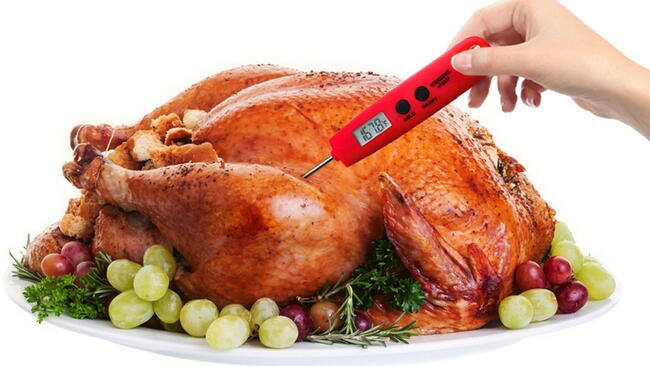
It’s important to have certain foods (especially meats) reach the right temperature for both safety and taste. For example:
- Beef burgers: 3 to 5 minutes per side on high heat until 160°F internal temperature for medium
- Steaks (¼ to ½ inch thick) such as flank and New York strip: 3 to 5 minutes per side on medium-high heat until 145°F internal temperature
- Steaks (1 to 1½ inches thick) such as rib-eye and porterhouse: 3 to 5 minutes per side on medium-high heat, then 4 to 6 minutes indirect heat (covered) until 145°F internal temperature
- Chicken breasts (boneless, skinless): 5 to 6 minutes per side on medium heat until 165°F internal temperature
- Chicken cutlets: 2 to 3 minutes per side on medium heat until 165°F internal temperature
- Chicken thighs (boneless): 4 to 5 minutes on medium heat, turning once, until 165°F internal temperature
- Turkey burgers: 5 to 7 minutes per side on medium heat until 165°F internal temperature
- Pork chops (1/2 to 1 inch thick): 3 to 5 minutes per side for bone-in, and 2 to 5 minutes per side for boneless, on medium-high heat until 145°F internal temperature
- Sausage links: 10 to 15 minutes, turning occasionally, at medium-high heat until (for pork) 145°F internal temperature or (for chicken)165°F internal temperature
The grill hand test is a simple and practical way to check grill temperature without a thermometer. By counting seconds and using a temperature chart, you can safely estimate heat levels and cook meat, poultry, and other foods more effectively.
Whether you’re camping, barbecuing, or grilling at home, this easy method helps you cook with confidence and achieve better results every time.
Here are 10 grilling tips from the pros to ensure the most mouthwatering taste—including delicious recipes for the grill!

More Like This


Comments