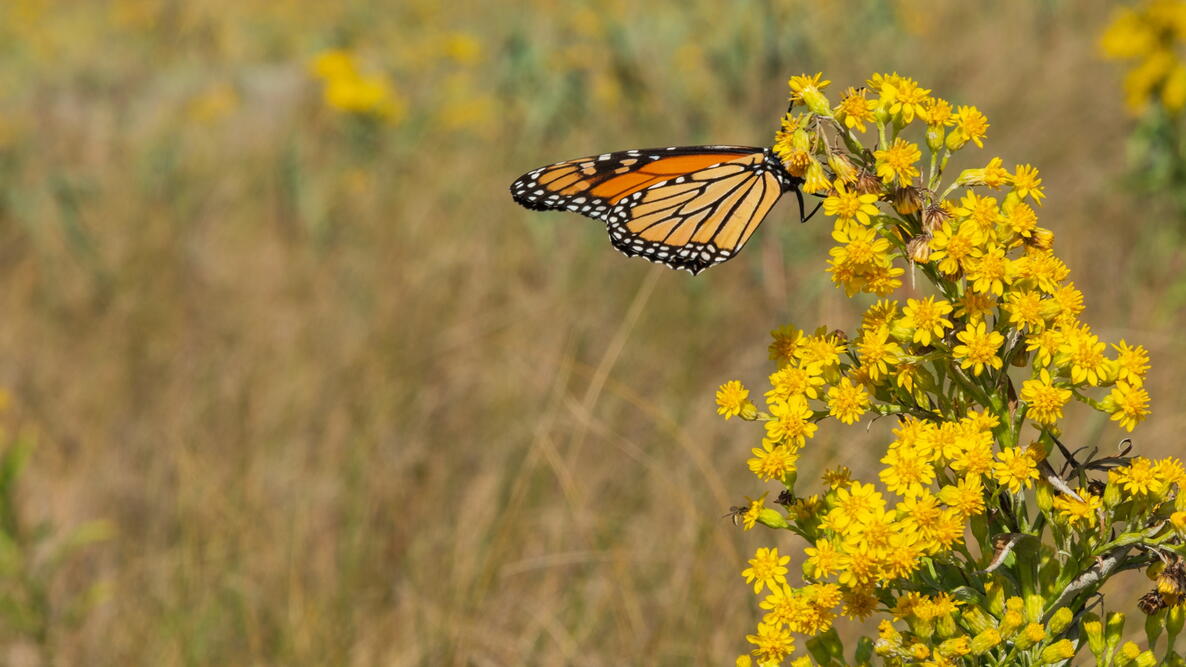

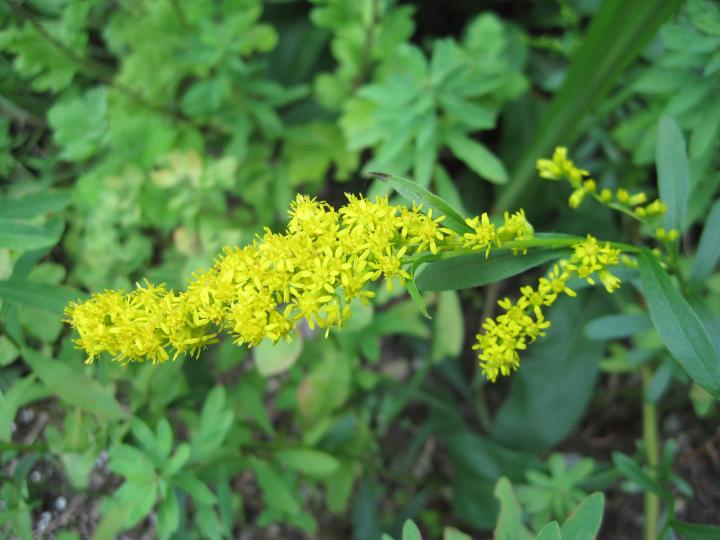
In late summer and fall, goldenrod puts on a brilliant golden show. But don’t blame this golden beauty for your allergies—that’s ragweed! Learn what goldenrod looks like, why this amazing American native is so important for pollinators, when it blooms, and even about its surprising role in the Boston Tea Party.
Would you be surprised to find that goldenrod was once so popular that it was in the running for America’s national flower? In 1918, a survey found that Americans’ favorite contenders were clover, columbine, daisy, and goldenrod. This was before native goldenrod acquired the erroneous reputation of being a cause of allergies. (Today, the rose is our national flower.)
Goldenrod Is NOT the Same as Ragweed
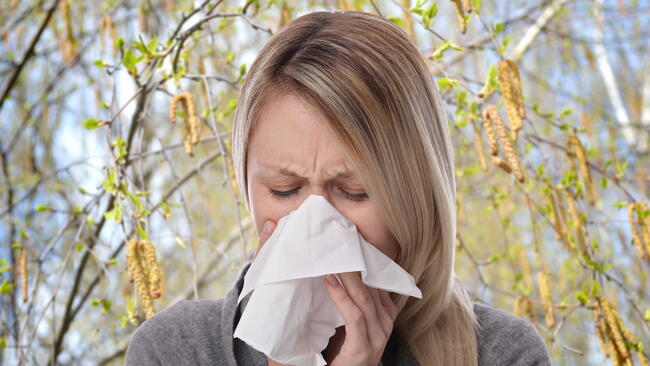
No, goldenrod does not cause most seasonal hay fever. Ragweed is the major culprit. Although goldenrod and ragweed bloom at about the same time and can grow in the same fields and gardens, they are very different plants.
A common misperception is that goldenrod (Solidago), a perennial flowering herb, is the cause of hay fever—but wind-pollinated plants are the source! The major culprit, ragweed (Ambrosia), happens to look similar and also shares the same flowering period as goldenrod, plus both flowers appear in open fields and backyard gardens, so goldenrod is often labeled guilty by association.
Goldenrod vs. Ragweed: How to Tell Them Apart
| Goldenrod | Ragweed | |
|---|---|---|
| Flowers | Bright yellow and showy | Small, greenish and inconspicuous |
| Pollination | Insects | Wind |
| Pollen | Heavy and sticky | Lightweight and airborne |
| Attracts pollinators? | Yes | No |
| Commonly associated with hay fever? | No | Yes |
What Does Goldenrod Look Like?
Goldenrod puts on a show to attract pollinating insects, which then spread its pollen. Consequently …
- Its pollen grains are large, heavy, and sticky, so that they will attach to the insect bodies.
- This means that the grains weigh too much to become readily airborne, so it’s not goldenrod pollen that’s floating in the air toward your nose and eyes. Conversely, ragweed pollen tends to be small and buoyant, so it can be carried airborne by the gentlest breeze.
But since it’s often goldenrod’s flowers that we see through our watery eyes (in between sneezes!), this beautiful flower gets the blame. Many allergy-prone gardeners unnecessarily go to great lengths to avoid goldenrod. What a shame for this beneficial plant!
Learn how to grow goldenrod in your garden.
What Does Ragweed Look Like?
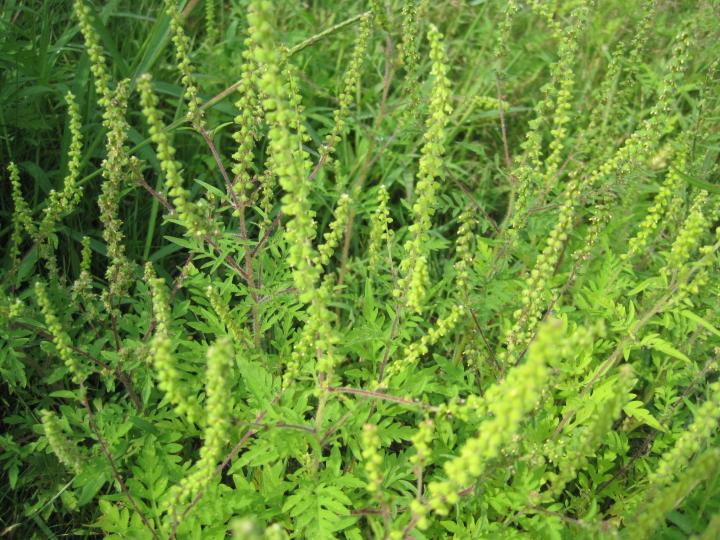
Ragweed’s drab flowers often go unnoticed. The flowers do not contain any nectar and have no need to be attractive to insects because the wind does the work of spreading its lightweight pollen for miles. Seen under a microscope, these tiny granules are studded with hooks. No wonder they cause so much discomfort to our itchy eyes and runny noses! A single plant can produce over a billion pollen grains.
When Does Goldenrod Bloom?
Goldenrod usually flowers from August or September through frost, carrying the garden from summer to fall. Its late-season bloom is one reason why it’s such an asset to the garden, adding golden color when many other flower colors have faded.
Why Is Goldenrod Good for Pollinators?
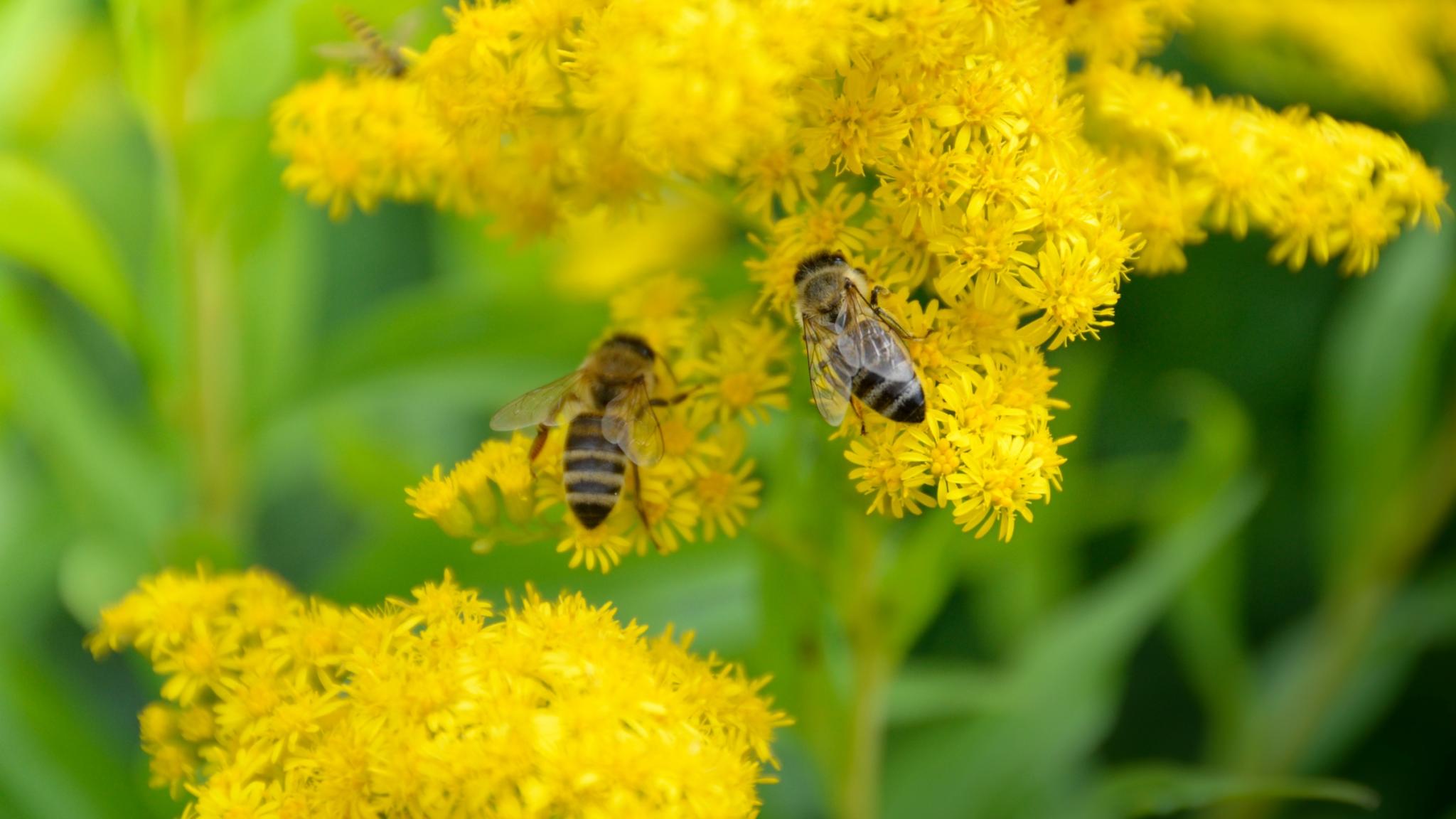
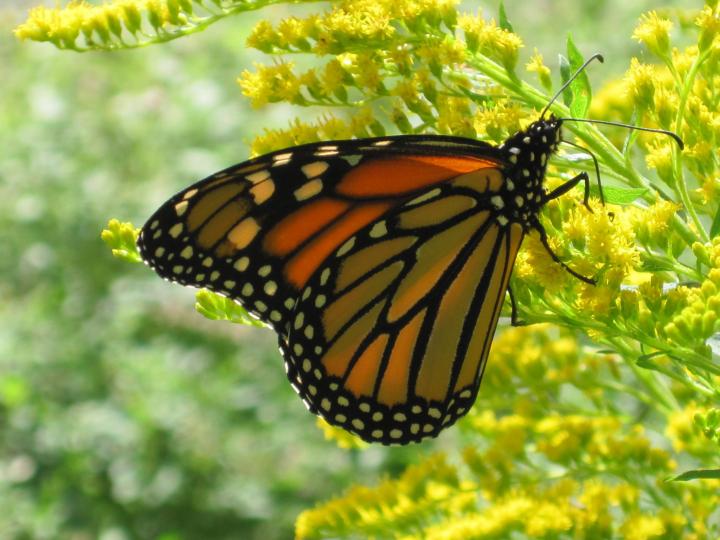
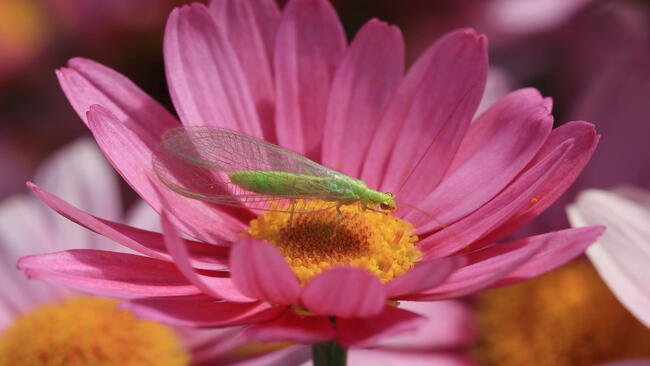
An important source of nectar for so many pollinators—such as butterflies and native bees—goldenrod is especially crucial to the winter survival of many honeybees. Its pollen adds considerable amounts of protein, fats, and minerals to the late-season diet of the bees. Goldenrod also hosts a huge variety of insect herbivores, such as beneficial spiders and insect predators like praying mantids, lacewings, assassin bugs, and ambush bugs.
Goldenrod also produces seeds that birds, including goldfinches, grosbeaks, and nuthatches, love. Other birds—especially chickadees and downy woodpeckers—like the energy-rich larvae hidden in goldenrod galls (which are also hosts to other insects, from moths to flies).
Goldenrod and the Boston Tea Party
After the Boston Tea Party, goldenrod tea became known as “liberty tea” and was imbibed by colonists instead of traditional tea as a protest against British taxation.
Frequently Asked Questions
Does goldenrod cause allergies?
No. Goldenrod is generally not the main cause of seasonal hay fever. Its pollen is relatively heavy and sticky and is primarily carried by insects, rather than floating easily through the air. Ragweed, which blooms around the same time, is a much more common source of airborne pollen.
What does goldenrod look like?
Goldenrod is a perennial plant with clusters or sprays of small, bright yellow flowers. Depending on the species, the flowers may form arching sprays, flat-topped clusters, or upright spikes.
When does goldenrod bloom?
Goldenrod typically blooms from August or September through frost, making it an important late-season source of nectar for pollinators.
Is goldenrod good for pollinators?
Yes. Goldenrod provides valuable late-season nectar and pollen for butterflies, native bees, and other insects. Its seeds are also eaten by birds.
Is goldenrod native to North America?
Yes. Goldenrod is a native North American plant, with many species found throughout the continent.
Is goldenrod edible?
Goldenrod has been used traditionally in teas and herbal preparations, but people should use caution with medicinal claims and consult an appropriate health professional before using herbs for health purposes.
Add some goldenrod to your garden for good fall color, reflecting the late-summer sun. The brilliant yellows combine well with other late-summer bloomers like white Boltonia, purple liatris, pink coneflowers, blue asters, and rosy Joe-Pye weed. They also blend well with their composite cousins, including coreopsis, gaillardia, and helenium!
More Like This

Comments