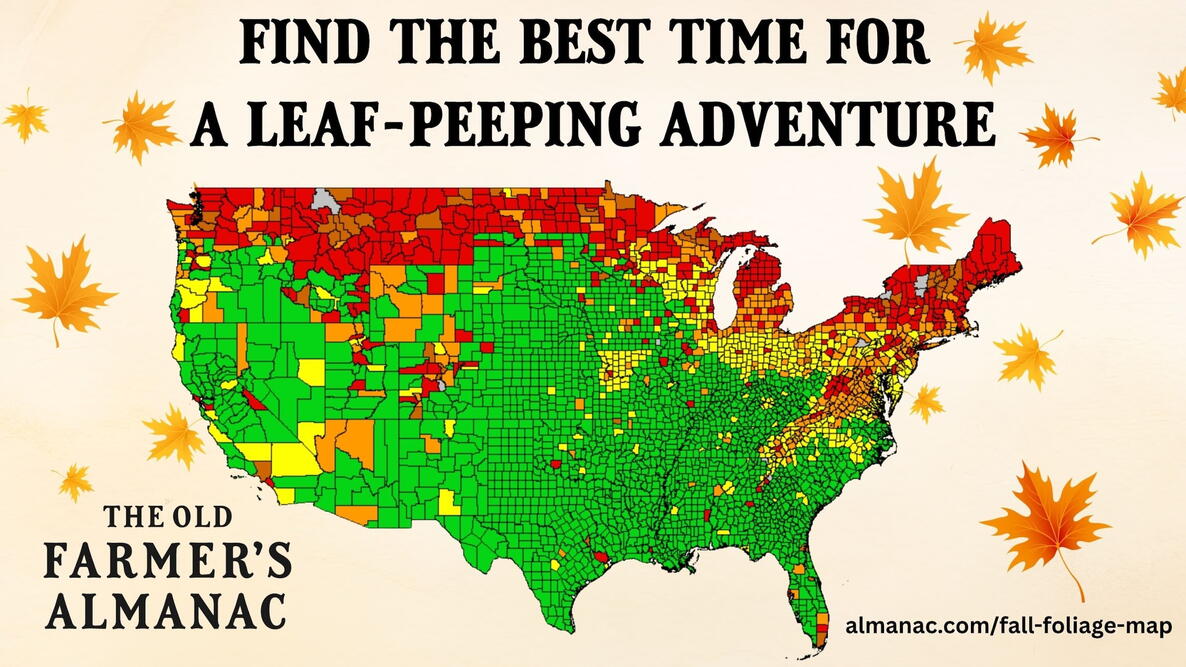

Planning a fall getaway in 2026? Use our Fall Foliage Map and Forecast to see when leaves are expected to reach peak color near you—and time your trip for the brightest show.
Whether you’re planning a scenic drive through New England, a leaf-peeping trip to the Great Smoky Mountains, or an autumn weekend closer to home, you’ll find expected peak timing, regional forecasts, and practical planning tips to help you make the most of the season.
Fall Foliage Timeline
The interactive Fall Foliage Map shows when peak leaf season typically reaches different parts of the United States, based on observed foliage patterns. Move the slider week by week to explore how fall color progresses across the country and plan the best time to visit.
Fall Foliage Progress
- Green — No Change
- Yellow — Early Color
- Orange — Near Peak
- Red — Peak
- Rust Orange — Fading
- Gray — Leaves Fallen
2026 Fall Foliage Forecast
Every autumn is unique—but the season follows familiar patterns.
Based on historical foliage patterns, the best leaf-peeping in 2026 is expected to begin in late September in northern states and higher elevations before gradually moving south through October and into early November. The interactive map above illustrates this typical seasonal progression and helps you plan your trip.
Even in a typical year, Mother Nature has the final say. Temperature, rainfall, and early frosts can shift peak color by several days and influence how brilliant the display becomes. As your trip draws closer, check local foliage reports to catch the leaves at their best.
Planning Highlights
- Peak fall color typically unfolds from late September through early November.
- Northern states and higher elevations usually reach peak color first.
- Most destinations are expected to see peak color close to their historical averages.
- Weather can shift peak timing by several days and influence color intensity.
- Use the regional forecasts below to help plan your trip.
Peak Fall Color by Region
Use this quick guide to compare typical peak timing across the country before exploring the detailed regional forecasts below.
| Region | Typical Peak | Top Destinations |
|---|---|---|
| New England | Late September–October | Acadia National Park (ME), Kancamagus Highway (NH), Green Mountains (VT) |
| Mid-Atlantic | Mid- to Late October | Adirondack Mountains (NY), Pennsylvania Grand Canyon (PA), Shenandoah National Park (VA) |
| Great Lakes & Midwest | Late September–Late October | Pictured Rocks National Lakeshore (MI), North Shore (MN), Ozark Mountains (MO) |
| Southern Appalachians | Mid-October–Early November | Great Smoky Mountains National Park (TN/NC), Blue Ridge Parkway (VA/NC) |
| West | Mid-September–October* | Maroon Bells (CO), Mount Nebo Loop (UT), Columbia River Gorge (OR/WA) |
*Peak timing varies widely across the West depending on elevation and latitude.

Regional Fall Foliage Forecasts
Every autumn is a little different, but the season follows familiar patterns. Explore the regional forecasts below to help choose the best time to visit your favorite fall destinations.
New England
One of the first regions in the United States to reach peak fall color, New England has a leaf-peeping season that generally runs from late September through late October.
Maine: More than a decade of foliage reports show that peak color has remained remarkably consistent. Color typically arrives in northern Maine in late September, reaches the central and western mountains during the first week of October, and spreads to coastal and southern Maine by mid- to late October.
New Hampshire: Peak color generally runs from late September through mid-October. Leaves begin changing in the Great North Woods, sweep through the White Mountains in early to mid-October, then reach the Lakes Region and Monadnock Region later in the month. The Kancamagus Highway is one of the country’s best-known fall foliage drives.
Vermont: The fall leaves begin to turn in the Northeast Kingdom and higher elevations in late September before spreading through central Vermont and the Champlain Valley in early to mid-October. Green Mountain National Forest and Route 100 are favorite destinations for brilliant displays of red maples, golden birches, and bronze beeches.
Planning Tip: If your travel dates are fixed, choose your destination—not your dates. Different parts of New England reach peak color at different times, with higher elevations typically peaking before lower ones.
Mid-Atlantic
The Mid-Atlantic follows New England into peak fall color, with the season gradually advancing from north to south through October.
New York: Color first appears in the Adirondacks in late September before gradually working its way south through October, often lingering into early November in New York City and on Long Island. Popular destinations include the Adirondacks, Catskills, and Hudson Valley.
Pennsylvania: Leaf-peeping season begins in the northern forests and higher elevations in late September before spreading across the state through October. Popular destinations include Allegheny National Forest and the Pennsylvania Grand Canyon (Pine Creek Gorge).
Virginia: The season gets underway in the Blue Ridge Mountains during mid-October before extending eastward through the end of the month. Shenandoah National Park usually reaches its brightest colors between October 10 and 20.
Planning Tip: Peak color gradually moves south across the region, while mountain destinations typically reach their best color before nearby valleys.
Great Lakes & Midwest
Across the Great Lakes and Midwest, autumn color spreads throughout October, although timing varies from state to state.
Michigan: Leaves begin changing in the Upper Peninsula in late September before sweeping through the northern Lower Peninsula in early October and reaching southern Michigan by late October. Popular destinations include M-22 Scenic Drive, the Huron-Manistee National Forests, and the Tunnel of Trees.
Wisconsin: Northern Wisconsin is the first to reach peak color in late September, followed by central Wisconsin in mid-October and southern counties later in the month. Door County and the Northwoods are among the state’s most popular fall destinations.
Minnesota: The season starts along the North Shore and in northern Minnesota in late September before gradually making its way south through October. Popular destinations include the North Shore and the Boundary Waters Canoe Area Wilderness.
Ohio: Peak color arrives in northern and central Ohio by mid-October before continuing into southern Ohio later in the month. Popular destinations include Cuyahoga Valley National Park and Hocking Hills.
Missouri: Autumn leaves begin to change color in northern Missouri in mid-October before spreading into the Ozark Mountains by late October and early November. Popular destinations include Mark Twain National Forest, the Ozark Highlands Trail, and Glade Top Trail.
Planning Tip: If you’re planning a road trip, you’ll usually find the best color by traveling north to south as the season progresses.
Southern Appalachians
The Southern Appalachians enjoy one of the country’s longest fall foliage seasons, with elevation playing a major role in when peak color arrives.
Great Smoky Mountains: Peak fall color typically begins on the highest peaks in early October before gradually descending to the lower elevations through late October and into early November. Popular destinations include Kuwohi (formerly Clingmans Dome), Newfound Gap, Cades Cove, and the Roaring Fork Motor Nature Trail.
Tennessee: Autumn leaves begin to change in the highest elevations of East Tennessee in late September before gradually working their way down the mountains through October. Middle and West Tennessee typically enjoy the brightest displays from late October into early November.
North Carolina: Fall color begins at the highest elevations in late September before gradually cascading down the Blue Ridge Mountains through October and into the foothills by early November. Popular destinations include the Blue Ridge Parkway, Asheville, and Grandfather Mountain.
Planning Tip: In the Southern Appalachians, timing depends more on elevation than the calendar. Higher elevations peak first, while valleys often continue showing color for several weeks afterward.
West
Fall color arrives earliest in the mountains of the West, with timing varying widely by elevation and location.
Colorado: In Colorado’s Rocky Mountains, peak fall color generally arrives from mid-September through mid-October, with higher elevations changing first. Maroon Bells and the Million Dollar Highway are among the state’s classic fall destinations.
Utah: Fall color typically begins in mid-September at higher elevations before continuing through October. Logan Canyon Scenic Byway, Mirror Lake Highway, and Mount Nebo Loop are renowned for golden aspens and colorful maples.
Oregon: October is typically the heart of Oregon’s fall color season, with mid-October often bringing the brightest displays. Mount Hood, Willamette, and Deschutes National Forests all offer outstanding autumn scenery.
Washington: Fall color generally develops during September and October, with mountain larches turning first and lower-elevation maples reaching their best color later in the season. Gifford Pinchot and Olympic National Forests are two of the state’s premier fall destinations.
Planning Tip: Elevation has a greater influence on fall color in the West than almost anywhere else. Nearby destinations can reach peak weeks apart, so check local foliage reports before you travel.
Fall Foliage FAQs
When is peak fall foliage in 2026?
The best leaf-peeping is expected to begin in late September in northern states and higher elevations before gradually moving south through October and into early November. Use the Fall Foliage Map above to explore expected peak timing across the country.
How long does peak foliage last?
Peak fall color usually lasts about one week in a given location, although weather conditions can shorten or extend the viewing window. Planning a leaf-peeping trip during that window offers the best chance to enjoy the brightest fall colors.
What affects the timing of peak foliage?
Weather plays the biggest role in both the timing and brilliance of fall leaves. Sunny days, cool nights, adequate rainfall, and the absence of strong winds often produce the brightest displays, while drought, heavy rain, or an early frost can shorten the season or reduce color intensity.
Does elevation affect peak fall color?
Yes. Higher elevations cool sooner in autumn, so they generally reach peak fall color before nearby valleys. That’s why mountain destinations often begin changing before surrounding lower elevations.
Is fall foliage better in the morning or afternoon?
For photography, morning light creates softer colors and less glare, while late afternoon light adds warmth and depth to reds, oranges, and golds. For the brightest colors, visit on a clear, calm day.
What will fall colors be like in 2026?
Most regions are expected to experience near-average peak fall color in 2026. However, late-summer and autumn weather will ultimately determine exactly when fall leaves reach their brightest colors.
Is climate change affecting fall foliage?
Scientists and land managers have observed that warming temperatures are beginning to influence fall foliage in some regions. While historical peak timing remains a reliable planning guide, warmer autumns and more frequent weather extremes may affect when fall leaves change color, how long peak color lasts, and how vibrant the display becomes. Learn more: Rise and Fall of Foliage.
What is fall foliage?
Fall foliage is the seasonal color change of deciduous tree leaves during autumn. As daylight decreases and temperatures cool, fall leaves turn brilliant shades of yellow, orange, and red before falling for the winter. Learn more: Why Do Leaves Change Color in Fall?.
Planning Your Fall Trip?
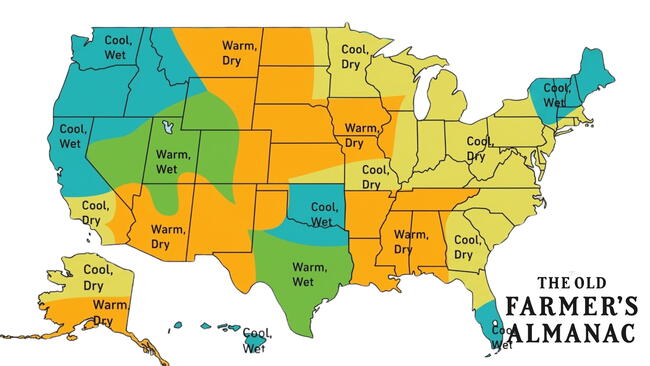
Planning your route? Explore The Old Farmer’s Almanac 2026 Fall Weather Forecast for a broader look at expected temperature and precipitation patterns that could influence fall foliage across the country.

More Like This

- « Previous
- 1
- 2
- …
- 10
- Next »

Comments