How to Grow Sage: A Flavorful Guide to Planting, Harvesting, and Using This Classic Culinary Herb

Caption

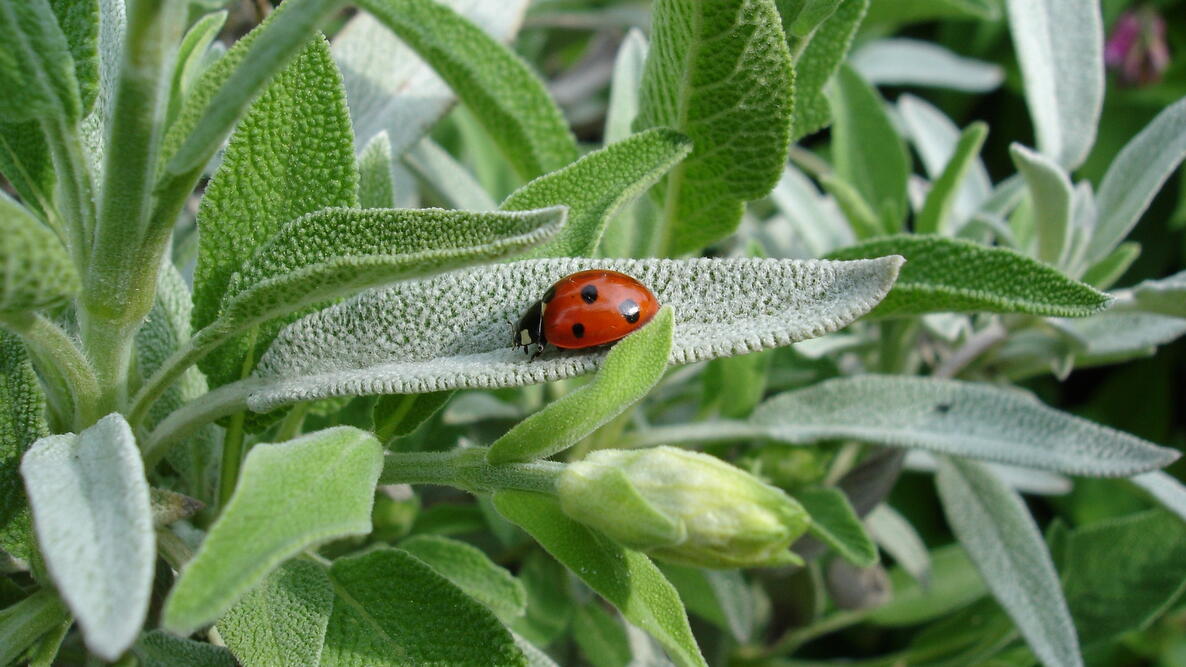
Sage is a useful herb that can be easily grown in your garden.

Botanical Name
Salvia officinalis
Plant Type
Sun Exposure
Bloom Time
Flower Color
Hardiness Zone
Special Features
Subhead

Discover how to plant, grow, and harvest garden sage—an aromatic, easy-to-grow herb.

Written By: Catherine Boeckmann Executive Digital Editor and Master Gardener

If your kitchen had a signature scent, sage might just be it. This aromatic herb brings cozy comfort to every dish it touches—especially that Thanksgiving stuffing everyone asks you for the recipe to. Luckily, garden sage isn’t just delicious; it’s delightfully easy to grow. Whether you’re seasoning your Sunday roast or adding a pop of green to your garden, here’s how to plant, care for, and harvest this time-tested kitchen staple.

About Sage

Sage is a hardy perennial with pretty, grayish-green leaves that are as good in a perennial border as they are in a vegetable garden. It grows spikes of spring flowers in different colors, including purple, blue, white, and pink. According to Rosie Lerner from Perdue, “If left to flower, sage will produce blue blooms that attract butterflies, but this leaves less oil content translating to reduced flavor in the leaves.” See more flowers that attract butterflies!

Buy Seeds Now

Note: Not all sage varieties are culinary; the most popular kitchen sage is called Salvia officinalis. The origin of the Salvia name speaks to this herb’s age-old medicinal value from the Latin salvus, “to save,” and salvere, “to heal”. Sage contains antioxidants that help reduce the risk of serious health conditions like cancer. It’s also rich in vitamin K, which aids the body in clotting blood.

Planting

How to Plant Sage

  • Plant sage in full sun.
  • Sage should be planted in well-draining soil; it won’t tolerate sitting in wet soil.
  • The easiest and best way to start sage is from a small plant. Set the plants 2 feet apart.
  • You can also sow seeds up to 2 weeks before the last frost date. (See local frost dates.) Plant the seeds/cuttings in well-draining soil 1 to 2 weeks before the last spring frost.
  • For best growth, the soil should be between 60º and 70ºF.
  • Plants should reach between 12 and 30 inches in height.
  • In the garden, plant near rosemary, cabbage, and carrots, but keep sage away from cucumbers.

Growing

How to Grow Sage

  • Be sure to water the young plants regularly until they are fully grown so that they don’t dry out. They’ll need a consistent moisture supply until they start growing quickly.
  • Prune the heavier, woody stems every spring.
  • It’s best to replace the plants every few years so they remain productive.
  • You can grow sage from cuttings!

sage plant

Harvesting

How to Harvest Sage

  • Pinch off leaves or snip off small sprigs from the plant.
  • During the first year, harvest lightly to ensure that the plant grows fully.
  • After the first year, be sure to leave a few stalks so that the plant can rejuvenate in the future.
  • If fully established, one plant can be harvested up to three times in one season.
  • Stop harvesting in the fall so the plant can prepare for winter.

How to Store Sage

  • Sage’s flavor is best when fresh, but it can be stored frozen or dried.
  • To dry, hang sprigs in a shady, well-ventilated area and allow them to air dry, waiting until the leaves crumble easily to store in tightly lidded jars.
  • Sage keeps its flavor better if stored in the freezer. Freeze leaves or stalks on a tray, then move the leaves into a zippered bag or container. Some cooks blend the leaves with oil, pack the ground mixture into ice cube trays to freeze, and then transfer the cubes to a container.

Pests/Diseases

Wit and Wisdom

  • Anyone who has sage planted in their garden is reputed to do well in business.
  • Susan Mahr of the University of Wisconsin–Madison tells us, “Sage is often mentioned as the herb of immortality, domestic virtue, health, and wisdom. Sage was a sacred ceremonial herb of the Romans. It has been cultivated for both culinary and medicinal purposes for many centuries in Europe.”
  • For other greens to use in your cuisine, see the Leafy Greens: Health Benefits page.

Cooking Notes

A great way to incorporate the healing benefits of sage is “Sage Butter.” With two ingredients and 5 minutes, you have an amazing herbal butter that’s wonderful on sweet potatoes, chicken, tossed vegetables, fried eggs, toast, popcorn, and whatever you wish!

In the video below, herbalist Patty Sanders shows us how to make sage butter—and also talks all about the healing benefits of sage. 

About The Author
Catherine Boeckmann

Catherine Boeckmann

Executive Digital Editor and Master Gardener

Catherine Boeckmann is the Executive Digital Editor of Almanac.com, the website companion of The Old Farmer's Almanac. She covers gardening, plants, pest control, soil composition, seasonal and moon c...