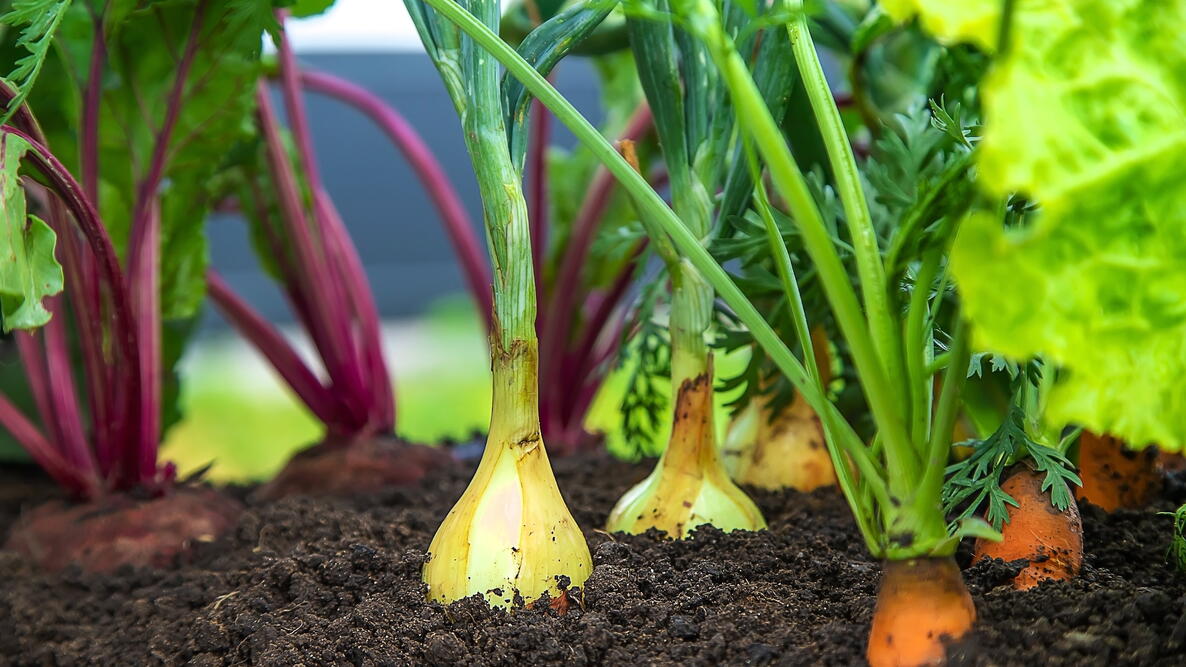

Carrots are easy-to-grow veggies that thrive in roomy planters, raised beds, and in-ground gardens when the weather is cool and the sun is bright. But if you grow them with the right companion plants, you can increase harvest yields, flavor, and crop health. Here are 10 of the best companion plants for carrots, plus a few partners that just don’t mix.
Key Takeaways
- The best companion plants for carrots are other cold-hardy veggies that share similar care requirements: alliums, radishes, rosemary, legumes, and marigolds.
- Companion planting offers benefits such as reducing carrot flies, enriching the soil, squeezing more veggies into a small area, or adding extra beauty.
- Carrots should not be planted with potatoes, dill, celery, or parsnips.
Benefits of Companion Planting for Carrots
Companion plants are plants that benefit each other’s growth in some way when they’re planted in proximity to each other. Some pairings also improve the flavor of edible crops, attract beneficial insects, or reduce pests.
The best carrot companion plants are other cold-hardy veggies that share similar care requirements, making them easy to grow side by side. These plant pairings offer even more benefits, such as reducing carrot flies (and other pests) or enriching the soil so carrots grow better.
You can even use companion planting to squeeze more veggies into a small area, or add extra beauty to your carrot patch with flowering plant companions!

Companion Plants for Carrots
Carrots are relatively undemanding crops that grow well with many vegetables and flowers. There are some plant pairings that are particularly effective at naturally reducing garden pests and increasing harvest yields. Here are some of the best carrot companion plants:
- Alliums (e.g., onions, chives, leeks, garlic, shallots, and scallions)
- Radishes
- Rosemary
- Legumes
- Marigolds
- Sage
- Leafy greens (e.g., lettuce, spinach, cabbage, kale, and bok choy)
- Oregano
- Beets
- Nasturtiums

If you’re wondering what to plant with carrots, these companion plants are some of the easiest and most effective choices.
Alliums
Onions, chives, leeks, garlic, shallots, scallions, and more—alliums are, hands down, some of the best companion plants for most veggies, including carrots. Not only do alliums have the same basic care needs as carrots, but their root systems are so differently shaped that they don’t really compete with each other for soil space. Best of all, the strong scent of alliums is a powerful deterrent for many carrot pests, including carrot flies, aphids, and carrot rust flies.

Radishes
Like carrots, radishes are cold-weather vegetables that sprout early in spring and grow best when the weather is chilly. However, radishes grow a little faster than carrots and can break up crusty soil, making it easier for carrot seedlings to germinate. These plants also grow well in gardens or deep planters and are excellent choices for small-space gardening.

Rosemary
Slugs, snails, and carrot flies hate the scent of rosemary and are less likely to interfere with carrots growing near rosemary plants. Rosemary also grows well in pots and small spaces. Potted rosemary plants can be easily slipped in and out of carrot patches as needed.

Legumes
Beans, peas, and other legumes are famous for their ability to fix nitrogen into the soil, which improves soil health over time and boosts fertility. When planted near carrots, legumes help fuel carrot root growth and potentially increase carrot harvests, too. While most legumes can be used for this purpose, peas are particularly good partners for carrots because they also thrive in cool spring and autumn weather.
Marigolds
Growing marigolds near carrots is an easy way to add a pop of color to your garden, but marigolds have other perks. These plants can be used as trap crops to draw slugs and thrips away from neighboring carrot crops. French marigolds can actually destroy nematodes if you till them into the soil after they’re killed back by frost.

Sage
Sturdy sage plants come back year after year to add scent and beauty to garden beds. They are also effective deterrents of carrot rust flies and can keep carrot crops pest-free and healthier over time.

Leafy Greens
Lettuce, spinach, cabbage, kale, bok choy, and other leafy greens thrive in the same cool weather and rich soil that carrots crave. Planting these veggies together is an effective way to fill up spring or autumn vegetable beds, and leafy greens can even keep weeds from intruding near your carrots. On top of that, leafy greens are relatively light feeders, and their shallow roots won’t interfere with the growth of long carrots!
Oregano
Many scented herbs are great for repelling pests, but oregano is especially effective at deterring a wide range of pests that target carrots. This herb also grows well in small spaces, and if you let it flower, it can brighten your veggie beds. Just keep in mind that oregano is a perennial and will take up permanent residence in your vegetable garden after planting.

Beets
Beets and carrots love the same things: cool weather, rich soil, and plenty of sun and moisture. Growing these plants together means you won’t need to baby your vegetable garden, as you can provide both plants with the same basic care. Beets also grow well in containers, as long as they’re deep enough!

Image credit: Kochabamba/Shutterstock
Nasturtiums
Bright orange nasturtium blooms look pretty beside carrots, but these versatile flowers also help deter aphids and can be used as a living mulch to keep weeds down. Nasturtiums and other flowering plants, such as calendula, sweet alyssum, and chamomile, also attract beneficial insects that feed on a variety of carrot pests.
Want to plan your whole garden? Browse our Companion Planting Chart to see the best plant pairings at a glance.
What Not to Grow with Carrots
Although carrots grow well with many veggies and herbs, there are some plant partnerships that just don’t benefit the growth of carrots or the plants they’re grown beside.
| Competitor | Why Avoid? |
|---|---|
| Potatoes | Heavy-feeding potatoes compete with carrots for soil nutrients. They can also interfere with the growth of carrot roots in the soil and lead to a stunted harvest. |
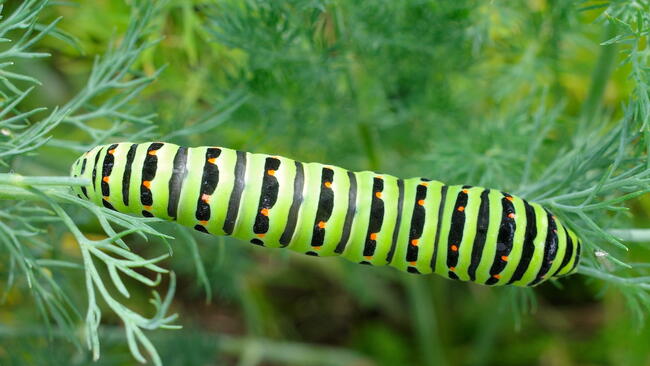
| Dill | Dill and carrots both belong to the Umbellifer family and are susceptible to the same pests. |
| Celery | Celery is also closely related to carrots, and pairing these plants together can increase the pest load in your garden. |
| Parsnips | As parsnips are related to carrots, they are susceptible to some of the same pests. Parsnips also take longer to grow than carrots, making it harder to harvest and succession plant carrots. |
FAQ
What Grows Well With Carrots?
Carrots grow well with most other root veggies, as well as scented herbs and leafy greens! Some of the best partners include: alliums, radishes, rosemary, legumes, and marigolds.

Are Tomatoes and Carrots Companion Plants?
Tomatoes and carrots can be grown together, but tomatoes require a lot of nutrients, and you may need to fertilize carrot crops more to make up for the nutrients tomatoes demand.
Can You Plant Carrots and Peppers Together?
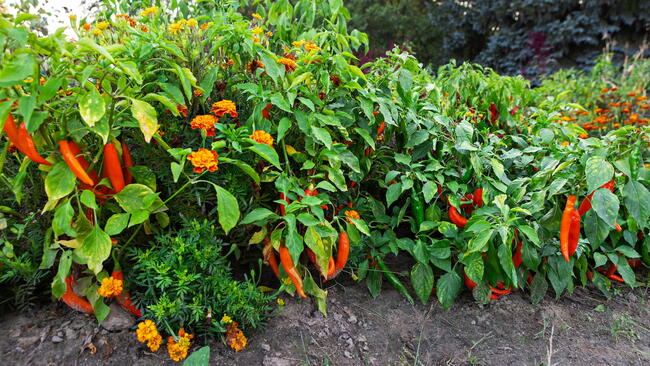
Carrots and peppers make fine plant partners, as long as you add a little fertilizer to compensate for the hungry demands of heavier-feeding peppers.

More Like This

Comments