Planting, Propagating, and Caring for the Sweet Potato Vine
Written By:Carol ConnareEditor-in-Chief, The Old Farmer's Almanac
Sign up for daily gardening advice and tips
Sweet potato vine is a beautiful and versatile ornamental plant with cascading foliage that comes in a variety of colors.
This tender perennial is easy to care for—and a favorite among gardeners for its ability to add drama and color to containers and garden beds.
Learn everything you need to know about planting, propagating, and caring for sweet potato vines.
About Sweet Potato Vines
Gardeners everywhere have a sweet spot for sweet potato vines. Their lush, leafy, vividly colored trailing vines fall as much as 10 feet and add contrast, cover, and “kick” to container arrangements.
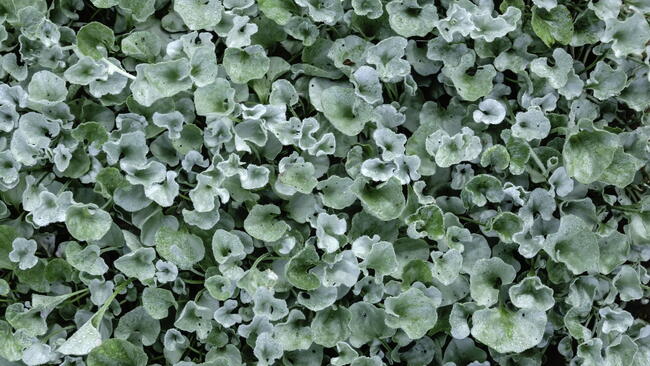
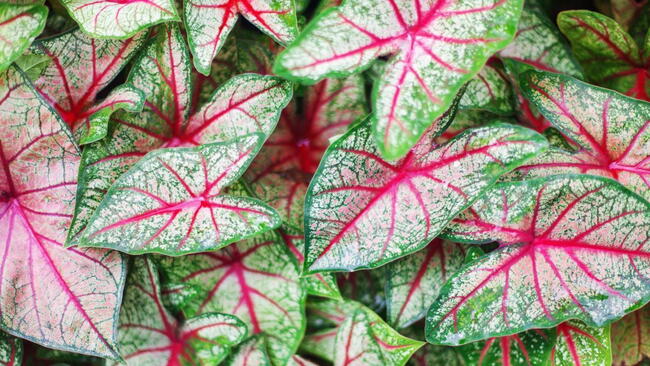
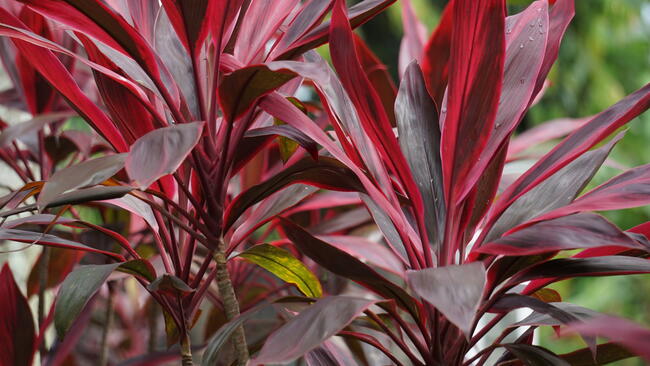
Ornamental cultivars have been bred for visual appeal, not growers’ appetites. These sweets are eye candy: their foliage colors range from burgundy to nearly black, chartreuse, deep purple, and light green to red, variegated (green with pink or white), and yellow.
Their leaves can take on exotic forms, including three-lobe, heart-shaped, and maple-leaf-reminiscent shapes.
These cousins of the morning glory (Ipomoea purpurea) occasionally produce small, trumpet-shaped flowers that are insignificant. At first frost, the plants go dormant.
Don’t confuse this plant with the edible sweet potato, the root vegetable. Although sweet potato vine root tubers can be eaten, consumption is not advised, as their taste is variously described as bitter, starchy, and unsatisfying.
Sweet potato vine is a tuberous-rooted tender perennial native to tropical America. It is winter-hardy in Zones 9 to 11 and grown as an annual elsewhere.
Sweet potato vines thrive in full or partial sun, so make sure you choose a nice sunny spot in your garden. The more sun they have, the more vibrant the foliage colors will be.
They require well-draining, nutrient-rich soil which is slightly on the acidic to neutral side, ideally between 5.5 and 7.0).
These vines do well in borders, containers, or directly in garden beds. If you’re using a container, make sure it has plenty of drainage holes.
How To Plant
After all danger of frost has passed and daytime temperatures are consistently above 50°F, plant in a potting mix amended with compost and/or aged manure; ornamental sweet potato vines are relatively heavy feeders. Add a slow-release balanced fertilizer.
You can either plant from seed, or by using a cutting from another plant. Cuttings and propagating are the most popular ways of planting.
Propagating Sweet Potato Vines
Purchasing tubers in the spring or overwintering them in a dry medium such as vermiculite or peat is each an option. When eyes appear, cut the tubers into pieces, with at least one eye per piece.
Alternatively, in early spring, poke three or four toothpicks into the middle (waist) of a sweet potato. Then, suspend it on the toothpicks in a glass of water so that it is halfway submerged. It is ready for planting when sprouts appear. This is very similar to growing an avocado tree.
Plants can also be started from cuttings. Take a vine cutting and remove the foliage, except for a few leaves at the top. Place the cutting in water. Roots will form at the leaf nodes. The cutting is ready to plant when a small clump of roots appears.
Planting From Seed
Sweet potato vines aren’t often grown from seed because they don’t flower reliably, so the seeds are hard to source. Also, many varieties are sterile.
Nevertheless, if you do find seeds, the easiest way to grow them is to sprinkle them on top of a starting mix, and then add a thin layer of starting mix on top.
Cover the container with plastic, keep the soil moist, and then store it in a warm place. Once you spot the seedlings coming through, move the container to a bright spot and harden them off before you transplant outside.
Growing
How to Care For Sweet Potato Vine
These plants are relatively easy to care for and don’t require much maintenance, just keep the following things in mind.
Light: Place in full or partial sun. Note that although plants are highly adaptable to varying light levels, foliage color is enhanced in the sun and diminished in the shade.
Soil: As mentioned above, these plants need moist, well-draining soil that leans slightly on the acidic side. Make sure the soil isn’t too wet through as they can be prone to root rot.
Water: Water to keep the soil evenly moist; excess moisture can cause root rot. Sweet potato vine can tolerate some drought, but if it wilts, watering it well should enable its recovery.
Fertilizer: Apply a balanced liquid fertilizer every 2 weeks if you want this plant to grow vigorously. You may find that they grow well enough without.
Temperature and Humidity: The best temperature for sweet potato vine is 75°F. If you live in a particularly hot area, they would do better in the shade. Whilst they do thrive in humid areas, this isn’t a requirement unlike other tropical plants.
Pruning
This is a fast growing plant that will definitely need pruning if you want to contain it to one area.
Sweet potato vines spread when leaf nodes that are in contact with the soil send down roots. This can create crowding and choke out neighboring plants. To prevent this, prune as needed.
Use a sharp pair of scissors or pruning shears to cut the stem around 1/4 inch above the leaf nodes. Be warned though—the more you prune, the more this plant will grow.
Repotting
Choose a new pot a few inches wider than your original pot, make sure it has plenty of drainage holes and fill with potting mix and compost.
Place the plant in the new container and fill around the roots. Water thoroughly and place the repotted plant in a sunny location.
Overwintering
The best way to overwinter sweet potato vines is through taking a cutting, follow the steps above for propagating.
Types
There are many types of sweet potato vines, and they vary in foliage color, size, and growth habits. Here are a few of the most popular ones:
Ipomoea batatas ‘Ace of Spades’: spade-shape, dark purple leaves.
I. batatas ‘Garnet Lace’: leaves emerge bright green, then turn deep red.
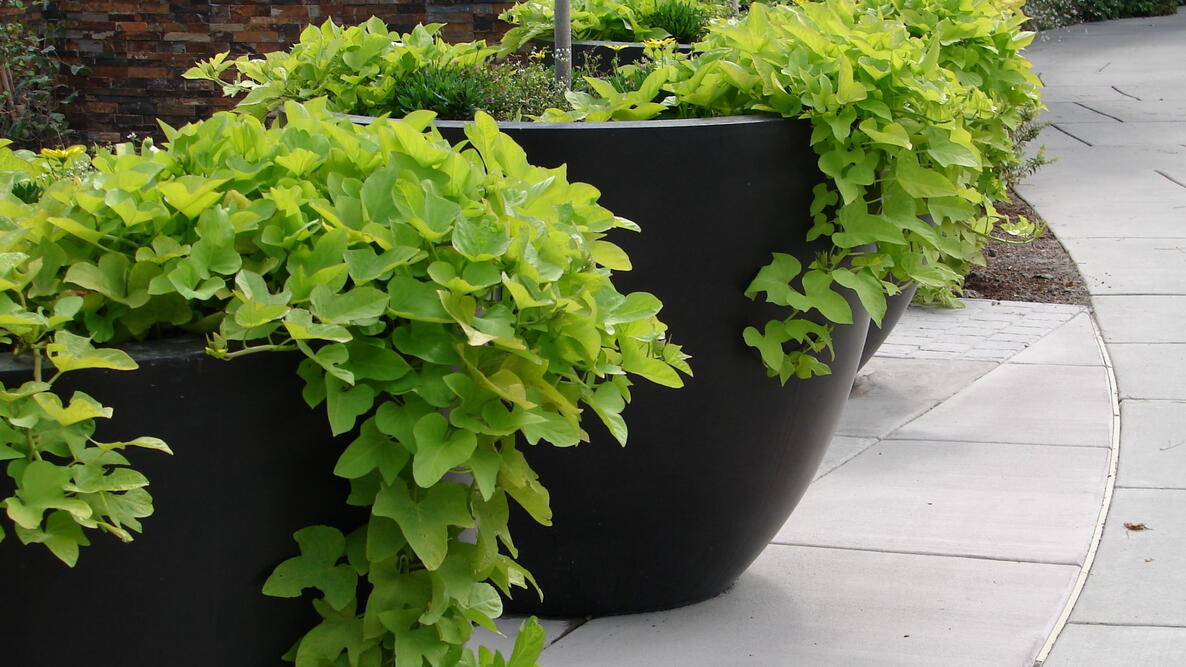
I. batatas ‘Goldfinger’: three-lobe, bright chartreuse leaves.
I. batatas ‘Lady Fingers’: deeply lobed, medium-green leaves with burgundy stems and veins.
I. batatas ‘Marguerite’, aka ‘Margarita’: graceful, cascading habit; lemon-lime or chartreuse foliage.
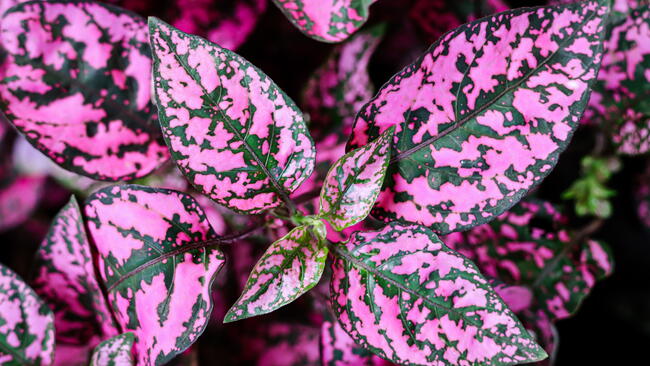
I. batatas ‘Pink Frost’, aka ‘Tricolor’: variegated green, pink, rose, and white foliage.
I. batatas Sweet Caroline series: generally smaller root systems; a variety of leaf colors.

Gardening Products
Pests/Diseases
There are a few pests that you need to look out for with this plant. It may not produce anything delicious for us, but for caterpillars, golden tortoise beetles, and aphids, the leaves are a feast.
The sweet potato is a symbol of good luck in many cultures.
The genus name is thought to come from the Greek words ips, for “worm,” and homoios, for “resembling”—referencing the way in which the plant spreads roots underground. The word batatas means “potato” in the indigenous Caribbean Taíno culture.
Carol Connare is the 14th Editor-in-Chief in the history of The Old Farmer’s Almanac (founded in 1792!), and the second woman to hold the title.As editor, Carol leads a team of talented writers and ed...
When I find sweet potato sprouting in the pantry in early spring, I just stick it in the dirt. The foliage is glorious all summer, and in the fall I get sweet potatoes. Winning!
Reply to comment
📣The Gardening Club Just Got Better! 3 Deliveries, 10% Store Discount, and more!
Comments