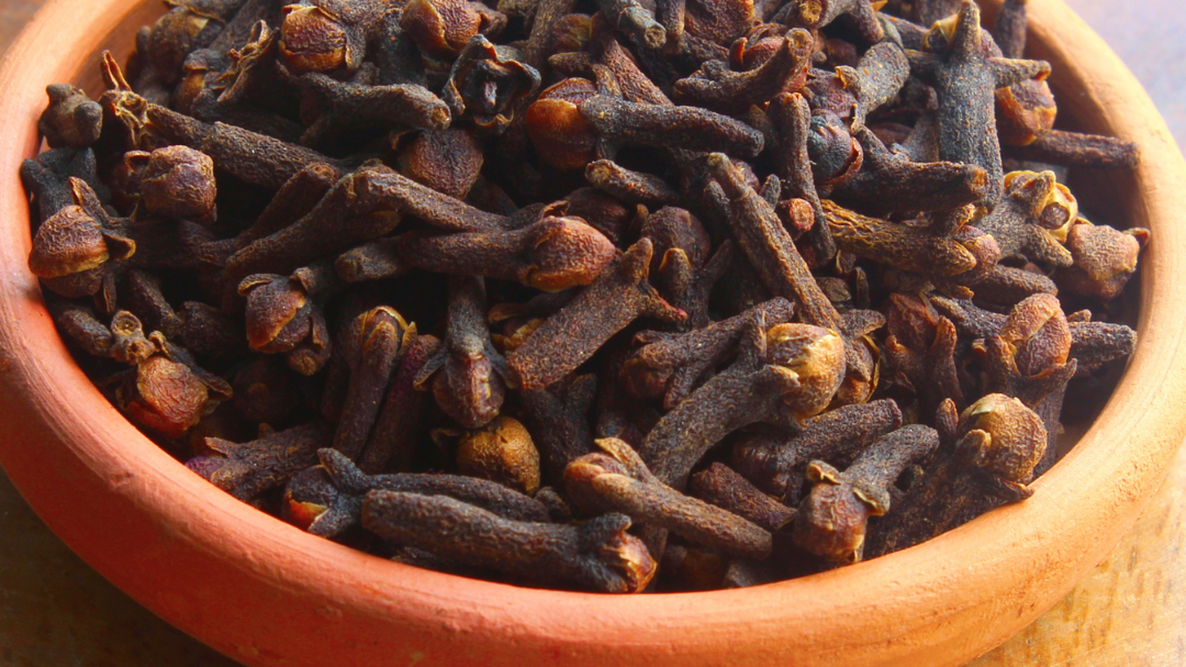

Warm, spicy, and bursting with aroma—cloves are more than just a holiday spice. These tiny dried flower buds have been treasured for centuries for their powerful health benefits, culinary versatility, and natural healing properties. From soothing toothaches to aiding digestion, cloves bring both flavor and wellness to your kitchen and your body.
When you think of cloves, what comes to mind? For me, it’s all about the holidays. We started a tradition of making gingerbread cookies every year for my son’s birthday, which is in December. We make the dough and roll it out on the kitchen table while our favorite Christmas tunes play in the background. As cookies plump in the oven, the smell of ginger and clove permeates the air. Something about that pungent scent mixed with the sugar connects us to the moment and to the tradition of celebrating my son and the holidays.
Clove is also a common ingredient in another holiday favorite: pumpkin. It is often used along with cinnamon and nutmeg in holiday dishes. Another fun tradition is pomander balls—oranges pierced by cloves.
In our American culture, we don’t think of cloves outside of holiday time; however, they are also an important herbal medicine to have on hand in any home.
What Are Cloves?
Cloves are the dried flower buds of Syzygium aromaticum, a tropical tree in the myrtle family. The tree is native to the Spice Islands, also known as Moluccas, in what is now Indonesia’s North Maluku Province.
After the 17th century, cloves began making their way onto the world trading stage. Archeological evidence shows they reached India by 1700 B.C. and southern Europe by the 1st century A.D.

Cloves became an important spice in Indian and Asian cuisine and remain so today. Cloves were coveted for both its aromatic properties and medicinal benefits.
In Indian cooking, cloves are often used in spice blends, with garam masala being one of the more popular. Garam masala is usually added near the end of cooking, seasoning the dish and adding aroma. Some additional garam masala may also be sprinkled on top of the dish.

While garam masala varies depending on the region of India and family tradition, common spices found in the blend are coriander, cumin, cardamom, clove, black pepper, cinnamon, and nutmeg. Variations may include turmeric, fenugreek, star anise, mustard seed, saffron, and more.
A Short History of Cloves
In this modern age, we take for granted the ability to buy just about any spice we want and have it at our disposal in our homes. See common baking spices and their history.
Spices were among the first commercial products to be traded over long distances. Cloves are part of this story that spans thousands of years before Christ.
Like many stories of trade and commerce throughout history, cloves carry the trauma of war and slavery brought about by greed. After many conflicts, the Dutch seized and controlled the Spice Islands for 350 years to control the clove trade. In doing so, they established plantations on the island of Ambon.
Sadly, once those plantations were functioning as planned, the Dutch soldiers began burning all clove trees in their native range of North Maluku. This devastated the local people, who had traditionally planted clove trees to commemorate the birth of each child.
Even with Dutch control, seeds were smuggled to other tropical regions in the 18th century. The trees were propagated in French and English colonies. Cloves became widely available and less expensive, breaking the Dutch monopoly. The North Maluku reclaimed clove as a part of their economy and culture.

10 Health Benefits of Cloves
Cloves are a potent natural remedy packed with antioxidants, anti-inflammatory compounds, and antimicrobial properties. Known for their ability to improve digestion, reduce pain, fight infections, and boost overall health, cloves have earned a place in both traditional medicine and modern wellness routines.
- Cloves are an incredible digestive remedy. This aromatic spice is known as a carminative, helping the body reduce gas and bloating.
- Clove is an excellent choice for nausea and even colic in infants (via breast milk).
- This herb can help ease vomiting, diarrhea, and belching.
- Cloves help to heal and protect the gastrointestinal lining, easing abdominal pain and gastric ulcers, along with soothing herbs such as marshmallows or calendula.
- Cloves can help treat fungal conditions, including Candida overgrowth in the body.
- Clove, which has antiseptic properties, can treat gingivitis, bad breath, toothaches, and even herpes lesions. Clove essential oil is found to strongly inhibit MRSA.
- Think of clove as a pain reliever. You can use the essential oil mixed with a carrier oil for a muscle rub. A small dab of the essential oil can be rubbed on the gums for tooth pain, as can chewing on a few cloves.
- Cloves are high in antioxidants, which means consuming this spice regularly can help fight free radicals and signs of aging.
- Cloves are also said to be anti-parasitic, specifically damaging the biofilm or outer protection of the parasite.
- Cloves can be a cough suppressant, helping the throat muscles relax.
Fun fact: Most of the world’s supply doesn’t go into recipes for the family table, but clove cigarettes!
| Health Benefit | How Cloves Help | Common Uses |
|---|---|---|
| Digestive Support | Acts as a natural carminative to reduce gas, bloating, and nausea | Add to teas, curries, or herbal tonics |
| Anti-Inflammatory | Contains eugenol, which reduces inflammation and pain | Use clove essential oil diluted as a massage rub |
| Oral Health | Fights bacteria that cause toothaches, bad breath, and gum issues | Found in toothpaste or chew a whole clove |
| Antioxidant Power | Rich in antioxidants that combat free radicals and aging | Include in daily diet or herbal teas |
| Immune Support | Helps the body resist infections and strengthens immunity | Use in soups, syrups, and immune-boosting tonics |
| Anti-Fungal Properties | Effective against Candida and other fungal infections | Infuse clove oil or add to herbal blends |
| Pain Relief | Provides natural numbing effects for sore muscles and headaches | Apply diluted oil topically or use in warm compresses |
| Respiratory Health | Soothes coughs and relaxes throat muscles | Brew clove tea for cold or flu relief |
| Skin & Wound Care | Antiseptic properties help heal minor cuts and prevent infection | Mix clove oil with carrier oil for topical use |
| Metabolic Health | May help regulate blood sugar and improve liver function | Add powdered clove to smoothies or golden milk |
Nutritional Value of Cloves
Cloves contain the nutrients below. They also contain a lot of manganese, which helps repair bones, make hormones, and act as an antioxidant.
- Magnesium
- Potassium
- Vitamin K
- Calcium
- Beta-carotene
Fun Ways to Bring Cloves Into Your Life
Tip: It’s better to keep whole cloves on hand than ground or powdered spice, which loses its potency much quicker.
- Do you ever get a stale smell from your vacuum when you turn it on? Jamie Oliver says to freshen up your vacuum bag, add some cloves.
- In my Medicine Woman program, I teach about the power of infusing vinegar for internal use. You can steep apple cider vinegar with cloves for 3 to 4 weeks. Once strained, this vinegar is an incredibly potent medicine that can be used in cooking or to add to the bath for sore muscles. This vinegar could also make a fun addition to a beverage or even something you could splash in your daily water for flavor and medicinal properties.
- I also love steeping our orange and lemon peels along with a few cloves in white vinegar to use as a cleaner in the house. It smells amazing and provides antibacterial and anti-fungal properties to the vinegar.
- I like to add cloves to olive oil and gently warm it over very low heat to infuse the medicine and scent of clove into the oil. This oil is amazing to be massaged into sore muscles.
- Cloves go into my elderberry syrup, which I make on a regular basis for our family to sip on or add to our water throughout the year.
- If I want the benefits of clove at the moment, making tea is my favorite way to receive them. Add two to three cloves to a teapot with other chosen herbs and steep for 5 to 10 minutes. Clove brings that warming and stimulating flavor and energy to any tea.
- You often see clove in toothpaste or floss flavors. Chewing on a clove is a fun way to freshen your breath naturally without using unnatural flavoring.

Health Precautions
I am an herbalist, not a medical doctor, and this article is not medical advice.
- Large amounts of clove should be avoided during pregnancy. Clove is a potent spice, and just like any herb, too much can cause issues. A small amount is enough to bring flavor and medicinal benefits.
- Like with any new herb used for medicinal purposes, consult with your healthcare provider to ensure clove will not interfere with medications or any healing protocol.
- When using clove topically, start with a very small amount and wait to see if there is any irritation before using larger amounts. It is possible to be allergic or sensitive to any herb.
Learn more about the fascinating world of healing herbs!

More Like This

Comments