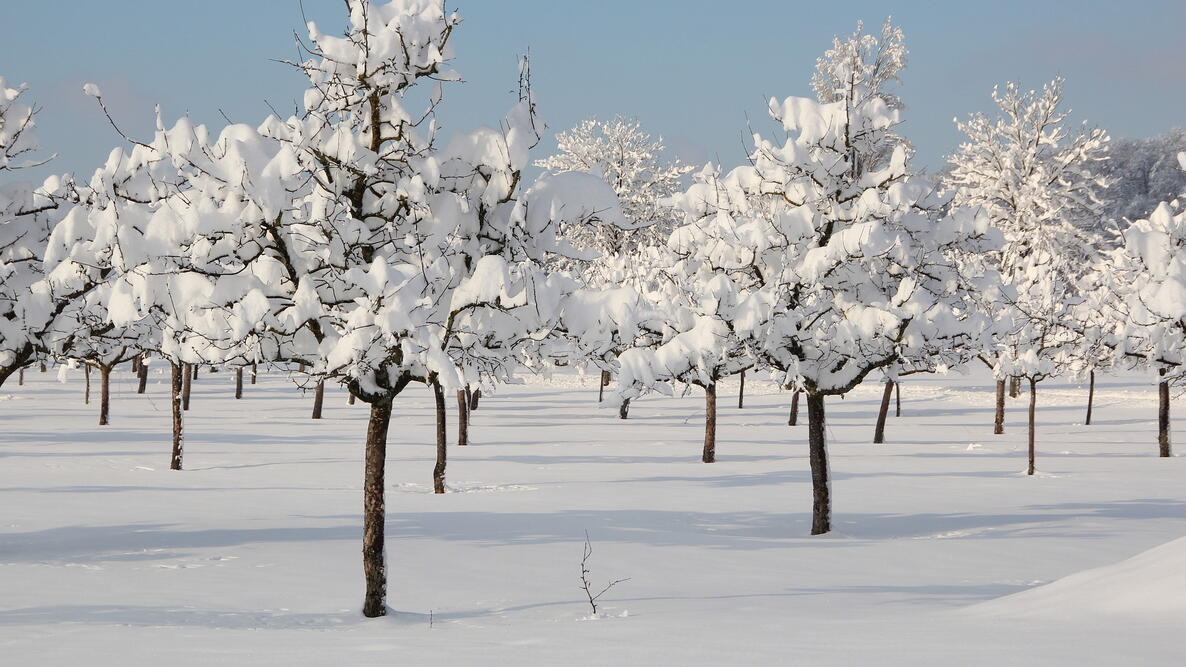

Nature is fascinating. Ever wondered how trees and plants survive winter? They certainly can’t move inside to get warm! Plants go through an amazing process similar to hibernation called “dormancy.” Learn more about your natural world.
We have had some snow so far this year, but it’s still early. For once, I am hoping for a lot of snow to insulate the ground and protect my plants. Without that layer of insulation, some of my borderline hardy perennials might not make it to spring.
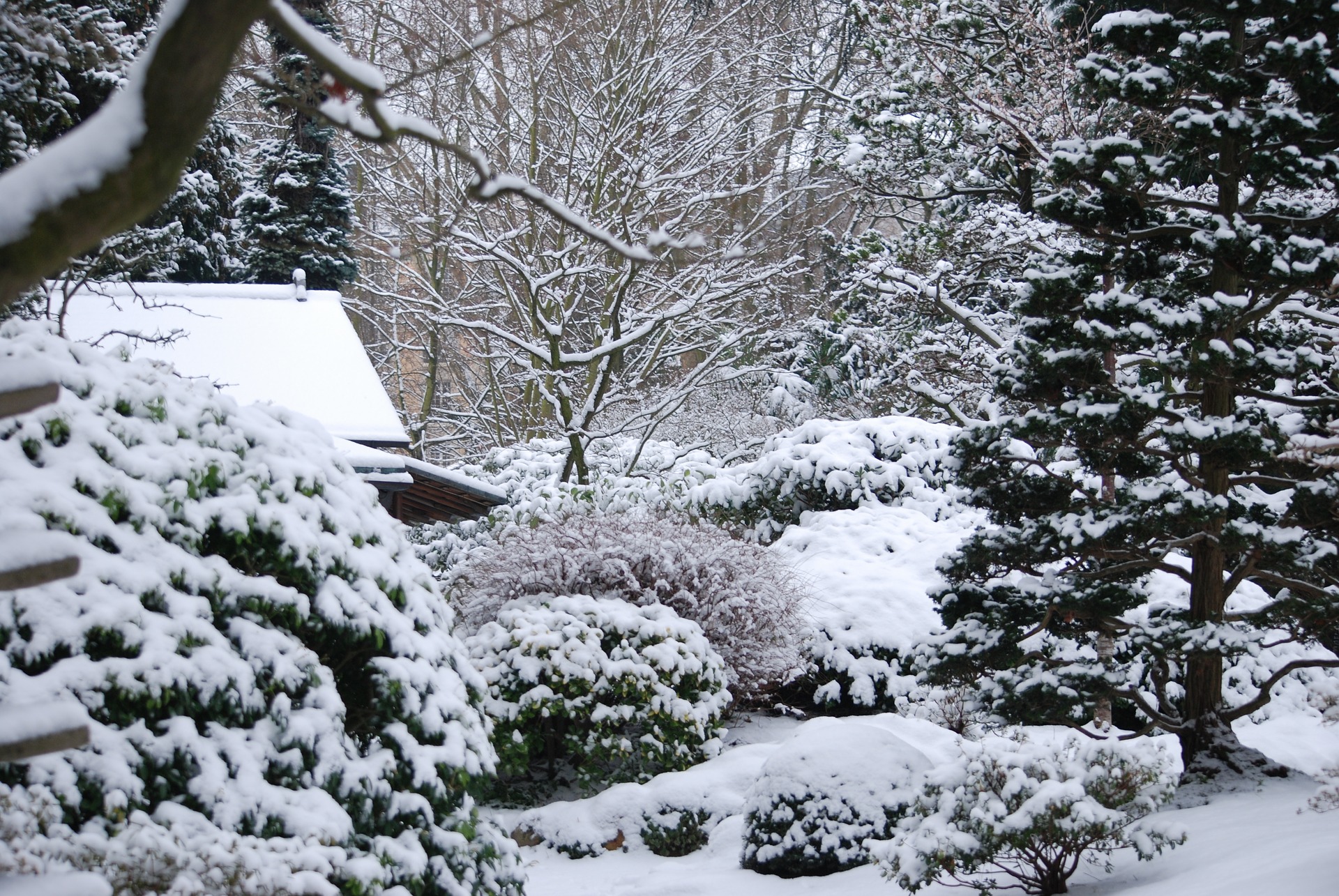
Time to Sleep
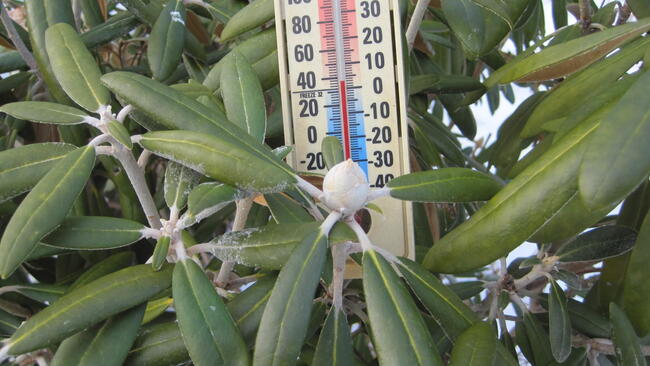
What methods to plants use to survive cold winters and often freezing temperatures? Like hibernating bears, they slow down their metabolisms and enter a state of dormancy.

Longer nights and colder temperatures trigger a slowdown in photosynthesis and respiration, signaling that it is time to rest up for the next growing season. Many perennials and trees lose their tender leaves, and evergreens stop growing.
- Excess sugars made during the summer are concentrated in the plant’s cells and act like a form of antifreeze. Water from the cells, which could freeze and cause them to burst, moves outside the cell walls, where it can safely freeze without damaging the cells. As it thaws, water can be reabsorbed by the plant cells and prevent dehydration. This method of moving water in and out of cells helps plants to not only survive cold but also other extreme weather, such as heat and drought.
- What’s happening below ground? While all seems dormant above ground, a natural and amazing process of adaption is happening well below the soil. The roots continue to develop and thrive, keeping plants fed with stored-up starches until warm weather returns. Soil temps are usually much higher than the air temperature in winter.
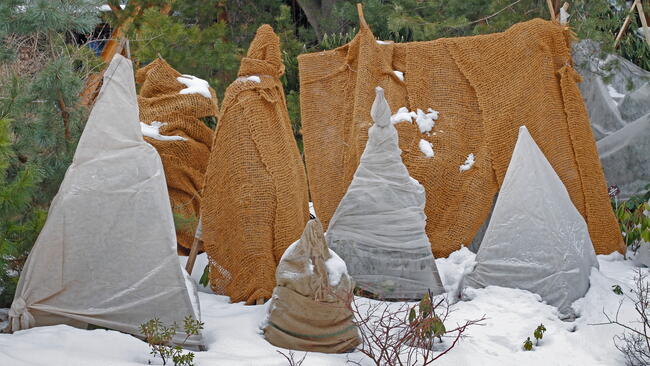
A layer of mulch or snow acts like a blanket to keep extreme cold from penetrating too far and damaging roots. More importantly, it can protect the ground from rapid freezing and thawing that can harm the roots and encourage unseasonable new growth, which is susceptible to a sudden freeze.
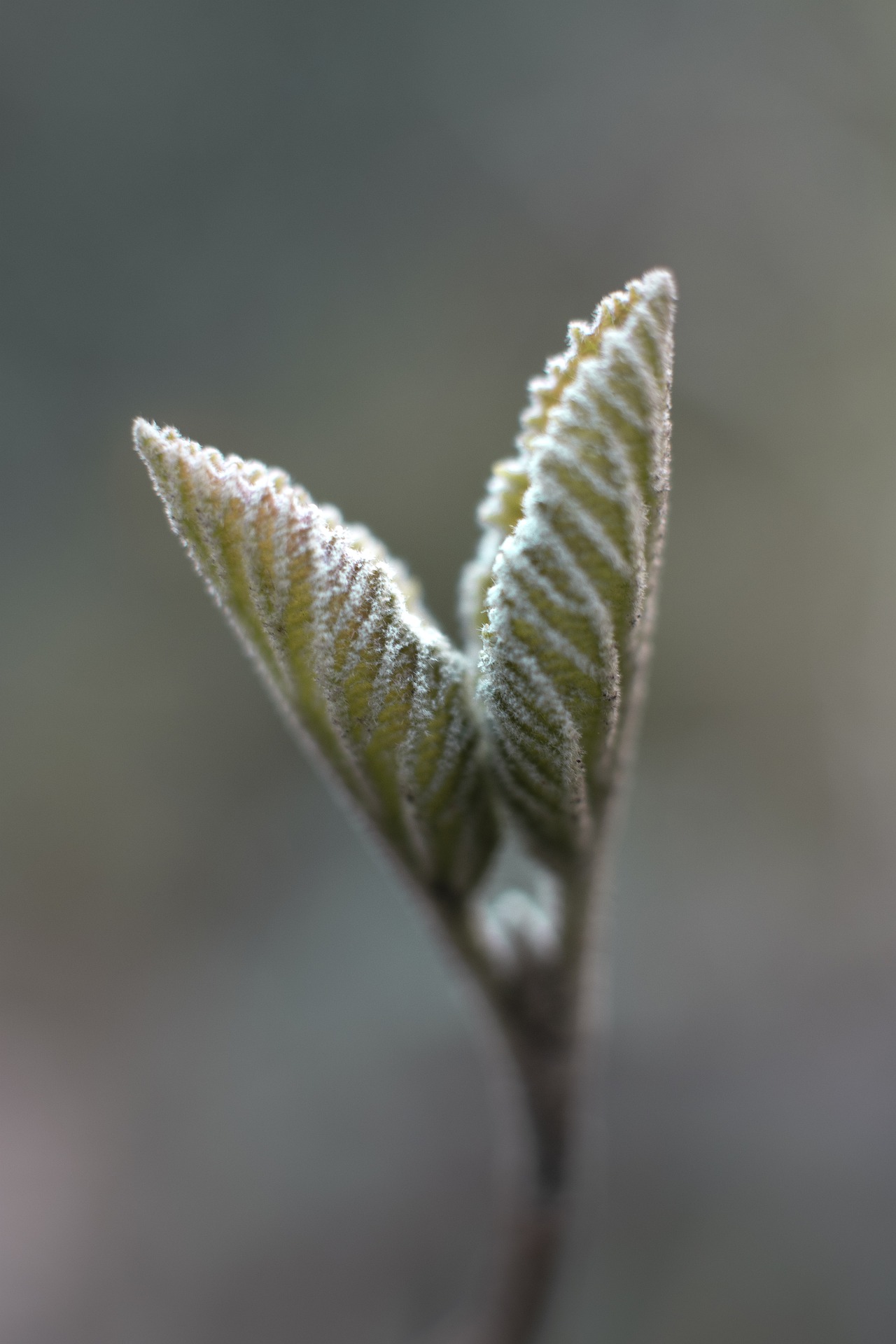
Coming out of dormancy too soon puts plants at risk. This is why poet Robert Frost encourages his young orchard to keep cold. “No orchard’s the worse for the wintriest storm; But one thing about it, it musn’t get warm. How often already you’ve had to be told, Keep cold young orchard. Good-bye and keep cold. Dread fifty above more than fifty below.”
Late spring cold snaps can kill new growth and early blooms.
Grow Native
One of the best ways to ensure your plants will make it through the winter is to plant natives that are adapted to your region and are appropriate for your zone. Learn more about growing a garden of native plants!
Frequently Asked Questions
How do plants survive winter?
Plants survive winter by entering dormancy, a state in which growth slows dramatically. They conserve energy, shed leaves if needed, protect their cells from freezing, and rely on stored sugars until warmer weather returns.
What is plant dormancy?
Dormancy is a natural resting phase triggered by shorter days and colder temperatures. During dormancy, plants slow photosynthesis and respiration, allowing them to survive cold, drought, and other extreme conditions.
Do plants grow roots in winter?
Yes! While growth above ground appears to stop, many plants continue developing roots underground. Soil temperatures are often warmer than air temperatures, allowing roots to slowly grow and store energy.
Is snow better than mulch for winter protection?
Snow is an excellent natural insulator, but it isn’t always reliable. Mulch provides consistent protection when snow cover is light or inconsistent. Ideally, plants benefit from both mulch and snow together.
Why is early warm weather dangerous for plants?
Unseasonably warm temperatures can cause plants to break dormancy too early. If cold weather returns, tender new growth and flower buds can be damaged or killed by frost.
How can gardeners help plants survive winter?
Gardeners can help by mulching after the ground freezes, avoiding late-season fertilizing, leaving snow in place, and choosing native or cold-hardy plants suited to their climate.
Until spring arrives, take time to rest up like your plants. Grow a few new roots, eat some carbs, and get ready for the coming season!

More Like This




Comments