
Winter may be beautiful, but it’s tough on trees and shrubs. Heavy snow, icy winds, and hungry critters can wreak havoc on your yard. Luckily, a little planning goes a long way—whether it’s wrapping small evergreens in burlap, mulching roots, or fending off deer, your plants can survive the cold and flourish come spring. Here’s everything you need to protect your garden during the harsh months ahead.
How to Protect Shrubs and Trees in Winter
Wrapping Trees and Shrubs
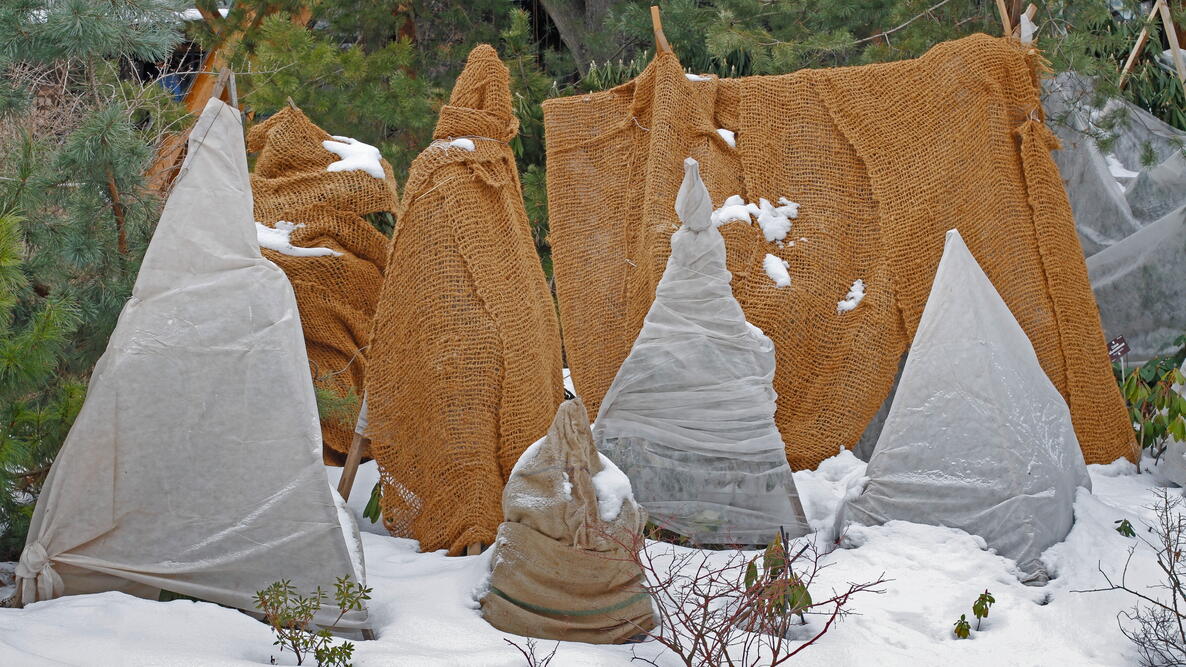
The weight of snow and ice can be crushing, breaking branches, and even knocking over some top-heavy trees. Trees with multiple leaders, clump formers, and upright evergreens are often victims. Try wrapping small trees or evergreens with burlap or other soft, breathable material (not solid plastic) to help them shed snow and ice. For larger trees, call in an arborist to shape the tree properly or cable branches in danger of being broken.
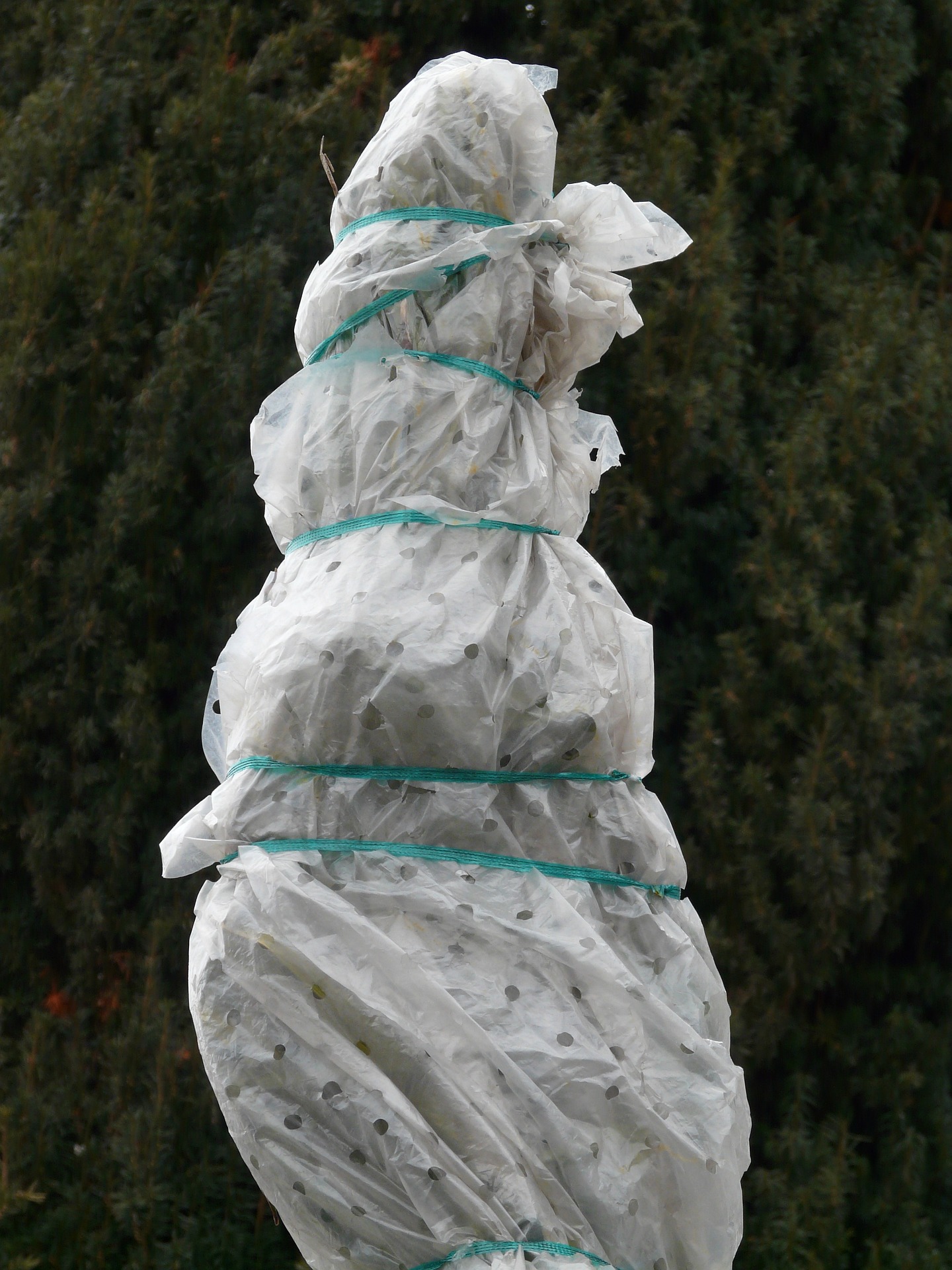
Photo: Robin Sweetser
Protect Plant Roots
Plan ahead and protect plant roots by making sure they have been well watered all season long. Moist soil is a better insulator of roots than dry soil, holding heat longer and cooling down slowly. Soil temperatures in winter are actually higher than the air temperature.
Lack of snow can actually be as much of a problem as too much. Snow is a great insulating blanket that protects roots. If snow is lacking, add some pine boughs around shallow-rooted plants to keep them from heaving. When used to cover low evergreens, they can trap snow and prevent them from drying out. A great use for your old Christmas tree! Read more ways to reuse and recycle your Christmas tree.
Mulch is also a great insulator. Four to six inches of bark mulch, straw, or shredded leaves—especially when placed around newly planted trees or shrubs—keep soil temperatures constant and prevent plants from heaving out of the ground due to cycles of freezing and thawing. Be sure to keep mulch 6 inches away from the trunk to discourage mice from nesting there and dining on the bark.
Sunscreen for Trees
Sunscald can damage the bark on young trees and those with thin bark, such as cherries, crabapples, plums, and maple trees, to name a few. It is caused by direct sunlight heating the bark on a clear day to a point where the tissues near the surface wake up and become active. When the sun goes down, and temperatures drop, the bark cools off so rapidly that the tissue is killed, leaving dark, sunken areas behind. To prevent this, wrap the trunks with light-colored tree wrap tape or plastic tree guards. Just be sure to remove them in the spring to keep bugs from setting up a home behind them. When we first planted our mini-orchard, we were advised to paint the trunks on the new trees with thinned-down white latex paint to reflect the winter sun. It worked like a charm!
Provide Enough Water
Desiccation occurs in evergreens when sunny days or wind causes the plants to transpire, losing moisture that they can’t replace when the ground is frozen. Along with making sure the plants are well watered all season long, you can lessen the impact of sun and wind by wrapping smaller evergreen shrubs with burlap. For larger plants, try making a temporary screen from burlap to deflect the wind and block the sun. Anti-desiccant sprays have not proven to be very effective.
Guard Against Pests
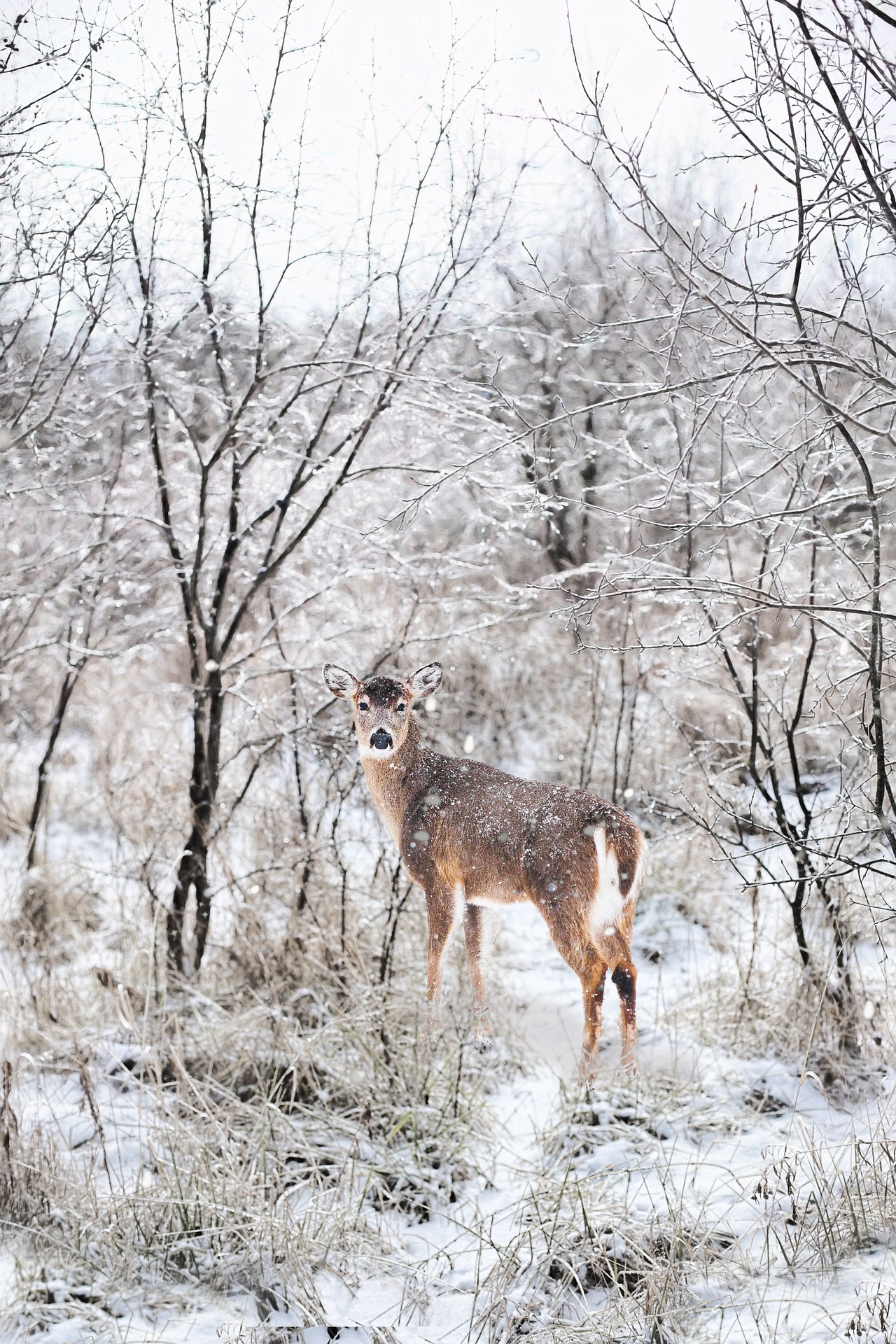
Deer, rabbits, and rodents damage or kill trees by eating bark, twigs, and branches. Discouraging rabbits and rodents from nesting near your trees and shrubs can be difficult. Be sure to keep vegetation short around the base of trees and remove brush piles where critters could hide. Wrap tree trunks with hardware cloth to keep them from girdling the trees. Deer require 8-foot tall fencing to keep them away from your precious plants. Every winter, I struggle with a herd of deer that comes to my yard when the snow cover is too deep for them to forage elsewhere. Any delicious plants, like the rhododendrons, that are not inside the fenced area are fair game! You can try repellents, anything that makes the plants smell or taste bad, but if they are hungry enough, they will eat whatever they can find.
Here are 3 more thrifty ways to protect plants from cold weather.
Frequently Asked Questions
Can mulch really protect plant roots in winter?
Yes! Four to six inches of bark, straw, or shredded leaves act as insulation, keeping soil temperatures stable and preventing roots from heaving due to freezing and thawing cycles.
What is sunscald, and how can I prevent it?
Sunscald happens when winter sun heats tree bark during the day and rapid cooling at night kills surface tissue. Wrap trunks with light-colored tree wrap or use diluted white latex paint on young trees. Remove wraps in spring.
How often should I water my shrubs and trees in winter?
Water thoroughly during mild days, especially for evergreens, as dry soil can lead to desiccation. Avoid watering frozen ground; aim for moist but not soggy soil.
Can wrapping shrubs in burlap help with wind and sun damage?
Absolutely. Burlap acts as a windbreak and shade for small evergreen shrubs, reducing moisture loss and preventing sunburn or desiccation.
Is it necessary to wrap all types of trees and shrubs?
Not all. Focus on top-heavy evergreens, young or thin-barked trees, and shallow-rooted plants. Mature, hardy trees usually withstand winter without extra protection.
By planning ahead and paying attention to moisture, wind, and snow, you can enjoy a healthy, thriving landscape come spring. Remember: a little winter care now saves a lot of recovery work later!
We welcome your thoughts on winter shrub protection!

More Like This



Comments