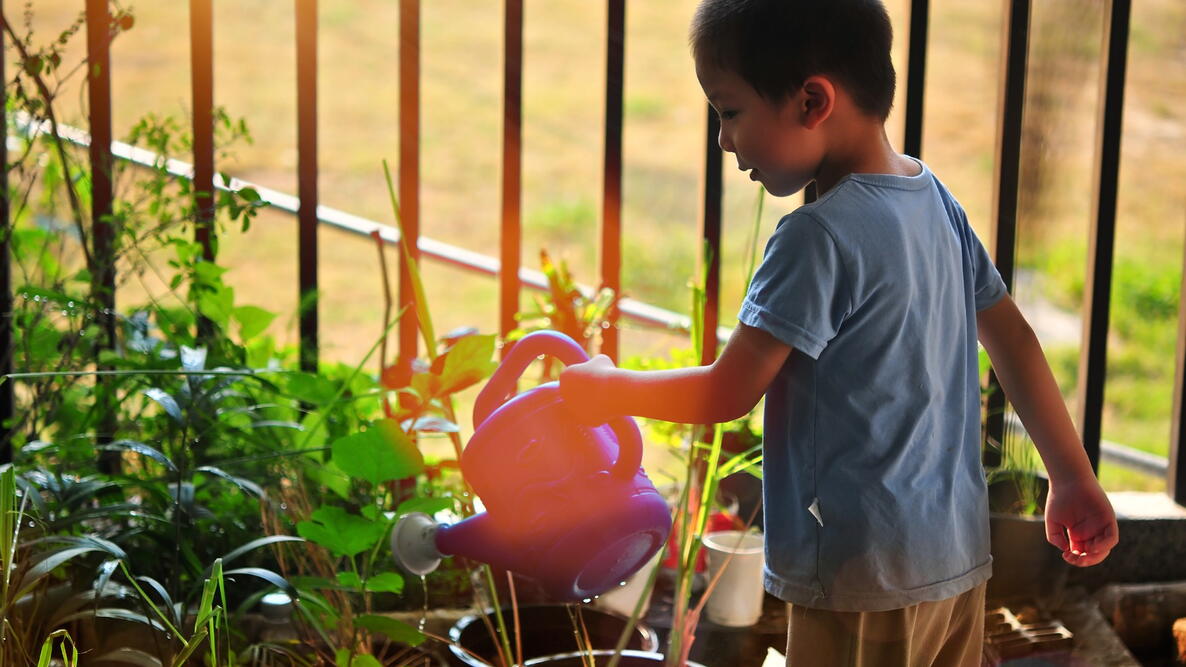

Summer garden care is all about keeping plants healthy, productive, and ready for fall. From watering and weeding to harvesting and planting new crops, a little midsummer maintenance can help your vegetable garden thrive through the hottest months.
Your Midsummer Vegetable Garden Checklist
Keep Weeds Under Control
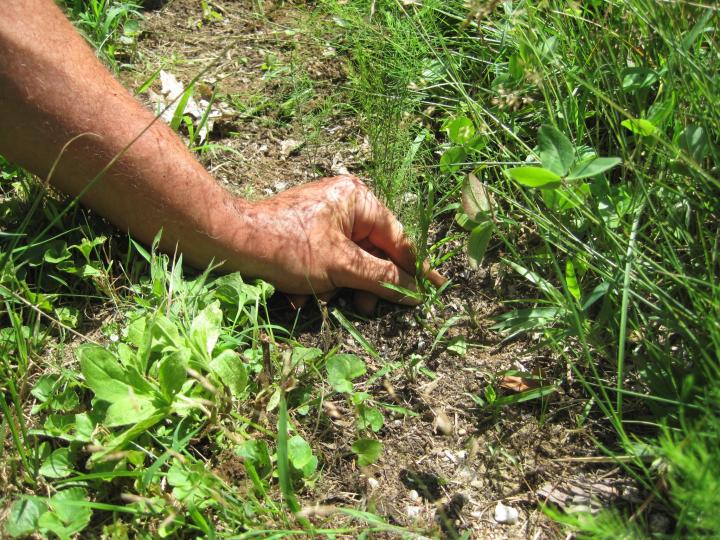
Weeding and thinning should be at the top of your to-do list. Plants can’t grow well if they are being crowded out, and weeds are especially tough competitors.
- Take half an hour early each morning, while it is still cool outside, to pull any weeds that have invaded your garden.
- You can attack it methodically, row by row, or go for the big guys first and work your way down to the smaller offenders.
- If you keep at it, eventually there will be few or no weeds left, at which point you can easily keep up with newly emerging ones.
Thin Crowded Plants for Bigger Harvests
If you started some early- or midsummer plantings of beets or carrots, it’s time to give them room to form their fat roots.
- I usually try for a spacing of two finger-widths between plants.
- Eat any tiny carrots that have formed. They are exceptionally sweet and good in a salad, and the beet greens are delicious and full of nutrients.
Give Plants a Midseason Fertilizer Boost
Plants, like people, need to not only drink water but also eat for nourishment! By now, their soil may be getting depleted of nutrients.
Give plants a mid-season feeding by side-dressing with compost or aged manure, or give them a drink of liquid fish emulsion fertilizer or manure tea when you water.
Water Your Garden the Right Way
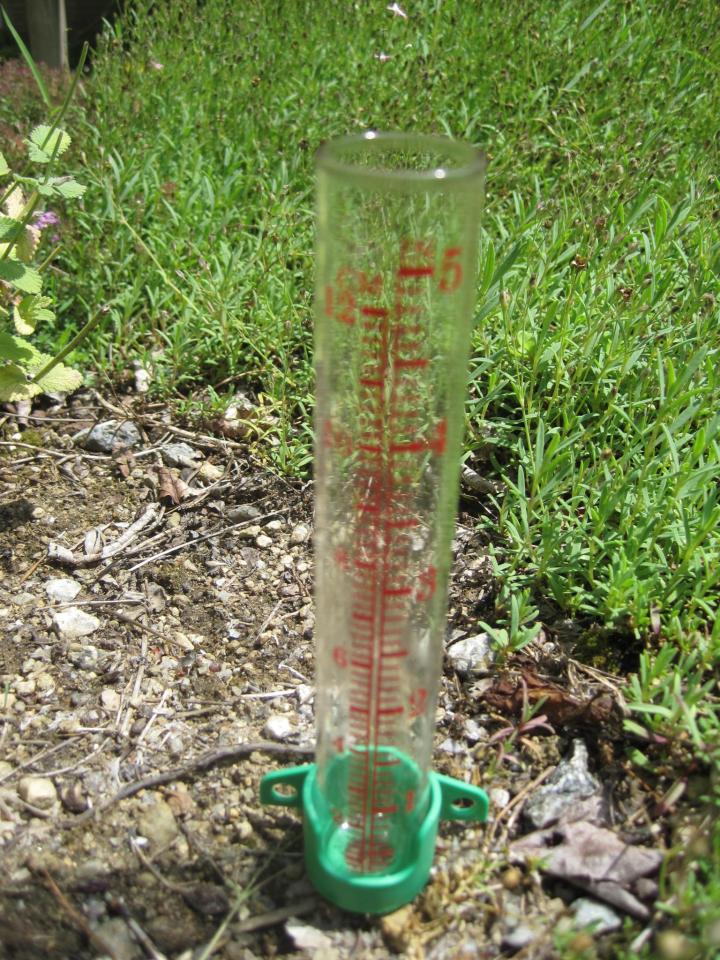
Watering is critical in mid- and late summer, when the heat is on high. Put out a rain gauge to determine just how much water you are getting from those thunderstorms: 1 to 2 inches a week is optimum. If you are not getting that much in rainfall, it is time to do some deep watering yourself.
- Dig down about 6 inches and see how dry the soil is at that level. This is where most of your plants’ roots are, and this is where the water needs to be.
- Sprinkling the leaves is not going to be very beneficial. Soaker hoses are best; otherwise, you will have to spend time watering around each plant.
- Water gently to allow the water to soak in and not run off. (See our article about Watering.)
- To reduce the amount you need to water, consider mulching around your plants, which will help to keep down the weeds and keep soil moisture from evaporating too quickly. Straw, grass clippings, pine needles, shredded leaves, and even newspaper will help to suppress weeds. (See our article about Mulch.)
Plant Vegetables for a Fall Harvest
Planting a new round of crops will keep your garden productive into fall. Remove any spring crops that have gone to that big farm in the sky and plant some new vegetables in that space.
- Pay close attention to the first fall frost date for your area if you want to replant with tender, warm-weather crops like beans or cucumbers.
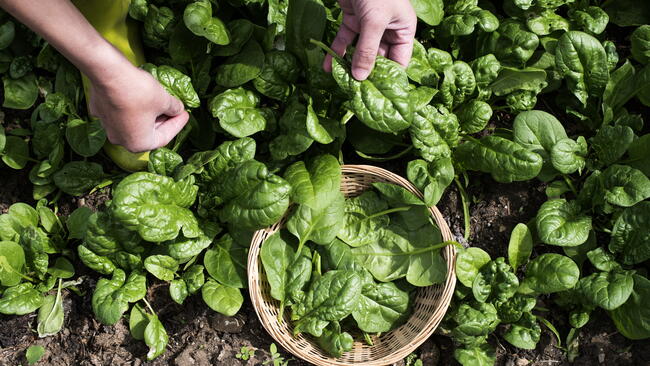
- Otherwise, stick to frost-hardy fall crops such as broccoli, kale, bok choy, carrots, beets, radishes, turnips, spinach, and peas.
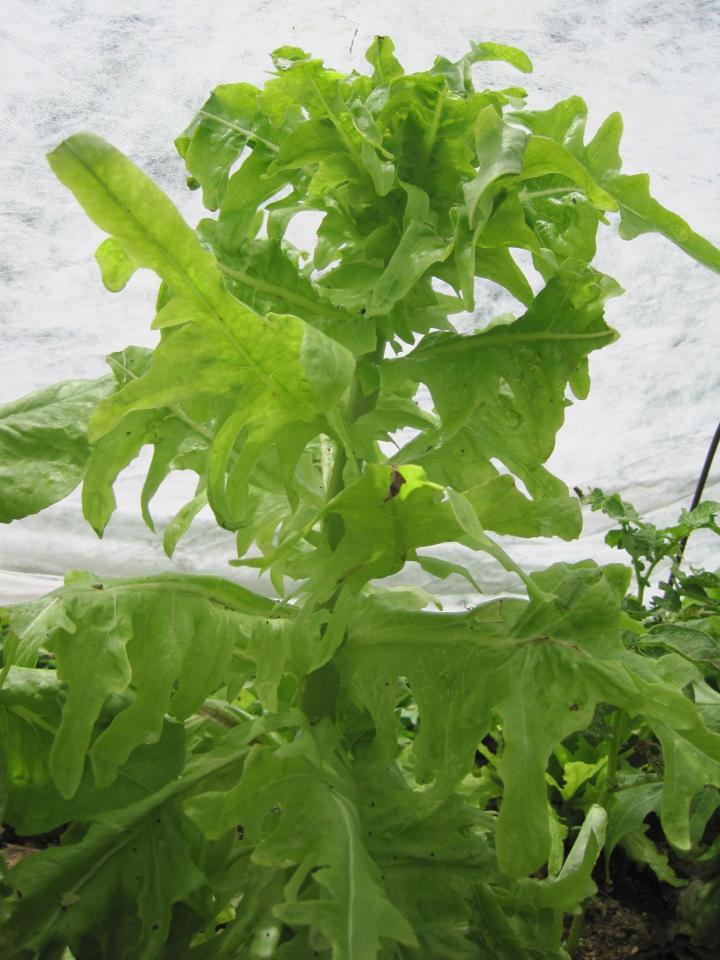
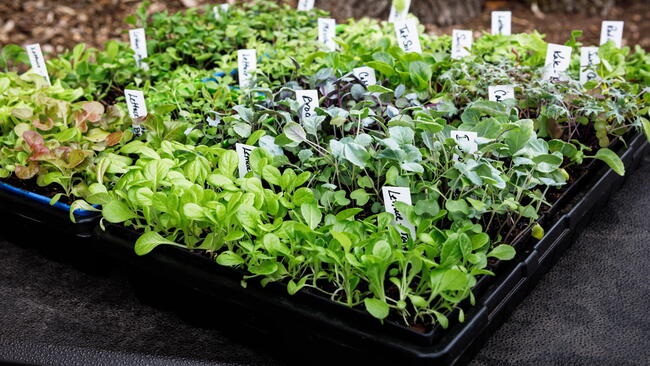
- Lettuce doesn’t like to germinate in hot soil, so start the seeds inside where it is cooler and then transplant them outside under the shade of taller plants to keep the lettuce from bolting.
See the Almanac’s new chart of Last Planting Dates by Zip Code or Postal Code.
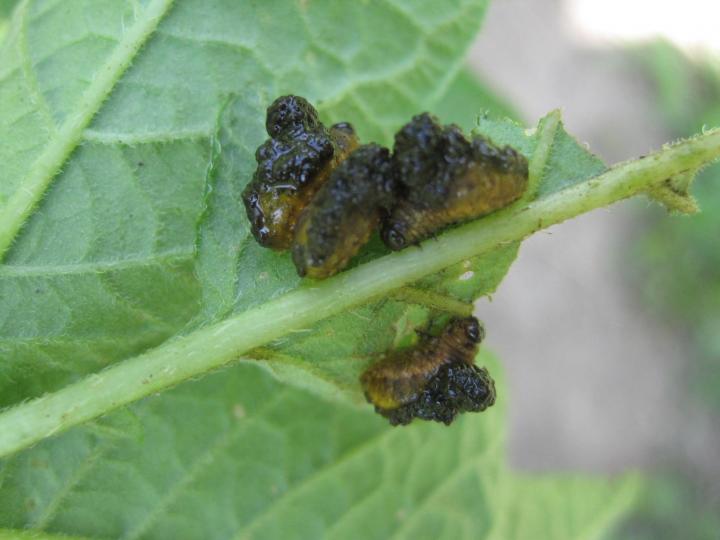
Check Plants Regularly for Garden Pests
Scouting for insect pests (the unwanted visitors) frequently will help you keep ahead of any population explosions of garden destroyers.
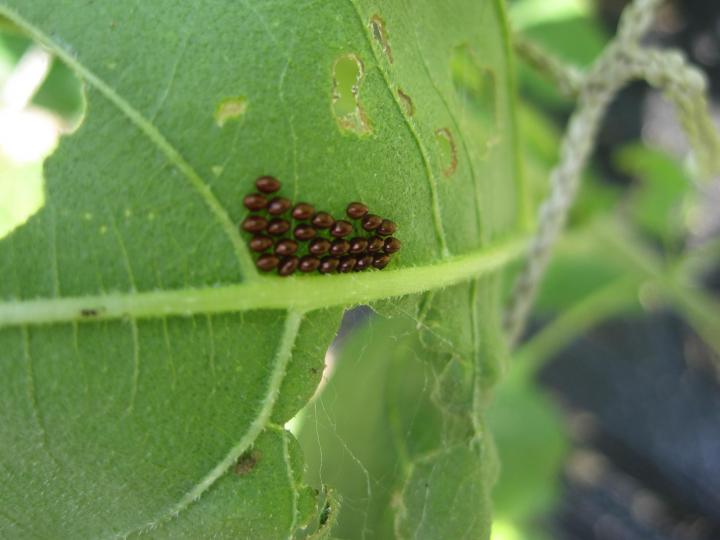
- Be sure to check the undersides of the leaves, where most pests like to hide and lay their eggs.
- Many bugs like to sleep in, so you can often catch them in the morning when they are still groggy.
- Knock them into a bucket of soapy water to their sudsy demise.
- Staking will help keep fruits up off the ground, making them less susceptible to soil-borne diseases and easier to pick.
Harvest Often to Encourage More Growth
Harvesting often will keep your plants flowering and producing more fruit.
- Beans especially benefit from frequent picking.
- Harvest tomatoes as they ripen for the best flavor.
- Pick zucchini and cucumbers while they are still small to avoid dealing with huge seedy fruits.
If you find that you are inundated with more produce than you can handle, please pass some of the bounty along to friends and neighbors or your local food pantry.
See more tips on When to Harvest Fruit and Vegetables.
Don’t Forget Flowers and Container Plants
While you’re at it, don’t forget that ornamentals need some attention, too.
- Add deadheading, weeding, staking tall floppy plants, deep watering, fertilizing, and renewing mulch in the flower beds to your to-do list. See 4 good reasons to deadhead flowers.
- Mowing and edging around garden beds will keep the yard looking spiffy.
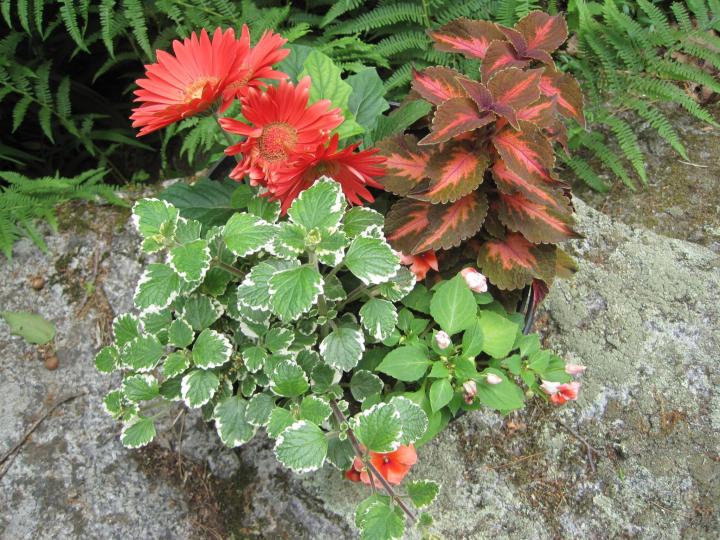
- Any plants growing in containers need special care since they dry out quickly in hot weather. Frequent watering washes nutrients out of the soil, so use a liquid fertilizer when you water or scratch in a slow-release fertilizer to keep your container plants growing and hanging baskets blooming.
Take Care of Yourself While Gardening in the Heat
Finally, take care of yourself as well. Work outside during the cooler hours of the day to survive the heat and humidity and make sure you drink plenty of water, too. (See our article about Gardening in the Heat.) If you’ll be doing a lot of weeding, put down a padded cushion to kneel on or bring a small stool along.
There is a lot to keep up with, but it is well worth it when you get to proudly enjoy the fruits (and vegetables) of your labor!
Midsummer Garden Tasks by Priority
Every Day
- Harvest ripe vegetables
- Check plants for pests
- Water containers as needed
Weekly
- Weed garden beds
- Deep water vegetables
- Check plant supports
Before Fall
- Start cool-season crops
- Remove finished plants
- Refresh soil with compost
Frequently Asked Questions
How often should I water my summer vegetable garden?
Most vegetable gardens need about 1 to 2 inches of water per week, either from rainfall or supplemental watering.
What should I do in my garden in midsummer?
Midsummer garden tasks include weeding, thinning crops, fertilizing, watering deeply, checking for pests, harvesting, and planting fall vegetables.
What vegetables can I plant in summer for fall harvest?
Many cool-season crops can be planted in summer for fall harvest, including kale, broccoli, spinach, carrots, beets, radishes, peas, and bok choy.
How can I keep my garden productive all summer?
Regular harvesting, proper watering, pest monitoring, and succession planting help vegetables continue producing throughout the season.
More Like This

Thanks for sharing such kind words, Nikki!
To say that gardening in Arizona is challenging would be an understatement! Basics like having a soil test, especially to make sure your pH is at a good level for your crops, mulching to prevent evaporation of precious moisture, deep watering, and adding as much organic matter such as compost and rotted manure to your soil are important no matter where you live. Check out sites like nativeseeds.org to see the kinds of crops that are native to your area. Chances are, since they are adapted to growing in your conditions, they will perform better than a plant bred for New England. The best advice I can give you is to contact your county extension office. They will have lots of information on best plants and practices specific to your part of the state.
Thank you so much Cindy! That is very kind! I can't take all the credit though. It is a group effort here at the Almanac and there are many people working behind the scenes. I have been gardening most of my life and I'm still learning new things every day. It is a fascinating world!

Comments